Specially customized pumping solutions featuring advanced silicon carbide liners, engineered to survive the most abrasive ore extraction corridors in Minas Gerais and Pará.
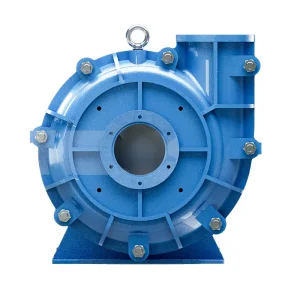
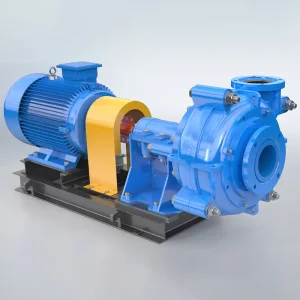
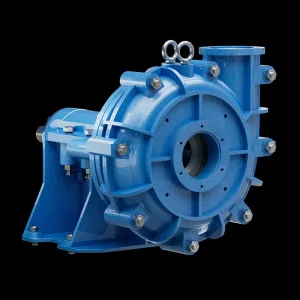
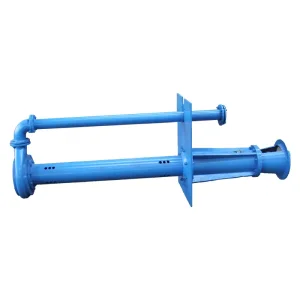
Understanding local operation challenges, material degradation mechanisms, and the economic shift from high-chrome alloys to silicon carbide ceramics.
Iron ore, bauxite, and gold processing operations across Brazil feature slurries with high solid concentrations (up to 70% by weight) and highly angular particles that destroy standard metallic pump liners within weeks.
Processing circuits in copper extraction and acid leaching plants often run at extreme pH levels. The combination of chemical attack and mechanical erosion accelerates steel degradation, making inert ceramic barriers a necessity.
By switching to SiC (Silicon Carbide) wear parts, Brazilian operators reduce downtime, lower power draw due to sustained hydraulic efficiency, and achieve up to a 60% reduction in long-term maintenance costs.
Brazil holds some of the world’s largest reserves of iron ore, manganese, bauxite, nickel, copper, and gold. Large-scale mining facilities, particularly in the northern Amazon region (Carajás) and the southern iron quadrangle of Minas Gerais, process hundreds of thousands of tons of raw ore daily. In these intensive processing circuits, slurry pumps serve as the vital arteries. However, the abrasive nature of hematite, itabirite, and quartz sand creates an incredibly hostile environment for fluid transportation systems.
Conventional heavy-duty slurry pumps rely on high-chrome cast irons (such as ASTM A532 Class III Type A) or natural elastomers. While these materials provide reasonable service in mild conditions, they wear out rapidly when handling slurries that combine large particle sizes with acidic processing fluids. This mechanical degradation leads to frequent shutdowns, expensive seal replacements, lost throughput, and elevated labor costs.
To overcome this issue, Brazilian industrial operations are shifting to advanced ceramic-lined slurry pumps. Silicon Carbide (SiC) ceramics possess a micro-hardness second only to diamonds, offering excellent erosion resistance. Additionally, they are chemically inert across a pH range from 0 to 14, providing complete protection against corrosive reagents used in flotation and leaching circuits.
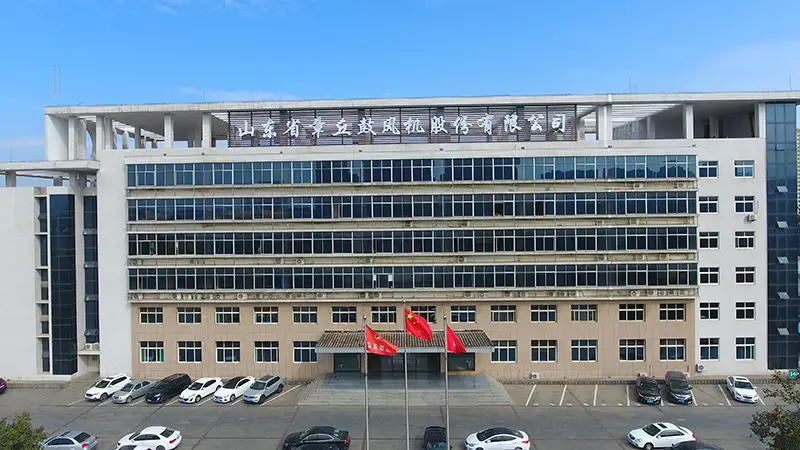
As a leading Chinese designer and manufacturer, Shandong Zhangqiu Blower Co., Ltd. (ZCBC) has spent decades researching material compositions to optimize slurry handling. Our specialized ceramic slurry pumps employ a proprietary Silicon Carbide Composite (SiC-C) formulation. This material is sintered using high-vacuum reaction-bonding techniques, ensuring zero porosity and uniform grain structure.
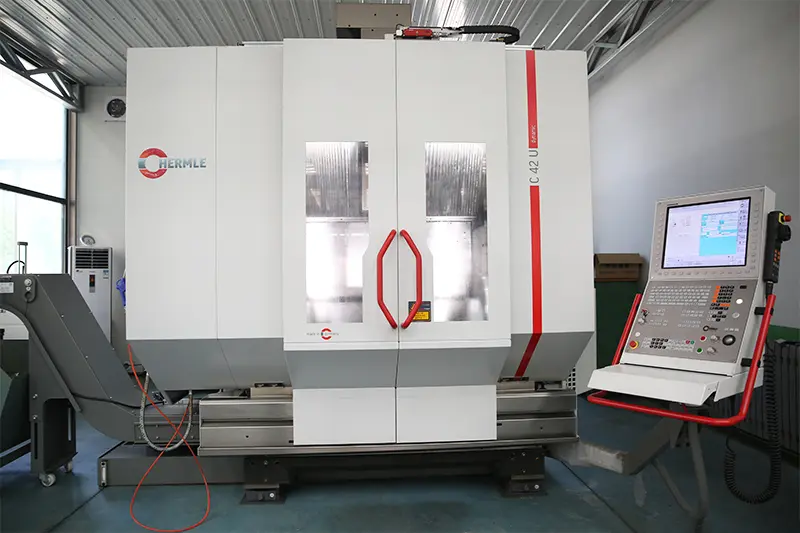
Our production facilities utilize five-axis CNC machining centers and advanced CAD/CAM processes to shape these hard ceramic inserts with precise tolerances. This ensures that replacement liners fit perfectly, reducing internal recirculation and maintaining original pump performance metrics over a long service life.
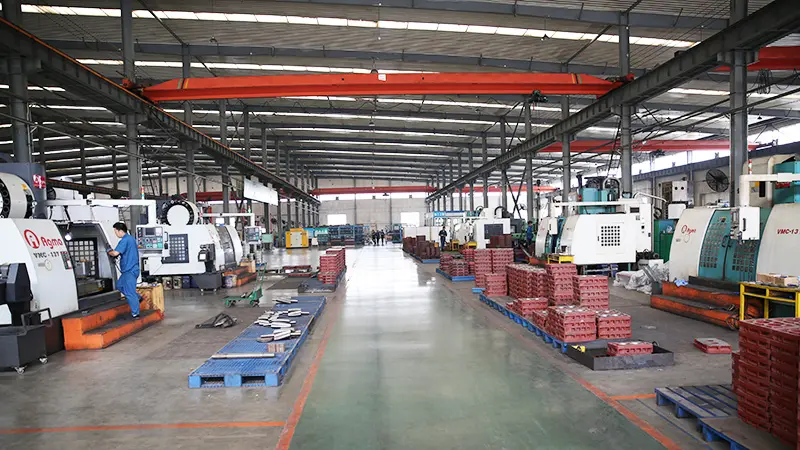
A trusted industrial machinery powerhouse with over 50 years of engineering innovation, design expertise, and manufacturing excellence.
Founded as Shandong Zhangqiu Blower Works, we have built over 50 years of expertise in industrial fluid and gas dynamics. ZCBC established the first overseas branch in the Chinese blower industry by opening a USA branch, alongside forming two Sino-Japanese joint ventures. As a public company listed on the Shenzhen Stock Exchange (Stock Code: 002598) since July 2011, we operate with full transparency and meet high international standards.
In 2005, we transitioned to a modern, high-standard industrial park covering 430,000 m², providing the necessary scale for large-scale international projects. Today, the ZCBC group operates 20 holding companies and has established four manufacturing bases in Wuxi (Jiangsu), Dongguan (Guangdong), Chenzhou (Hunan), and Jinchang (Gansu). We also support our manufacturing infrastructure with four dedicated R&D centers across Beijing, Shanghai, Shijiazhuang, and Wuxi.
Our broader strategic framework, "Develop main business, pioneer new fields and innovate, cooperate to be a great company," guides our focus on high-durability industrial pumps, Roots blowers, centrifugal blowers, fans, pneumatic conveying systems, and water treatment solutions.
At ZCBC, we employ a scientific research team consisting of industry experts, senior engineers, and doctoral researchers introduced through Jinan City's "5150" talent program. We also run a dedicated postgraduate workstation and collaborate closely with universities like Tsinghua University, Xi'an Jiaotong University, China University of Mining and Technology, and Shandong University to stay at the forefront of industrial pump design.
Our quality management is backed by several international standards, including ISO9001 for quality systems, ISO14001 for environmental management, ISO50001 for energy systems, and ISO10012 for measurement management. Our industrial pump lines also carry the CE mark and the Safety Mark for Mining Products. Equipped with five-axis machining centers and CNC tools imported from Japan and Germany, our workshops ensure that every ceramic pump casing and impeller meets strict tolerance requirements.
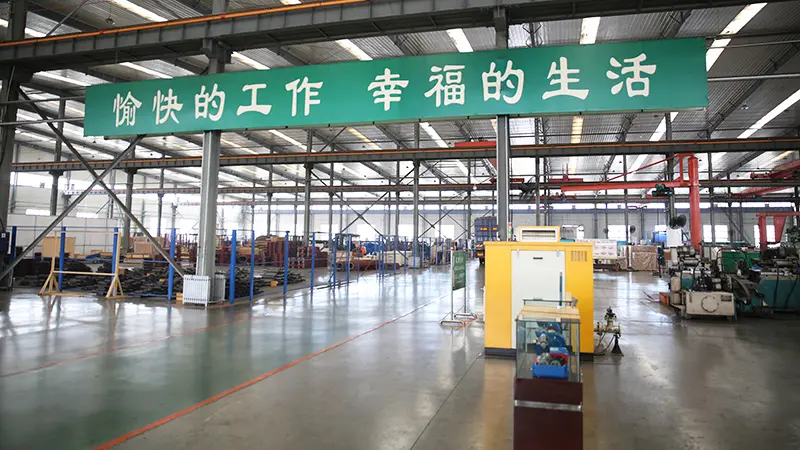
How our heavy-duty ceramic pumps are integrated into complex industrial processing plants to maximize efficiency and minimize downtime.
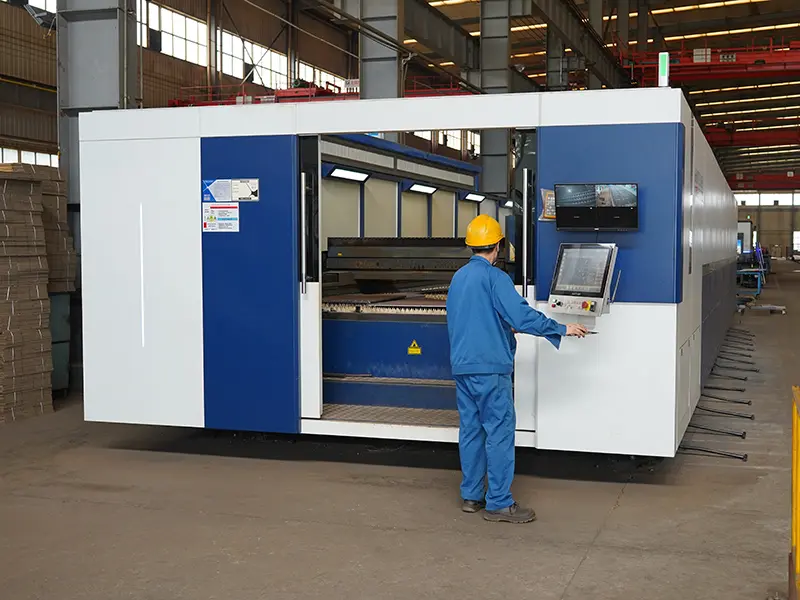
In classification circuits, slurry pumps feed hydrocyclones under constant pressure. Fluctuations in pressure can lead to poor separation, sending valuable ore to tailings ponds or oversized particles to the milling circuit. The wear-resistant qualities of our ceramic slurry impellers prevent rapid geometry changes, ensuring consistent discharge pressure and improving overall classification efficiency.
Following recent safety regulations in Brazil, tailings management has transitioned toward dry stacking and high-density thickeners. Handling these high-concentration underflows requires pumps that can move high specific gravity slurries without clogging or wearing out. Our specialized TZJK-TD pumps handle densities up to 70% solids, providing reliable performance for tailing transport lines.
Alumina refineries and gold processing plants often run at high temperatures and use corrosive chemical solutions. Our reaction-bonded silicon carbide pumps resist chemical attack, maintaining their integrity in high-temperature, low-pH processes where metallic pumps quickly degrade.
Ensuring smooth import, customs clearance, and local spare parts availability for major mining regions.
Importing heavy industrial equipment into Brazil requires careful navigation of the Mercosur tariff structure, ICMS taxes, and import licensing. ZCBC works alongside experienced Brazilian logistics partners to handle all customs clearance processes smoothly, helping to avoid project delays.
We understand that mining operations cannot afford extended downtime. ZCBC offers strategic stocking agreements, allowing us to maintain inventories of critical components—such as impellers, liners, throatbushes, and shaft sleeves—in localized warehouses near major mining zones like Belo Horizonte and Belém, ensuring fast delivery when replacement parts are needed.
Our engineering team can generate 3D CAD models and detailed product layouts within 24 hours based on your site drawings or current equipment data. This fast turn-around makes it simple to retrofit our wear-resistant ceramic pumps into your existing infrastructure without requiring major pipework modifications.
Detailed engineering answers addressing common questions regarding performance, maintenance, and material selection for slurry transport.
High-chrome cast irons rely on chromium carbide precipitates within an iron matrix to resist wear. While tough, these metals are susceptible to micro-ploughing and corrosion-erosion cycles. Silicon Carbide (SiC) is a single-phase material with high hardness (Mohs 9+), meaning abrasive particles cannot selectively wear away a softer matrix. This structure makes SiC resistant to erosion and prevents chemical corrosion across a wide pH range.
Traditional ceramics are brittle and can fracture under sudden impact. To resolve this, our pumps feature a hybrid design: a high-strength, ductile iron outer casing enclosing a thick, shock-absorbing elastomer layer, which surrounds the sintered silicon carbide liner. This multi-layered design cushions the ceramic liner, distributing localized impact forces across the pump casing and reducing the risk of structural failure.
Our ceramic slurry pumps are designed for fine to medium slurries, with a recommended maximum solid particle size of 6mm to 8mm, depending on the pump model and the concentration of solids. For processes handling larger rocks or run-of-mine feed, we recommend using our specialized heavy metal alloy pumps for the initial stages, and using ceramic pumps in secondary grinding and classification circuits.
Yes. Our engineering team can configure our pump footprints and flange dimensions to match common international standards. We can provide custom adaptation frames and customized inlet/outlet orientations to fit our pumps directly into your current piping setup, keeping installation costs to a minimum.
We offer three main seal types: Expeller (dynamic) seals for waterless operation under moderate suction heads; packed gland seals with lantern rings for reliable mechanical sealing; and heavy-duty single or double mechanical seals with hard faces (SiC vs. SiC) designed to prevent wear in abrasive environments.
Standard pump assemblies are typically completed and ready for testing within 6 to 8 weeks from order confirmation. Sea freight shipping from Qingdao or Shanghai port to major ports in Brazil (such as Santos, Paranaguá, or Itaqui) generally takes between 35 and 45 days. We also offer air freight services for urgent spare parts.
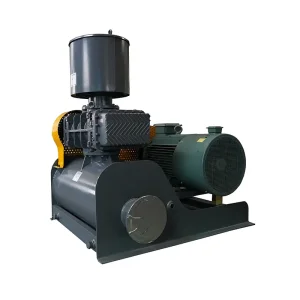
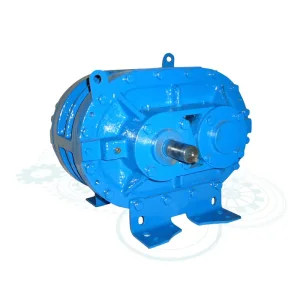
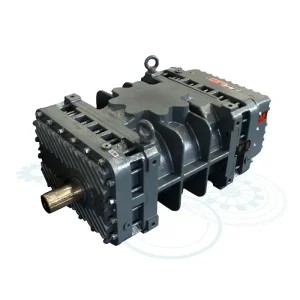
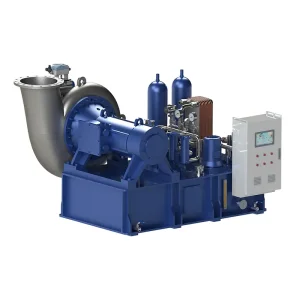
Complementary air movement technologies for froth flotation, water treatment aeration, and pneumatic conveying lines.
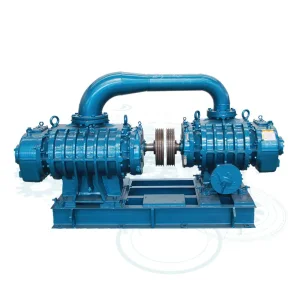
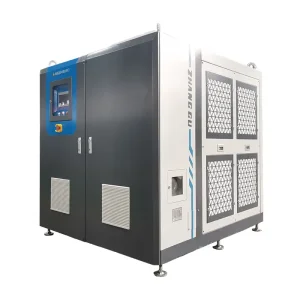
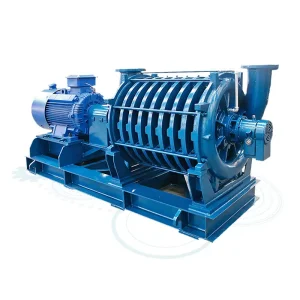
 Zhangqiu