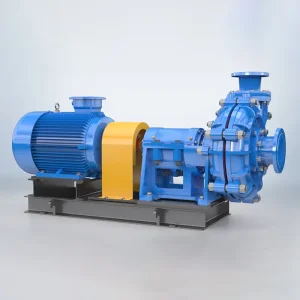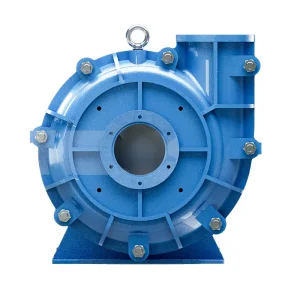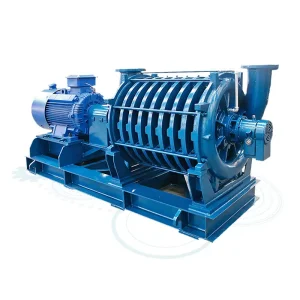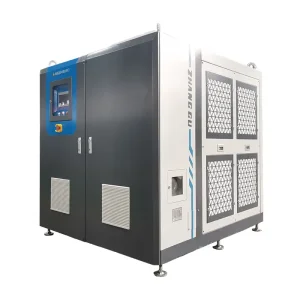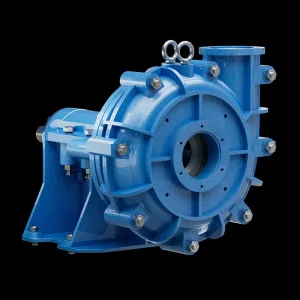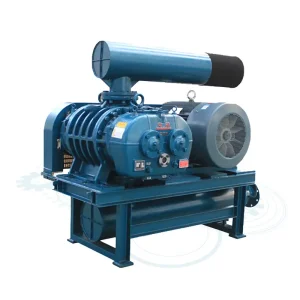
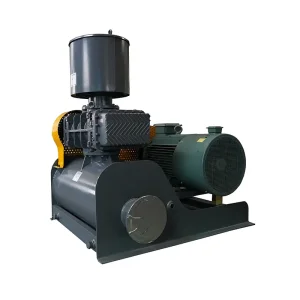
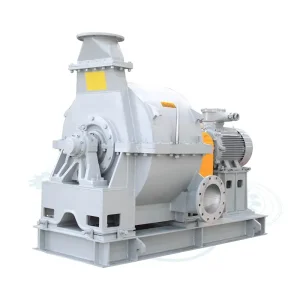
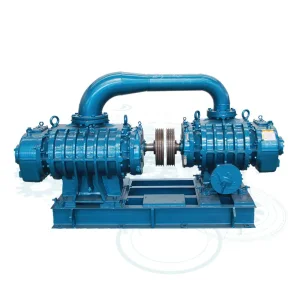
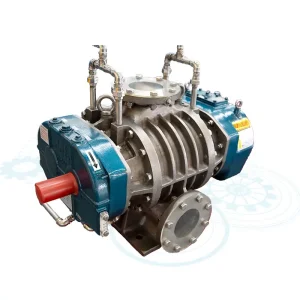
Centrifugal blowers and industrial fans represent the lung system of modern processing plants. Operating on the principle of dynamic kinetic-to-pressure conversion, centrifugal blower fans accelerate gas flow radially through high-speed rotating impellers. They are critical in providing continuous, high-volume flow for pneumatic conveying, mechanical vapor recompression (MVR), flue-gas desulfurization (FGD), sewage aeration, and dust extraction systems. Globally, the demand for high-efficiency, multi-stage and single-stage turbo blowers has surged as environmental compliance and energy-saving targets become central to industrial operations. Driven by technological advancements like magnetic suspension bearings, air foil bearings, and smart control integration, modern blower architectures are undergoing a rapid evolution toward oil-free, maintenance-free, and high-polytropic-efficiency designs.
Utilizing computational fluid dynamics (CFD) to optimize impeller geometry, scroll housings, and diffuser vanes. High efficiency is achieved through the elimination of boundary layer separation and aerodynamic stall, reducing friction losses within the fluid path.
Transitioning from traditional mechanical contact bearings to magnetic levitation (magnetic suspension) and air foil bearings. These configurations reduce rotational wear to zero, eliminating lubricating oil loops while drastically lowering power consumption.
Modern configurations are heavily engineered to support global decarbonization efforts. Standard industrial blowers are integrated with Variable Frequency Drives (VFD) and energy-efficient motors (IE4/IE5) to comply with stringent emission and energy rating protocols.
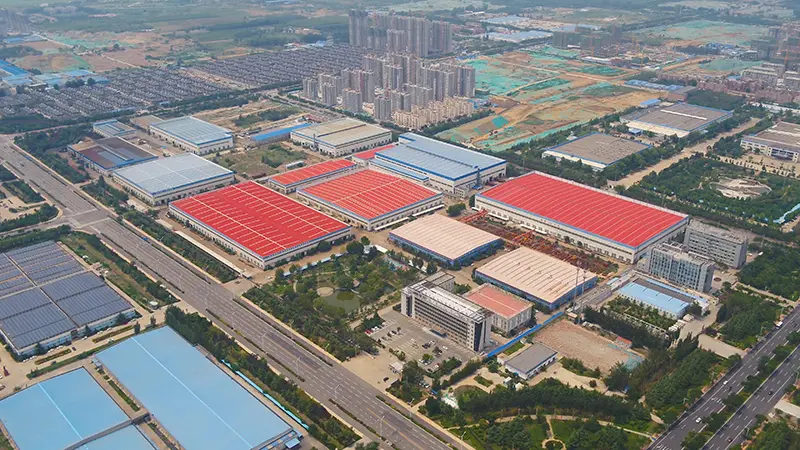
Shandong Zhangqiu Blower Co., Ltd. (formerly known as Shandong Zhangqiu Blower Works) represents the pinnacle of Chinese heavy machinery manufacturing, possessing over 50 years of dedicated experience in blower design, engineering, and manufacturing technology. As the executive director unit of the China General Machinery Industry Association and the vice president unit of its Fan Branch, Zhangqiu Blower (often recognized in the industry as ZhangGu) is the primary drafting unit of national standards for Roots blowers in China.
Established as a publicly listed enterprise on the Shenzhen Stock Exchange on July 7, 2011 (Stock Code: 002598), the company has systematically realized a robust global footprint. With the deployment of two Sino-Japanese joint ventures and an overseas branch in the United States, ZhangGu has established itself as the first enterprise in China's blower industry to establish global operations. In 2020, the parent company registered an operating income of 1.5 billion yuan with a profit of 150 million yuan, managing 20 holding companies and four primary manufacturing bases across Jiangsu Wuxi, Guangdong Dongguan, Hunan Chenzhou, and Gansu Jinchang.
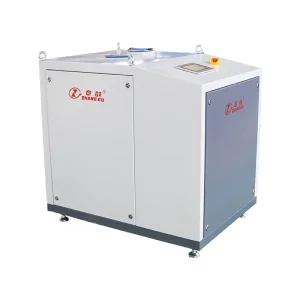
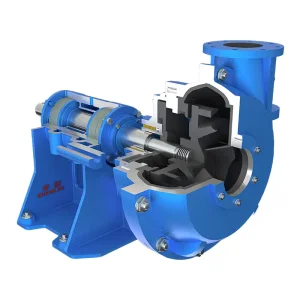
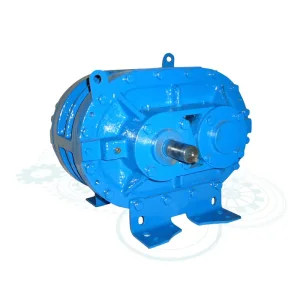
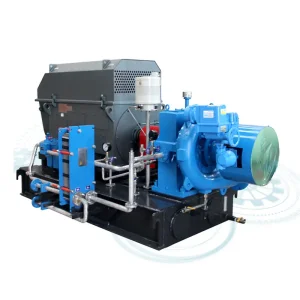
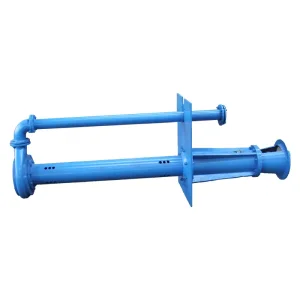
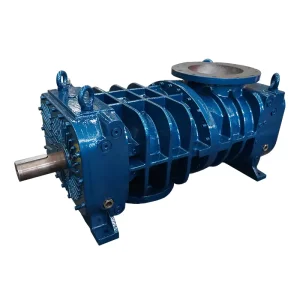
Under the corporate strategy of "Develop main business, pioneer new fields and innovate, cooperate to be a great company" and the core concept of "Do the best", ZhangGu is a modern enterprise integrating product development, fabrication, testing, and engineering services. Their product portfolio ranges from high-pressure Roots blowers and multi-stage centrifugal blowers to advanced slurry pumps, desulfurization pumps, pneumatic conveying packages, and complete MVR (Mechanical Vapor Recompression) evaporation systems.
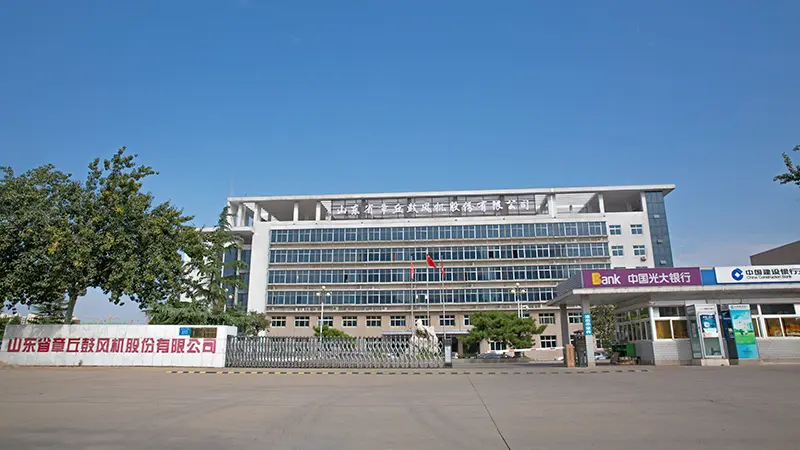
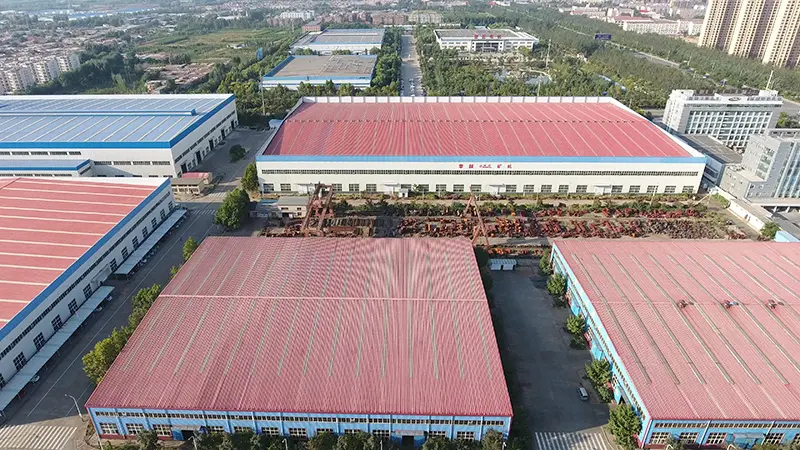
The industrial dominance of China-based manufacturers in the global centrifugal blower market is not simply a matter of scale; it is rooted in deep integration of technological innovation, supply-chain verticalization, and advanced production infrastructure. Zhangqiu Blower stands at the forefront of this industrial paradigm, leveraging structural advantages to deliver unparalleled performance-to-cost ratios.
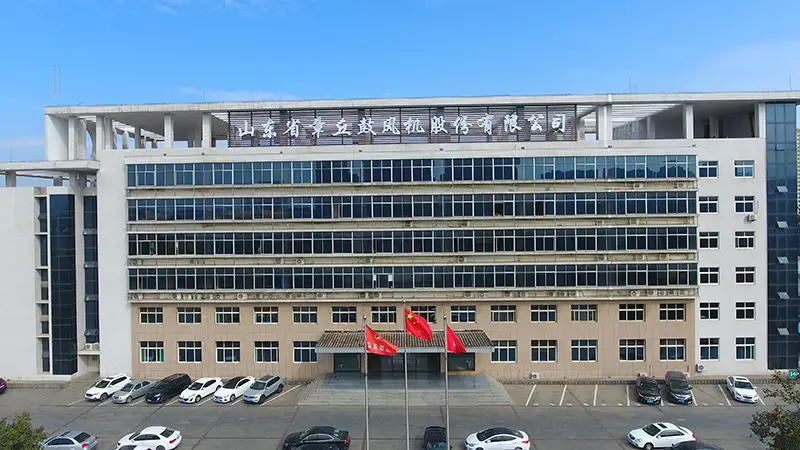
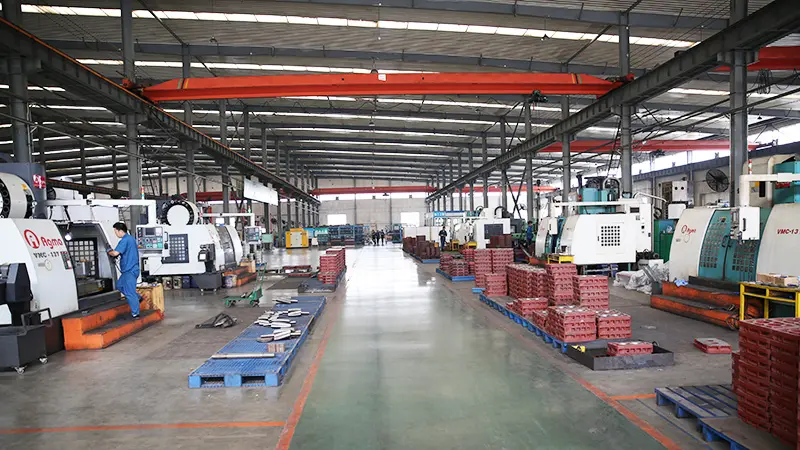
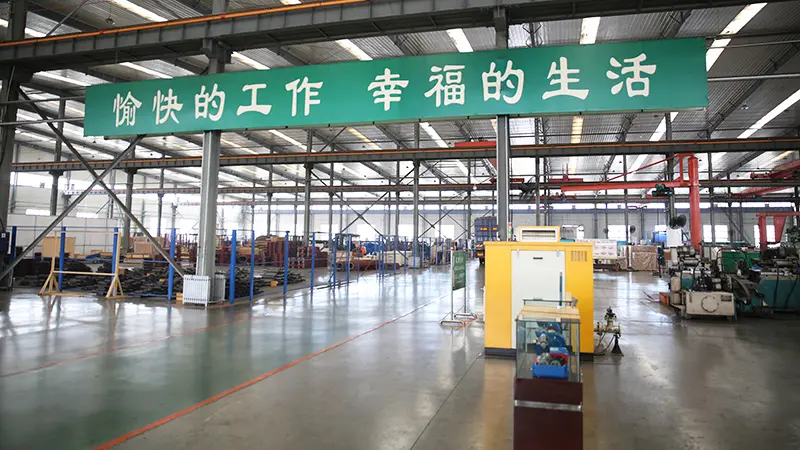
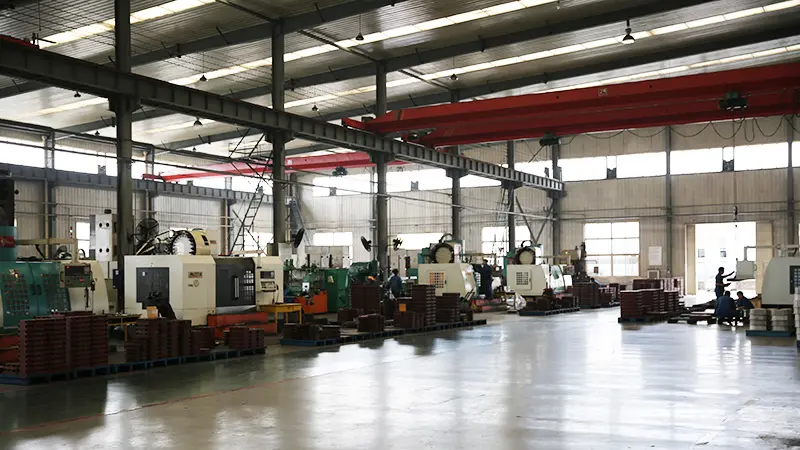
Continuous innovation requires a structural commitment to research and development. Shandong Zhangqiu Blower Co., Ltd. has established a multi-tiered academic-industrial alliance, partnering with elite Chinese universities including Tsinghua University, Xi'an Jiaotong University, China University of Mining and Technology, and Shandong University. This network feeds empirical research into municipal noise-dampening mechanics, high-temperature thermal dissipation, and wear-resistant metallurgy directly into product manufacturing lines.
Armed with 69 authorized patents (including 5 core invention patents) and 2 software copyrights, ZhangGu has developed groundbreaking engineering designs such as countercurrent cooling mechanisms, noise reduction casings, and special non-stick coatings for corrosive gas environments. The company has passed ISO9001, ISO14001, ISO50001 energy management, and CE qualifications, guaranteeing that every blower complies with European and international industrial mandates.
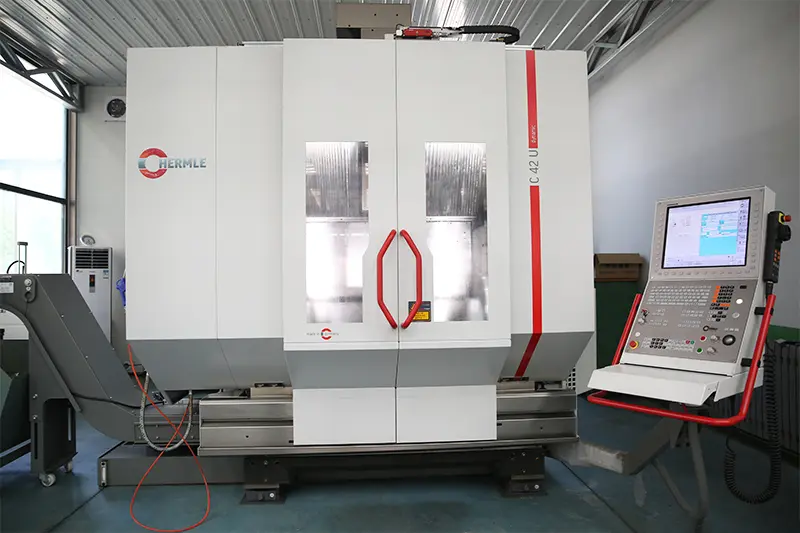
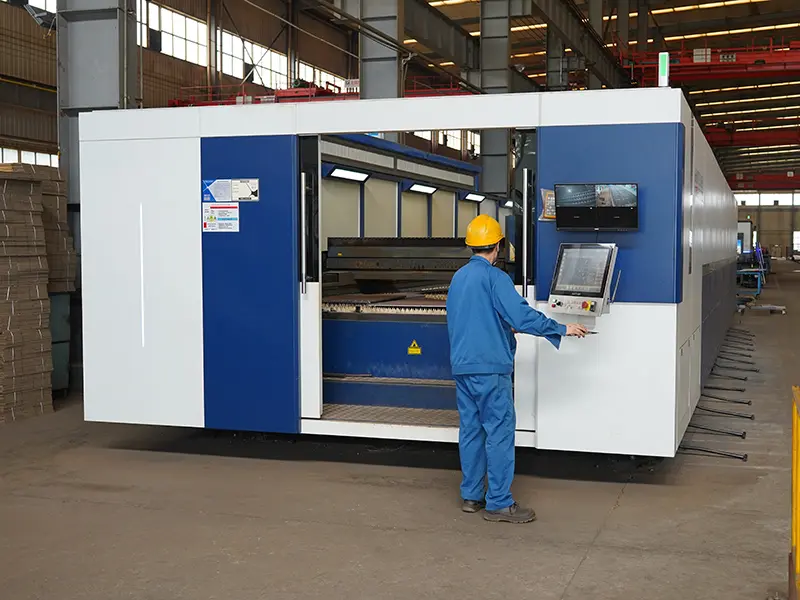
Quality assurance is backed by nearly 100 sets of imported metrology instruments, including three-axis measuring machines, ultrasonic flaw detectors, and full-load CAT (Computer Aided Testing) performance centers. These testing centers allow actual simulation of operating temperatures, pressure increments, and vibrations under load before shipping, protecting plant operations from catastrophic early-life failures.

Continuous biological wastewater treatment demands massive quantities of low-pressure air to support aerobic bacteria. ZhangGu's air foil bearing turbo blowers and magnetic suspension blowers deliver continuous, oil-free aeration. Their non-contact operations yield over 30% energy savings compared to traditional Roots blowers, dramatically cutting municipal utility expenses.
In chemical synthesis, zero-liquid discharge (ZLD) plants, and pharmaceutical production, Mechanical Vapor Recompression (MVR) processes reuse low-pressure steam. Our high-efficiency Steam Roots Compressors (VR Series) recompress vapor to elevate its enthalpy, recycling thermal energy back into the evaporators and saving millions in boiler operational costs.
Pneumatic fly-ash conveying systems and dry material handling processes rely on dependable pressure differentials. Zhangqiu Roots and centrifugal blowers provide steady volumetric airflow and pressure to transport heavy particulates along pipelines without clogging, reducing dust emission risk and manual cleanouts.
The industrial blower market is shifting rapidly from raw power to smart, highly optimized pneumatic output. Understanding these trends helps engineering teams future-proof their operations during long-term capital procurement cycles.
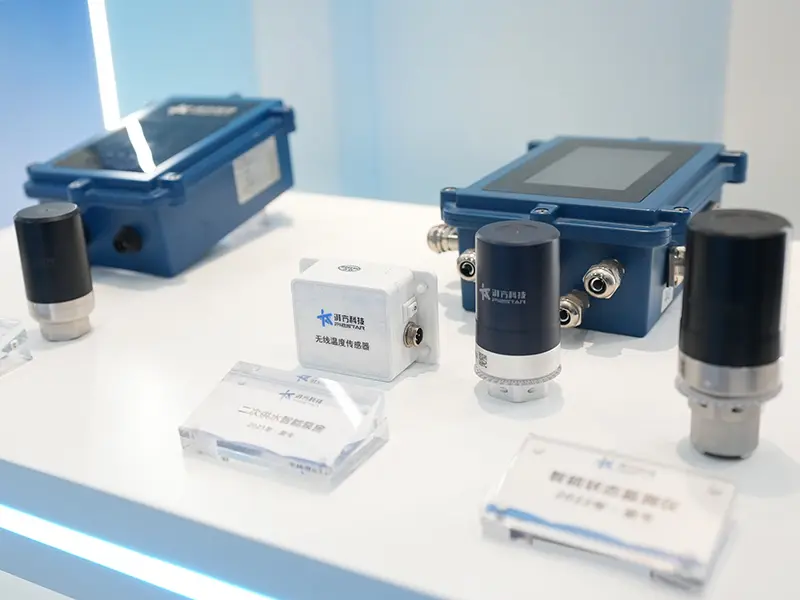
1. Shift to Intelligent Blowers: Integration of dynamic sensory arrays is becoming standard. Modern blowers feature temperature transducers, vibration sensors, and telemetry units that feed operating metrics back to centralized PLC units. Predictive maintenance algorithms use these analytics to identify bearing wear or impeller imbalances before they cause operational downtime.
2. Oil-Free Air Solutions: In food processing, pharmaceuticals, and microelectronics, even tiny amounts of oil mist can contaminate products or alter chemical reactions. Consequently, demand is rising for magnetic suspension and air foil bearing turbo blowers, which operate without lubricants and guarantee clean process air.
3. Decarbonization and Premium Efficiency: As energy costs rise and emission regulations tighten, operational efficiency is critical. Modern multi-stage centrifugal and turbo blowers are paired with IE5-rated permanent magnet motors, maximizing output per kilowatt of electricity consumed.
 Zhangqiu