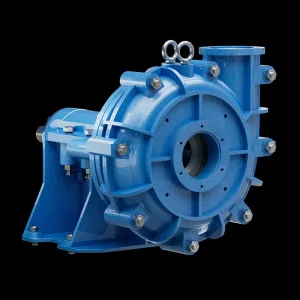
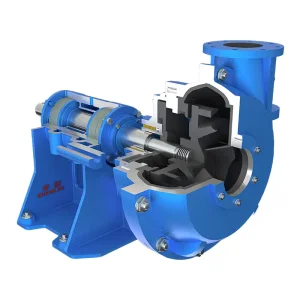
In heavy industries such as mining, mineral processing, sand and gravel extraction, and power generation, transporting highly abrasive solids suspended in liquids is an operational necessity. To handle these challenges, the industrial landscape demands specialized centrifugal pumps known as Slurry Pumps. Among these, Metal Casing Slurry Pumps stand out as the primary defense against harsh working environments. Unlike standard water pumps, slurry pumps are designed with extra-heavy wall sections, heavy-duty shafts, and highly specialized wear-resistant alloys.
Globally, the market for metal casing slurry pumps has experienced significant growth, driven by rapid urbanization, increased mineral extraction requirements (particularly for copper, gold, lithium, and iron ore), and high-volume industrial processing. High-chromium white iron alloys (such as ASTM A532 Class III Type A) are typically utilized to manufacture these casing assemblies. These alloys possess excellent hardness and wear resistance properties. When selecting between elastomer (rubber) and metal casing linings, engineering standards state that metal casings are superior for high-head applications, larger particle sizes, and conditions where operating pressure exceeds the limits of elastomer liners.
| Parameter | High-Chrome Metal Casings | Elastomer / Rubber Liners | Ceramic Materials |
|---|---|---|---|
| Hardness (Vickers) | 600 - 800 HV | Soft elastic properties | 1200 - 1500 HV |
| Max Particle Size | Unrestricted (Large Rocks) | < 6.5 mm (Abrasive Fines) | Small to Medium Particles |
| Max Head Capability | High Head (> 90m per stage) | Medium Head (< 60m per stage) | Medium Head |
| pH Range Suitability | pH 5 - 12 (Alloy Dependent) | pH 2 - 13 (Highly Resistant) | pH 1 - 14 (Excellent) |
The global procurement strategy for heavy slurry pumps focuses on minimizing the Total Cost of Ownership (TCO). While initial investment costs are important, maintenance, downtime, and energy consumption account for over 85% of a pump's lifetime cost. As a result, selecting robust metal casing systems from reliable manufacturers is a critical decision for global engineering procurement teams.
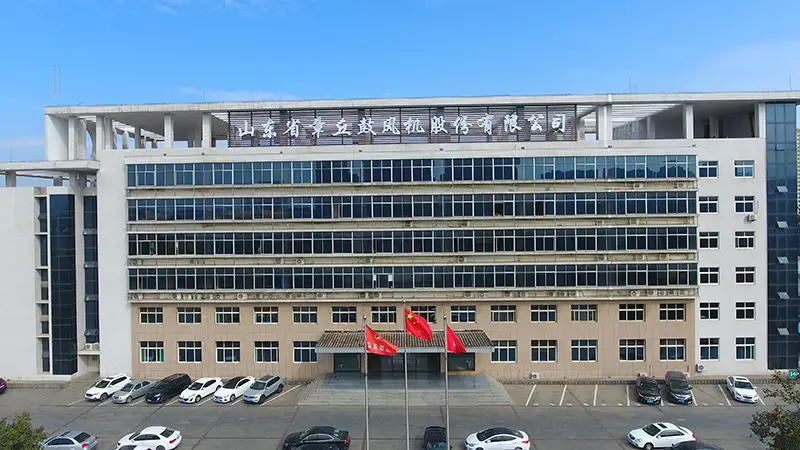
China's manufacturing sector has transitioned from a cost-driven base to a high-technology, high-precision engineering hub. Shandong Zhangqiu Blower Co., Ltd. (ZCBC) is a prime example of this change. Established in 1957 (formerly known as Shandong Zhangqiu Blower Works), the company offers over 50 years of experience in design, testing, and production across multiple industrial disciplines.
Listed on the Shenzhen Stock Exchange since July 7, 2011 (Stock Code: 002598), ZCBC operates a state-of-the-art industrial park covering 430,000 square meters. In 2020, the company achieved an operating income of 1.5 billion yuan, demonstrating its market presence and financial stability.
ZCBC maintains specialized research and development centers in Beijing, Shanghai, Shijiazhuang, and Wuxi. This network employs a team of engineers, technical experts, and researchers who hold state council and municipal government allowances. The company utilizes a Product Lifecycle Management (PLM) system, Computer-Aided Design (CAD), Computer-Aided Manufacturing (CAM), and Computer-Aided Process Planning (CAPP) to maintain high precision and shorten design-to-production cycles.
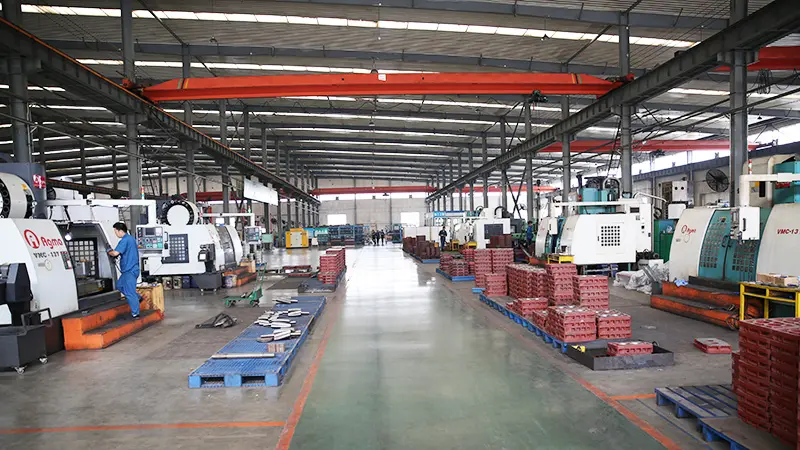
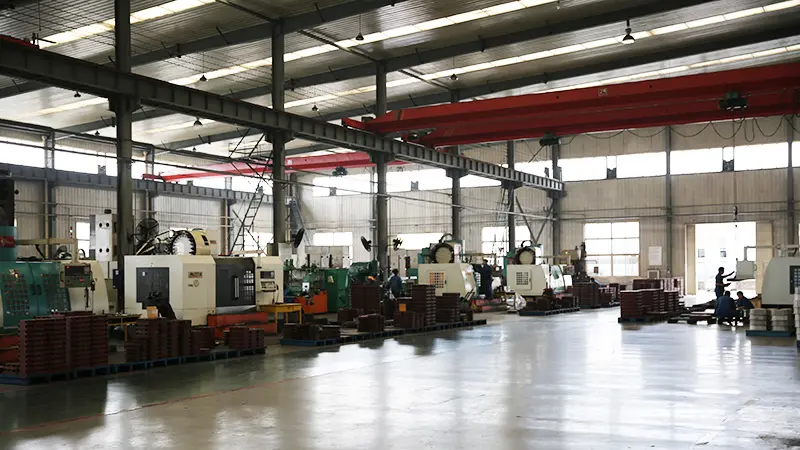
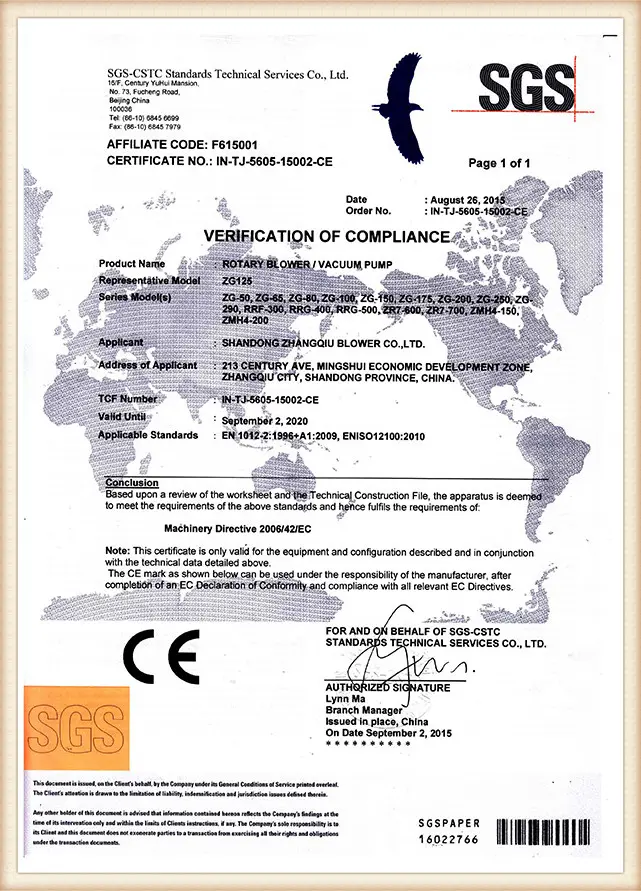
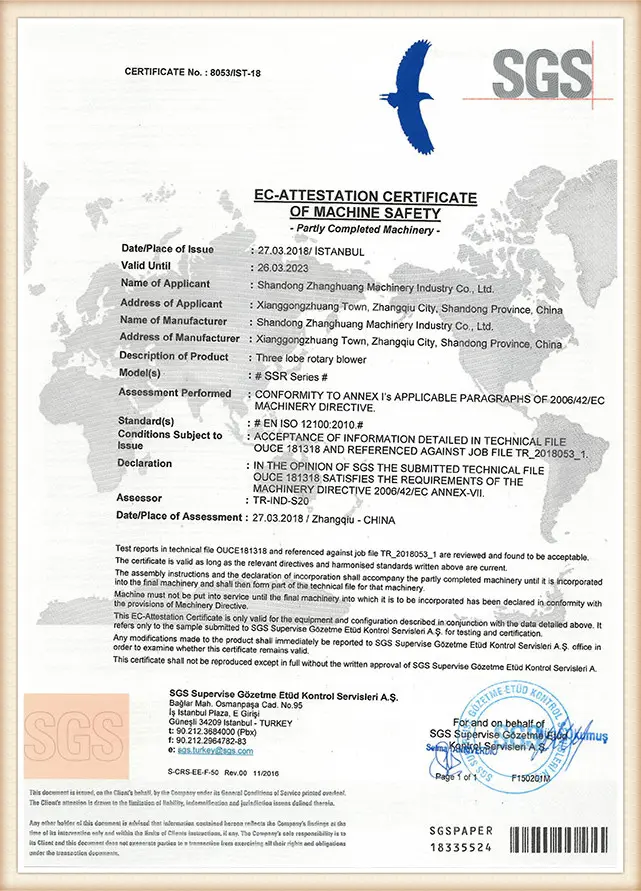
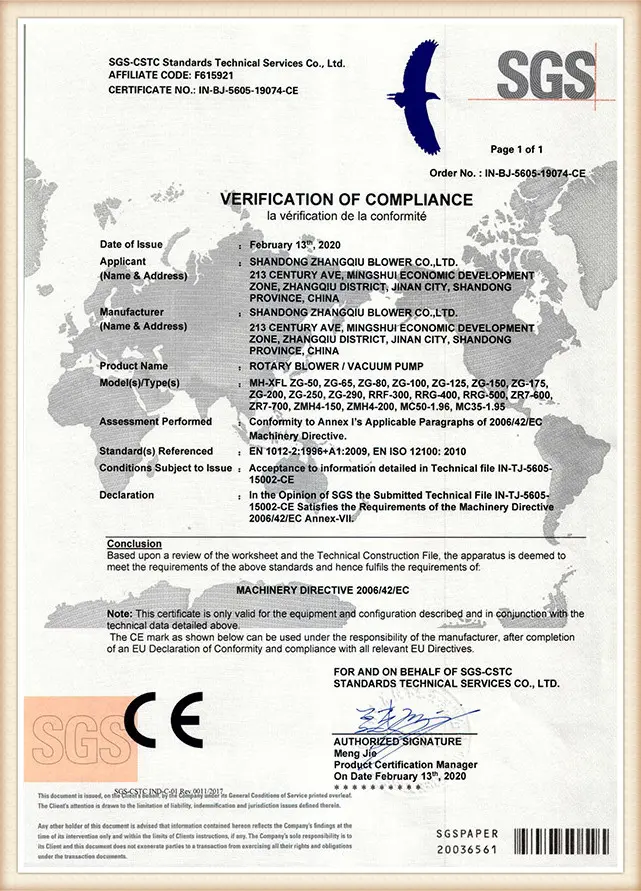
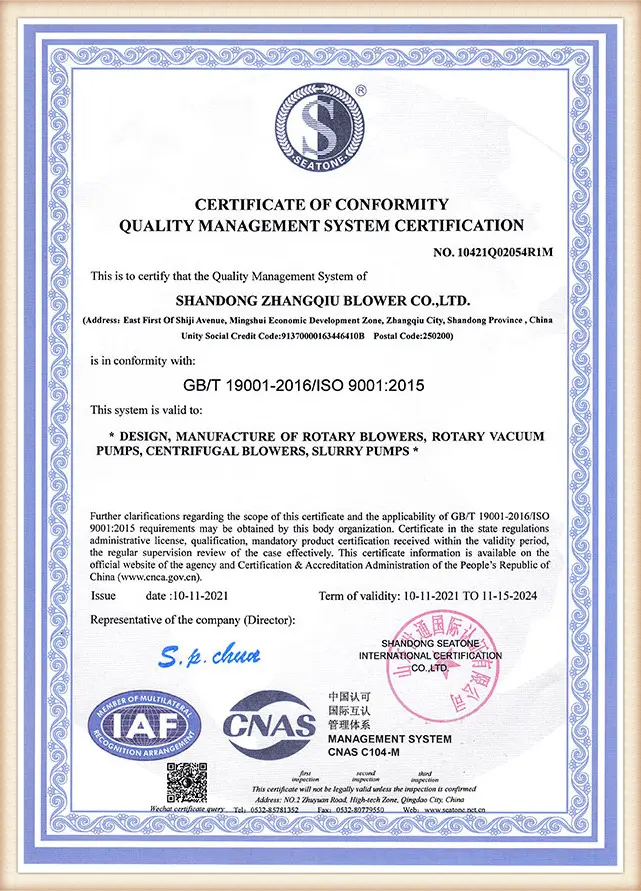
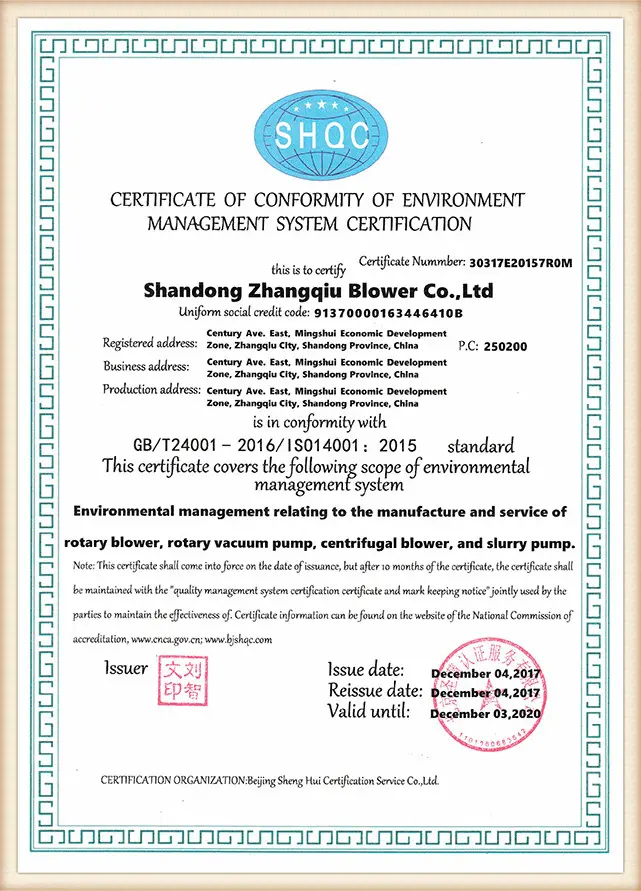
The manufacturing facilities feature nearly 100 sets of advanced machinery imported from Japan and Germany. This includes five-axis CNC machining centers, three-axis measuring instruments, and ultrasonic flaw detectors. Combined with certifications such as ISO9001 (Quality Management), ISO14001 (Environmental Management), ISO50001 (Energy Management), and CE, ZCBC ensures that every metal casing pump components meet international standards.
Furthermore, the company's design teams can deliver custom 3D CAD designs within 24 hours based on customer-submitted operating criteria, drawings, or sketches. This rapid feedback loops significantly reduces lead times for complex mining or environmental engineering projects.
Slurry pump design is highly site-specific. Selecting the appropriate configuration requires careful consideration of the physical environment, fluid dynamics, and wear mechanisms. The following are primary applications for metal casing slurry pumps:
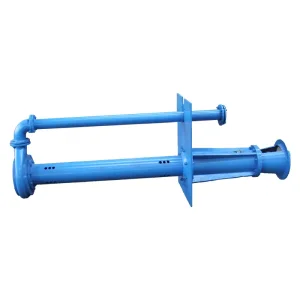
Underground sumps and open pits frequently collect abrasive runoff containing gravel, ore chips, and drill cuttings. In these settings, Vertical Submerged Slurry Pumps are often utilized. These pumps are installed directly into the sump, removing the need for external priming systems. Their metal casing provides excellent resistance against sliding abrasion caused by coarse solids settling in the pit.
In mineral concentration plants, flotation cells introduce air bubbles to separate valuable minerals from gangue. This process creates a stable, viscous froth that can air-bind standard centrifugal pumps. To address this, specialized Foam Slurry Pumps are implemented. Featuring large conical inlets, internal air-venting designs, and high-chrome metal casings, these pumps effectively break down the foam structure and ensure consistent slurry flow.
Coal-fired power plants use limestone slurry to neutralize sulfur dioxide emissions. The resulting gypsum slurry is both abrasive and highly corrosive. ZCBC's manufacturing processes adapt to these demands by using customized duplex stainless steel alloys or specialized high-chrome castings. These materials resist the synergistic effects of corrosion and abrasive wear, ensuring continuous operation.
The industrial pump sector is currently experiencing a technological transformation driven by digitalization, material science, and sustainability. Key trends include:

Procurement managers and lead design engineers evaluating high-chromium metal casing slurry pump manufacturers should consider the following criteria to ensure system reliability:
A: Metal casing slurry pumps, manufactured from high-chromium alloys, are designed to handle larger solid particle sizes, higher discharge heads, and higher pressure levels than rubber or elastomer alternatives. They also perform better in high-temperature applications where elastomer materials degrade.
A: Higher slurry density increases the motor power requirements and reduces the pump's overall hydraulic efficiency. Procurement teams must adjust standard water performance curves using correction factors based on the specific gravity (SG) of the solid-liquid mixture.
A: Yes. ZCBC's engineering department utilizes PLM and CAD/CAM technologies to create retrofitted parts and customized pump designs that match existing footprint, piping alignments, and performance requirements. 3D drawings can be provided within 24 hours.
A: Standard parts are typically available from stock. For custom designs or specialty alloys, ZCBC's manufacturing footprint (including facilities in Wuxi, Dongguan, Chenzhou, and Jinchang) allows for rapid pattern creation and casting production, ensuring quick delivery times.
 Zhangqiu