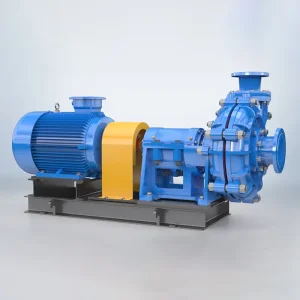
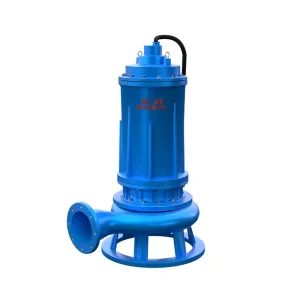
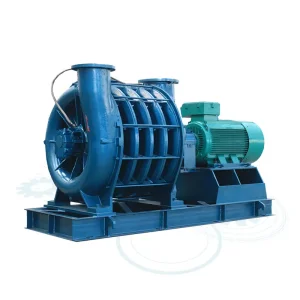
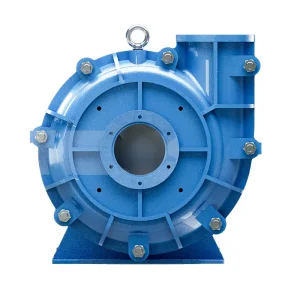
High-reliability engineering solutions configured for aggressive wear and high-efficiency air/fluid transportation.
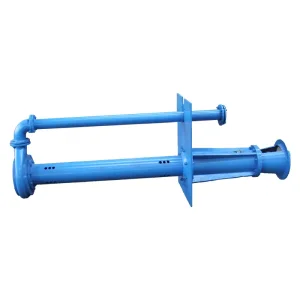
The global mineral processing sector has entered a critical era characterized by declining ore grades, deeper mines, and complex mineralogies. Processing plants are required to handle larger volumes of rock, resulting in a dramatic increase in high-density, highly abrasive slurries. Under these extreme conditions, slurry pumps are not merely auxiliary components; they are the heart of the mill, flotation, and tailings disposal systems.
In North America, South America (such as the massive copper operations in Chile and Peru), and the mineral-rich regions of Australia, mining operations face immense pressure to minimize total cost of ownership (TCO) and avoid downtime. Standard pumps fail rapidly in high-wear environments, pushing global demand toward specialized heavy-duty slurry pumps constructed with advanced metallurgy and wear-resistant ceramics.
The modern slurry pump must offer a delicate balance of hydraulic efficiency, long-term mechanical reliability, and ease of maintenance. With strict global environmental mandates regarding tailings storage facilities (TSFs) and water recycling, slurry pumps are now tasked with handling ultra-high-density slurries and thickened paste, necessitating state-of-the-art engineering designs and robust pressure capacities.
Volume Amplification: Depleted ore grades mean processing plants must pump up to 30% more material to recover the same amount of target mineral.
Decarbonization: Reducing energy usage in mineral processing drives manufacturers to run advanced CFD simulations, improving hydraulic pump efficiency by up to 5%.
Materials Science: Ceramic composites (like Silicon Carbide matrix) are displacing traditional high-chrome iron alloys in low-impact, highly abrasive circuits.
A public listed heavy-machinery powerhouse (Stock Code: 002598) with over 50 years of engineering pedigree.
Established as a leading enterprise in the heavy machinery sector, Shandong Zhangqiu Blower Co., Ltd. (formerly Shandong Zhangqiu Blower Works) has amassed over 50 years of fluid handling, blower design, and manufacturing expertise. In 2011, ZCBC marked a major milestone by listing on the Shenzhen Stock Exchange (Stock Code: 002598), cementing its status as an elite industrial manufacturer.
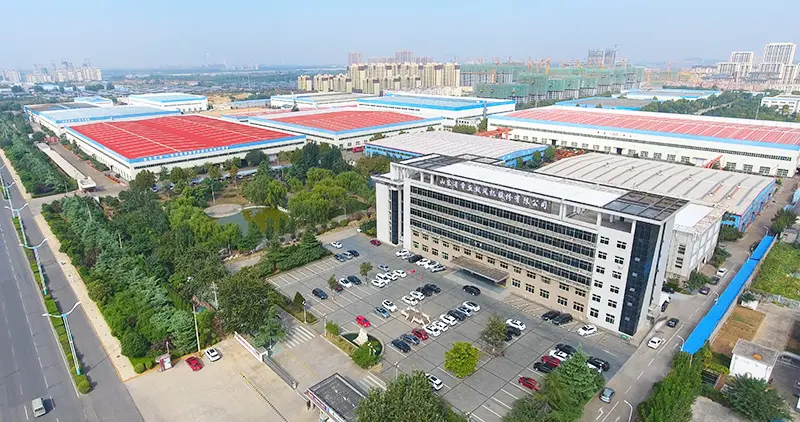
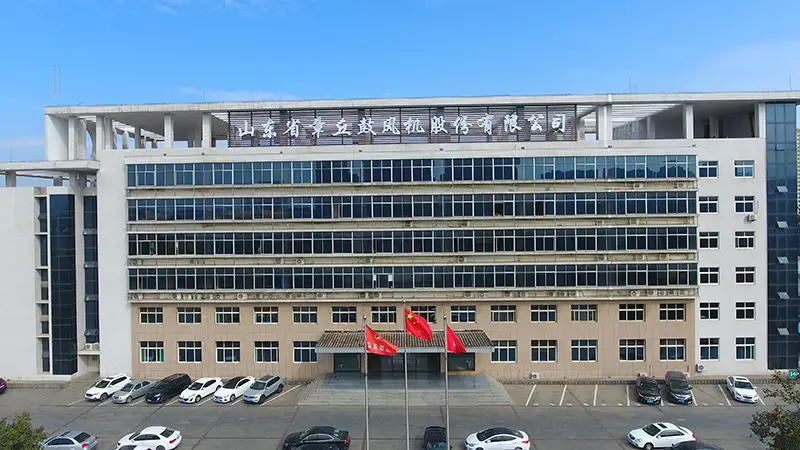
With a state-of-the-art modern industrial park covering 430,000 m², ZCBC operates four specialized manufacturing bases across Jiangsu Wuxi, Guangdong Dongguan, Hunan Chenzhou, and Gansu Jinchang. Additionally, we run four dedicated R&D centers in Beijing, Shanghai, Shijiazhuang, and Wuxi. This geographical footprint ensures rapid engineering support and prompt product delivery worldwide.
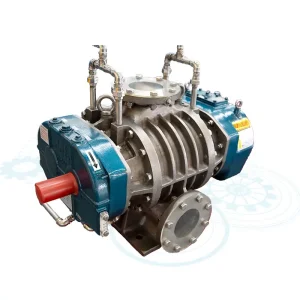
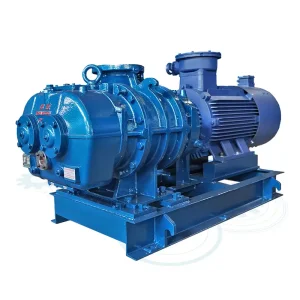
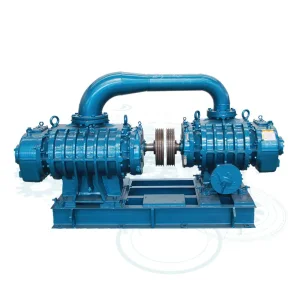
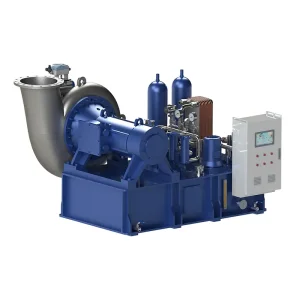
ZCBC has expanded its operations globally by establishing two Sino-Japanese joint ventures and a USA branch, making us the pioneer in China's blower and heavy fluid equipment industry to build overseas operations. Our diversified portfolio includes Roots blowers, centrifugal blowers, industrial slurry pumps, pneumatic conveying systems, and environmental water treatment engineering services.
The efficiency of China's heavy industrial manufacturing is built on integrated supply chains, high-precision automation, and strong government-backed engineering standards. At ZCBC, we run the world's most advanced product lifecycle management (PLM) systems alongside computer-aided manufacturing (CAM), process design (CAPP), and testing (CAT) technologies.
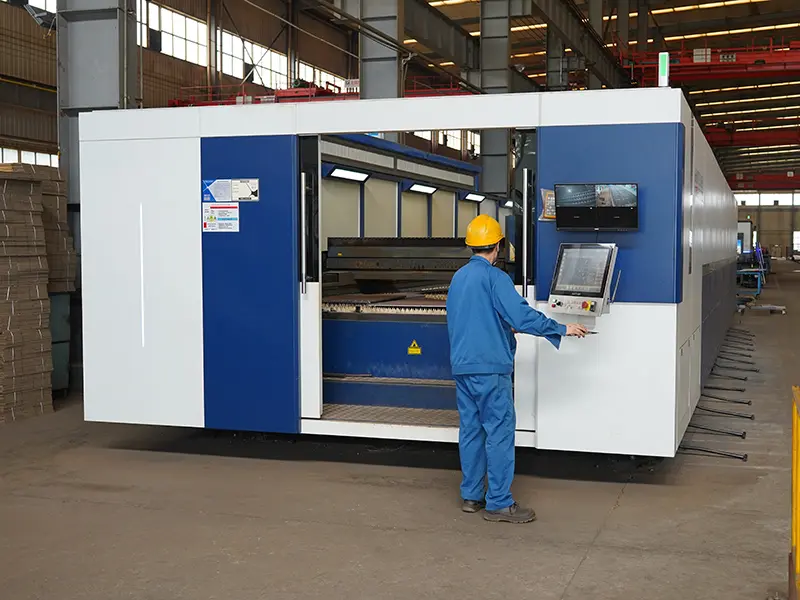
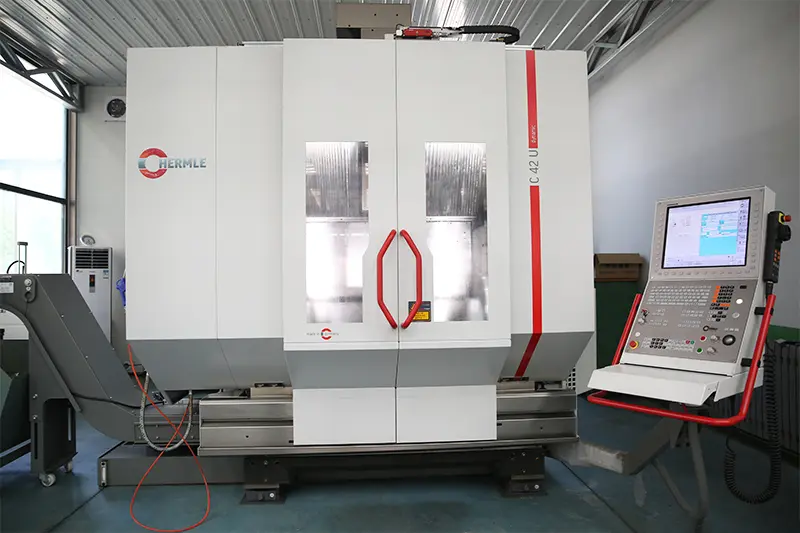
Our facilities are equipped with nearly 100 sets of advanced processing and testing equipment, including CNC machining centers, five-axis machining centers, three-dimensional coordinate measuring instruments, and ultrasonic flaw detectors imported from Japan and Germany. This high level of machining precision minimizes structural defects in high-chrome pump impellers and casings, reducing internal flow separation and increasing overall hydraulic efficiency.
Furthermore, our close partnerships with elite universities like Tsinghua University, Xi'an Jiaotong University, and the China University of Mining and Technology allow us to quickly convert advanced fluid mechanics research into durable industrial products. This vertical integration—from design and metallurgy to testing and support—enables us to supply complete pump systems and 3D CAD design drawings within 24 hours of customer request.
Understanding how customized hydraulics and advanced ceramics resist extreme mechanical wear.
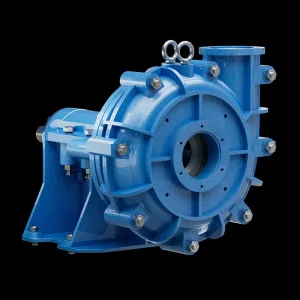
Discharge circuits handle high-density slurries containing large crushed rocks up to 10mm or more. For these environments, ZCBC provides heavy-duty alloy pumps (using high-chrome Cr27/Cr30 metallurgy) with variable-speed drives to balance wear rates and fluctuating flow rates.
Flotation feeds often contain acidic or alkaline chemical reagents. Here, traditional high-chrome pumps suffer from corrosion-accelerated wear. ZCBC's ceramic slurry pumps, utilizing a sintered silicon carbide (SiC) matrix, deliver 3-5 times the service life of metal alloys.
Transporting high-density tailings over long distances requires multi-stage series pump setups. ZCBC engineers custom impeller trims and expeller seals to handle high back-pressures, prevent casing leaks, and reduce clean flush-water requirements.
Meeting international mining safety, quality, and environmental certification standards.
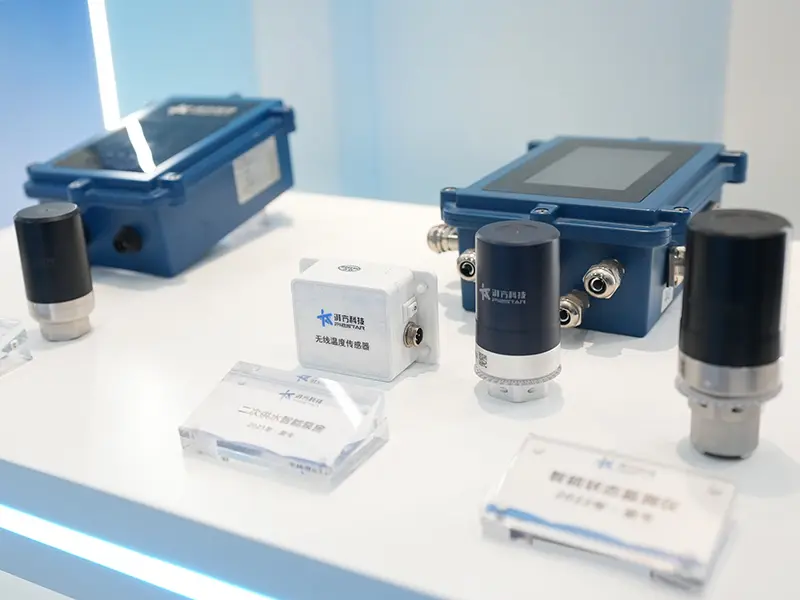
The global slurry pump market is moving rapidly toward intelligent monitoring and predictive maintenance. Slurry pumps are increasingly integrated with vibration sensors, bearing temperature probes, and pressure indicators. This sensor array transmits real-time data to control systems, allowing mine operators to detect cavitation, impeller wear, and seal failures before they cause unexpected downtime.
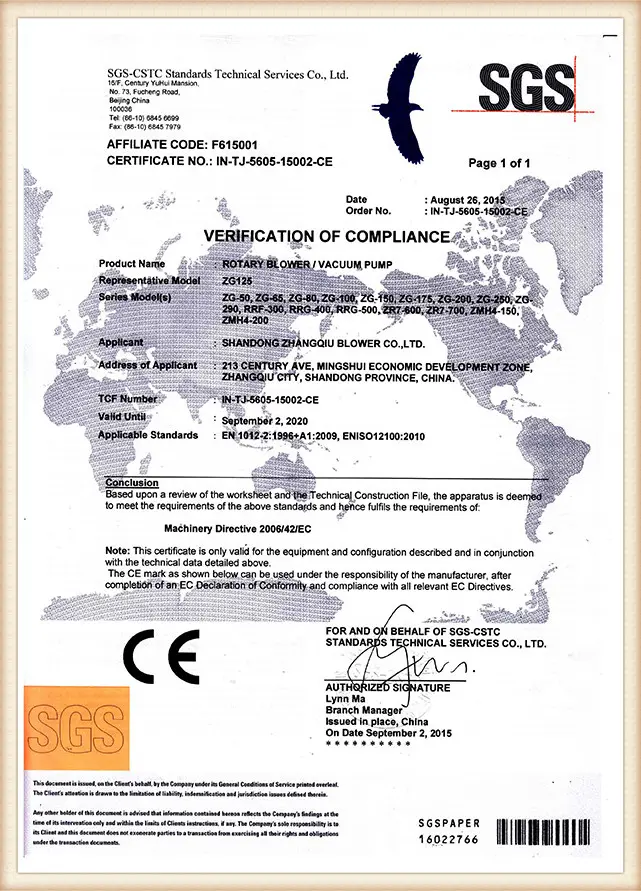
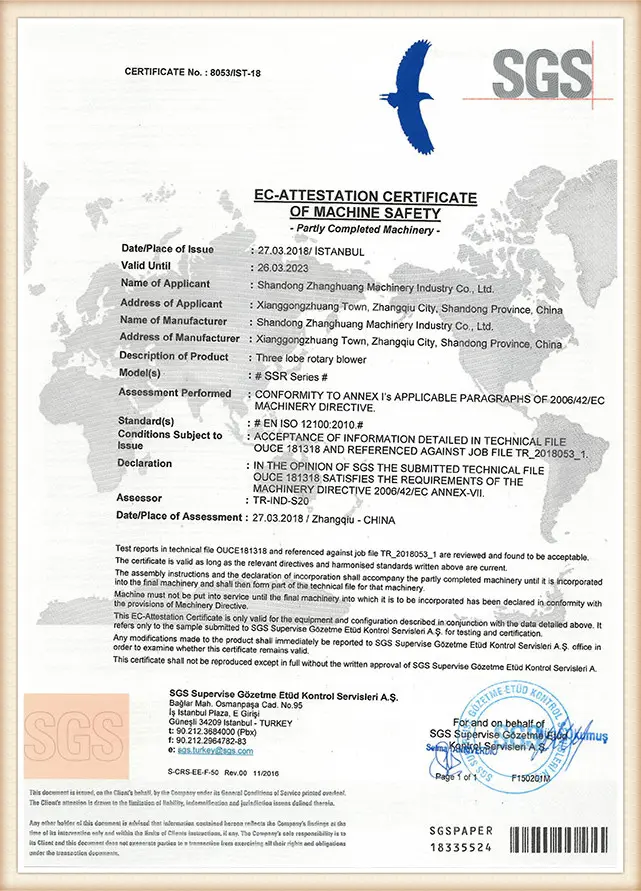
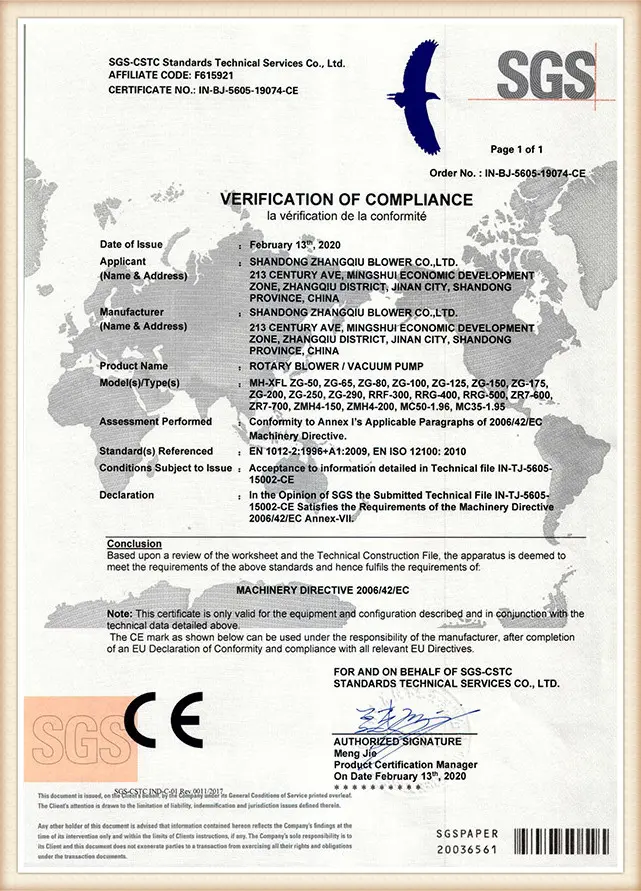
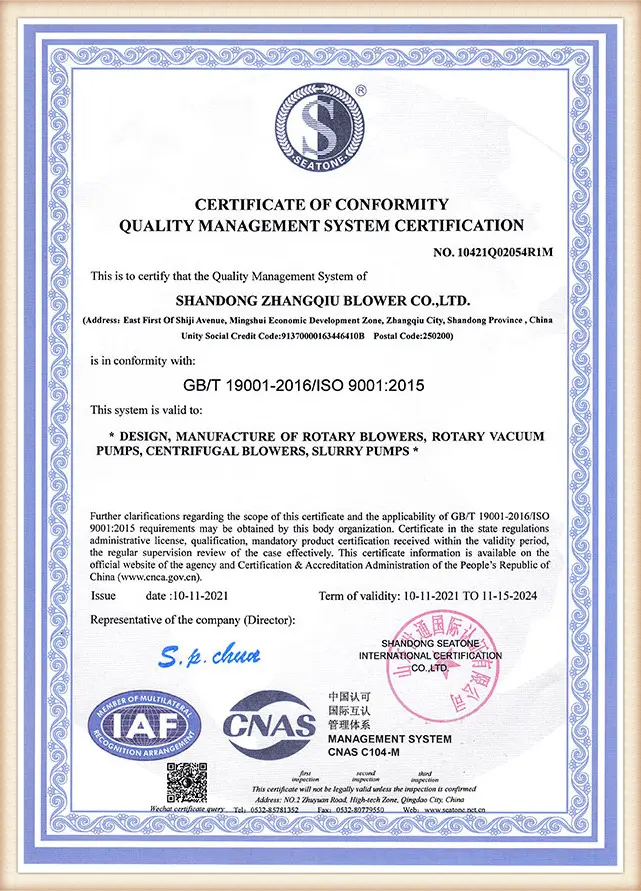
Furthermore, manufacturing standards have become more demanding. Shandong Zhangqiu Blower Co., Ltd. holds a comprehensive set of international certifications. Our quality management systems are certified to ISO9001, our environmental safety conforms to ISO14001, and our energy management systems align with ISO50001. Additionally, our industrial pumps hold the CE Certification and the Safety Mark for Mining Products, permitting their use in demanding, high-risk mining areas.
ZCBC holds over 69 patents, including 5 invention patents and 2 software copyrights. Our key technological innovations include anti-sticky wear liners, noise reduction casings, and advanced mechanical seal assemblies. These proprietary developments help us maintain high-efficiency operations in demanding environments.
Key development phases highlighting ZCBC's growth into a globally active manufacturer.
Our new leadership team, led by Chairman Fang Rungang, formulated the long-term growth strategy: "Develop the main business, pioneer new fields, and innovate to build a great company."
ZCBC relocated to a modern, high-standard industrial park covering 430,000 m², laying the physical foundation for larger-scale manufacturing, international partnerships, and faster product development.
ZCBC listed on the Shenzhen Stock Exchange (Stock Code: 002598). This public listing enhanced our corporate governance and provided additional capital for technical research and manufacturing expansions.
Annual operating income reached 1.5 billion yuan, supported by our 20 holding companies, 4 domestic manufacturing bases, and 4 specialized R&D centers across China.
Visualizing the scale of ZCBC's manufacturing infrastructure and quality control systems.
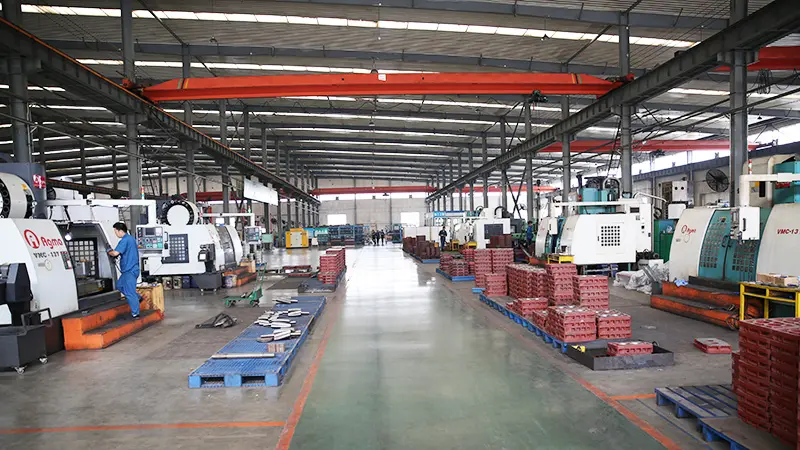
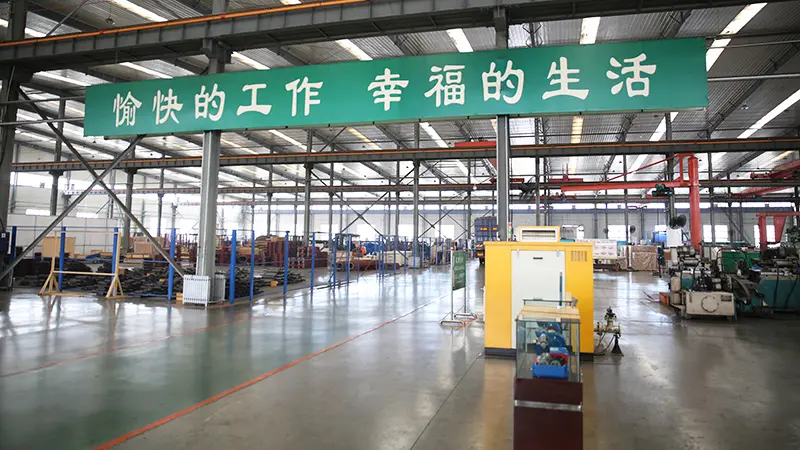
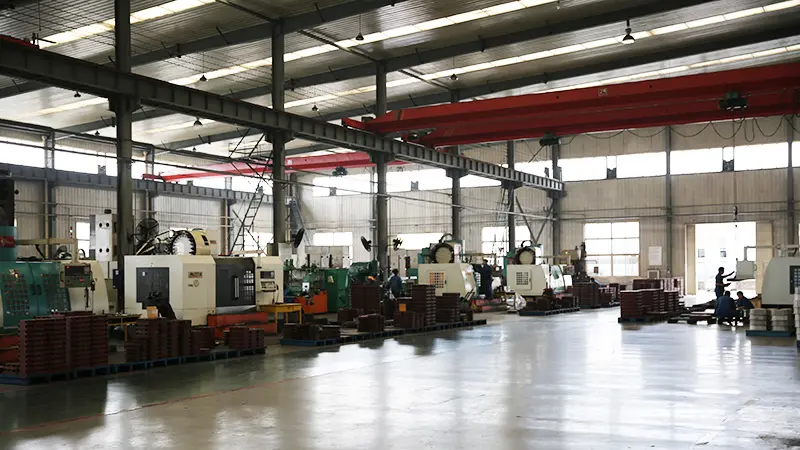
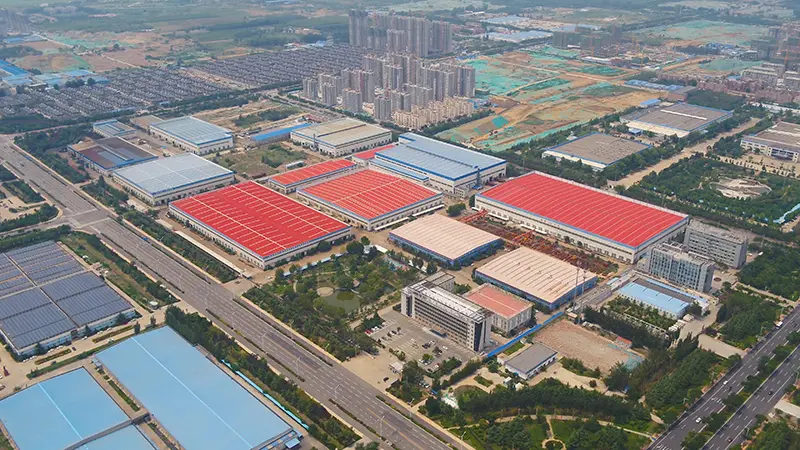
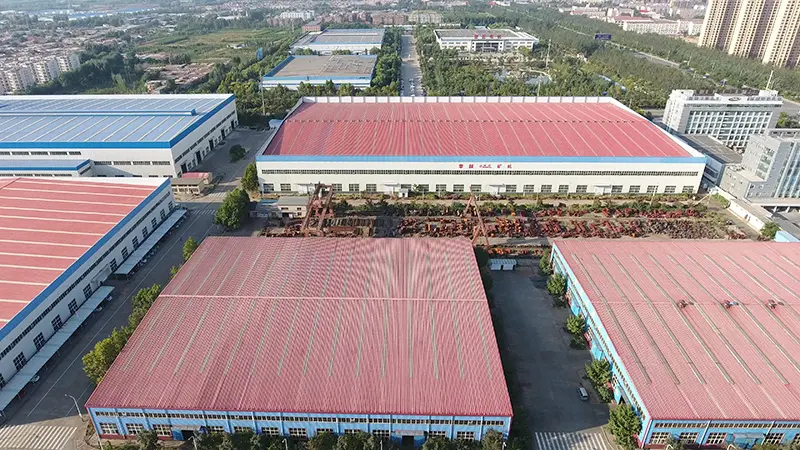

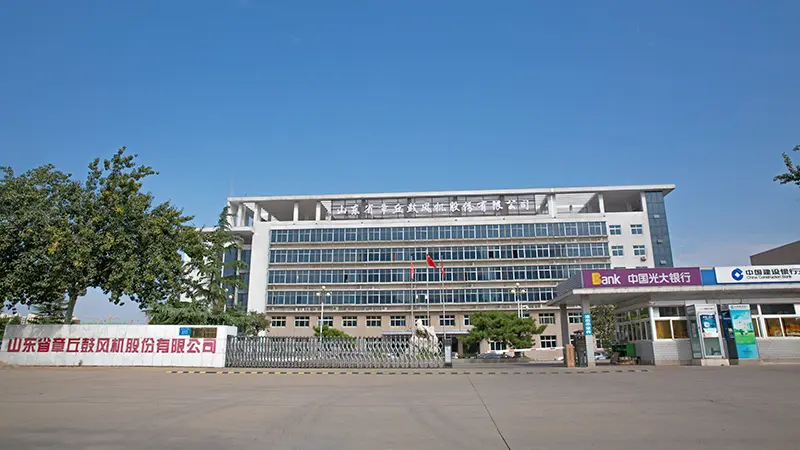
Our processing capabilities are key to producing highly durable pump systems. With our five-axis machining centers, three-axis coordinate measurement equipment, and ultrasonic flaw testing systems, we maintain precise dimensional tolerances. This precision minimizes hydraulic losses, reduces vibration, and helps prolong the operational lifetime of our wet-end components.
Addressing common technical, procurement, and maintenance questions from pump engineers and site managers.
Slurry pump materials are selected based on the abrasion levels, corrosion levels, and impact conditions of the slurry. The two main classes are:
The d50 value represents the median particle diameter in the slurry. Larger d50 values indicate coarser solids, which increase wear rates on impellers and volute liners due to higher kinetic energy impacts. Coarser slurries require high-impact alloy metals, whereas finer slurries (smaller d50) with acidic or alkaline water are better suited for ceramic liners, which resist sliding wear.
If the Net Positive Suction Head Available (NPSHa) falls below the NPSH Required (NPSHr) by the pump, cavitation occurs. The formation and collapse of vapor bubbles generates localized micro-jets that pit the impeller surface. In slurry systems, cavitation accelerates mechanical abrasion, leading to rapid component failure. Designing intake piping to minimize friction losses and positioning the pump to maximize NPSHa are essential for extending service life.
Metal alloys rely on structural hardness to resist abrasion but are vulnerable to acidic or alkaline corrosion, which strips away the protective metal oxide layer. Silicon Carbide (SiC) ceramic liners are chemically inert across a broad pH range and have high material hardness. In fine-particle processing, flotation, and chemical transport, ceramic slurry pumps can last 3 to 5 times longer than high-chrome metal alloys.
Selecting the appropriate shaft seal helps prevent slurry leaks and limits water consumption:
To provide an accurate pump selection and quote, our engineering team requires:
High-specification wear liners, ceramic pumps, and energy-efficient blowers for industrial processing.
 Zhangqiu