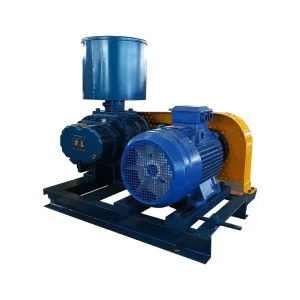
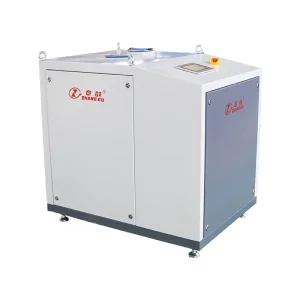
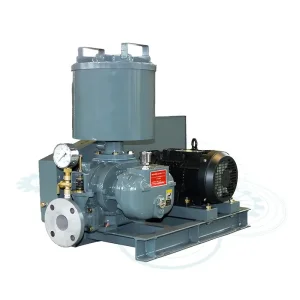
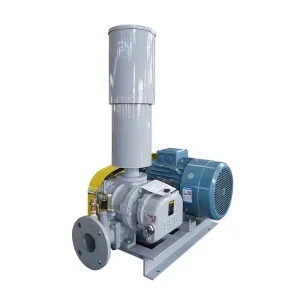
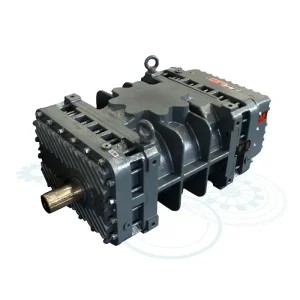
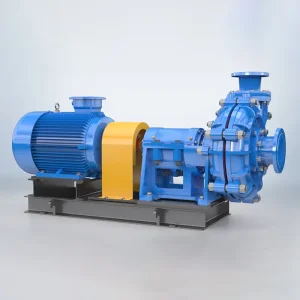
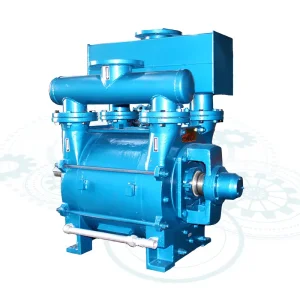
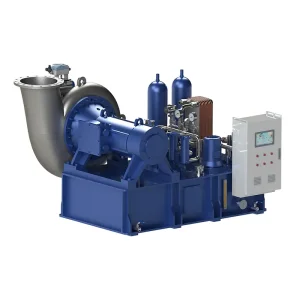
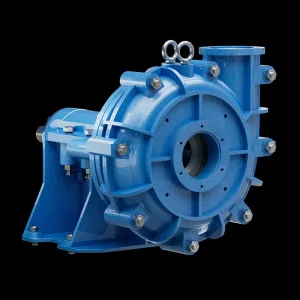
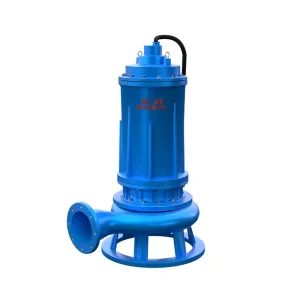
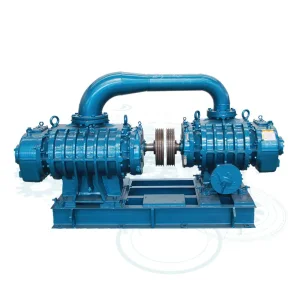
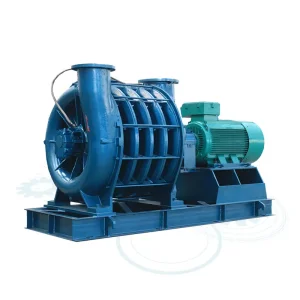
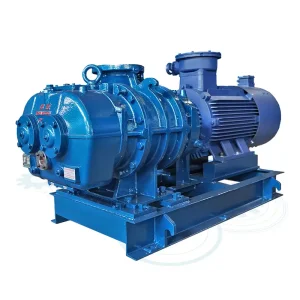
Within modern heavy industrial processing, the integration of solid-liquid classification machinery demands exceptional hydro-transport systems. The screening system slurry pump serves as the vital link within industrial circuits. It circulates high-gravity, highly abrasive particulate materials to hydrocyclones, vibrating screens, and mechanical classifiers. Elevating this component beyond basic mechanical function requires a profound understanding of fluid dynamics, material science, and mechanical structural integrity.
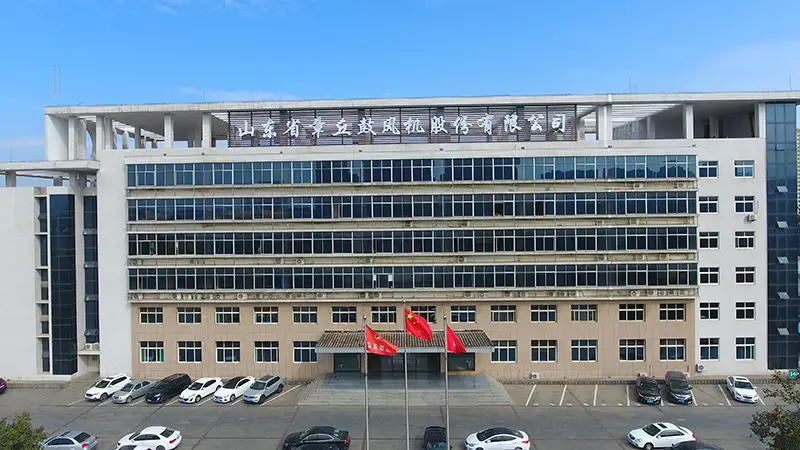
As a key division of Shandong Zhangqiu Blower Co., Ltd. (ZCBC), our organization draws on more than 50 years of robust design, manufacture technology, and operational experience. Transitioning from the historical Shandong Zhangqiu Blower Works, we have developed into a publicly listed powerhouse on the Shenzhen Stock Exchange (Stock Code: 002598). We stand as a leading enterprise in the industry, continuously shaping standard operational practices across China and the global stage.
Understanding the critical role of slurry transport systems across global extraction and purification supply chains.
Within dense mineral processing circuits, slurry pumps must feed classifiers and cyclones at highly stable velocities to prevent segregation. Our specialized pump systems, including the famous TZJ and TZJK-TD ceramic series, minimize turbulence. This ensures that the particle distribution remains uniform, maximizing recovery rates of target minerals.
Flue Gas Desulfurization (FGD) systems subject pumps to both highly abrasive gypsum slurries and acidic, chloride-rich environments. The engineering choice of high-strength alloys and specialized elastomers prevents premature degradation of internal pump wet parts, securing uninterrupted power generation operations.
In modern coal preparation, slurry pumps transport a mixture of magnetite, water, and raw coal. Achieving precise separation requires constant head pressures. Our advanced hydraulic designs optimize wear patterns, preventing pressure drops over extended campaigns, thereby lowering maintenance costs per ton of clean coal.
Across the globe, industrial processors face intensifying regulatory and environmental constraints. With two Sino-Japanese Joint-ventures and an established USA branch, ZCBC became the first company in China's blower and pump industry to plant localized service structures abroad. Modern heavy industries no longer buy standalone pumps. Instead, they require integrated, energy-efficient fluid transport configurations capable of minimizing total cost of ownership (TCO).
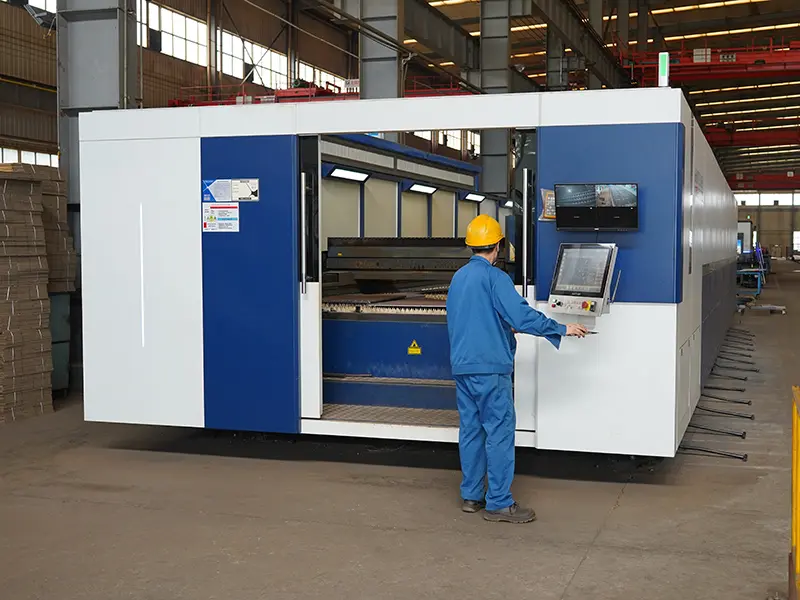
To produce the most reliable slurry pumps for classification screening systems, ZCBC has built state-of-the-art Research & Development facilities. Utilizing international manufacturing tools, we employ tools like 3D CAD modeling, Product Lifecycle Management (PLM), Computer-Aided Manufacturing (CAM), and Computer-Aided Process Design (CAPP) systems. This advanced design suite enables our teams to provide precise 3D drawings within 24 hours of customer requests.
Our key technological innovations focus on combating the primary causes of pump failure: abrasive wear and mechanical seal breakdown. ZCBC engineers have successfully patented and implemented:
Adapting advanced engineering to localized site conditions, extreme climates, and rigorous international safety certifications.
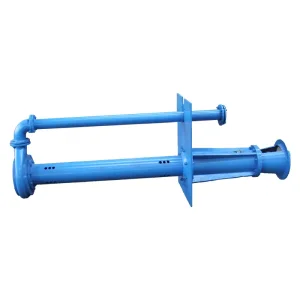
Vertical and submerged installations, such as our famous vertical and ZJQ submerged slurry pump lines, are tailored to clean up accumulated mine runoff containing high percentages of sand, grit, and ore debris from pits.
Processing phosphoric acid or titanium dioxide yields corrosive chemical slurries. Our TZJK-TD series Ceramic Slurry Pump provides the chemical inertia and mechanical hardness required to resist simultaneous wear and acidic corrosion.
Transporting underflow thickener products over long distances requires high-head staging. ZCBC slurry pumps maintain steady discharge rates, ensuring pipelines do not clog or experience water hammer failures.
In heavy industry, safety and reliability are non-negotiable. Shandong Zhangqiu Blower Co., Ltd. maintains a wide array of international certifications. Our manufacturing bases in Wuxi, Dongguan, Chenzhou, and Jinchang strictly follow ISO9001 Quality Management, ISO14001 Environmental Management, and ISO50001 Energy Management systems. Furthermore, our industrial machinery and blower products are fully certified with the Safety Mark for Mining Products, the CE Certification for European markets, and the national mandatory 3C Certification.
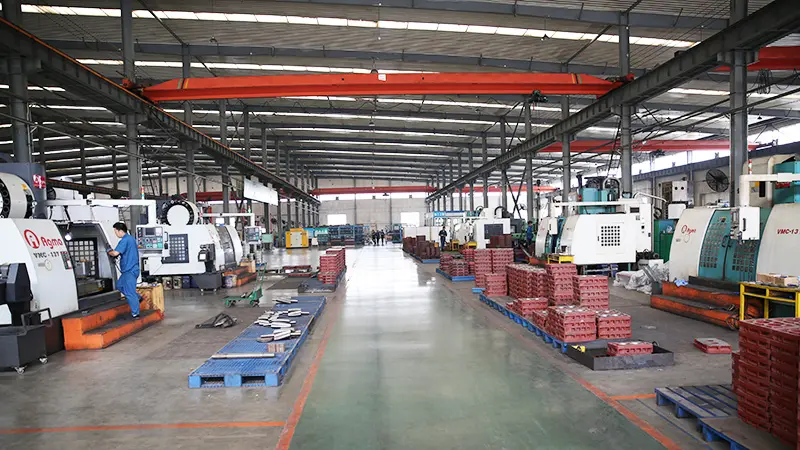
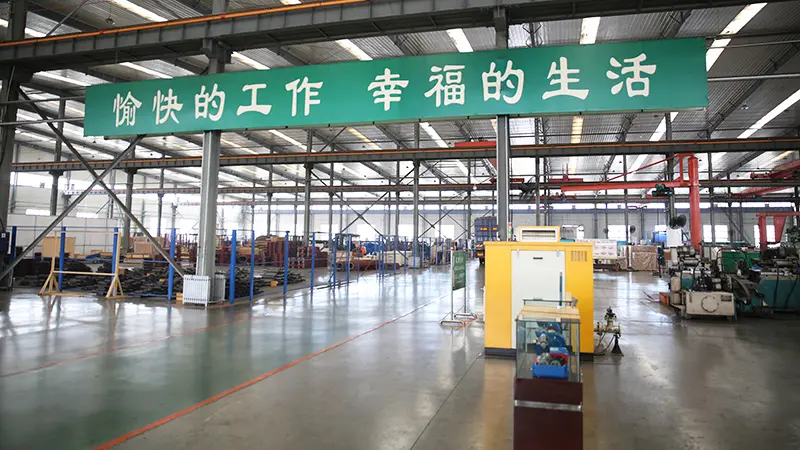
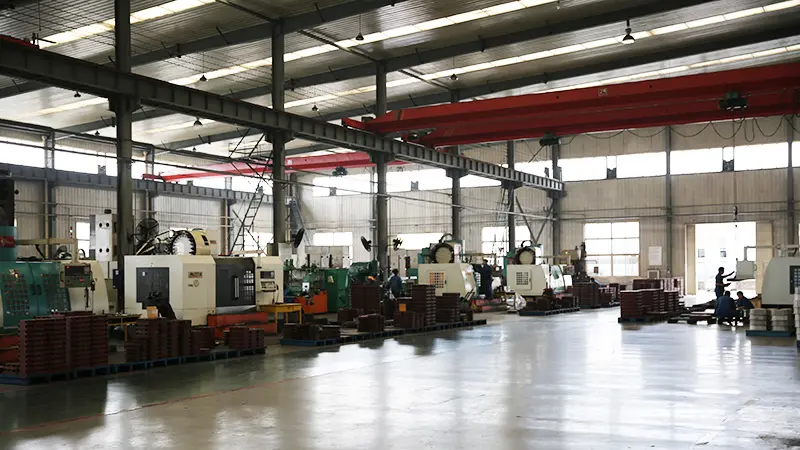
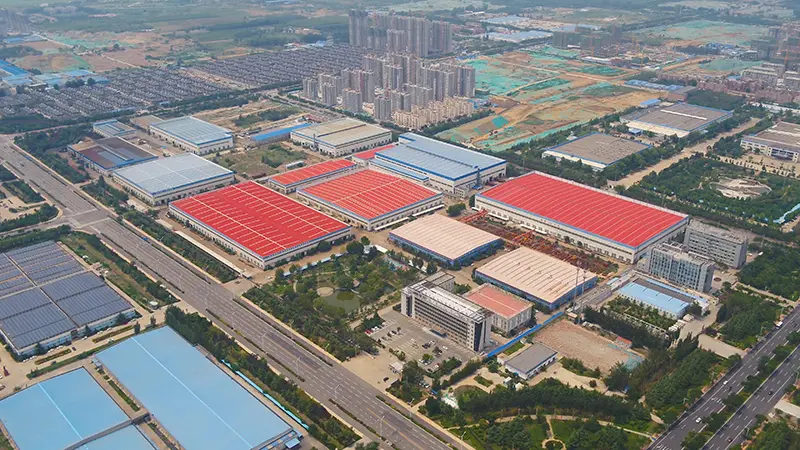
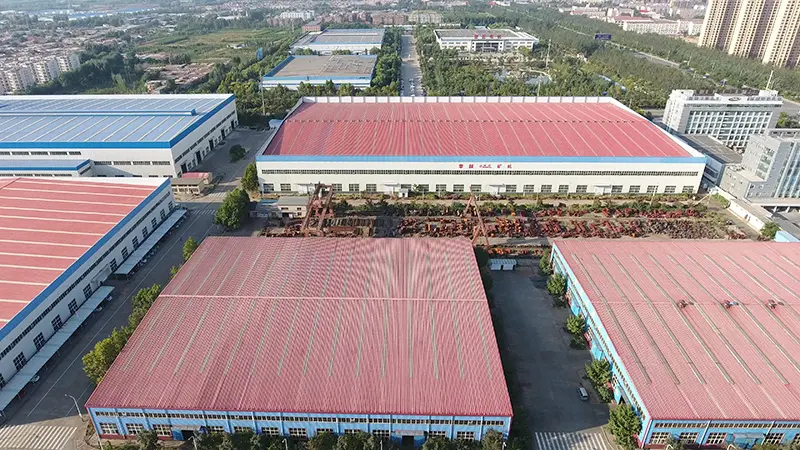
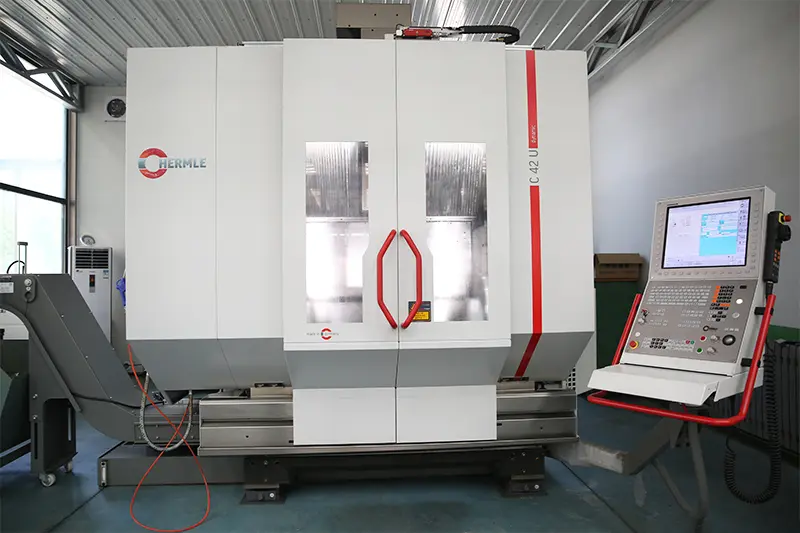
ZCBC operates in a newly built, high-standard modern industrial park spanning 430,000 square meters. Equipped with five-axis CNC machinery imported from Japan and Germany, we ensure precision engineering for every pump casing and impeller.
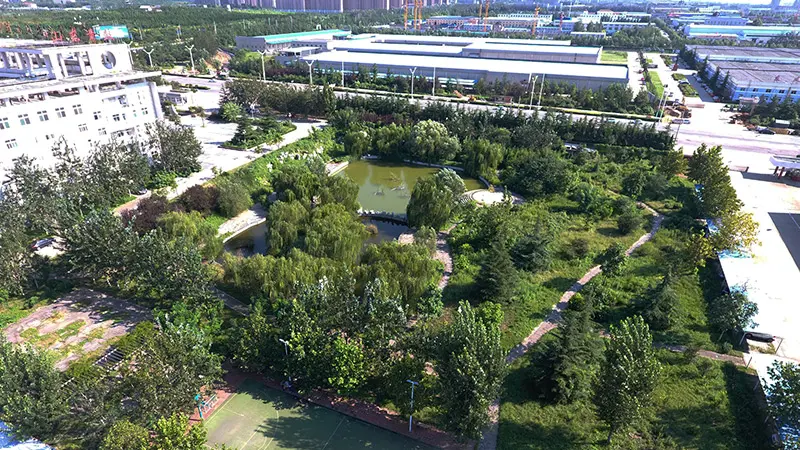
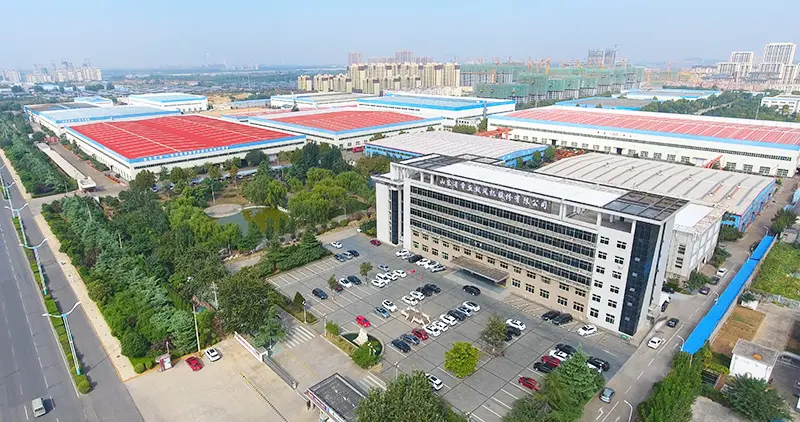
Looking ahead, the slurry transport sector is evolving toward smart, automated operation and higher eco-efficiency. ZCBC is leading this transformation by investing in research partnerships with top institutions, including Tsinghua University, Xi'an Jiaotong University, the China University of Mining and Technology, and Shandong University.
Our strategic technology roadmap focuses on three main pillars:
Professional insights from our Senior Engineering Team regarding slurry transportation and system optimization.
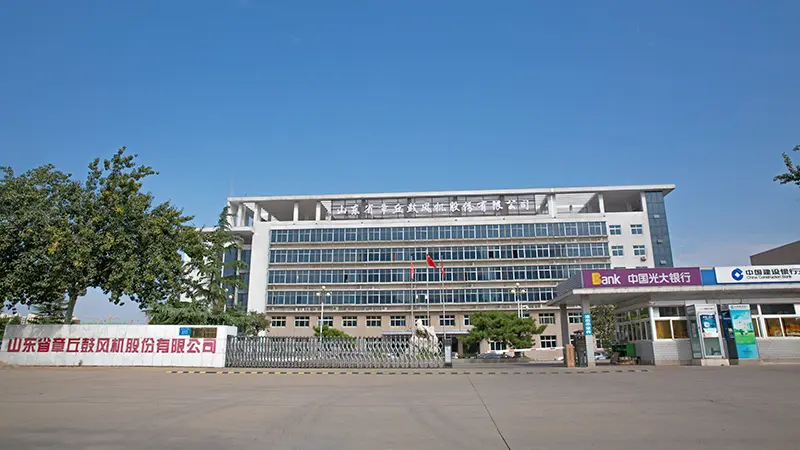
Under the guidance of our leadership team, ZCBC operates on the core principle: "Do it, do the best". This focus on quality drives our engineering and service teams. We maintain top-tier design teams, advanced production machinery, and strict quality control processes to ensure every pump and blower meets the highest standards.
We believe in a people-oriented approach, respecting knowledge and cultivating talent. ZCBC supports postgraduate research stations and works closely with leading academic institutions to continuously drive technical innovation. By valuing our team, we foster an environment of continuous improvement that directly benefits our global customers.
 Zhangqiu