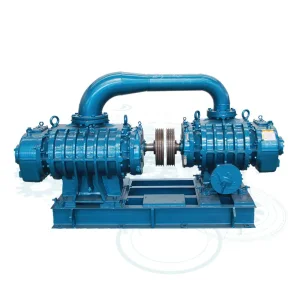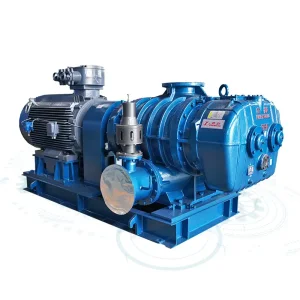
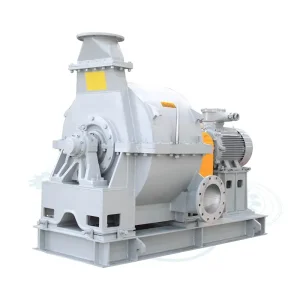
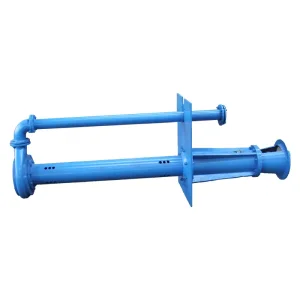
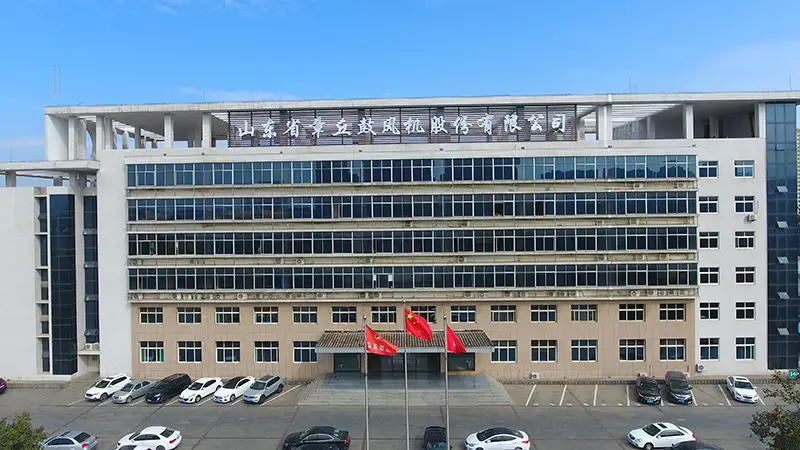
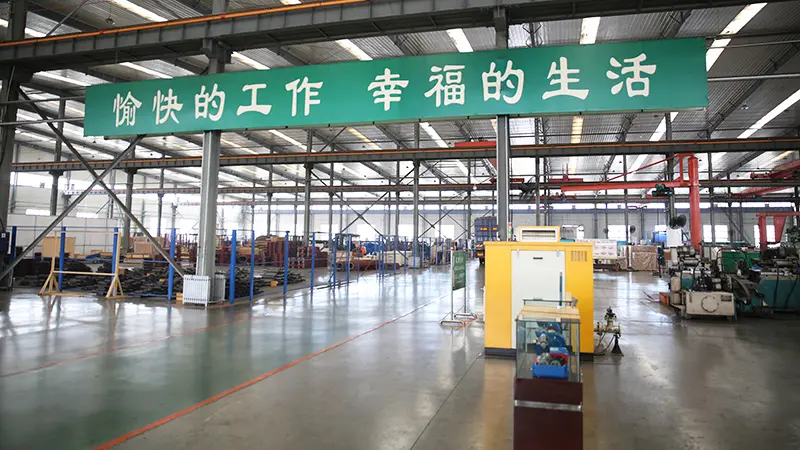
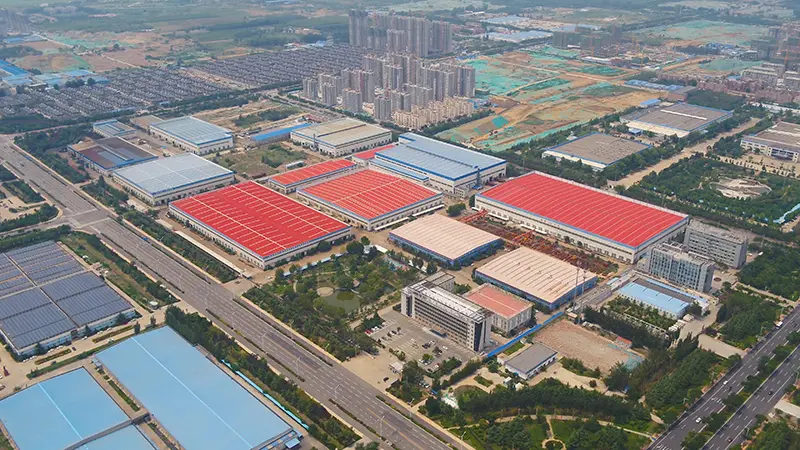
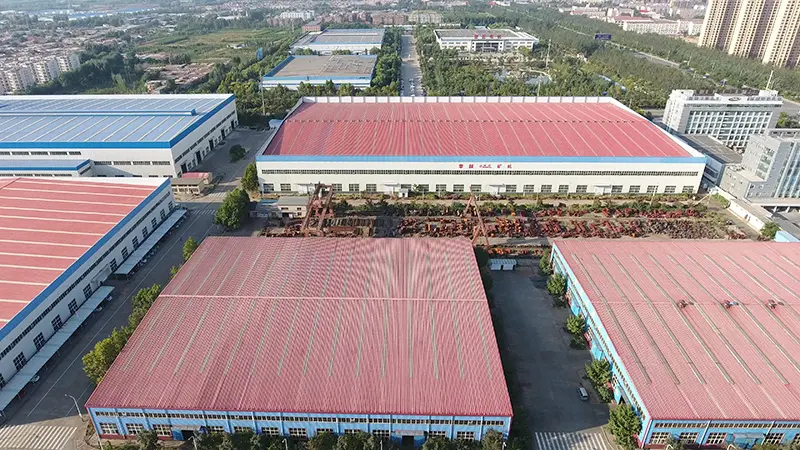
Shandong Zhangqiu Blower Co., Ltd. (formerly known as Shandong Zhangqiu Blower Works) stands as a monumental landmark in the global pump and blower manufacturing industry, boasting over 50 years of design, engineering, and manufacturing experience. Established on principles of mechanical precision, high hydraulic efficiency, and long-term durability, we have pioneered advancements in high-pressure gas transportation and abrasive solid-liquid multiphase pumping. Our dedication to global industry standards has enabled us to set up two Sino-Japanese Joint-ventures and establish our dedicated USA branch, cementing our status as the first Chinese blower manufacturer to build independent overseas operational branches.
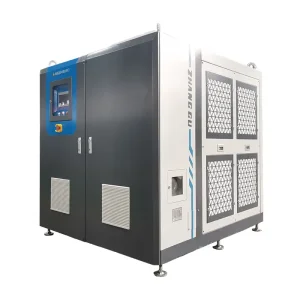
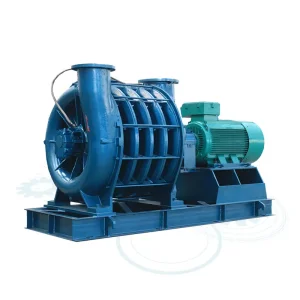
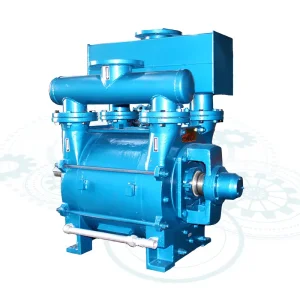
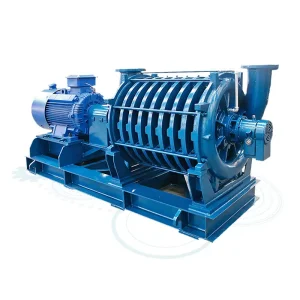
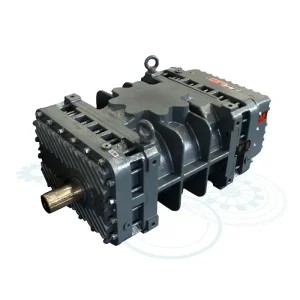
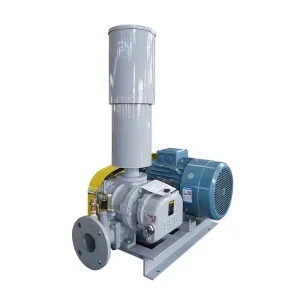
We are recognized as a premier national enterprise whose market share in China's industrial blower market is consistently ranked at the peak. Under our long-term growth roadmap, we have successfully expanded our engineering portfolio to specialize in Roots Blowers, Centrifugal Blowers, Industrial Fans, Heavy-duty Slurry Pumps, Water Ring Vacuum Pumps, Pneumatic Conveying Systems, MVR Evaporative Crystallization systems, and Wastewater Treatment infrastructures.
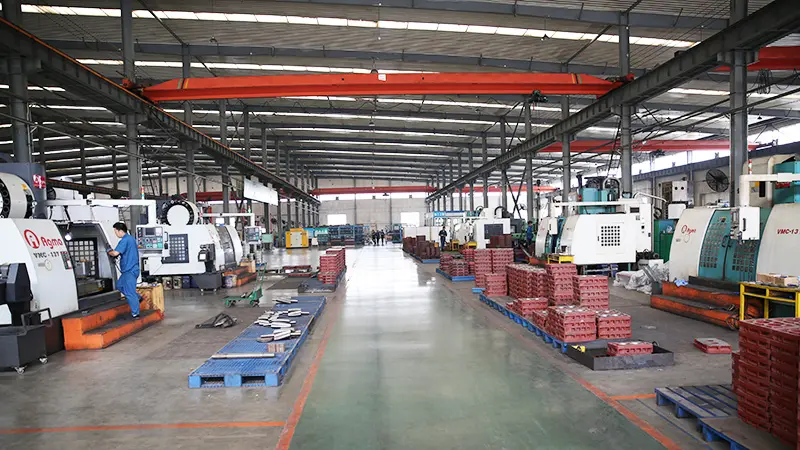
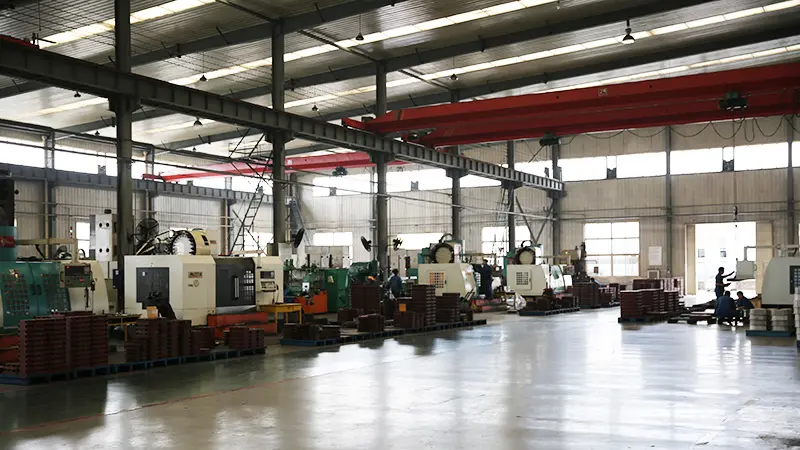
Our operational concept is basic yet uncompromising: "Do the best". By implementing highly automated manufacturing platforms, utilizing high-precision computer-aided design systems (CAD, CAPP, CAM), and strictly adhering to global quality guidelines, we help mining operations, chemical plants, and heavy industries optimize their processing systems while reducing the overall cost of ownership.
Through our advanced engineering and design facilities, we provide comprehensive 3D system drawings and layout configurations within 24 hours of receiving draft inquiries or on-site operation parameters. This design agility combined with structural integrity is why multi-national buyers count on Shandong Zhangqiu Blower for long-term engineering success.

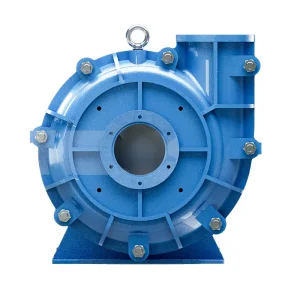
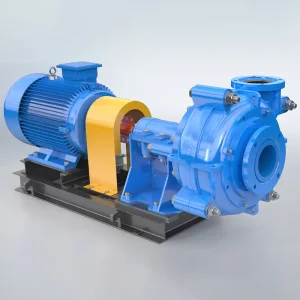
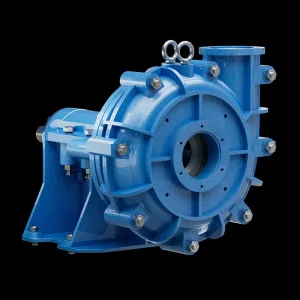
Single-stage centrifugal slurry pumps represent the mechanical backbone of mineral processing, metallurgical refinement, sand dredging, and coal classification. Historically, slurry pumps were characterized as high-energy-consuming, rapidly deteriorating components that required frequent intervention. However, modern industrial requirements have shifted the focus toward maximizing **Mean Time Between Failures (MTBF)**, reducing energy draw, and implementing wear-resistant composite alloys and advanced ceramics.
Modern slurry flow paths are designed using computational fluid dynamics (CFD) to analyze turbulence, particle velocity profiles, and impact points. This allows manufacturers to construct wide-impeller configurations that reduce local fluid velocity, reducing wear without compromising head output.
While Cr27 (27% chromium alloy cast iron) has been the benchmark for abrasive slurries, high-tech silicon carbide (SiC) and ceramic liners are changing expectations. Our specialized TZJK-TD series ceramic slurry pumps combine the wear-resistance of sintered ceramics with solid structural supports to extend runtime up to 3 to 5 times.
Water-conserving expeller seals use hydrodynamic pressure generated by auxiliary impellers to prevent leakage without packing water. When zero dilution is mandatory, advanced cartridge double-end mechanical seals prevent fine solid particles from penetrating the mating faces.
A single-stage slurry pump consists of a casing (volute), impeller, throatbush, frame plate liner insert, shaft, and bearing assembly. The design of these components determines how efficiently they process high-density mixtures. Below is a breakdown of structural choices and how they impact operation:
| Component | Design Alternative | Primary Industrial Advantage | Ideal Application Scenario |
|---|---|---|---|
| Impeller | Closed Multi-Vane (High-Chrome) | High efficiency, low recirculation losses | Clear fluid slurries, fine sand washing |
| Liners | TZJK Silicon Carbide Ceramic | Extreme hardness, corrosive resistance (pH 2-12) | Acidic mineral tailings, desulfurization systems |
| Casing | Heavy-Duty Double-Casing Design | Outer ductile iron casing withstands pressure; inner liner takes wear | High-pressure multistage slurry installations |
| Sealing Method | Hydrodynamic Expeller Seal | No seal water required, no dilution of slurry | Concentrator plant tailings, thickener underflows |
International procurement departments in the mineral extraction, chemicals, and utilities sectors do not evaluate slurry pumps solely on their initial purchase price. The purchase price typically accounts for less than 15% of the pump's lifetime cost. Instead, modern procurement focuses on **Total Cost of Ownership (TCO)**, which includes energy consumption, maintenance downtime, replacement component cost, and process loss.
By using precision-engineered hydraulic profiles and harder metallurgy, we optimize the slurry pump's operating point to align with the process line’s Best Efficiency Point (BEP). This reduces internal recirculation wear, decreases vibration-induced mechanical bearing failure, and cuts energy consumption by up to 8% compared to standard low-cost alternatives.
Our engineering research centers utilize the world’s most advanced product lifecycle management (PLM) system, integrated computer-aided manufacturing (CAM), and computer-aided testing (CAT) platforms. This digital setup enables us to perform complex finite element analysis (FEA) on pump casings and shaft assemblies to predict stress limits under heavy hydraulic loads.
With more than 10 domestic and international experts supervising our research divisions, we bridge the gap between academic fluid dynamics and industrial durability. We maintain long-term technological partnerships with China’s premier engineering institutions, including Tsinghua University and Xi'an Jiaotong University.
Our single-stage slurry pumps and heavy-duty centrifugal fluid equipment are designed to handle challenging industrial processes. By combining specialized materials with optimized casing hydraulics, we customize solutions for the following macro-industrial applications:
In gold, copper, and iron beneficiation circuits, single-stage slurry pumps feed hydrocyclones and transfer coarse mill discharge. Our high-chrome volute liners are engineered to resist continuous impact wear from particles up to 50mm in diameter, keeping concentration circuits operating consistently.
Coal-fired power plants require circulation pumps to move limestone slurries that are both abrasive and corrosive. Our ceramic slurry pumps resist chemical deterioration from chlorides and sulfur compounds while maintaining wear resistance under continuous operation.
Washing plants process high volumes of dense magnetite media and coal fine particles. Our horizontal slurry pumps handle high concentrations of solids by weight, maintaining steady flow rates over long distances to tailings ponds.
Global operations require fast technical support and strict compliance with local regulations. Shandong Zhangqiu Blower has built a reliable distribution and service network that spans more than 70 countries. Our dedicated USA branch and global field service teams provide quick site evaluations, startup support, and technical assistance.
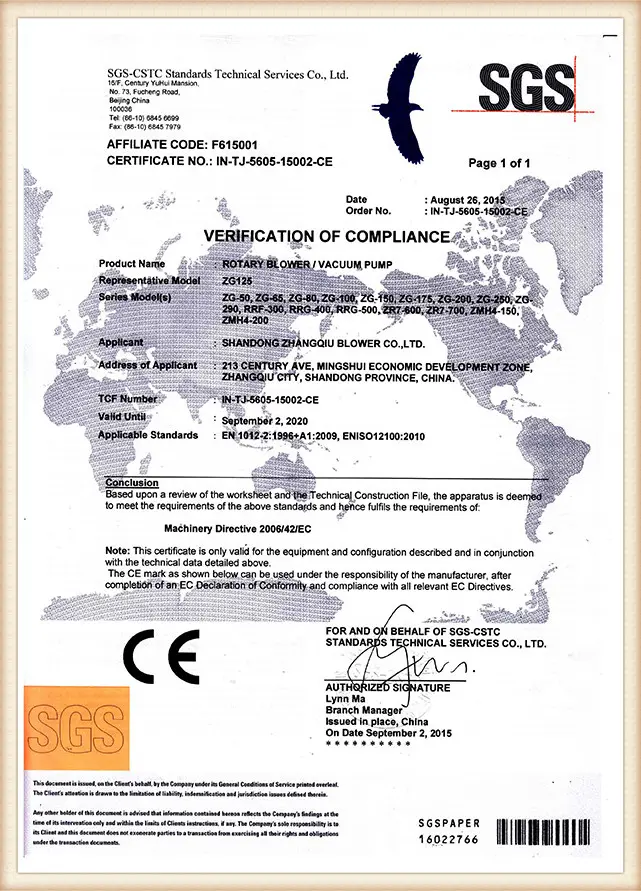
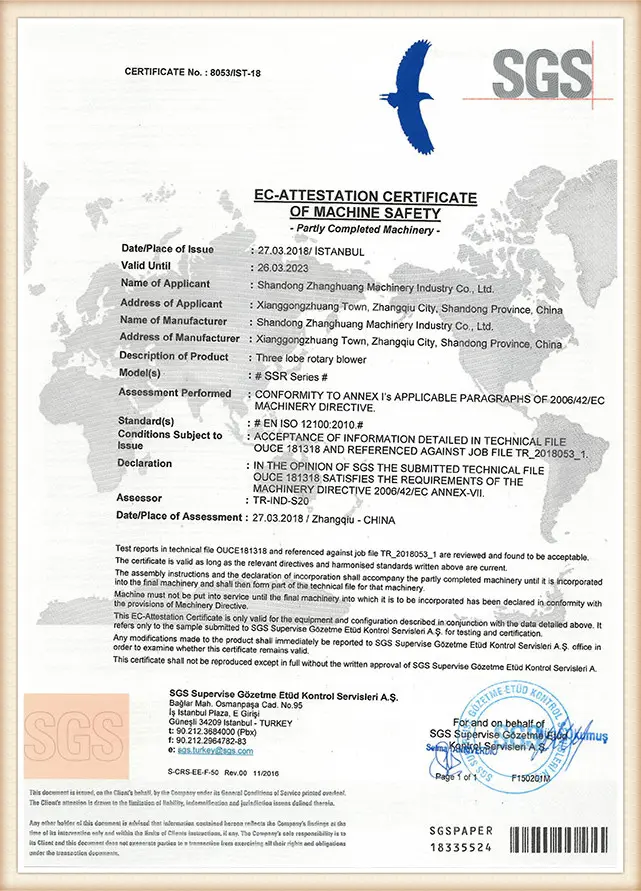
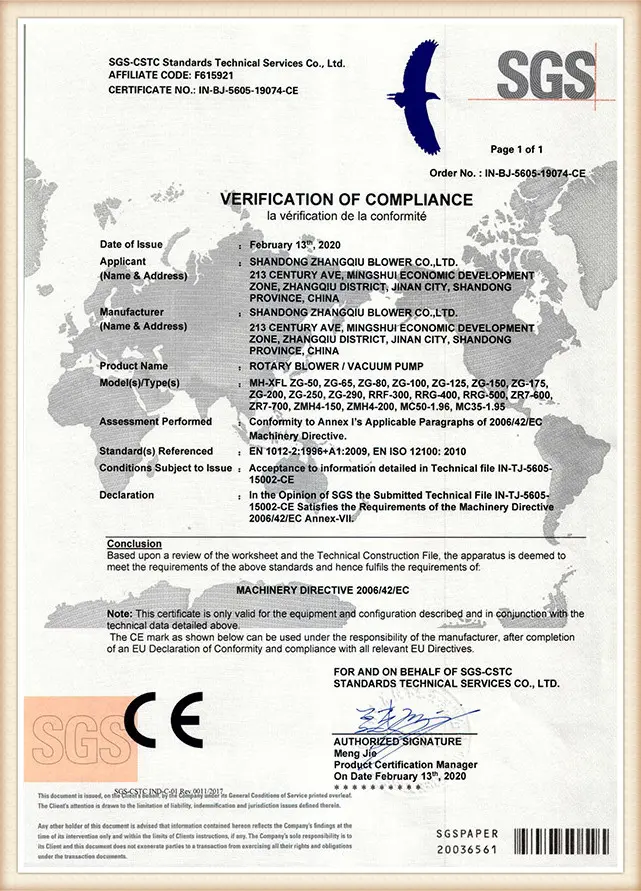
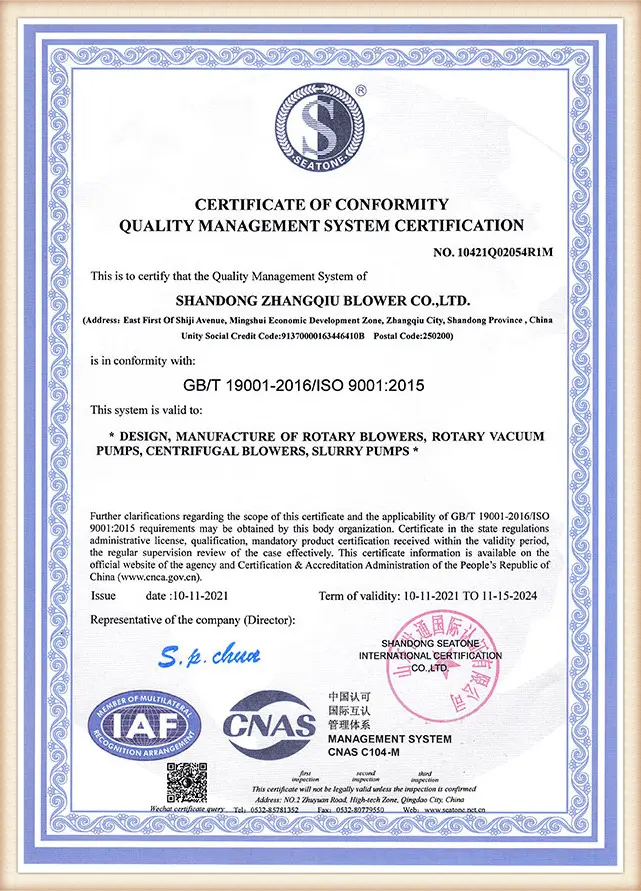
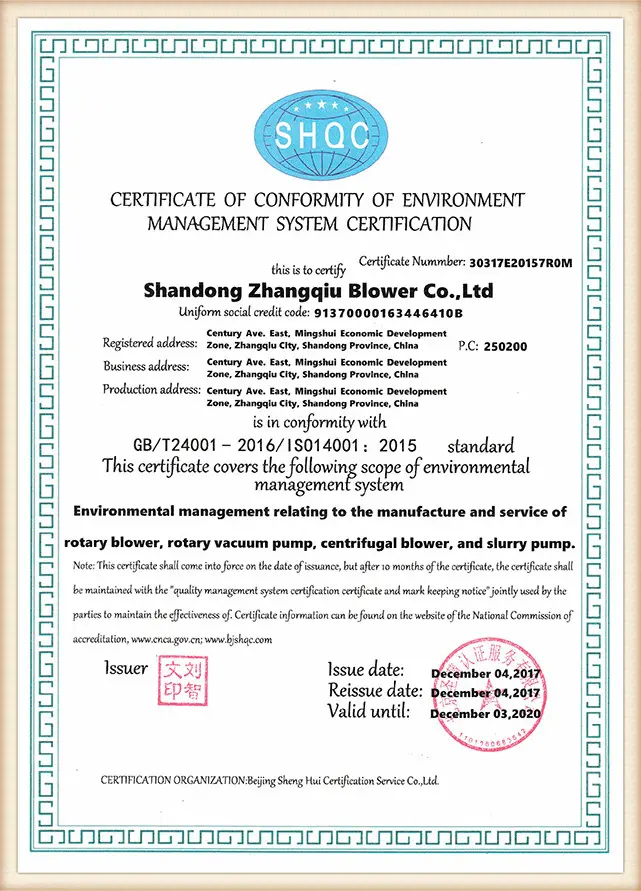
Our manufacturing and testing protocols are certified by leading international testing organizations. We have established a comprehensive management system to ensure consistency across our product lines, from raw casting pour to final hydrodynamic balancing tests.
Our quality management is backed by documented performance. We host an advanced in-house inspection department equipped with five-axis machining centers, coordinate measuring machines (CMM), ultrasonic flaw detectors, and dynamic balance machines.

As heavy industry works toward carbon neutrality, the design and operation of slurry pumps must align with digital management and energy-saving goals. Our research and development focuses on three primary technology vectors:
Our smart slurry pumps are equipped with vibration, temperature, and wear-rate sensors. Using real-time edge processing, these systems warn operators of bearing failures, impeller wear, or cavitation issues before they lead to unexpected downtime.
We are expanding our use of structural ceramic liners, moving beyond silicon carbide (SiC) to advanced wear-resistant matrix ceramics. These composites provide the impact resistance of metals with the hardness of advanced ceramics.
By refining impeller blade profiles and applying low-friction surface coatings, we reduce hydraulic losses. When paired with PMSM direct-drive motors, our slurry pump systems help operations reduce their overall carbon footprint.
 Zhangqiu