In modern municipal and industrial infrastructure, precision chemical injection is critical. Among these processes, chlorine feed pumps (often referred to as chlorine dosing pumps or chemical metering pumps) represent the frontline technology for disinfection, biofouling control, and process chemistry adjustment. The global market for these critical components has expanded rapidly, driven by tightening municipal water-safety standards, the expansion of high-tech chemical manufacturing, and the global demand for optimized industrial wastewater recycling.
Industrial chlorine feed systems must handle highly corrosive compounds, primarily Sodium Hypochlorite (NaOCl), Calcium Hypochlorite (Ca(OCl)₂), and aqueous Chlorine Dioxide (ClO₂). Because these compounds outgas and release corrosive vapor, the pump's engineering requirements extend far beyond typical liquid transfer. They require positive displacement mechanisms, specialized degassing heads, and complete chemical compatibility with fluoropolymers (such as PVDF and PTFE) and high-performance ceramics.
Globally, procurement profiles have shifted from simple manual stroke-adjustable pumps to digital dosing systems capable of communicating via industrial protocols (Modbus, Profibus, and Ethernet/IP). These integrations link chlorine delivery directly to real-time water quality feedback loops, preventing under-chlorination (which risks microbiological outbreak) and over-chlorination (which generates dangerous disinfection byproducts like trihalomethanes).
Shandong Zhangqiu Blower Co., Ltd. (formerly named Shandong Zhangqiu Blower Works) stands as a prominent, publicly traded titan (Stock Code: 002598 on the Shenzhen Stock Exchange since July 7th, 2011) in the mechanical manufacturing and fluid dynamics industry. With over 50 years of experience in blower design and manufacturing technology, ZCBC has expanded from its market-leading Roots Blower technology into a comprehensive developer of industrial pump systems, environmental water treatment systems, and integrated MVR evaporation plants.
Our core operating strategy is defined by: "Develop main business, pioneer new fields and innovate, cooperate to be a great company", backed by our working concept of "Do the best". This philosophy has propelled us to establish two Sino-Japanese joint ventures and an active USA branch, making ZCBC the first company in China's blower industry to establish an overseas operational branch.
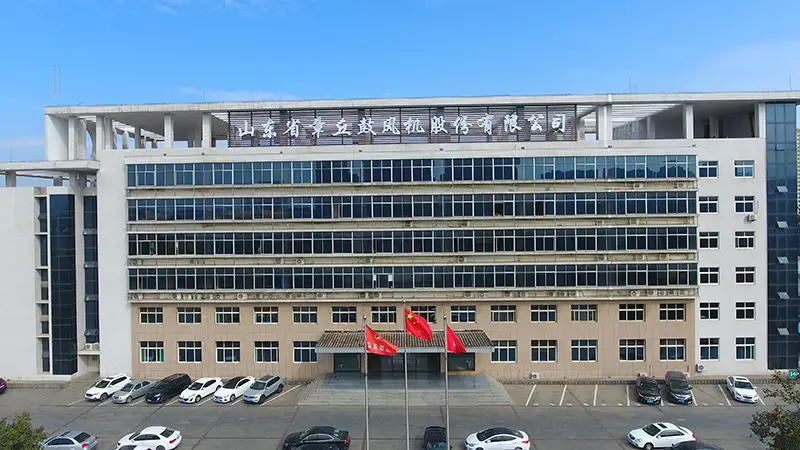
Purchasing engineers face rising costs in Western European and North American markets. Chinese manufacturers like ZCBC offer unmatched supply chain efficiency and capital optimization. In 2005, ZCBC relocated to a modern, high-standard industrial park covering 430,000 m². Equipped with advanced facilities and comprehensive testing rigs, this infrastructure enables seamless volume production without sacrificing precision.
In 2020, parent company realized operating income of 1.5 billion yuan and a profit of 150 million yuan. 20 holding companies with 4 specialized manufacturing bases across China.
Active R&D bases in Beijing, Shanghai, Shijiazhuang, and Wuxi. This network integrates advanced hydrodynamic modeling and digital motor drive design directly into our pump systems.
From casting raw structures to dynamic balancing and automated control system assembly, our end-to-end manufacturing reduces reliance on third-party suppliers, stabilizing delivery lead times.
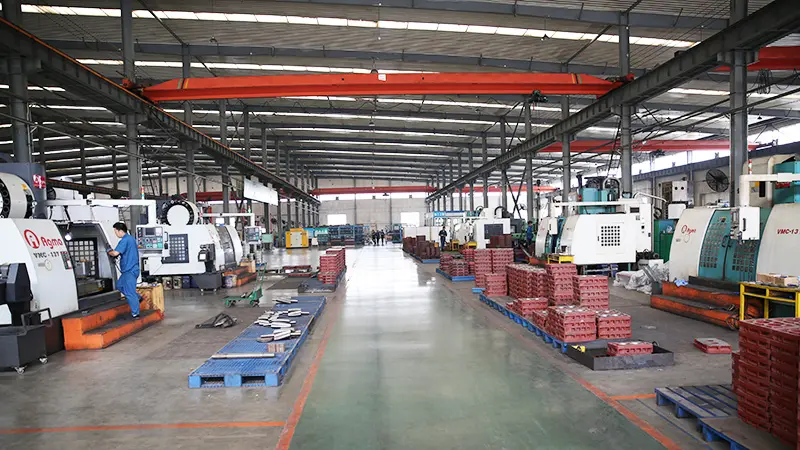
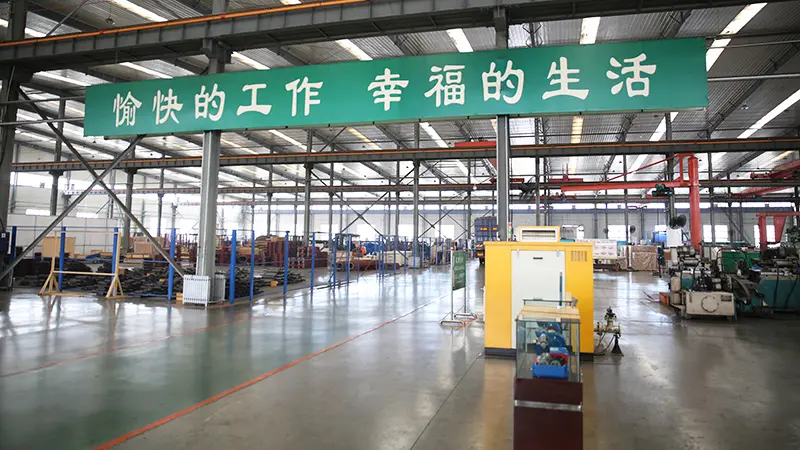
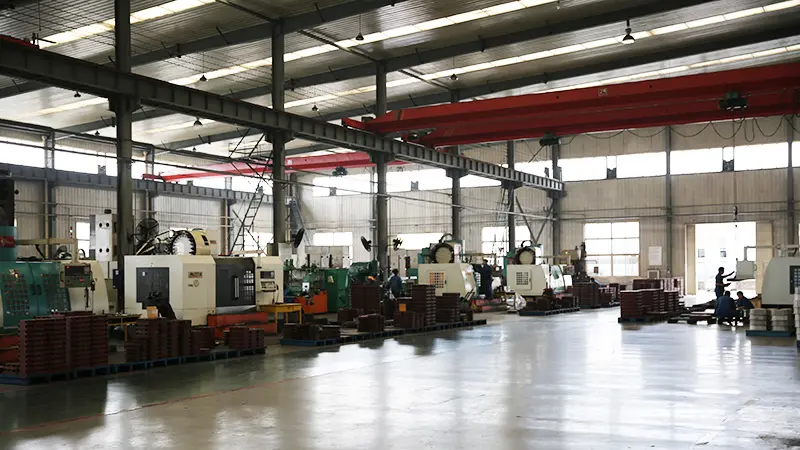
Manufacturing chemical feed gear requires rigorous engineering precision. Chlorine feed systems operate continuously in harsh environments. ZCBC leverages an advanced product design center, utilizing the world's most advanced product life cycle management PLM system, computer-aided manufacturing CAM, process design CAPP, and computer-aided testing CAT.
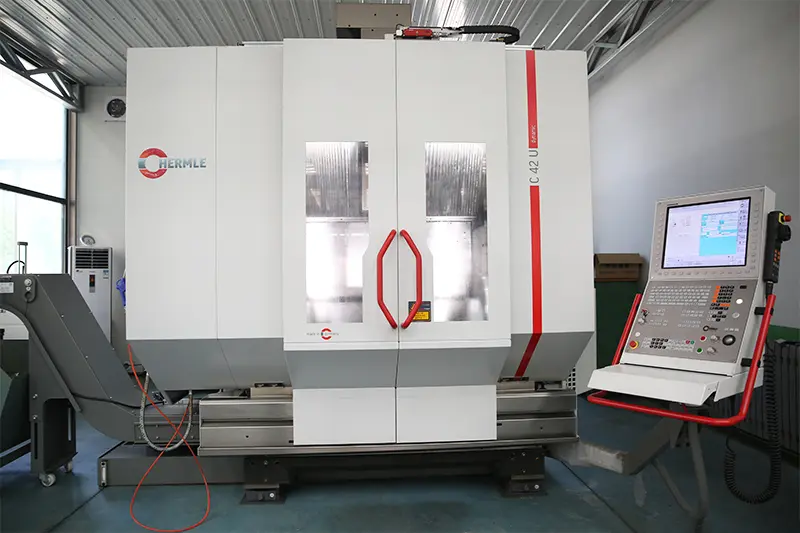
With nearly 100 sets of precision machinery—including CNC machining centers, five-axis machining centers, three-axis measuring instruments, CNC machine tools, and ultrasonic flaw detectors imported from Japan and Germany—our production facilities guarantee dimensional accuracy down to the micron.
For design iteration, ZCBC's engineering department supports fast, collaborative development:
ZCBC has successfully secured 69 authorized patents (including 5 invention patents) and 2 copyrights. Our quality control practices comply with key international standards:
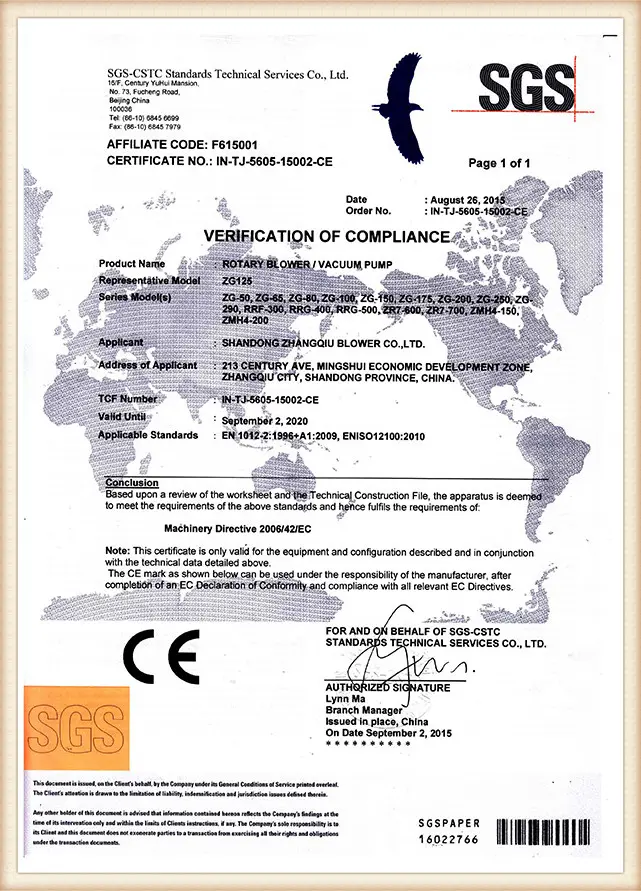
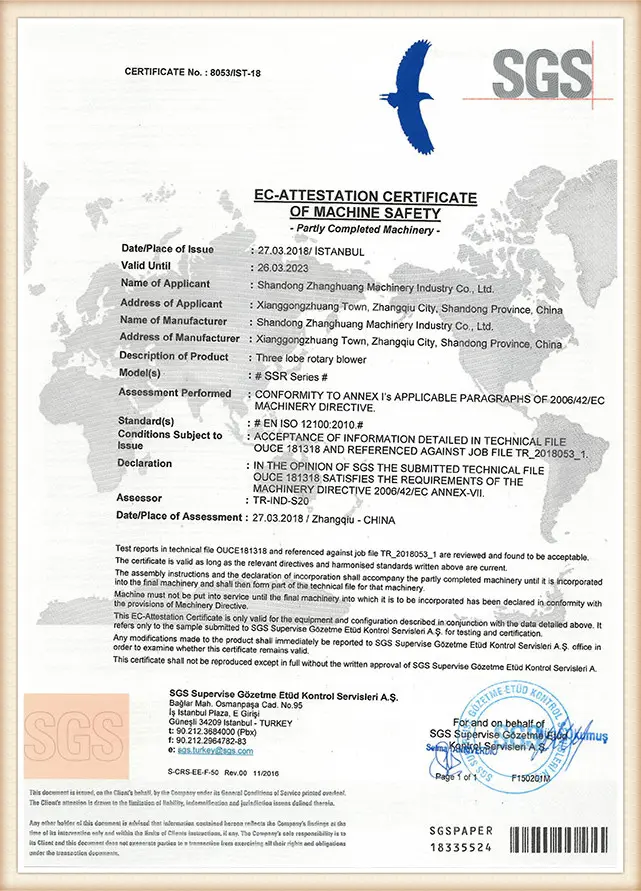
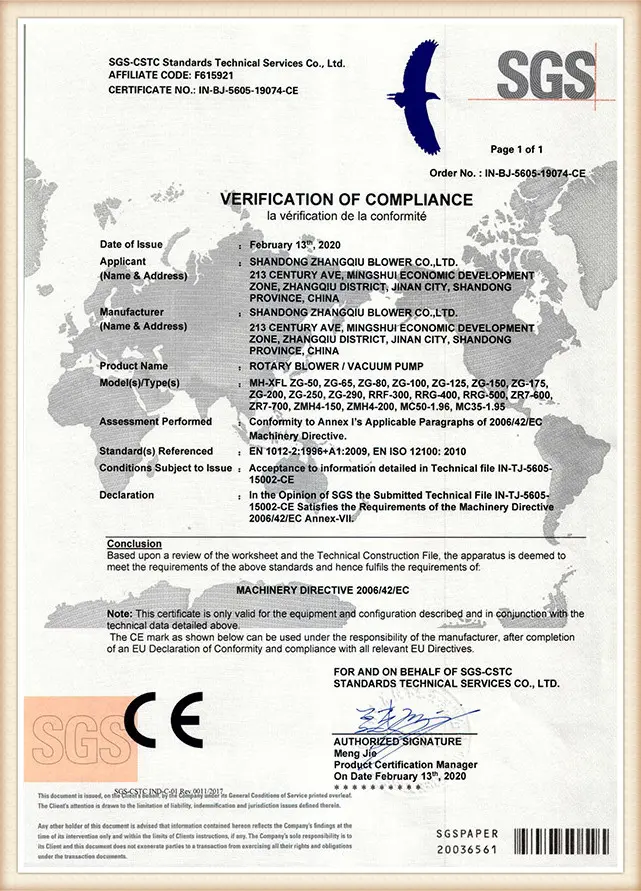
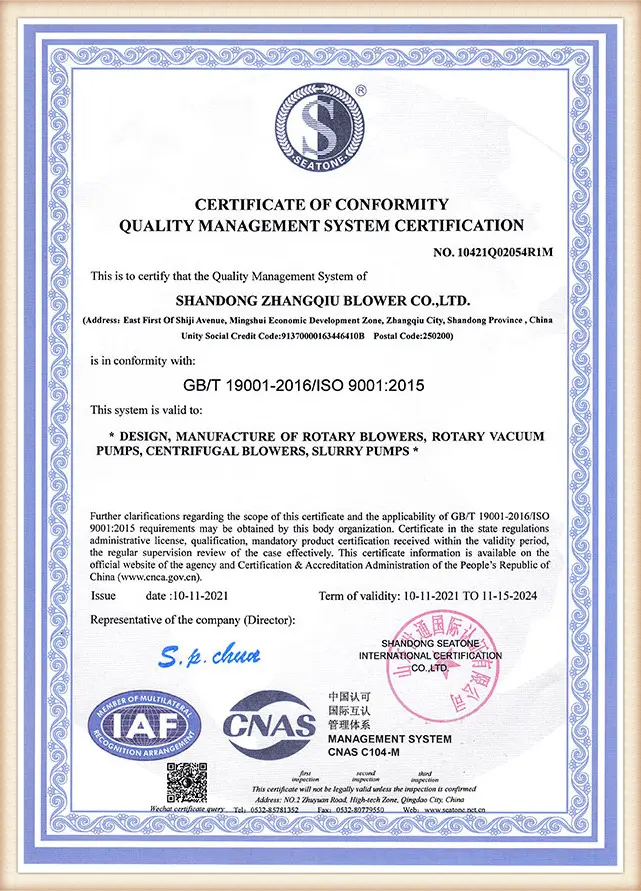

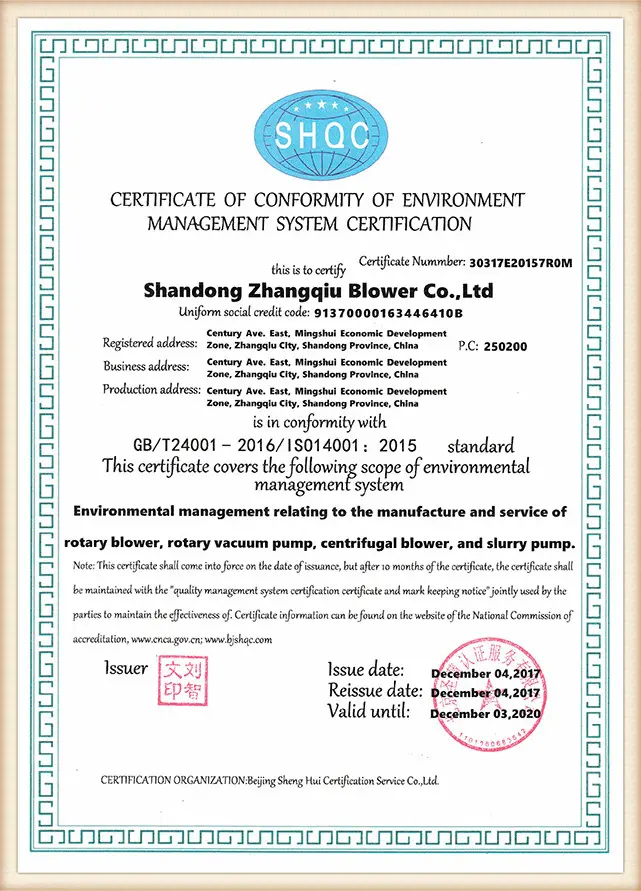
Our certifications include: ISO9001 Quality Management System, ISO14001 Environmental Management, ISO50001 Energy Management, ISO10012 Measurement Management, and CE compliance. We also hold the Safety Mark for Mining Products and 3C national mandatory product certification.
Chlorine dosing and chemical delivery requirements vary widely by application. Modern water processing systems rely on specific, optimized mechanical configurations:
Pumps dose sodium hypochlorite into primary storage reservoirs. These setups require continuous feedback communication with downstream free-chlorine sensors, adjusting stroke lengths dynamically to maintain a range of 0.2 to 2.0 mg/L.
In modern Mechanical Vapor Recompression (MVR) evaporation systems, feed liquids must undergo oxidation to decompose organic volatile components before distillation. Precision pumps inject targeted chemical feeds directly into preheating lines.
Large industrial cooling loops require chemical dosing to prevent slime buildup and Legionella growth. Heavy-duty diaphragm units deliver shock doses at scheduled intervals, keeping surfaces clear of biological films.
The chemical dosing market is evolving rapidly, driven by automation, material improvements, and environmental safety regulations. Three key trends define the current industry trajectory:
Modern installations increasingly use intelligent dosing pumps that link directly to telemetry networks. These units process inputs from upstream flow meters and downstream pH, ORP, and free chlorine analyzers. By adjusting output speed via variable frequency drives (VFDs) or stepper motors, they maintain stable concentration levels without manual intervention.
The shift from traditional PVC and stainless steel toward PVDF, PTFE, and high-purity ceramic valve assemblies has extended pump lifespans. These materials prevent chemical wear from high-strength sodium hypochlorite, which degrades standard synthetic rubbers and non-noble metals over time.
Growing interest in zero-liquid-discharge (ZLD) systems has increased demand for integrated dosing modules. These modular skids combine blowers, filtration pumps, and chemical feed units into pre-piped assemblies, streamlining installation and reducing footprint on-site.
When selecting chemical dosing systems, project managers must evaluate several technical metrics to optimize total cost of ownership (TCO) and ensure operational reliability.
Chlorine feed pumps, particularly those dosing sodium hypochlorite, often lose prime due to gas lock. Sodium hypochlorite naturally decomposes and releases chlorine gas, which can collect in the pump head. This gas pocket prevents the check valves from seating properly. To resolve this, specify pumps with auto-degassing heads, shorten suction lines, keep chemicals cool, and use flooded suction configurations.
Solenoid-driven pumps use an electromagnetic actuator to pull the diaphragm. They are ideal for low-flow applications (typically under 50 L/h) and offer simple, cost-effective control. Motor-driven pumps use an electric motor with a mechanical gearbox (eccentric or cam-and-spring). They are suited for higher pressures, high-volume dosing, and provide smooth injection profiles with high turndown accuracy.
Elevated water temperatures reduce the pressure rating of standard plastic pump components (like PVC or PVDF) and accelerate chemical corrosion. If process water temperatures exceed 45°C (113°F), PVDF or PTFE components should be specified over PVC. At high temperatures, ensure sealing materials like FKM (Viton) or EPDM are rated for the target temperature and chemical concentration.
Backpressure valves maintain a constant minimum pressure downstream of the dosing pump. Without sufficient backpressure, chemical siphoning can occur when dosing into low-pressure lines or vacuum conditions, leading to uncontrolled chemical delivery. The valve ensures consistent check-valve sealing and repeatable dosing accuracy.
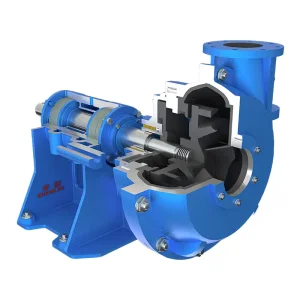
 Zhangqiu