Famous Evaporation Crystallization System Exporter & Exporters

Providing Globally Trusted, High-Efficiency MVR & Multi-Effect Thermal Separation Technologies For Zero Liquid Discharge (ZLD) Projects Since 1957.

Shandong Zhangqiu Blower Co., Ltd. (ZCBC)

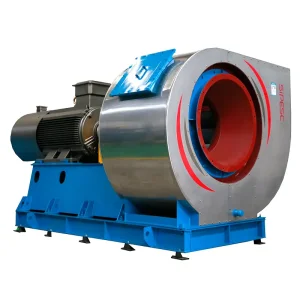
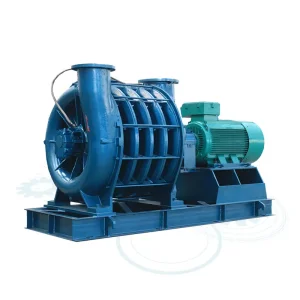
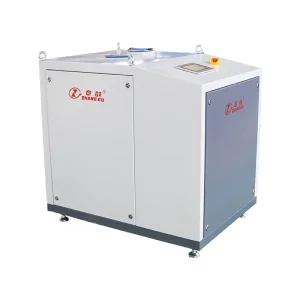
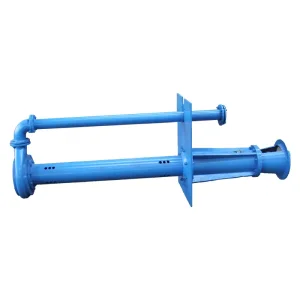
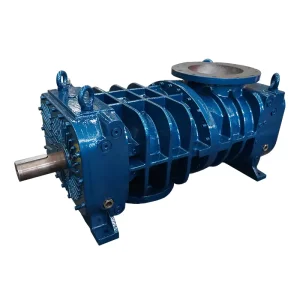
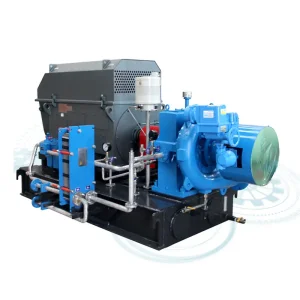
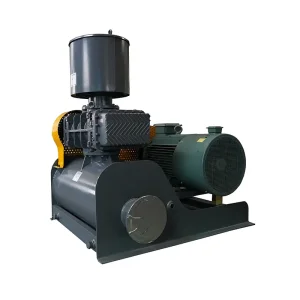
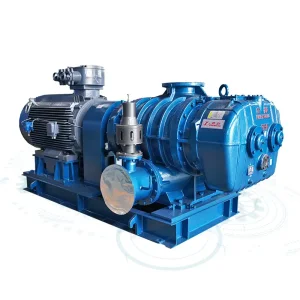
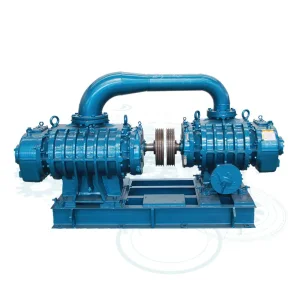
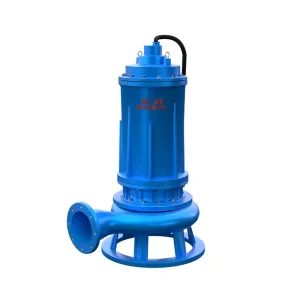
Founded in 1957, Shandong Zhangqiu Blower Co., Ltd. (formerly known as Shandong Zhangqiu Blower Works) has established over 50 years of world-class design, engineering, and manufacturing expertise. Leveraging a comprehensive portfolio that spans Roots blowers, centrifugal fans, industrial pumps, and pneumatic conveying lines, the company has integrated these core technologies to become an industry-leading player in the MVR (Mechanical Vapor Recompression) Evaporation, Concentration, and Crystallization domain.

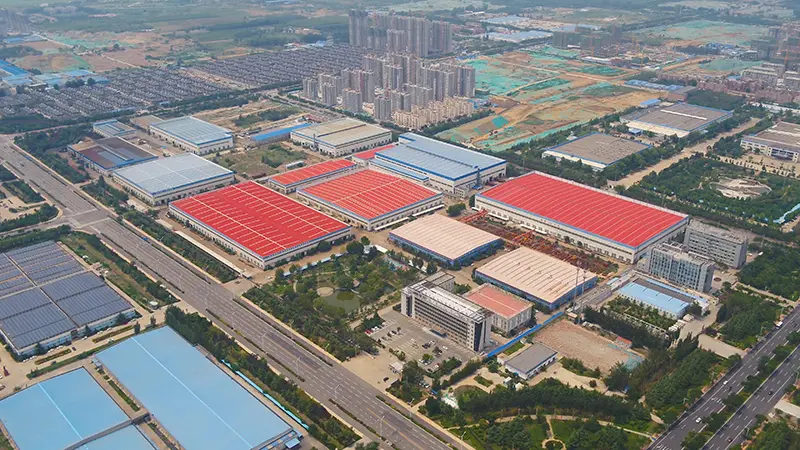
In July 2011, ZCBC marked a key corporate milestone by successfully listing on the Shenzhen Stock Exchange (Stock Code: 002598). By 2020, our parent company realized an operating income of 1.5 billion yuan and a profit of 150 million yuan. Today, ZCBC coordinates a powerful manufacturing and scientific network including 20 holding companies, four massive manufacturing bases (Jiangsu Wuxi, Guangdong Dongguan, Hunan Chenzhou, Gansu Jinchang), and four state-of-the-art R&D centers located in Beijing, Shanghai, Shijiazhuang, and Wuxi.

Our overall development strategy—"Develop main business, pioneer new fields and innovate, cooperate to be a great company"—guides us in offering high-efficiency solutions to domestic and international clients alike.
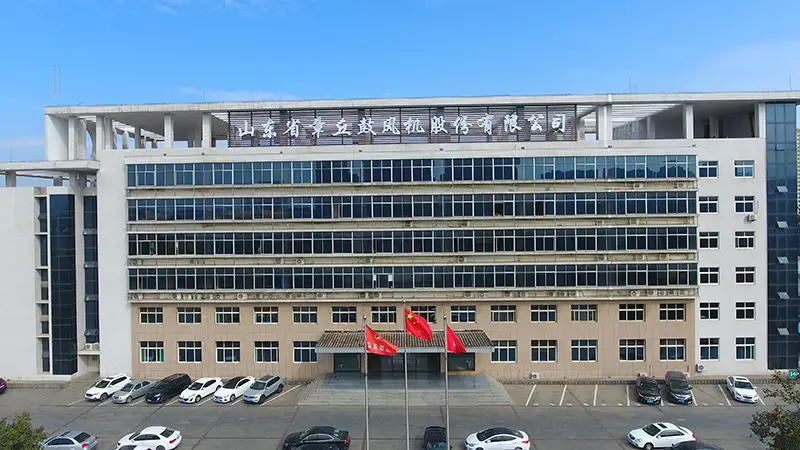
ZCBC Headquarter Facility

The Thermodynamics of MVR Evaporation Systems

Mechanical Vapor Recompression (MVR) systems from ZCBC recycle latent heat from secondary steam, dramatically lowering energy footprints compared to legacy multi-effect steam evaporators.

Forced Circulation (FC) Crystallization

Designed for solutions with high scaling potential, high viscosity, or high crystallization rates. Our forced circulation evaporators prevent premature fouling on heat exchanger tubes by keeping slurry velocities high, optimizing crystal growth in the separator vessel.

Falling Film Evaporation

Best suited for clean, low-viscosity solutions with small boiling point elevations. Liquid is fed to the top of the tubes and flows down as a thin film, facilitating exceptionally high heat transfer coefficients and minimal liquid retention times.

OSLO & DTB Crystallizer Integration

For applications demanding controlled crystal size distribution (CSD). The Draft Tube Baffle (DTB) and OSLO fluidized bed systems allow large, uniform crystals to grow dynamically, reducing subsequent filtration and drying energy costs.

Technology Roadmap & Future Outlook

ZCBC is dedicated to pioneering next-generation industrial evaporation processes. Below is our technological progression map targeting sustainable development through 2030.

1

MVR Steam Compressor Optimization (Present - 2025)

Integrating our proprietary VR Series Roots steam compressors and high-speed centrifugal blowers to handle severe boiling point elevations (BPE). We are improving impeller profiles using computational fluid dynamics (CFD) to increase compressor efficiency to over 85%.

2

AI-Powered Anti-Scaling & Smart Diagnostics (2025 - 2027)

Implementing ultrasonic anti-scaling sensors and predictive AI algorithms that monitor real-time temperature differentials and heat transfer coefficients. The system dynamically adjusts circulation flow rates and pH to prevent fouling before it starts.

3

Carbon-Neutral Thermal Process Loop (2028 - 2030)

Achieving fully autonomous green crystallization loops powered by waste energy recovery and solar thermal integration. Designed to run completely off-grid for mining and heavy manufacturing sites in remote locations.

Macro-Industry Solutions

Engineered solutions tailored for complex, large-scale industrial separation demands globally.

50+
Countries Supported
430k m²
Modern Industrial Park
69
Patents Authorized
1.5B ¥
Annual Operating Income

Lithium-Ion Battery Recycled Materials

Concentration of Nickel, Cobalt, Manganese, and Lithium sulfate solutions. ZCBC MVR systems achieve battery-grade lithium carbonate and hydroxide crystallization with minimal energy footprints.

Coal Chemical Wastewater ZLD

High-salinity brine waste from coal gasification requires robust Zero Liquid Discharge (ZLD) schemes. Our forced circulation systems recover pure water while dry-salting Sodium Sulfate (Na2SO4) and Sodium Chloride (NaCl).

Desalination Concentrate Processing

Processing reverse osmosis (RO) reject stream to maximize water recovery and isolate chemical components, preventing environmental pollution in costal and arid regions.

China Factory 4.0: Supply Chain Resilience & Efficiency

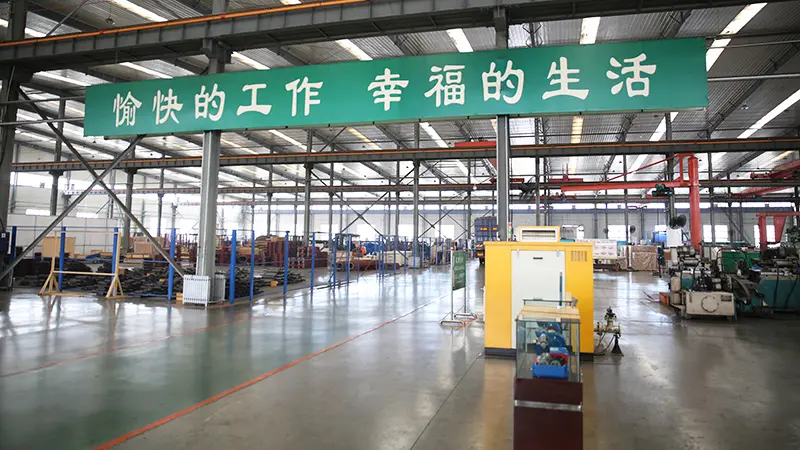
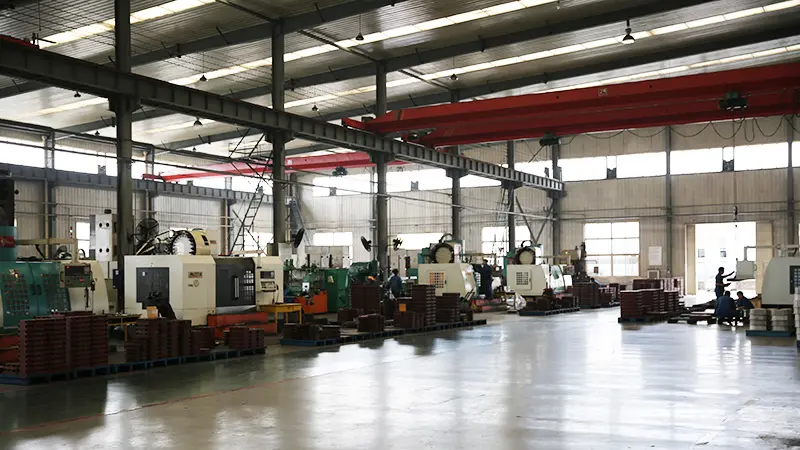
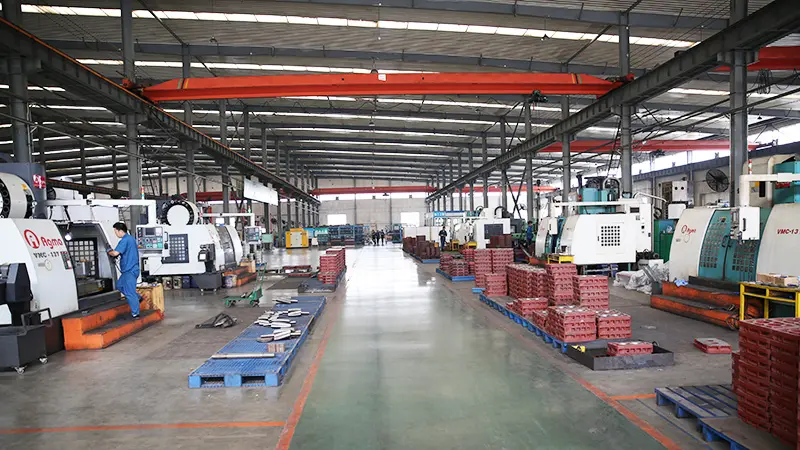
ZCBC has established a high-standard intelligent manufacturing paradigm at our Shandong production headquarters. Supported by the world's most advanced Product Lifecycle Management (PLM) system, Computer-Aided Manufacturing (CAM) technology, Computer-Aided Process Design (CAPP), and Computer-Aided Testing (CAT), we ensure that every system is built with high geometric precision.

Our workshop contains over 100 sets of advanced processing and testing equipment, including multi-axis CNC machining centers, five-axis machining centers, three-coordinate measuring instruments, and digital ultrasonic flaw detectors imported from Japan and Germany. This advanced production ecosystem guarantees high-precision machining, reduces design cycles, and ensures the mechanical integrity of our roots steam compressors and crystallization vessels.

With four domestic manufacturing hubs and R&D centers across China, ZCBC operates a highly redundant supply chain. In times of global component shortage, our vertically integrated manufacturing ensures that spare parts, custom heat exchangers, and fan blowers are shipped with minimal delay.

Meeting Global Procurement Requirements

Industrial buyers look beyond initial capital expenditure (CAPEX) to assess long-term operational costs (OPEX) and reliable support. Here is how ZCBC delivers structural value.

Fast 3D Engineering & CAD Design

Our dedicated design department delivers custom 3D system drawings within 24 hours of receiving design specifications. This accelerates engineering review cycles and ensures compatibility with site piping configurations.

High Corrosion-Resistant Alloys

Evaporators process highly corrosive brines. We offer customization using high-performance metallurgy, including Titanium Grade 2, Hastelloy C276, Duplex Stainless Steel 2205/2507, and corrosion-resistant linings to extend unit lifespan.

Turnkey Engineering & EPC

ZCBC provides comprehensive project delivery, including civil layout design, equipment supply, instrumentation, control systems integration, on-site commissioning, operator training, and ongoing operations and maintenance (O&M).

Localization Support & Compliance

To serve our international clientele, ZCBC has established dedicated local operations, including two Sino-Japanese Joint-Ventures and our USA branch office. This international presence makes us one of the first Chinese blower companies to build dedicated overseas infrastructure, enabling fast response times for sales and engineering assistance in North American and Asian markets.

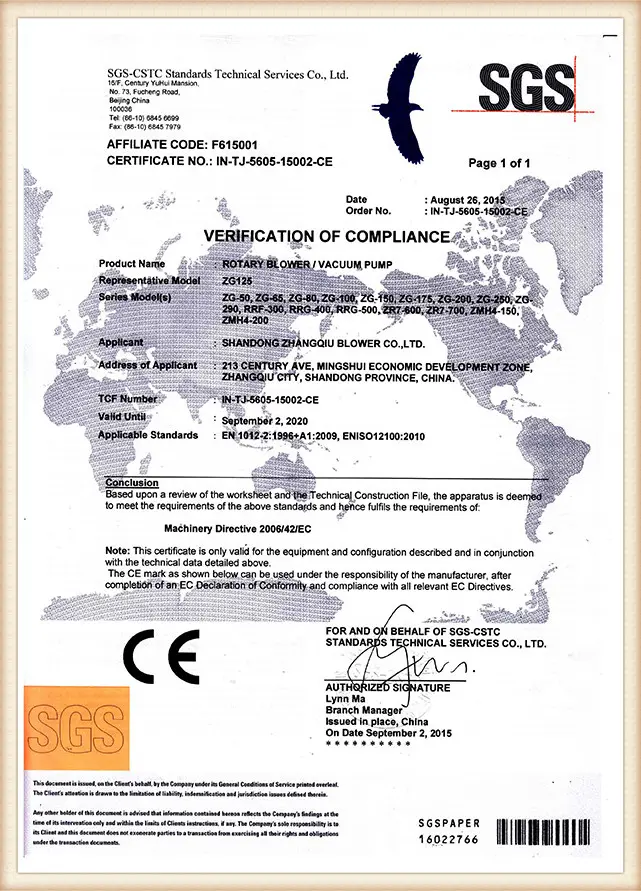
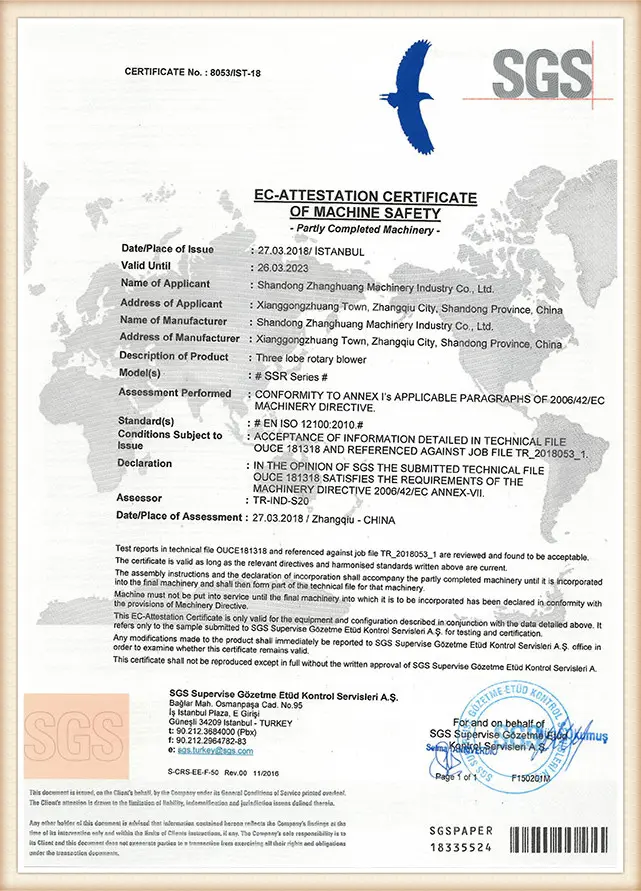
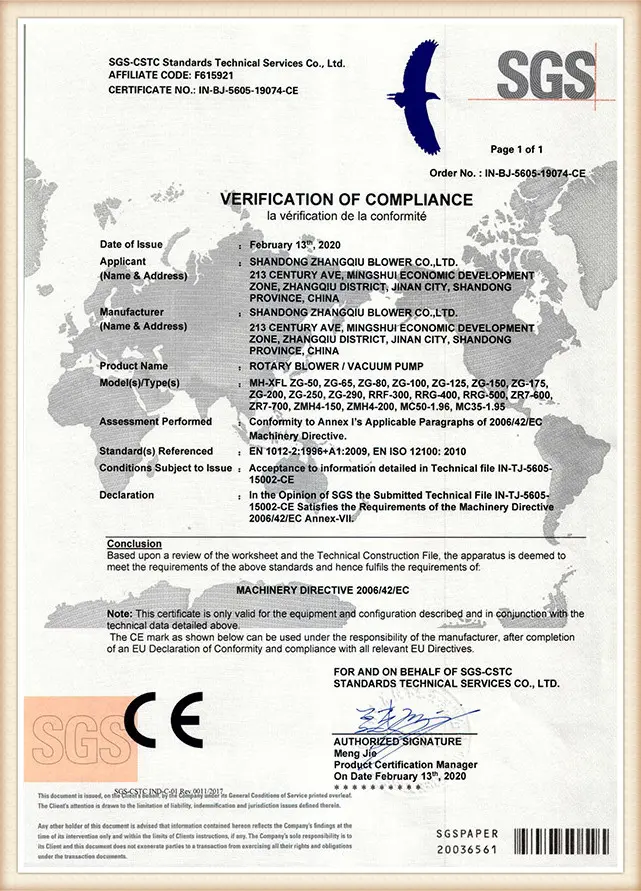
Compliance is a critical pillar of our design and production engineering. We maintain comprehensive certifications including ISO 9001 (Quality Management), ISO 14001 (Environmental Management), ISO 50001 (Energy Management), and ISO 10012 (Measurement Management). Our product lines are CE-marked, carry the Safety Mark for Mining Products where applicable, and comply with international pressure vessel manufacturing guidelines.

Whether navigating ASME pressure vessel requirements in the Americas or PED regulations in Europe, ZCBC handles compliance documentation seamlessly, assuring easy project site approvals.

Technical Q&A: Evaporation & Crystallization Systems

What are the primary differences between MVR and Multiple Effect Evaporation (MEE)?
Mechanical Vapor Recompression (MVR) systems compress secondary vapor using a mechanical compressor, raising its temperature and heat content to reuse it as the main heat source. Multiple Effect Evaporators (MEE) reuse the vapor in subsequent effects operating at successively lower pressures and temperatures. MVR systems generally have higher initial capital costs but require up to 90% less steam, leading to significantly lower operational costs over the life of the plant.
How does Boiling Point Elevation (BPE) impact MVR compressor design?
Boiling Point Elevation occurs when dissolved solutes raise the boiling temperature of a solvent above that of the pure liquid. MVR compressors must be sized to overcome this temperature differential. If a solution has a high BPE (e.g., sodium chloride or sodium hydroxide), the compressor must deliver a higher pressure ratio to produce steam at a temperature sufficiently above the elevated boiling point to maintain efficient heat transfer.
What design elements does ZCBC use to minimize fouling and scaling in crystallization?
We utilize Forced Circulation (FC) designs to maintain high fluid velocity within the heat exchanger tubes, which prevents solids from settling and scaling on the heat transfer surfaces. We also specify polished tube surfaces, optimize liquid-level controls to prevent boiling inside the heat exchanger, and incorporate automated Clean-In-Place (CIP) systems that use acid or chemical washes without requiring full process shutdowns.
Can ZCBC supply custom materials for highly acidic or chloride-heavy industrial brines?
Yes. We routinely fabricate contact parts using specialized corrosion-resistant alloys, including Titanium Grade 2, Hastelloy C276, Duplex Stainless Steel 2205/2507, and Super Austenitic Stainless Steel (e.g., 254 SMO). This material selection is determined during the initial project chemistry and corrosion modeling phase.
What information is required to receive a formal MVR design proposal from ZCBC?
We require the feed liquid composition and chemical analysis, target inlet flow rate, feed temperature, target concentration or dry salt requirement, available utilities on-site (steam, cooling water, electrical power), and any specific materials of construction preferences. Our engineering team can then generate a custom proposal, including heat balance and 3D layout options.