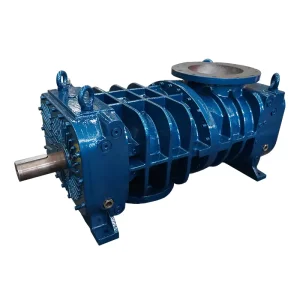
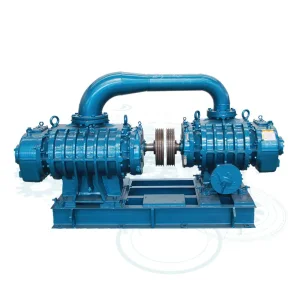
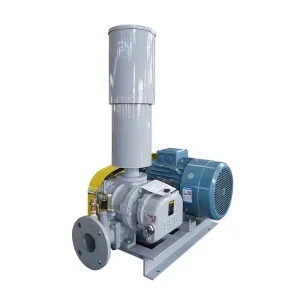
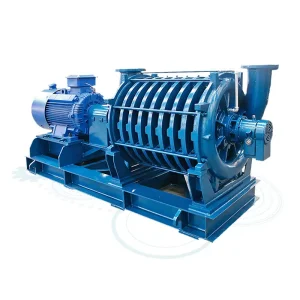
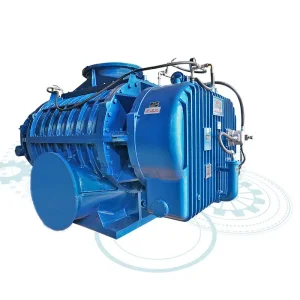
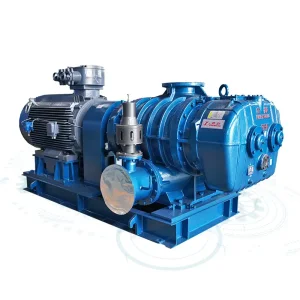
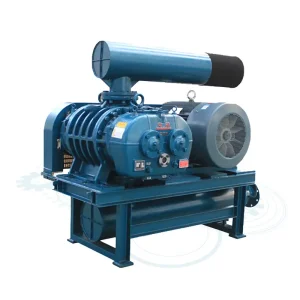
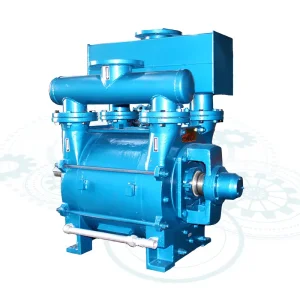
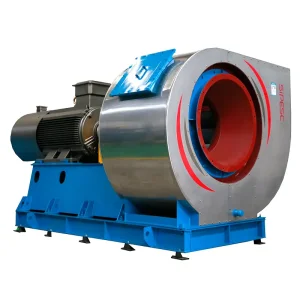
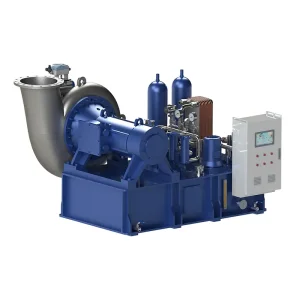
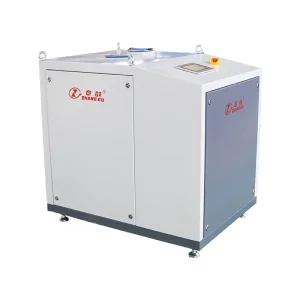
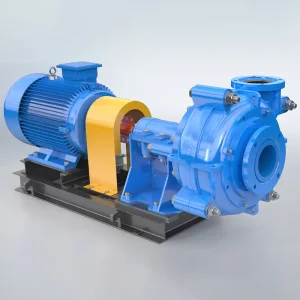
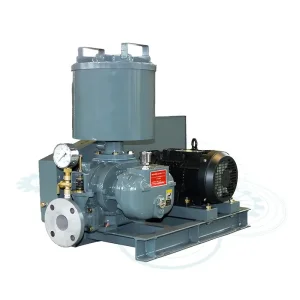
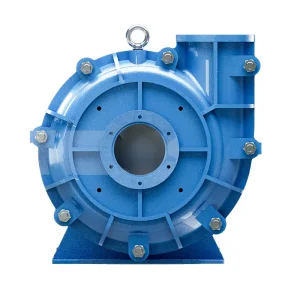
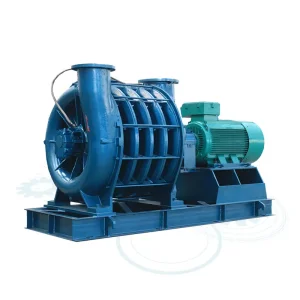
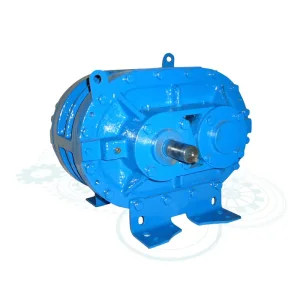
Explore our leading selection of industrial air-handling, vacuum generation, and heavy-duty wear-resistant pumping solutions engineered for mineral processing and aeration applications.
In modern mineral processing and industrial separation circuits, the classifier feed slurry pump represents the vital circulatory heart of the hydrocyclone classification loop. Hydrocyclones require a highly stable, non-pulsating, and precisely pressurized slurry feed to guarantee optimal particle size separation. Any fluctuations in pressure or velocity lead to immediate misclassifications, forcing valuable fine-grade minerals into the tailing stream or returning oversized particles to the grinding mills, which drastically compromises the overall energy efficiency of the milling circuit.
Sourcing slurry pumps configured for classifier feeding demands a deep understanding of fluid dynamics, rheology, and material sciences. The pump must not only handle highly concentrated abrasive solids (ranging from 30% to 65% by weight) but also overcome the severe turbulent wear that takes place inside the pump casing. Standard centrifugal pumps succumb to rapid erosive wear within weeks under these harsh conditions. Thus, selecting the premier manufacturer equipped with robust fluid simulations (CFD) and advanced metallurgy is paramount for continuous plant runtime.
Information Gain Concept: Particle classification efficiency relies directly on stable Net Positive Suction Head (NPSH) and predictable pump speed management. Modern automation integrates Variable Frequency Drives (VFDs) with classifier feed pumps to dynamically match the fluctuating feed levels from the sump.
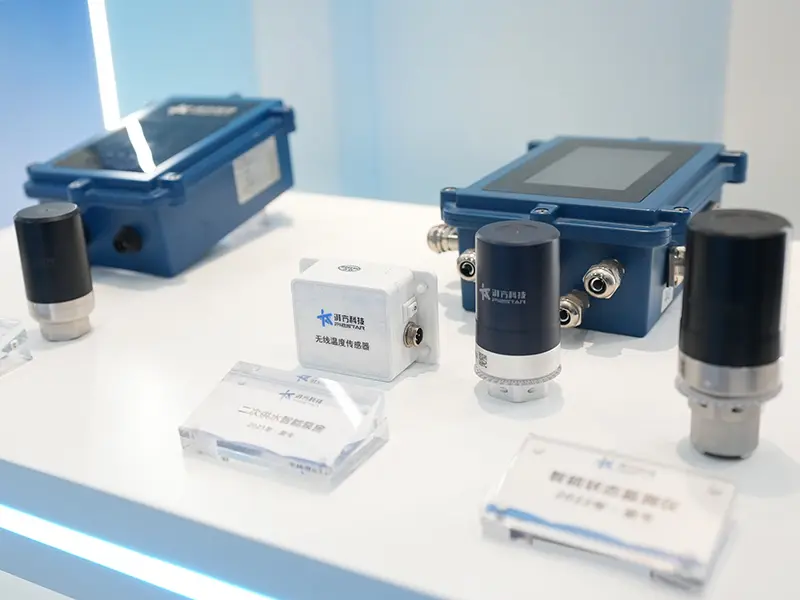
Why leading global mining companies prioritize specific structural and material parameters for their hydrocyclone feed systems.
Classifier feeds handle highly angular, abrasive silica, copper, gold, or iron ore slurry. Standard high-chrome alloys (such as Cr27) and specialized ceramic composites are deployed to counter combined erosive and corrosive wear mechanisms.
Broad impeller passages prevent blockage from transient oversized run-of-mine ore. High efficiency impellers are mapped through detailed CFD calculations to minimize localized eddy currents that accelerate internal localized pitting.
Classifier feed pumps operate under variable intake pressure. Gland packing, expeller (dynamic) seals, or robust single/double mechanical seals prevent slurry egress and safeguard the bearing assemblies from contamination.
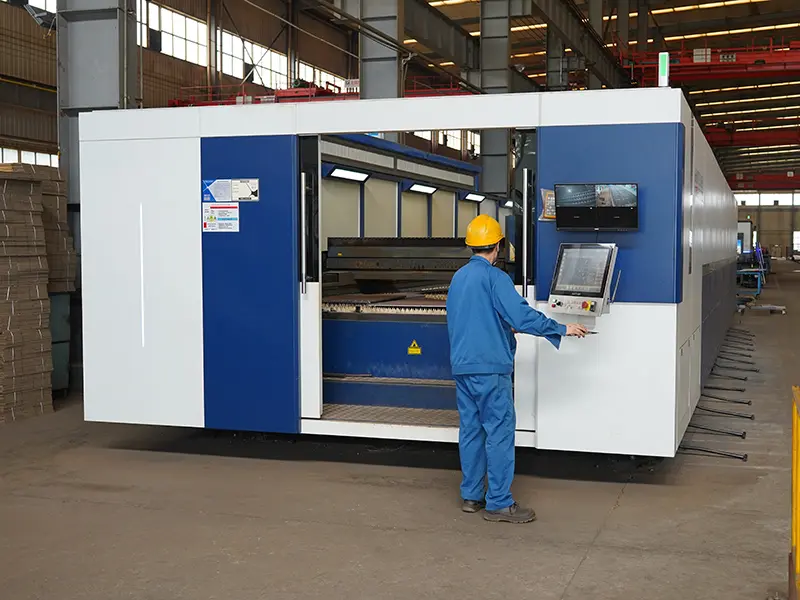
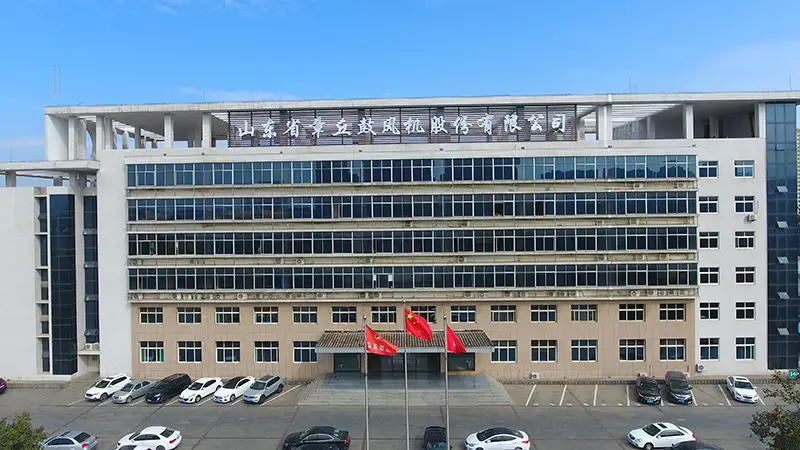
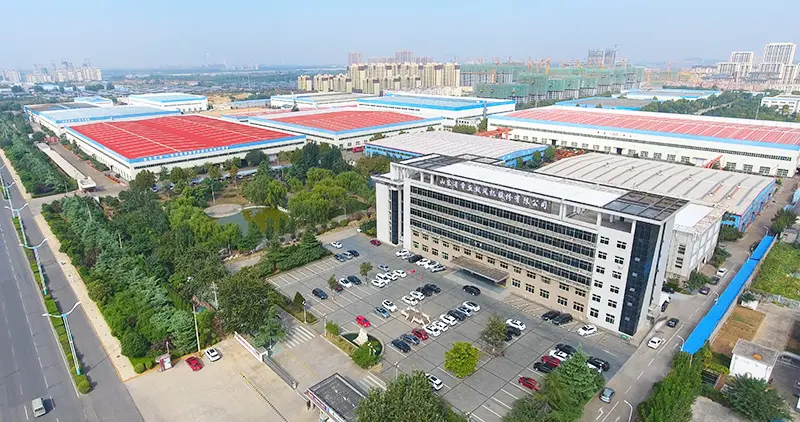
Established over 50 years ago, Shandong Zhangqiu Blower Co., Ltd. (formerly Shandong Zhangqiu Blower Works) has evolved into an industrial powerhouse. Globally recognized for pioneering air and fluid handling systems, ZhangGu is a public enterprise listed on the Shenzhen Stock Exchange (Stock Code: 002598). Combining extensive R&D capabilities, advanced metallurgy, and state-of-the-art manufacturing plants, we lead the domestic market in specialized roots blowers and heavy slurry components.
Our massive 430,000 m² industrial park in Shandong, coupled with four specialized manufacturing bases in Wuxi (Jiangsu), Dongguan (Guangdong), Chenzhou (Hunan), and Jinchang (Gansu), allows us to maintain a reliable logistical network and enormous production capacity. We have built close academic partnerships with top-tier institutions, including Tsinghua University, Xi'an Jiaotong University, and Shandong University, injecting unmatched technological innovation into our slurry pumps and pneumatic conveying systems.
An analysis of supply chain efficiency, advanced metallurgy, and technological maturation in China's industrial pump hubs.
Chinese industrial hubs host the entire supply chain, from raw iron ore, chromium, and nickel sourcing to specialized foundries. This proximity allows for the cost-effective casting of extreme-wear alloys, such as Cr30 and high-density ceramic inserts, ensuring rapid manufacturing times.
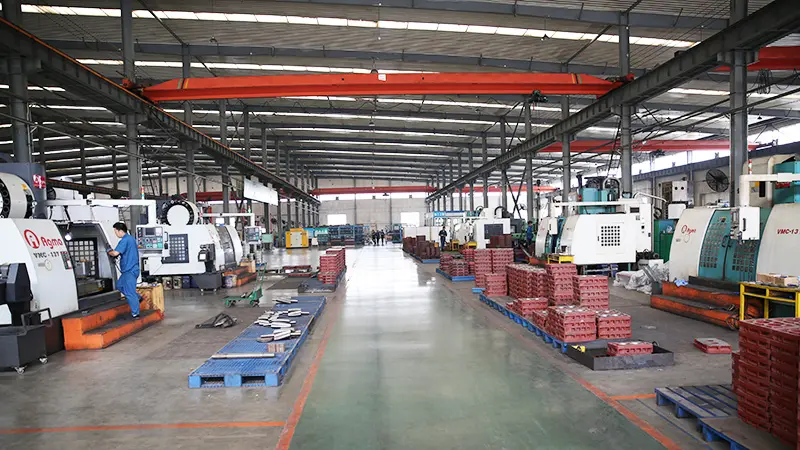
ZhangGu utilizes Japanese and German imported CNC machining centers and five-axis mills. This guarantees that complex impeller geometries and tight tolerances required for classifier feed pumps are executed with absolute precision, minimizing energy loss.
By combining automated production with lower baseline operational costs, premium Chinese manufacturers provide heavy machinery that matches or exceeds the performance of Western brands at a fraction of the capital expenditure, offering substantial TCO savings.
How our slurry pumps and blowers integrate into global industrial plants to boost efficiency and reliability.
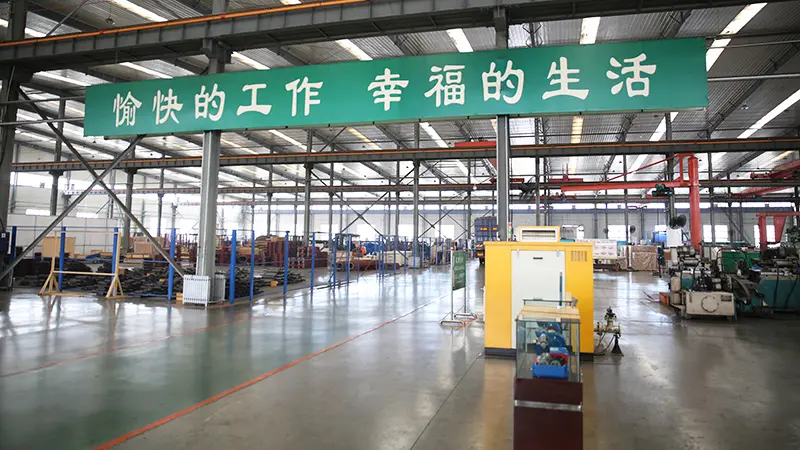
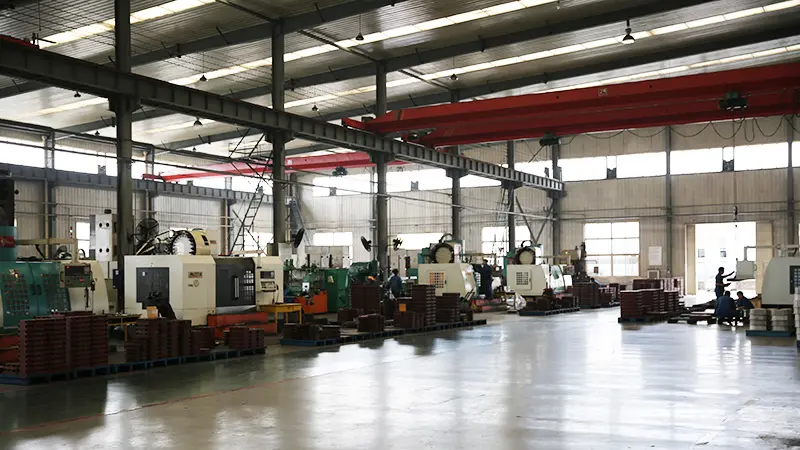
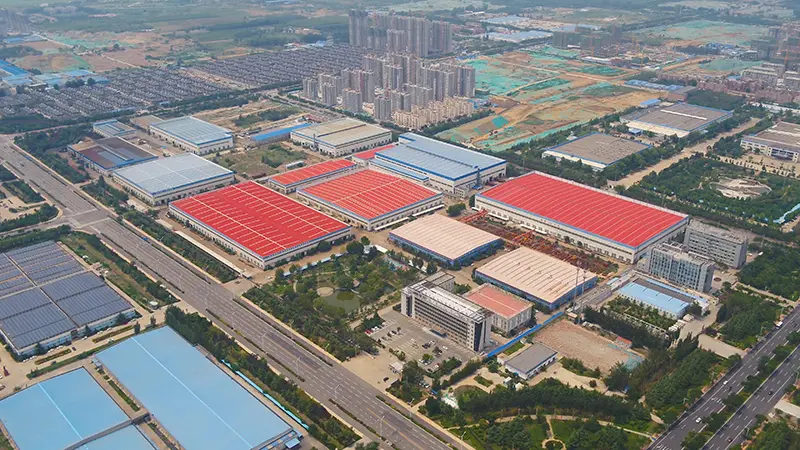
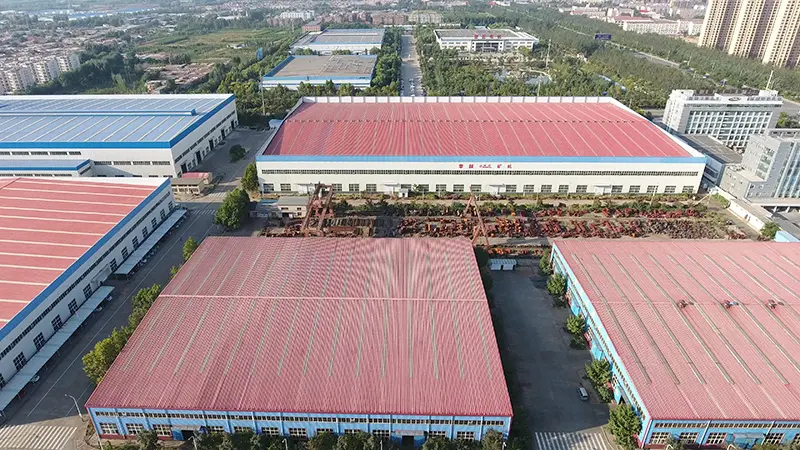

Expert Insight: ZhangGu's latest development projects focus on integrating intelligent control systems into roots blowers and industrial pumps, optimizing operational parameters to significantly reduce utility bills and decrease the environmental footprint.
Get technical clarifications from ZhangGu's senior engineering department regarding pump sizing, maintenance, and aerodynamic applications.
Discover our comprehensive collection of roots-type machinery, aeration blowers, and specialized high-wear pumps designed to lower operating costs.
 Zhangqiu