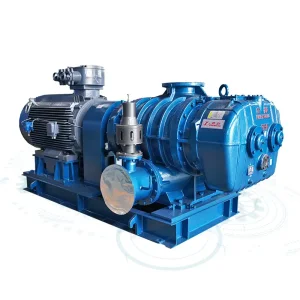
In modern industrial operations, moving fluids containing high concentrations of abrasive and corrosive solids presents an ongoing challenge. Long shaft slurry pumps (often classified under vertical cantilever or semi-submerged configurations) have emerged as the foundational standard for deep-sump fluid transportation. Unlike horizontal pumps, which require elaborate dry-well installations and are susceptible to mechanical seal failure, long shaft pumps place the hydraulic wet-end directly within the sump or tank, while isolating critical drive bearings and motors above the fluid level.
This mechanical architecture eliminates the dependency on standard shaft seals that continuously come into contact with aggressive mediums. It substantially reduces operational downtime, prevents environmental contamination, and lowers total cost of ownership (TCO) across municipal, metallurgical, chemical, and mineral-processing sectors.
"Engineering continuous operation in abrasive sumps requires more than standard hydraulics; it demands specialized materials science and high-precision dynamic balancing to withstand deep-submergence forces."
Globally, the market demand for robust fluid-handling systems is expanding rapidly. The acceleration of resource mining (including gold, copper, lithium, and iron ore) alongside stricter environmental regulations has created a high-value niche for long-shaft vertical pump configurations. Heavy industries are transitioning from standard configurations to customized, application-specific slurry pumps designed to withstand prolonged exposure to acidic water and highly dense coarse slurries.
North America, Latin America, and Australia remain primary regions for mining installations. Simultaneously, the Asia-Pacific region, led by China's extensive manufacturing and infrastructure capability, acts as both a massive consumer and primary exporter of high-grade industrial pumps. As deep-sump mining tailing projects and heavy industrial wastewater reclamation efforts scale globally, the capacity to engineer customized shaft lengths—stretching up to 2.4 meters or longer without intermediate support bearings—has become a key performance differentiator for top industrial pump suppliers.
To meet the rigorous demands of Industry 4.0, long shaft slurry pump manufacturers are investing heavily in material sciences, hydrodynamic optimization, and predictive maintenance solutions. Below are the key pillars driving modern slurry pump development:
Deploying high-chromium alloys (Cr27+) and high-density polyurethane/elastomer liners. These materials undergo continuous structural optimization to reduce particle shear wear and extend the lifespan of impellers and volute casings under severe impact.
Implementing Finite Element Method (FEM) analysis during the design phase to calculate critical rotational speeds. Finite optimization allows suppliers to construct thicker, tapered shafts that resist deflection without intermediate submerged bearings.
Equipping above-ground bearing housings with smart temperature and vibration sensors. Real-time data streams integrated into centralized Control Systems (SCADA) alert plant operators of mechanical deviations prior to operational failure.
Long shaft slurry pumps are highly adaptable, with specialized configurations addressing unique field conditions across various industrial sectors:
In flotation and classification circuits, underflow slurries containing coarse metal ores must be continuously transferred from deep concrete pits. Because these sumps frequently experience surge volume spikes, the slurry pump must handle highly variable flow conditions. Long shaft cantilevered pumps, fitted with semi-open or double-suction impellers, are utilized to process high-concentration mixtures without air binding or risk of dry running.
During coal washing and screening, heavy-medium cyclones generate dense, highly abrasive slurries filled with coal fines and rock waste. Submerged vertical pumps are positioned within the recovery sumps. Utilizing specialized wear-resistant liners, they transport the high-density slurry back into the classification circuit, achieving continuous run-times without the need for flushing seal water.
Coal-fired power generation stations utilize limestone scrubbers to neutralize sulfur dioxide emissions. The resulting limestone slurry is both highly abrasive and chemical-rich. In these environments, vertical pumps featuring dual-phase stainless steel (such as Duplex CD4MCu) are specified. This alloy configuration ensures resistance to pitting and structural degradation in low pH, high-chloride wastewater environments.
Industrial municipal wash basins, chemical sumps, and mud tanks containing sand, gravel, and organic fibrous waste require vertical pumps with high structural clearance. Non-clog impellers are fitted within long shaft assemblies to facilitate the passage of large solids, preventing localized pump blocking and reducing cleanout maintenance overhead.
Shandong Zhangqiu Blower Co., Ltd. (formerly known as Shandong Zhangqiu Blower Works) represents over 50 years of specialized manufacturing, engineering technology, and international design experience in the industrial machinery sector. As a leading public enterprise listed on the Shenzhen Stock Exchange (Stock Code: 002598), the company continues to pioneer fluid handling, industrial aeration, and heavy-duty pumping technologies.
Since moving to our state-of-the-art industrial park in 2005, the parent company of Zhang Drum has established a comprehensive manufacturing network. In 2020, Zhang Drum realized operating income of 1.5 billion yuan and a profit of 150 million yuan. Today, ZCBC operates 20 holding companies, four production bases in Wuxi (Jiangsu), Dongguan (Guangdong), Chenzhou (Hunan), and Jinchang (Gansu), and four dedicated R&D facilities located in Beijing, Shanghai, Shijiazhuang, and Wuxi.
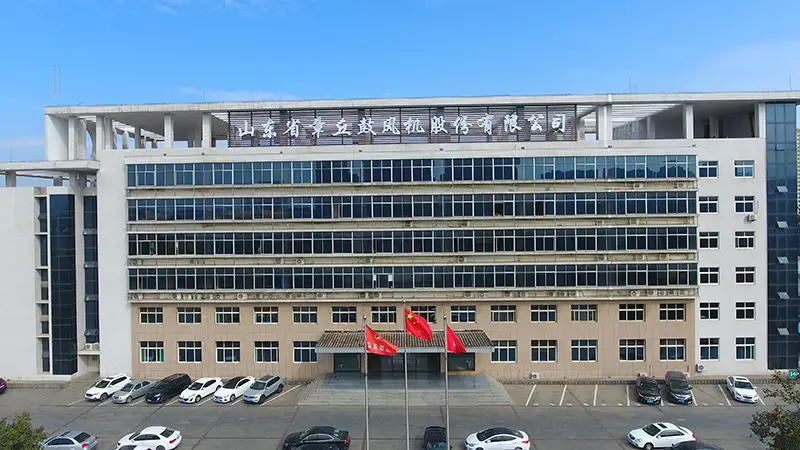
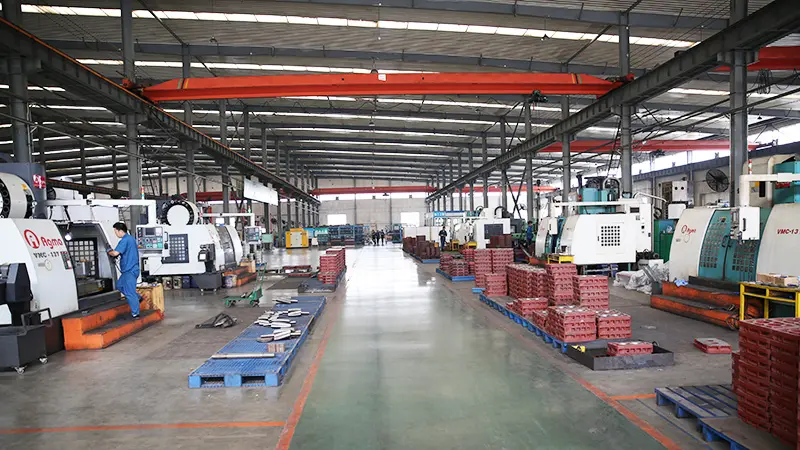
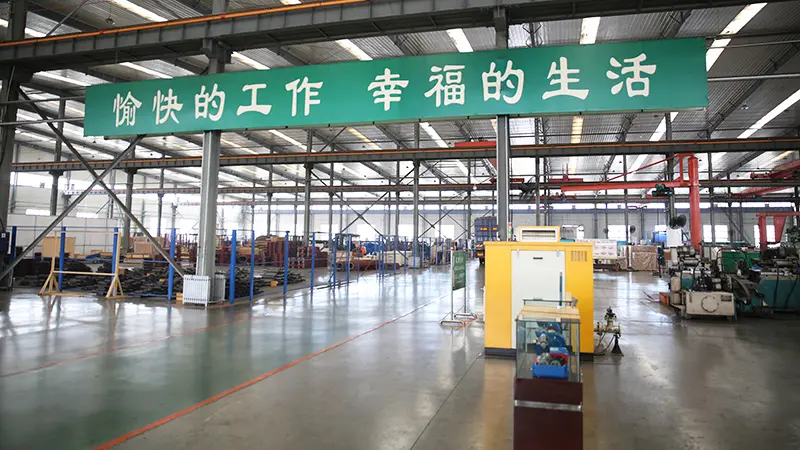
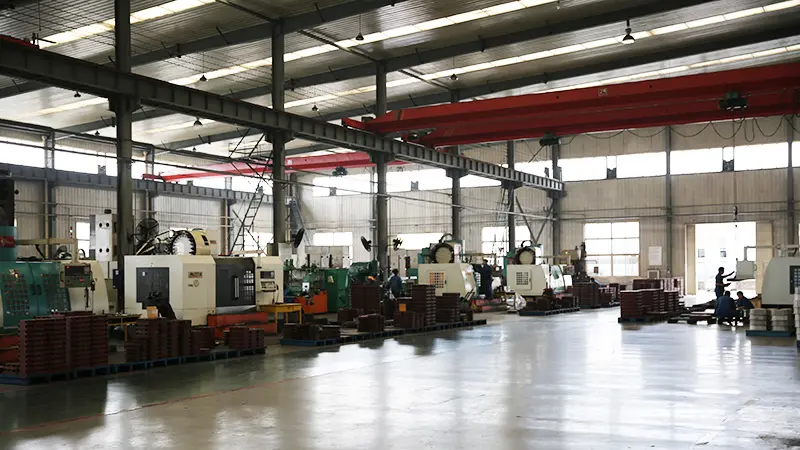
Equipped with state-of-the-art testing equipment and high-precision CNC machining centers, ZCBC ranks at the forefront of China's machinery manufacturing sector. Our engineering facilities deploy international processing lines, including five-axis machining systems, three-coordinate measuring instruments, and specialized ultrasonic flaw detectors imported from Japan and Germany.
In addition to hardware, we utilize the Product Life-cycle Management (PLM) system, computer-aided manufacturing (CAM), and computer-aided testing (CAT) platforms. These tools significantly accelerate engineering customization, ensuring 3D design plans can be rendered and delivered within 24 hours of customer request.
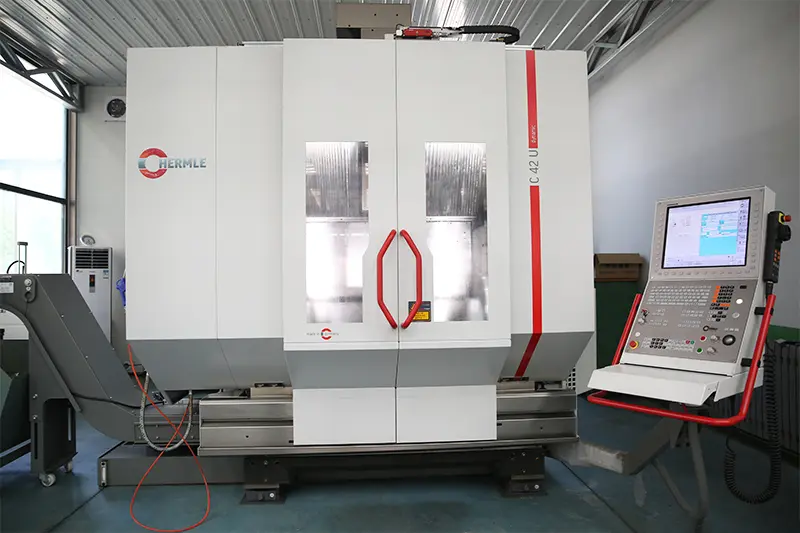
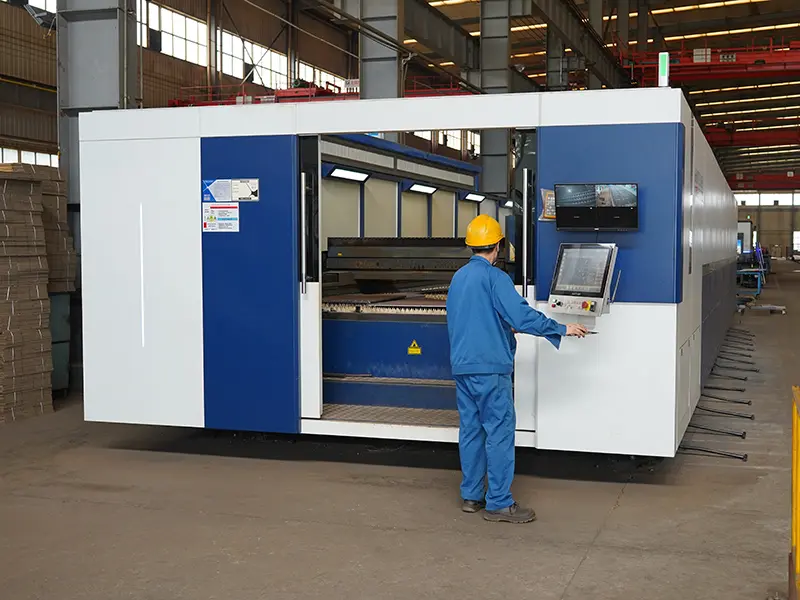
ZCBC maintains a robust research team composed of experts enjoying special allowances from the State Council, senior engineering technicians, and doctors introduced under the Jinan "5150" program. We host a dedicated postgraduate workstation and work in close academic partnership with institutions like Tsinghua University, Xi'an Jiaotong University, the China University of Mining and Technology, and Shandong University, continuously driving technical innovation.
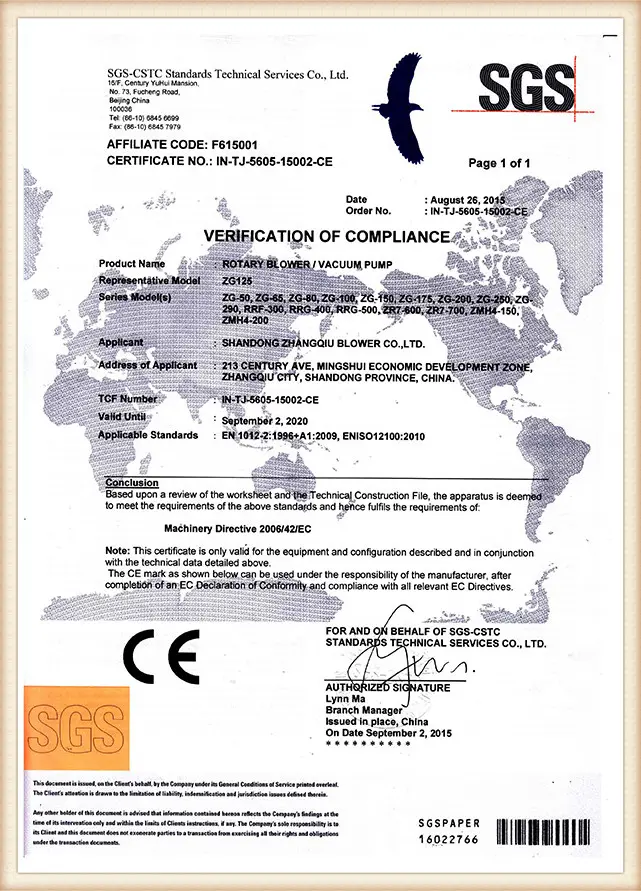
ZCBC has been authorized with 69 patents, including 5 key invention patents and 2 software copyrights. Our production lines are certified under ISO9001 (Quality Management), ISO14001 (Environmental Management), ISO50001 (Energy Management), and ISO10012 (Measurement Management) systems. Relevant products have passed the Safety Mark for Mining Products, European CE certification, and the national mandatory product certification (3C).
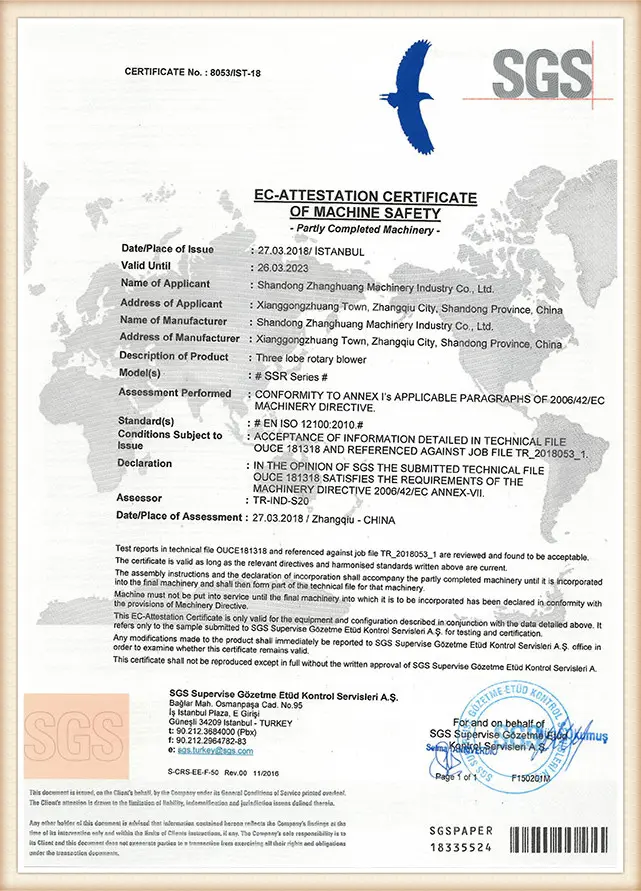
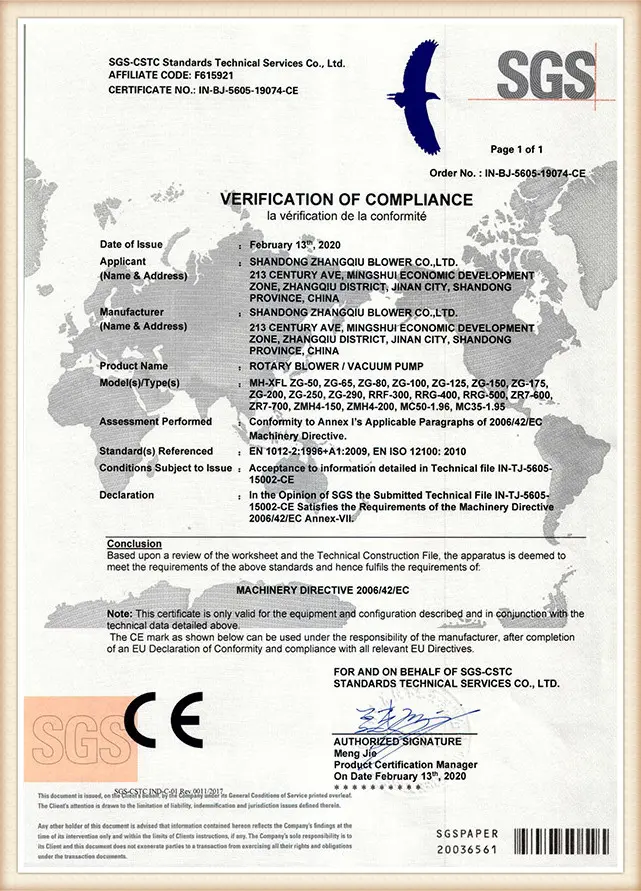
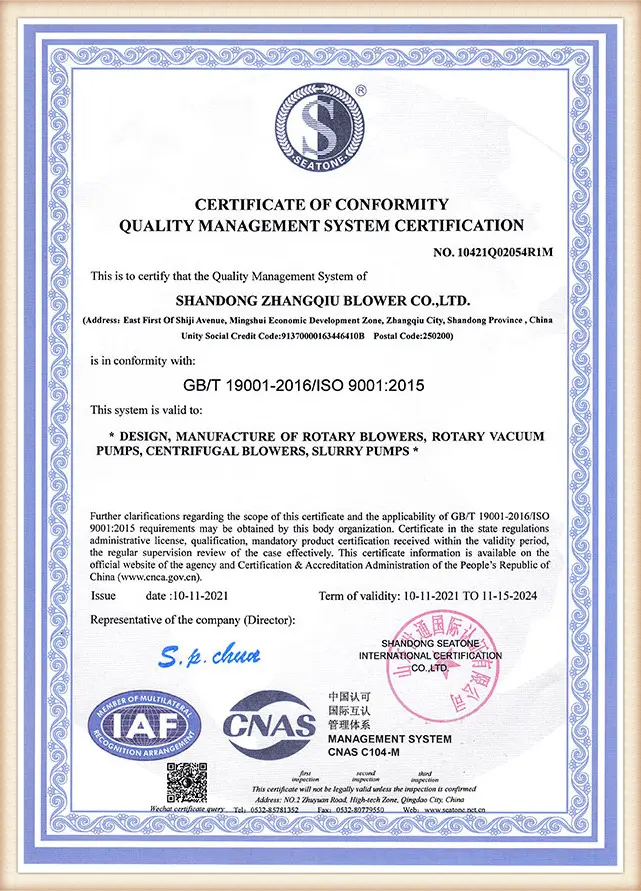
ZCBC products are exported to more than 70 countries, including the United States, Germany, and Italy, backed by overseas branches and joint ventures.
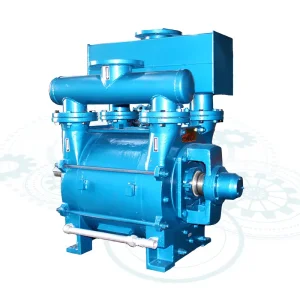
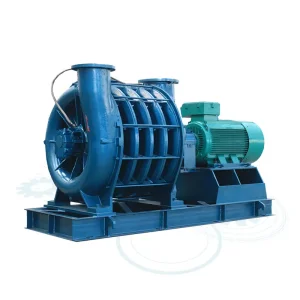
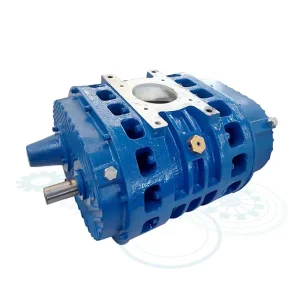
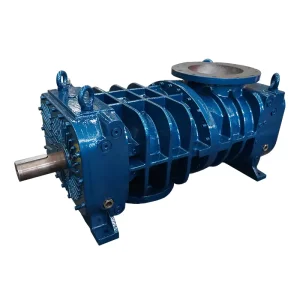
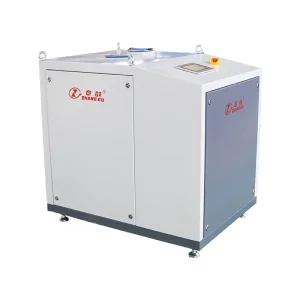
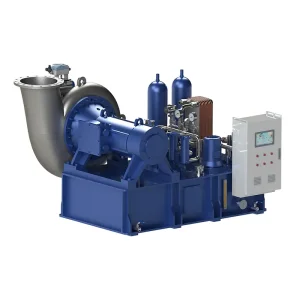
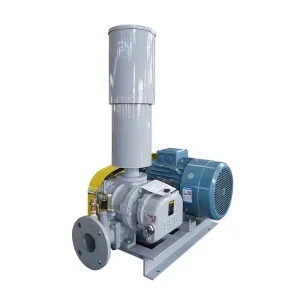
From Roots Blowers and Multi-stage Centrifugal systems to Industrial Slurry Pumps and MVR Evaporation arrays, ZCBC provides comprehensive engineering packages.
Our dedicated design team delivers detailed 3D CAD drawings within 24 hours of receiving parameters, reducing engineering lead times.
All products undergo rigorous physical performance index testing to meet CE, 3C, and international mining standards before shipment.
For plant engineers, optimizing sump operations requires an understanding of vertical cantilever and submerged pump design variables. Below are answers to key technical questions:
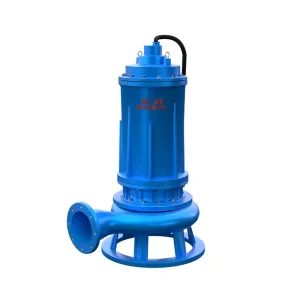
Submersible pumps require motor encapsulation and specialized mechanical seals that operate directly within the abrasive fluid. In contrast, vertical cantilever long-shaft pumps position the motor, bearings, and seals above the sump floor, away from the aggressive slurry. This seal-less wet-end design eliminates seal wear and prevents fluid ingress into the motor housing.
Typically, cantilever vertical slurry pumps operate reliably without intermediate guide bearings at lengths up to 2.4 meters. Extending past this length requires heavy-duty tapered shafts to maintain structural integrity. For deeper sumps, customized suction extension pipes can be fitted to draw fluid from depth while keeping the mechanical shaft within safe cantilever limits.
High-chromium alloys (such as Cr27) are highly resistant to impact wear from coarse, sharp particles. Natural rubber or polyurethane liners are well-suited for fine, highly corrosive slurry profiles. The choice of material depends on fluid characteristics, solid size distribution, pH level, and velocity.
We utilize Finite Element Method (FEM) modeling to calculate the critical speeds of our pump shafts. By designing heavy-duty, tapered, solid steel shafts and integrating them with robust double-row spherical roller bearings in the above-ground housing, we minimize shaft deflection and mechanical vibration under high load conditions.
 Zhangqiu