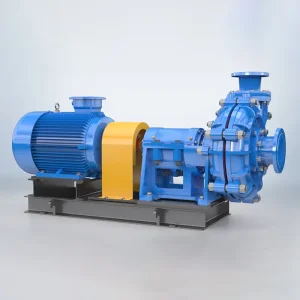
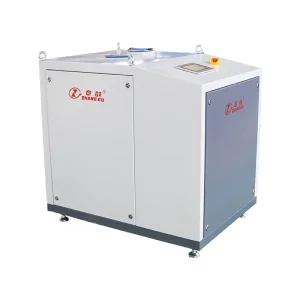
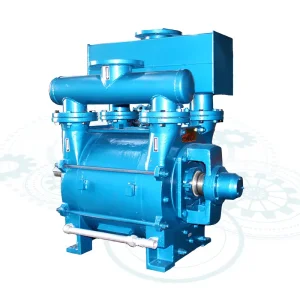
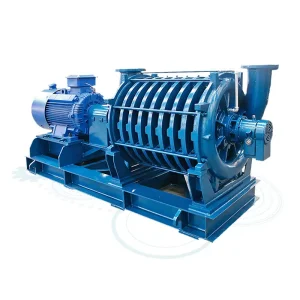
In modern mineral processing and extractive metallurgy, the performance of the ball mill discharge ore pump defines the operational uptime and overall economic efficiency of the grinding circuit. As mining operations globally transition to processing lower-grade ores, the volume of material processed per hour has expanded exponentially. This shift necessitates highly durable, hydraulically optimized, and cost-effective pumping systems capable of handling high-density, abrasive, and corrosive slurries containing coarse geological particulates.
Typically situated at the exit point of primary grinding circuits, ball mill discharge pumps operate under the most severe conditions. The discharged slurry features high solid concentrations, often exceeding 60% by weight, consisting of sharp, hard rock fragments such as quartz, copper ore, iron ore, and gold run-of-mine materials. In searching for cheap ball mill discharge ore pump suppliers, global procurement teams must balance initial capital expenditure (CAPEX) with long-term operational expenditure (OPEX). The true cost of a pump is not merely its purchasing price, but the cost per ton of processed ore, factoring in wear-liner life, impeller degradation, energy consumption, and unplanned downtime.
From South America's massive copper pits to Western Australia's iron ore hubs, the demand for high-capacity, wear-resistant pumps is surging. Navigating the crowded supplier market requires a thorough understanding of hydraulic dynamics, materials science, and supply chain logistics. Selecting the right industrial partner ensures steady flow rates, minimal cavitation risk, and maximum equipment availability.
China has transformed its industrial base from simple high-volume assembly to advanced, high-precision engineering and metallurgy. For heavy-duty equipment like ball mill discharge pumps, Chinese factories utilize sophisticated raw materials such as ultra-high-chromium white iron alloys (up to 30% Cr), advanced silicon carbide ceramics, and proprietary elastomeric compounds. This technological shift enables Chinese suppliers to compete directly with traditional Western heritage brands on wear life while offering a substantial cost advantage.
Shandong Zhangqiu Blower Co., Ltd. (ZCBC) represents the pinnacle of this Chinese manufacturing evolution. Established with over 50 years of industrial design and manufacturing experience, ZCBC has integrated advanced production paradigms—including state-of-the-art five-axis CNC machining, automated foundry control, and computer-aided testing (CAT) labs—to deliver high-efficiency slurry handling equipment. By leveraging robust domestic supply chains, integrated engineering centers, and localized steel and alloy production, Chinese manufacturers can supply robust equipment at highly competitive prices.
Furthermore, Chinese factories excel in design agility. By utilizing Product Lifecycle Management (PLM) systems and computerized fluid dynamics (CFD) simulation software, engineering teams can tailor the hydraulic profile of pump impellers to match specific particle size distributions (PSD) and slurry densities. This rapid customization ensures that global operators receive custom-configured pumping units within weeks rather than months, significantly shortening project implementation timelines.
Utilizing high-chrome white iron and hyper-eutectic alloys with hardness ratings exceeding 600 BHN to resist intense kinetic abrasion and particle impact.
Computational Fluid Dynamics (CFD) modeled impellers minimize internal turbulence, reduce local cavitation, and maximize hydraulic transfer efficiency.
Flexible options between high-chromium alloy, natural wear-resistant rubber, and ceramic inserts to adapt seamlessly to varying ore characteristics.
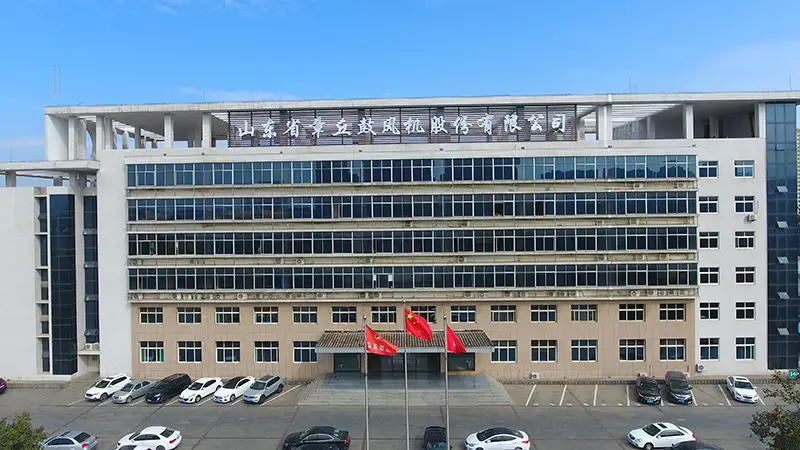
With its rich history dating back to its origins as Shandong Zhangqiu Blower Works, Shandong Zhangqiu Blower Co., Ltd. (ZCBC) has established itself as an engineering pioneer. Listed on the Shenzhen Stock Exchange in July 2011 (Stock Code: 002598), the company has systematically expanded its product portfolio. Beyond world-class Roots blowers, centrifugal blowers, and vacuum pumps, ZCBC is a certified leader in heavy-duty industrial pumps, MVR evaporation systems, pneumatic conveying machinery, and wastewater treatment services.
Operating from a newly constructed, state-of-the-art 430,000 m² modern industrial park since 2005, the parent corporation manages 20 holding companies and operates major manufacturing bases in Wuxi, Dongguan, Chenzhou, and Jinchang, supported by dedicated R&D hubs in Beijing, Shanghai, Shijiazhuang, and Wuxi. This robust nationwide infrastructure enables the delivery of customized engineering packages designed for heavy industrial operations globally.
ZCBC's design teams work closely with prestigious domestic academic institutions, including Tsinghua University, Xi'an Jiaotong University, China University of Mining and Technology, and Shandong University. This collaborative framework ensures that ZCBC remains at the cutting edge of fluid dynamics research, thermodynamic engineering, and materials science. ZCBC can generate complete 3D CAD files and performance simulations within 24 hours of receiving operational specifications.
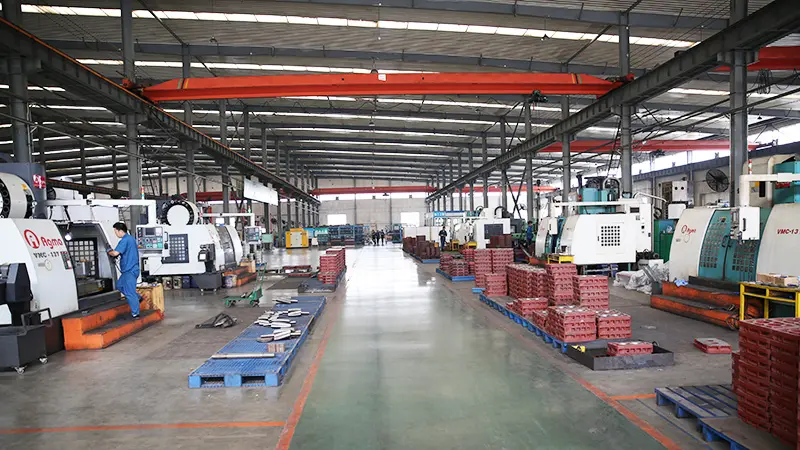
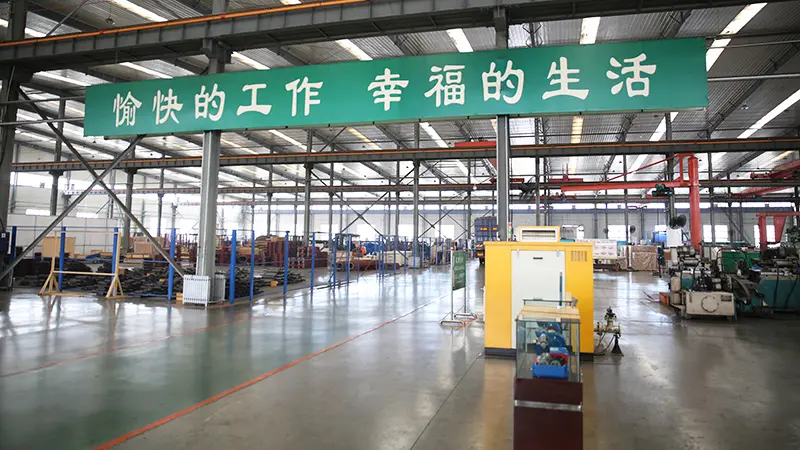
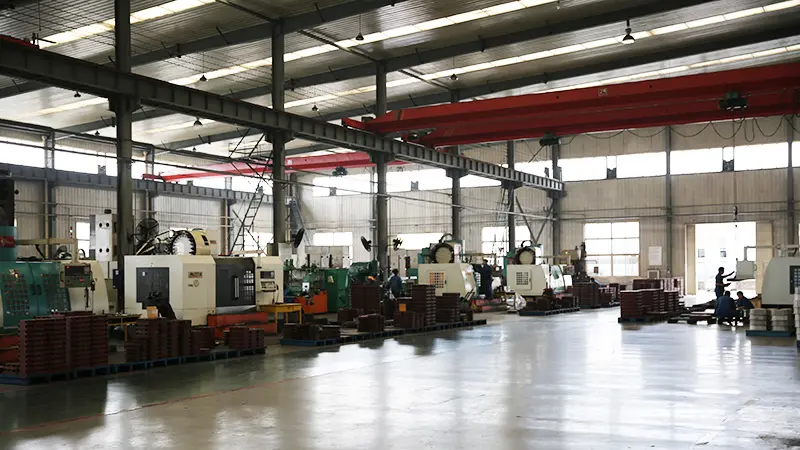
In raw industrial operations, the local mineralogical and physical environment determines pump wear mechanics and life expectancy. The following scenarios demonstrate how tailored pump designs address these specific operating conditions:
1. High-Density Copper and Gold Flotation Circuits: In these setups, primary ball mill discharge consists of hard, abrasive quartz and sulfide minerals. The pump must lift the dense slurry directly to hydrocyclone clusters for sizing. This requires a thick-walled, high-chromium alloy liner that can withstand high kinetic impacts and shear forces. By using optimized impeller designs with expeller vanes, pressure on the shaft seal is minimized, reducing both seal water dilution and premature seal failure.
2. Iron Ore Concentrators and Fine Grinding: Processing iron ore involves handling dense, high-specific-gravity materials. In these circuits, standard slurry pumps can wear out rapidly, leading to frequent maintenance shutdowns. The solution requires a hard-metal pump casing combined with wear-resistant rubber or ceramic composite impellers. These composite materials absorb kinetic energy from smaller, high-velocity particles, resulting in up to triple the service life compared to standard iron impellers in fine-slurry environments.
3. Acidic Mineral Processing (Gold Cyanidation & Copper Leaching): Under acidic conditions, chemical corrosion accelerates mechanical wear, a process known as erosion-corrosion. To address this, pump manufacturers supply stainless steel alloys, specialized elastomers, or structural ceramic materials (such as ZCBC's Ceramic Slurry Pump series). This ensures the pump remains chemically inert while retaining its physical hardness.
The global mining industry is undergoing rapid digital transformation. Operators are shifting from reactive maintenance to predictive, data-driven frameworks. Consequently, procurement managers now seek intelligent pumping systems equipped with real-time diagnostic sensors. These sensors monitor parameters such as bearing temperature, vibration profiles, casing wear depth, and seal chamber pressure, allowing operators to plan maintenance proactively and prevent catastrophic failures.
In response to this demand, leading manufacturers like Shandong Zhangqiu Blower are integrating smart monitoring systems directly into their pumps. These systems connect to central SCADA platforms, providing early warnings for cavitation or liner wear. This technological advancement reduces unplanned shutdowns, extending the operating life of the mill circuit.
At the same time, global environmental regulations are driving demand for energy-efficient pump designs. Because slurry transport accounts for a significant portion of a concentrator's power budget, even a 2% to 3% improvement in hydraulic efficiency can lead to substantial energy savings. Modern pump designs prioritize smooth internal flow pathways and low-friction wear liners to maximize efficiency, aligning industrial operations with global decarbonization goals.
Rapid wear is primarily caused by abrasive slurry particles impacting internal components at high velocities. Because the discharge from a ball mill is unsized, it contains coarse, sharp particles that generate high shear stresses and micro-fractures on impellers and liners. To mitigate this wear, operators should select high-chromium alloys (typically 27% to 30% Cr) and adjust pump speeds to keep pipe velocities just above the critical settling velocity, minimizing unnecessary kinetic wear.
Rubber liners excel at handling fine slurry particles (under 5mm) and offer excellent resistance to acid corrosion, absorbing impact energy through elastic deformation. However, they are prone to tearing when handling the large, sharp rocks often found in primary ball mill discharge. For coarser mixtures, high-chromium white irons are the preferred choice, as their high material hardness resists direct cutting and gouging from larger mineral fragments.
Cavitation occurs when the Net Positive Suction Head Available (NPSHa) drops below the Net Positive Suction Head Required (NPSHr) by the pump. To prevent this, operators should minimize intake pipe lengths, avoid sharp elbows, and position the slurry sump at a higher elevation relative to the pump inlet. Regular inspections are also essential to ensure suction lines remain free of mineral buildup.
The choice of seal depends on water availability and cost constraints. Gland packing seals are reliable and cost-effective but require a steady supply of clean flushing water. Expeller seals (centrifugal dynamic seals) operate water-free by using internal pressure differentials, making them ideal for remote or dry locations, though they are less effective at low speeds. For hazardous or chemical slurries, mechanical seals provide a secure, leak-free barrier but carry higher initial costs.
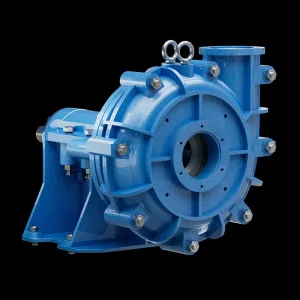
 Zhangqiu