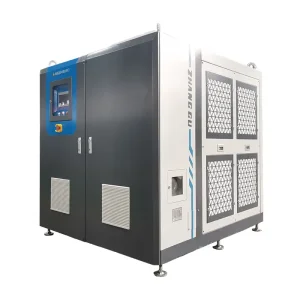
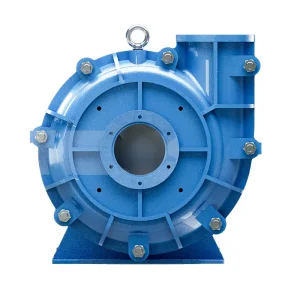
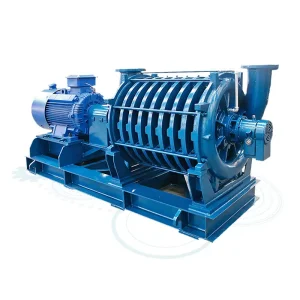
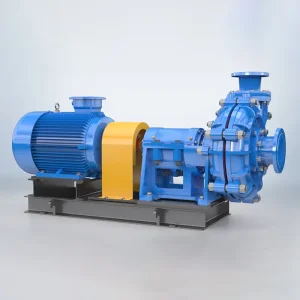
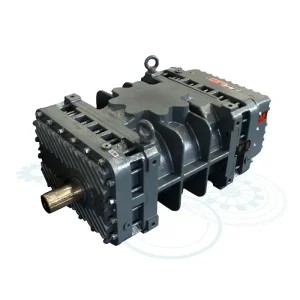
Explore our high-efficiency blowers, wear-resistant slurry pumps, and engineered circulation components designed for extreme environments.
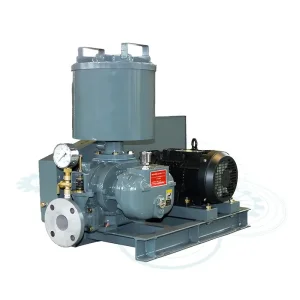
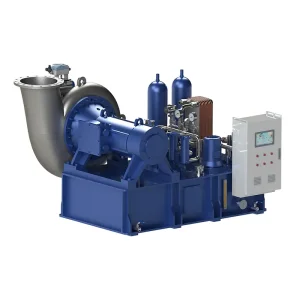
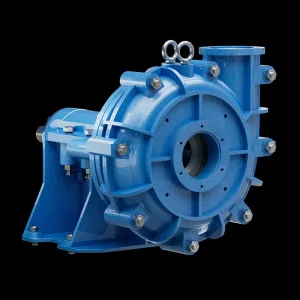
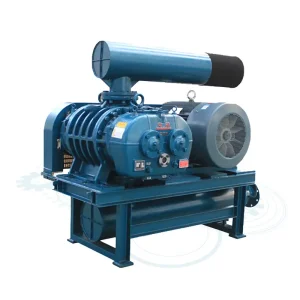
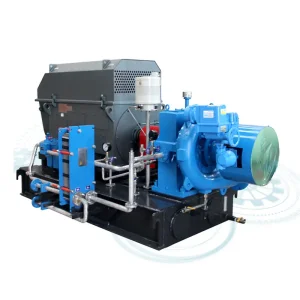
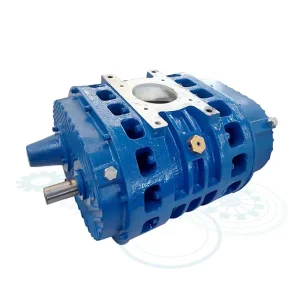
In modern process engineering, the demand for highly reliable fluid transport remains paramount. Chemical circulation pumps act as the heart of complex industrial systems, continuously moving hazardous, corrosive, high-temperature, or toxic media. From basic inorganic chemical plants to advanced semiconductor fabrication cleanrooms, these pumps are critical in managing reaction velocities, ensuring heat dissipation, and preventing catastrophic systemic pressure drops.
Historically, the global market was dominated by Western manufacturers focused heavily on custom-engineered, premium-tier solutions. However, as global supply chains have integrated and manufacturing standards have standardized internationally, procurement managers are increasingly searching for cost-effective alternatives that do not sacrifice safety. The rise of robust chemical circulation pump suppliers in developing manufacturing hubs has rewritten the operational playbook. Companies no longer have to pay excessive premiums to guarantee compliance with API, ISO, or DIN standards. High-integrity seals, magnetic coupling technologies, and advanced chemical-resistant metallurgy are now available from leading suppliers at significantly reduced initial capital expenditure (CapEx).
In North America and Europe, stringent environmental protection regulations (such as EPA mandates and REACH directives) have accelerated the adoption of zero-emission pumping systems. Magnetic drive (mag-drive) pumps and canned motor configurations have transitioned from niche specialty choices to mandatory baselines. This transition requires suppliers to maintain exceptional precision in manufacturing tolerances to prevent mechanical seal failures and hazardous dry-running scenarios.
When procurement divisions search for "cheap" chemical circulation pump suppliers, the primary objective is to lower the Total Cost of Ownership (TCO) without diminishing quality or safety. China's industrial manufacturing ecosystem has shifted from a low-cost, labor-intensive base to a highly automated, scale-driven powerhouse. Factories like Shandong Zhangqiu Blower Co., Ltd. (ZCBC) leverage this system to deliver highly cost-competitive products while utilizing top-tier materials and quality management.
"Cost-efficiency in China is no longer achieved by reducing material grades. It is driven by advanced vertical integration, automated raw material casting, high-precision five-axis CNC machining, and comprehensive digital lifecycle management (PLM)."
The efficiency of a modern Chinese factory rests on three core pillars:
Originally known as Shandong Zhangqiu Blower Works, Shandong Zhangqiu Blower Co., Ltd. (ZCBC) represents over 50 years of design, manufacturing, and field experience. From a specialized state blower manufacturer, the company has evolved into a comprehensive global industrial supplier. On July 7, 2011, the company was officially listed on the Shenzhen Stock Exchange (Stock Code: 002598), cementing its status as an industry leader.
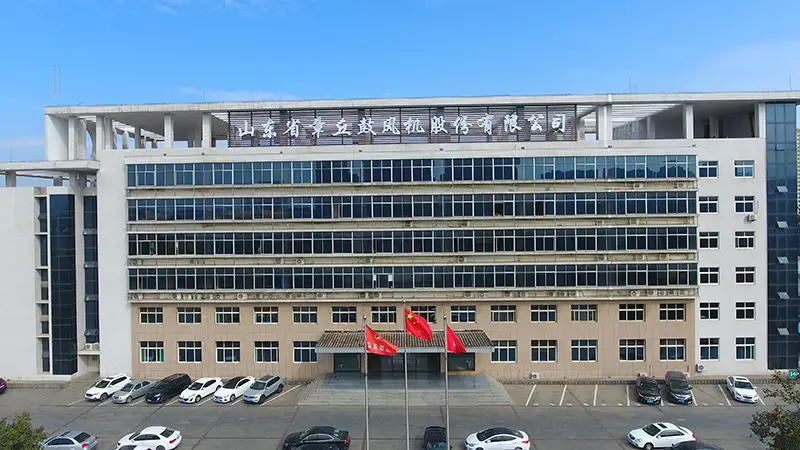
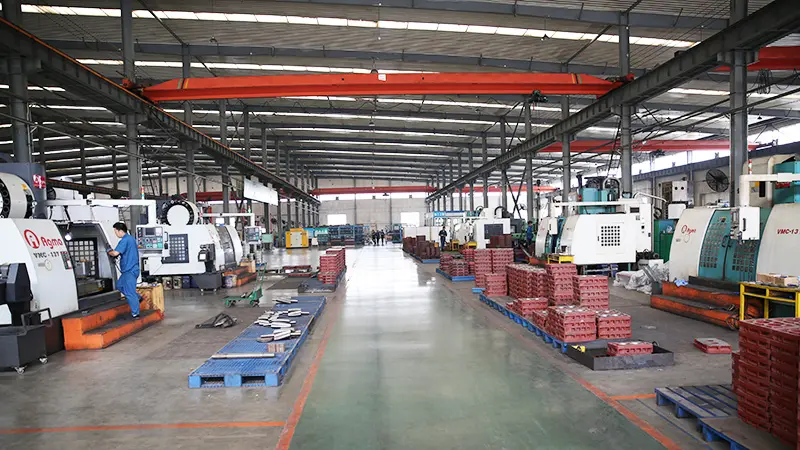
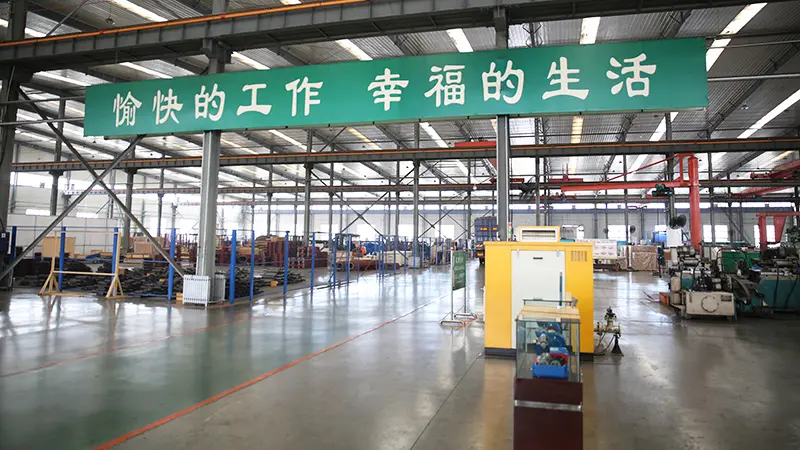
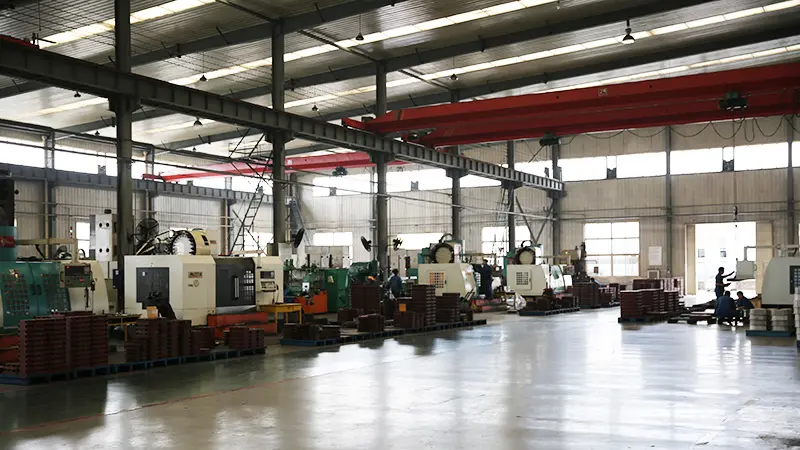
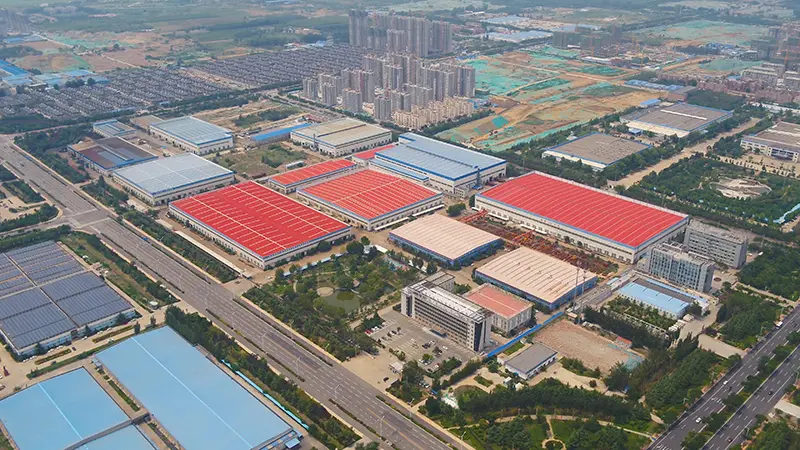
Guided by the core strategy "Develop main business, pioneer new fields and innovate, cooperate to be a great company" and the work philosophy "Do the best," ZCBC operates a state-of-the-art 430,000 m² industrial park. This facility integrates engineering design, modern foundry work, precision machining, performance testing, and logistical staging. The company operates two Sino-Japanese joint ventures and an active U.S. branch, reflecting its commitment to global engineering standards.
ZCBC maintains four primary manufacturing bases in Wuxi (Jiangsu), Dongguan (Guangdong), Chenzhou (Hunan), and Jinchang (Gansu), supported by specialized R&D centers in Beijing, Shanghai, Shijiazhuang, and Wuxi. This network ensures rapid response times, regional customization, and technical collaboration across diverse industries.
| System Category | Technical Capacity / Equipment Installed | Operational Function |
|---|---|---|
| Design & PLM | World-class Product Lifecycle Management & CAPP | Accelerates custom pump layout and 3D CAD modeling. |
| Machining Equipment | Imported CNC Centers, Five-axis Machining, Japanese CNC lathes | Guarantees dimensional stability for critical seal chambers. |
| Quality Auditing | Three-axis coordinates, Ultrasonic Flaw Detection, CAT labs | Ensures defect-free castings and dynamically balanced impellers. |
| Certifications | ISO9001, ISO14001, ISO50001, CE, ATEX Compliance | Meets international safety, efficiency, and environmental metrics. |
Chemical circulation pumps are deployed in demanding processing environments that dictate specific material selections and seal designs:
Circulating organic solvents, high-temperature hydrocarbons, and corrosive catalysts. Pumps must resist high pressures and prevent emissions of volatile organic compounds (VOCs).
Handling highly corrosive media like wet chlorine, hydrochloric acid, and concentrated sodium hydroxide. Requires chemically inert non-metallic linings or exotic titanium/ceramic components.
Managing high-density abrasive slurries in wastewater concentration and mineral separation. Relies on wear-resistant ceramic slurry pumps (such as the TZJK-TD series).
The chemical processing sector is undergoing rapid evolution. Today's plant operators face twin pressures: reducing carbon footprints while maximizing runtimes between maintenance intervals. Key industry trends include:
Energy Efficiency: Pumps consume a significant portion of industrial electricity. The integration of permanent magnet synchronous motors (PMSM) and variable frequency drives (VFDs) ensures that pumps operate at their Best Efficiency Point (BEP) even under varying flow conditions.
Zero Leakage (Emission Containment): With environmental standards tightening globally, mechanical seal failures are unacceptable. Magnetic coupling drives replace dynamic seals with static containment shells, eliminating a primary source of industrial pump leaks.
Smart Diagnostic Integration: Modern installations utilize vibration sensors, temperature monitors, and acoustic transmitters to transition from reactive maintenance to predictive health monitoring. This mitigates unplanned downtime.
Selecting a chemical circulation pump vendor requires verifying both financial stability and engineering capabilities. Below is a strategic evaluation framework for procurement managers:
By maintaining rigorous manufacturing standards and deep engineering partnerships, Shandong Zhangqiu Blower Co., Ltd. delivers cost-effective fluid transfer solutions that perform reliably in demanding chemical and industrial applications.
Complete your chemical process circuit with our comprehensive range of multi-stage blowers, heavy-duty slurry pumps, and vacuum systems.
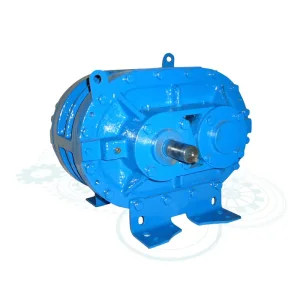
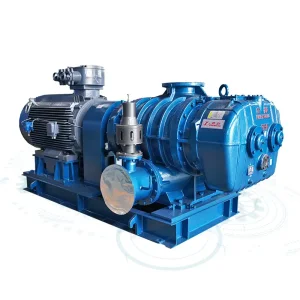
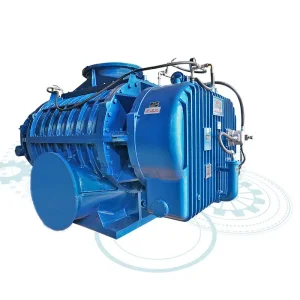
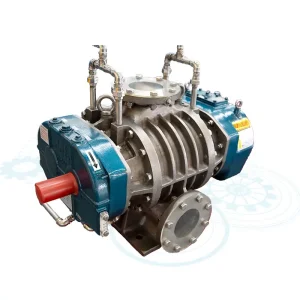
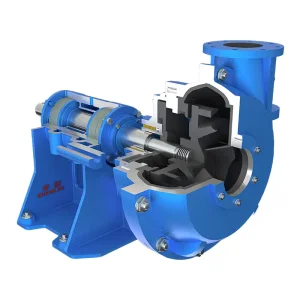
Product reliability in safety-critical chemical processing relies on rigorous engineering validation. ZCBC has developed proprietary technologies in key operational areas, including:
ZCBC is a designated third-level enterprise for safety production standardization. Our operations are certified under ISO9001 (Quality Management), ISO14001 (Environmental Management), ISO50001 (Energy Management), and ISO10012 (Measurement Management) standards. Key product lines hold Mining Product Safety Marks, CE certification, and energy efficiency classifications.
Get professional answers from our engineering department regarding chemical pump selection, materials, and operation.
Mechanical seal pumps rely on physical contact surfaces to prevent fluid escape along the rotating shaft, which can wear over time. Magnetic drive (mag-drive) pumps utilize an outer magnet rotor that drives an inner magnet rotor through a solid, static containment shell, creating a fully sealed, sealless design that prevents leaks when handling hazardous or toxic chemicals.
As a public company listed on the Shenzhen Stock Exchange (Stock Code: 002598), ZCBC achieves cost efficiencies through automated manufacturing at our 430,000 m² industrial park. We leverage vertical integration, advanced CNC machining centers, and large-scale manufacturing to optimize production costs without compromising material specifications or quality control standards.
For highly corrosive acids like hydrochloric or warm sulfuric acid, non-metallic linings such as PTFE, PFA, or PVDF are highly effective. For applications involving high physical wear or mechanical stresses, specialized engineering ceramics or exotic alloys (such as titanium, Hastelloy C, or duplex stainless steel) are recommended.
ZCBC is certified under ISO9001 (Quality Management), ISO14001 (Environmental Management), ISO50001 (Energy Management), and ISO10012 (Measurement Management) standards. Our pumps and industrial blowers can be supplied with CE marks, ATEX compliance for hazardous areas, and performance test curves validated in accordance with ISO 9906 or HI 14.6 standards.
Yes, our engineering department uses PLM and CAD software to design custom systems. We can provide initial 3D models and dimensional drawings within 24 hours based on system parameters, flow sheets, or physical space limitations.
 Zhangqiu