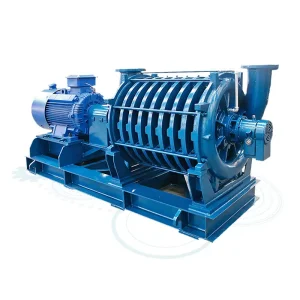
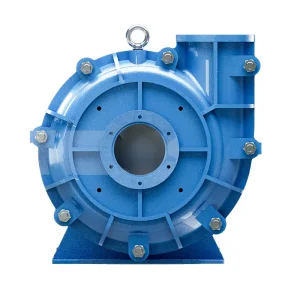
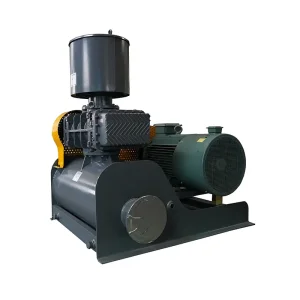
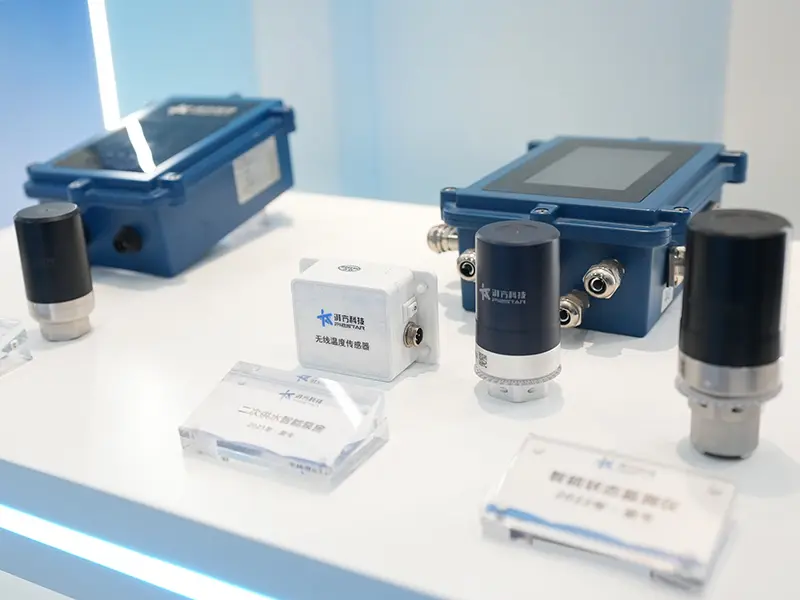
Precision-engineered hardware representing our primary manufacturing competencies and joint-venture developments.
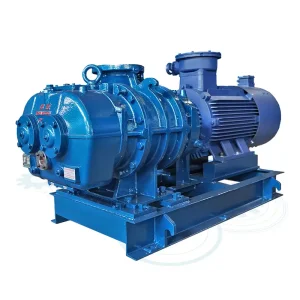
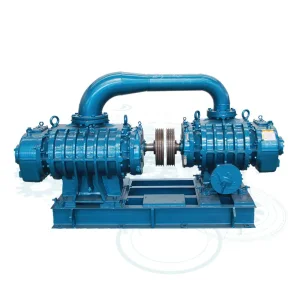
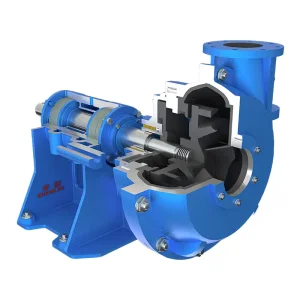
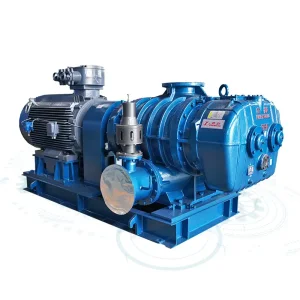
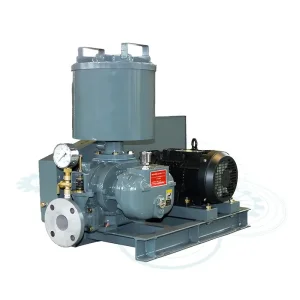
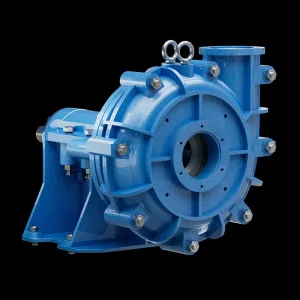
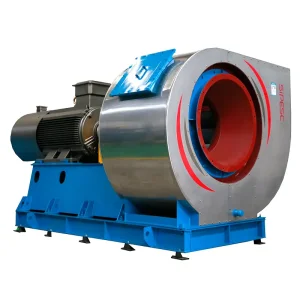
In modern process industries, the request for a cheap circulating water vacuum pump is often misunderstood as a search for low-grade components. From a true total cost of ownership (TCO) standpoint, "cheap" refers to optimized utility consumption, thermodynamic efficiency, reduced service frequency, and high system reliability. The liquid ring vacuum pump uses water or another compatible sealant liquid, which is dynamically thrown against the interior wall of the casing, forming a concentric liquid ring. This configuration performs compression with virtually no metallic contact, delivering isothermal compression characteristics that are vital when handling volatile, corrosive, or flammable gases.
Shandong Zhangqiu Blower Co., Ltd., built on a foundation of over 50 years of manufacturing experience, bridges the gap between cost-competitiveness and peak operational capability. Our proprietary technology platform delivers optimized liquid ring geometries and fluid flow pathways, lowering energy requirements while maximizing suction capacities. This white paper highlights how strategic engineering choices transform standard liquid ring assemblies into highly cost-effective, high-performing vacuum solutions.
Because the sealant fluid absorbs the heat of compression, the system runs close to isothermal temperatures (typically staying within 5°C to 10°C of the inlet water temperature). This safeguards volatile media against ignition or decomposition, making our circulating water pumps the standard choice for chemical distillation, vacuum degassing, and solvent recovery systems globally.
How large-scale fluid handling equipment integrates into modern, smart industrial operations across multiple continents.
In vacuum distillation, crystallization, and reactor degassing, liquid ring pumps act as robust primary stages. When combined with our Roots vacuum boosters, they achieve high vacuum levels while efficiently handling volatile carryover without pump damage.
Supported by Sino-Japanese Joint-Ventures, a dedicated US branch, and four domestic R&D centers (Beijing, Shanghai, Wuxi, Shijiazhuang), our global network ensures direct support, component access, and prompt engineering service.
Our vacuum systems serve as core modules within MVR (Mechanical Vapor Recompression) setups. They manage non-condensable gas extraction, assisting in crystallization processes for zero-liquid-discharge (ZLD) installations.
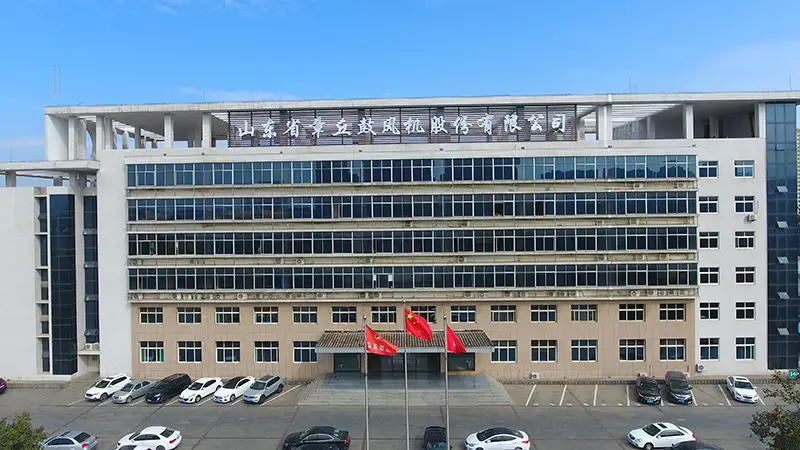
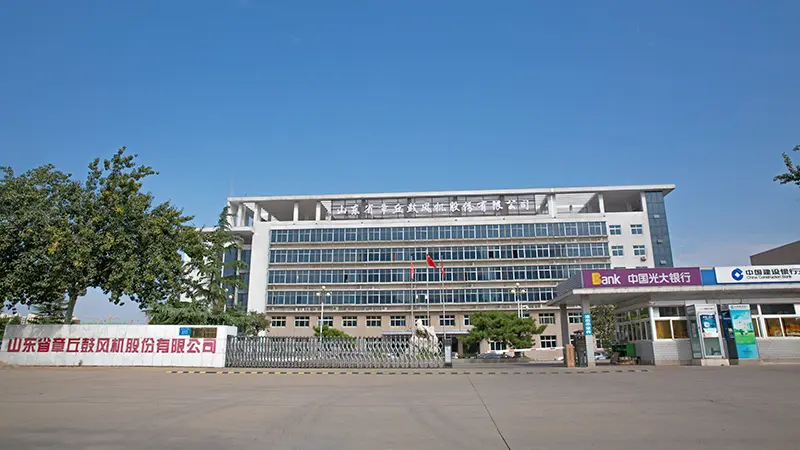
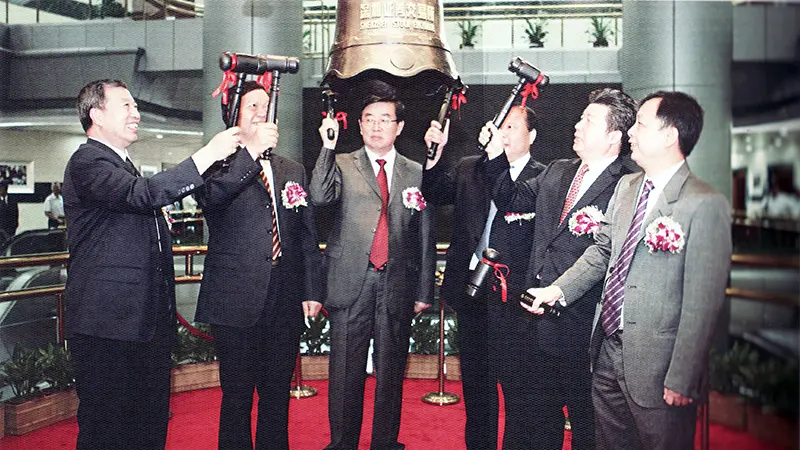
Shandong Zhangqiu Blower Co., Ltd. (formerly Shandong Zhangqiu Blower Works) is a publicly traded company on the Shenzhen Stock Exchange (Stock Code: 002598) with over 50 years of blower design, manufacturing technology, and operational experience. Through technical dedication and global partnerships, we have established two Sino-Japanese Joint-ventures and one USA branch, making us the first enterprise in China's blower industry to establish an overseas branch. We are the leading enterprise in the Zhangqiu local industry, and our main product, the Roots Blower, consistently holds top market occupancy rankings within the Chinese blower industry.
Our overall developing strategy is focused: “Develop main business, pioneer new fields and innovate, cooperate to be a great company”, guided by our working concept, “Do the best”. Today, we stand as a modern, diversified enterprise integrating design, manufacturing, and sales of Roots Blowers, Centrifugal Blowers, Industrial Fans, Slurry and Industrial Pumps, Pneumatic Conveying Systems, Electrical Equipment, and full-scale MVR Evaporation, Concentration, and Crystallization systems, alongside Environmental Protection Water Treatment products.
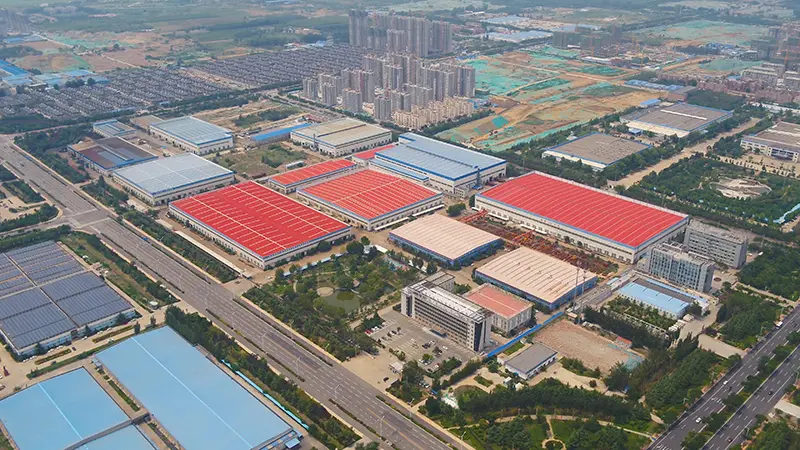
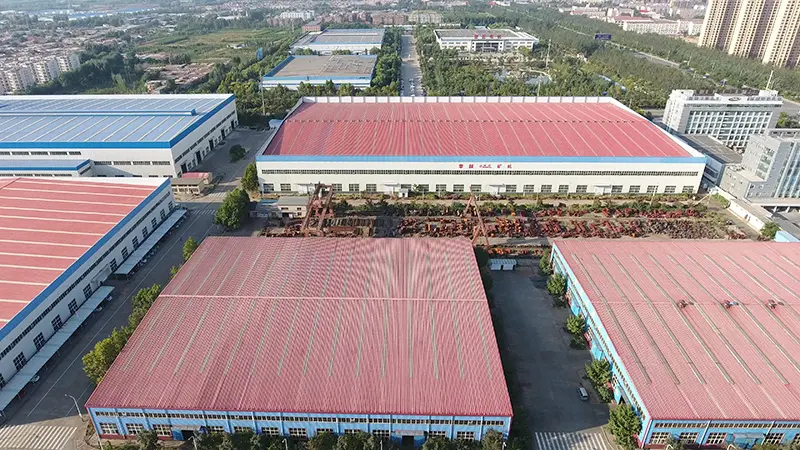
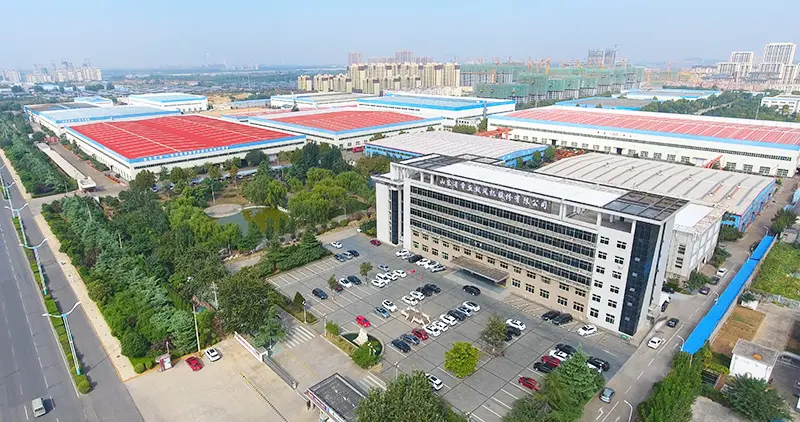
Our modern industrial park, built in 2005, covers an area of 430,000 m². This advanced facility provides ample space for international manufacturing cooperation and technology development. By 2020, our parent company realized an operating income of 1.5 billion yuan with a profit of 150 million yuan. Today, Zhang Drum operates 20 holding companies, four manufacturing bases (in Jiangsu Wuxi, Guangdong Dongguan, Hunan Chenzhou, and Gansu Jinchang), and four distinct R&D centers across Beijing, Shanghai, Shijiazhuang, and Wuxi.
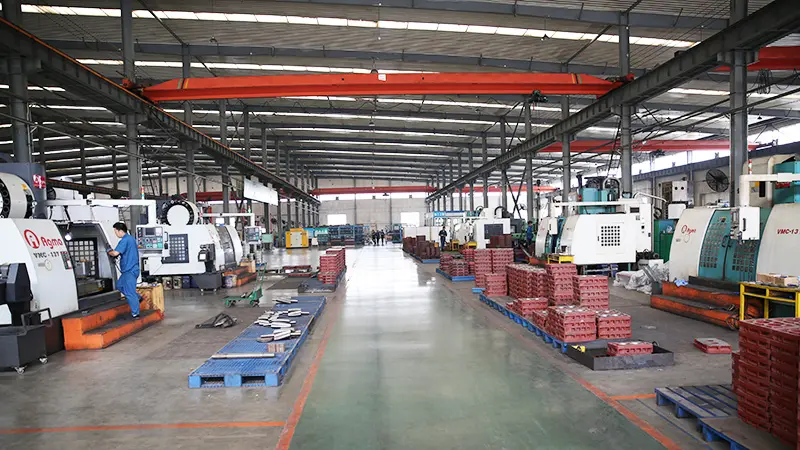
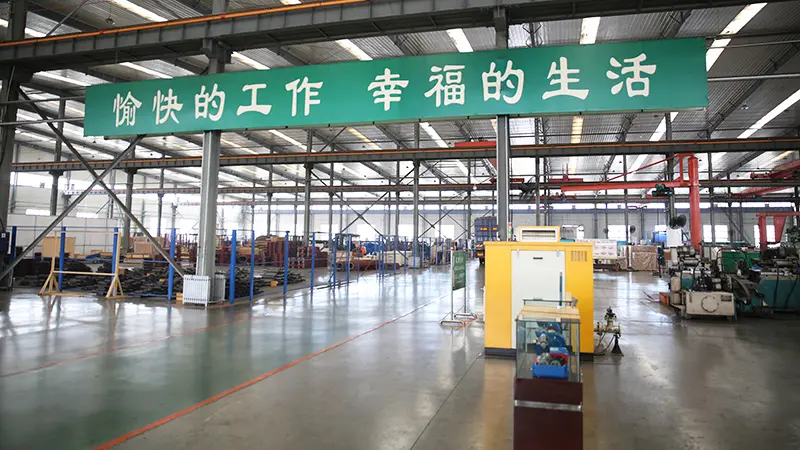
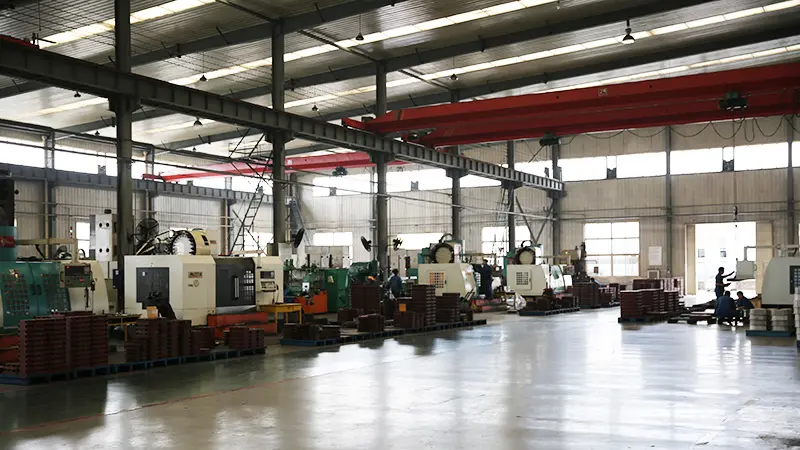
Our technology department utilizes advanced system platforms, including Product Lifecycle Management (PLM), Computer-Aided Manufacturing (CAM), Computer-Aided Process Design (CAPP), and Computer-Aided Testing (CAT). These digital frameworks improve manufacturing precision, reduce development cycles, and ensure dimensional reliability across all casting runs.
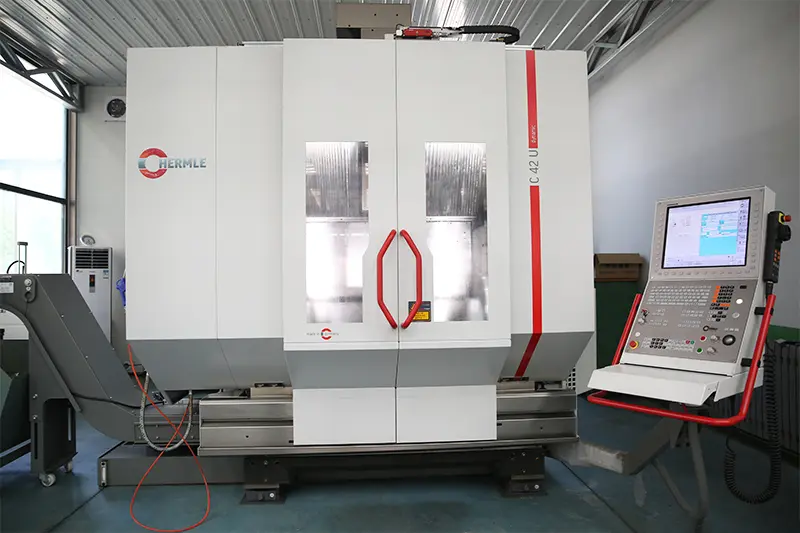
Our machining facility houses over 100 sets of advanced processing equipment, including CNC machining centers, five-axis machining centers, three-dimensional coordinate measuring instruments, and ultrasonic flaw detection systems imported from Japan and Germany.
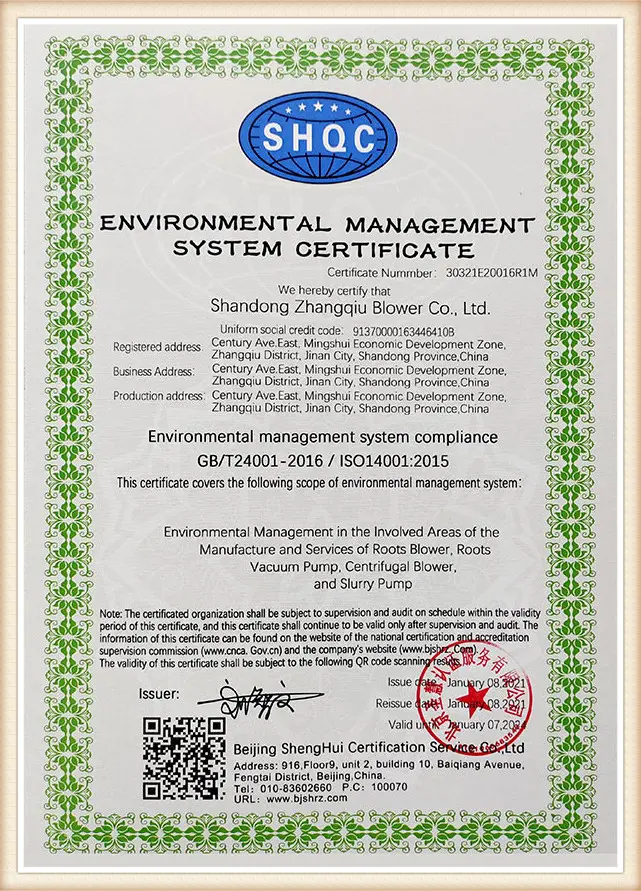
Every product line undergoes performance testing before delivery. Shandong Zhangqiu Blower Co., Ltd. is certified under multiple international management frameworks:
Our research and engineering initiatives have generated 69 patents (including 5 primary invention patents) and 2 software copyrights. Our key patented technologies cover:

Developing custom engineering designs and cultivating specialized talent to support global client operations.
Our leadership team, structured in 1997, established a long-term development strategy focused on core engineering, technological innovation, and joint-venture cooperation. Our design and manufacturing processes are validated by third-party testing reports, ensuring dependable quality across all production lines.
Our technical team includes industrial design specialists, thermodynamic engineers, and materials scientists. Supported by academic partnerships with institutions such as Tsinghua University and Xi'an Jiaotong University, we can provide 3D CAD design configurations within 24 hours of receiving draft requirements.
We maintain an active postgraduate workstation, supported by over 10 domestic and international technical advisors. This framework promotes collaborative research, bringing engineering expertise into our production departments. In addition, our close partnerships with leading domestic universities provide a stable pipeline of technical talent for ongoing system innovation.
Through our foreign trade company and US branch, our industrial equipment is regularly exported to more than 70 countries, including the United States, Germany, and Italy. We continue to expand our operations across three primary manufacturing platforms: intelligent manufacturing, industrial water treatment, and advanced materials engineering.
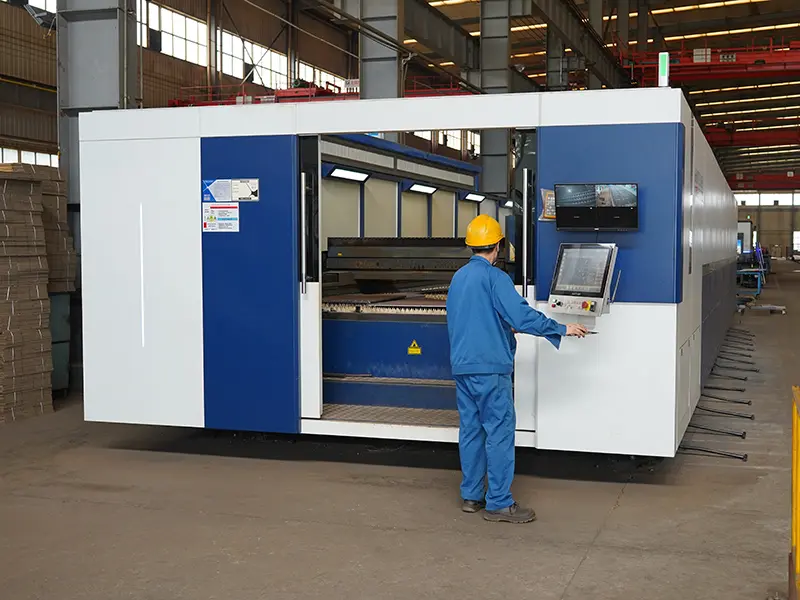
Our manufacturing processes are verified by international standards bodies, certifying compliance with CE, ISO, and mining safety codes.
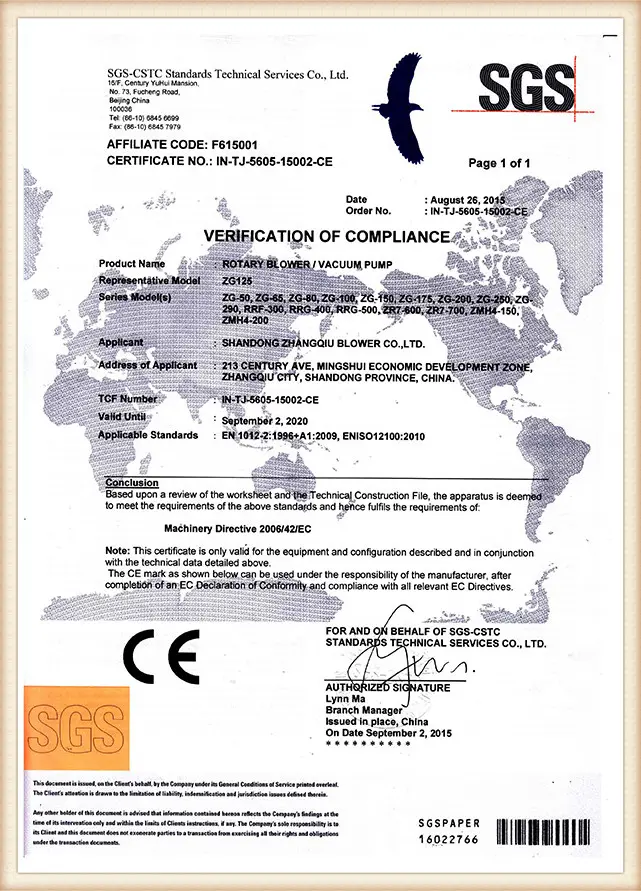
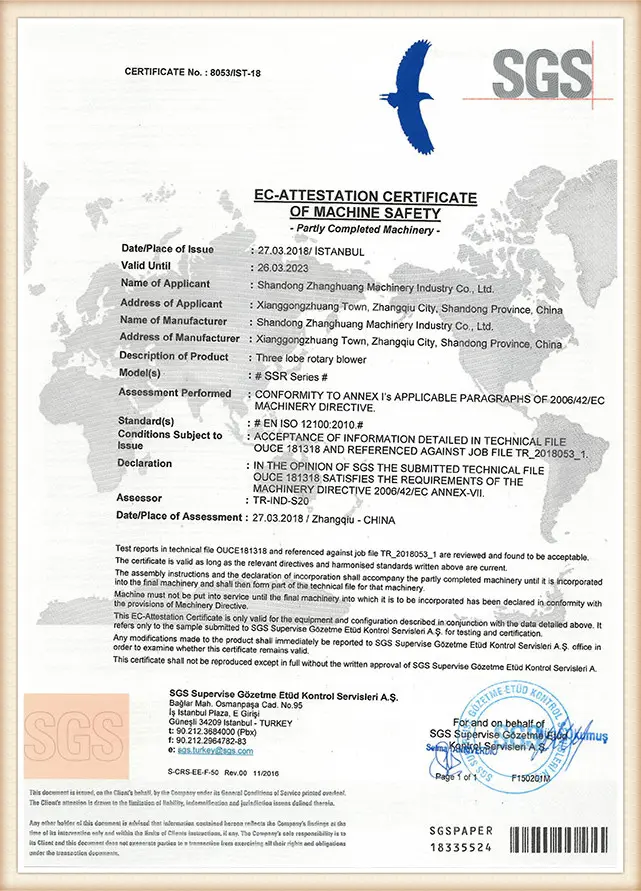
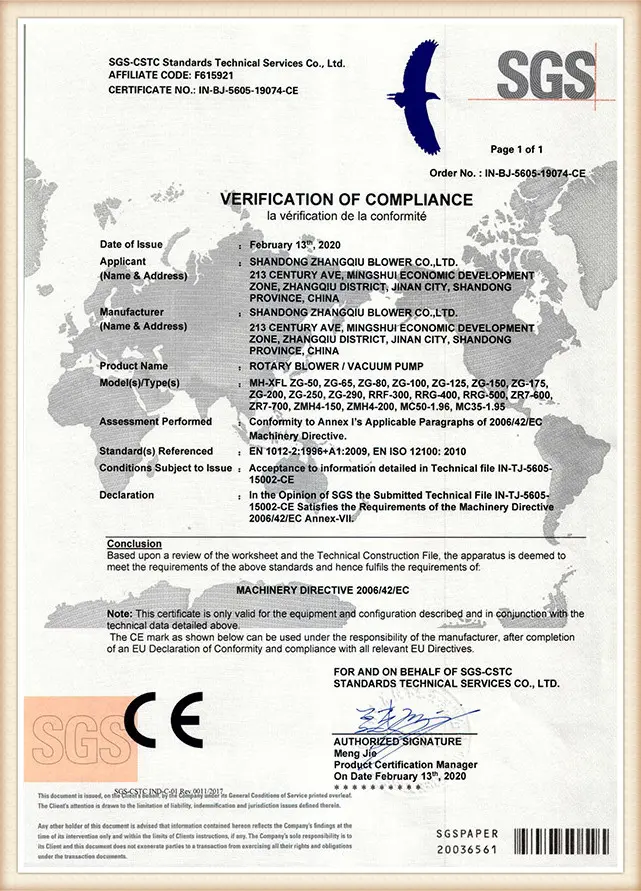
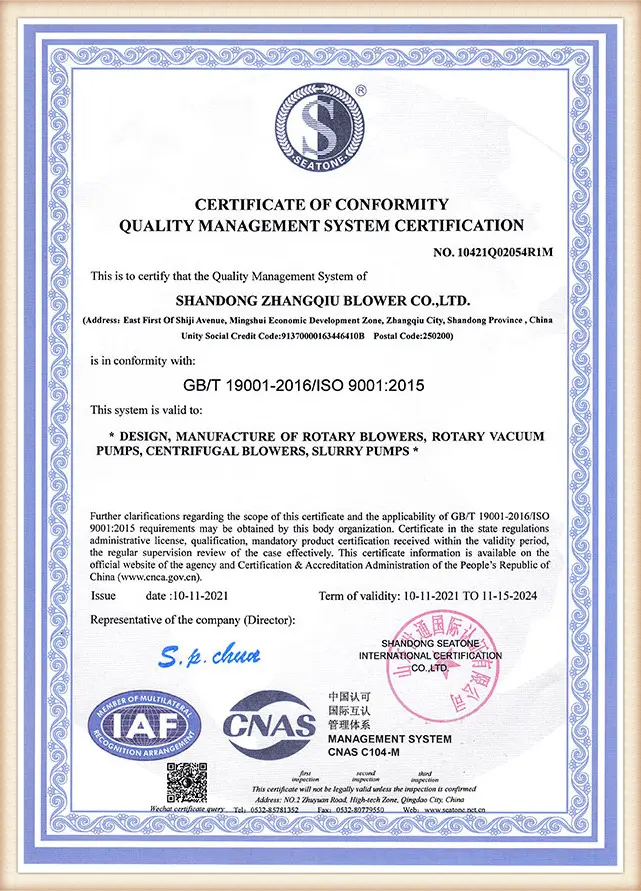

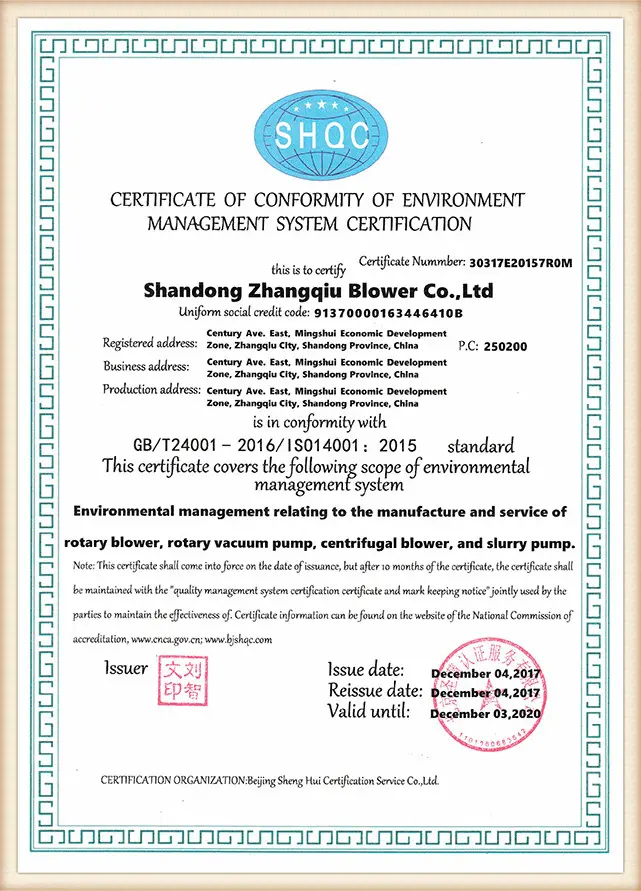
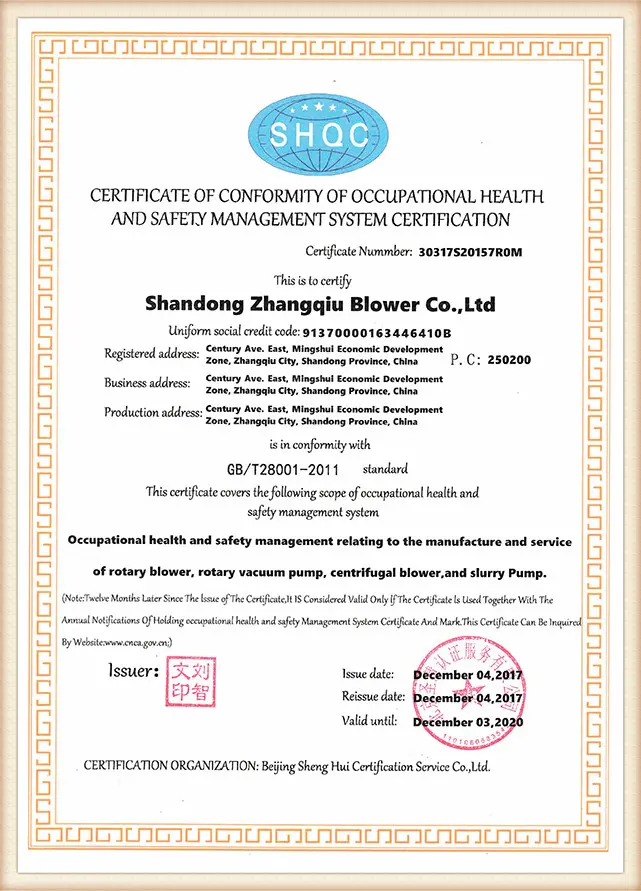
Our Quality Assurance system includes physical performance testing and raw material analysis. We conduct ultrasonic flaw detection, rotor balancing, and mechanical stress testing under real-world pressure scenarios. This technical review helps prevent impeller deformation, shaft fatigue, or casing leaks over extended operation.
By using CNC and five-axis machining centers, we maintain tight tolerances within the pump chambers. This minimizes backflow slippage within our roots vacuum boosters and circulating water systems, maintaining consistent flow rates and target vacuum levels.

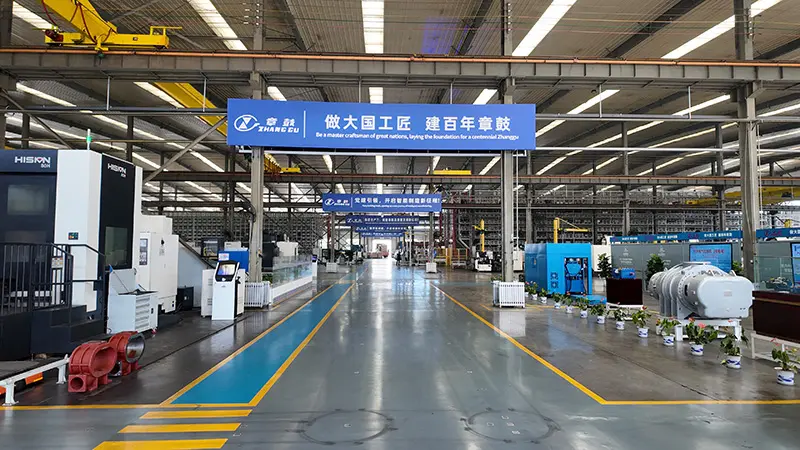
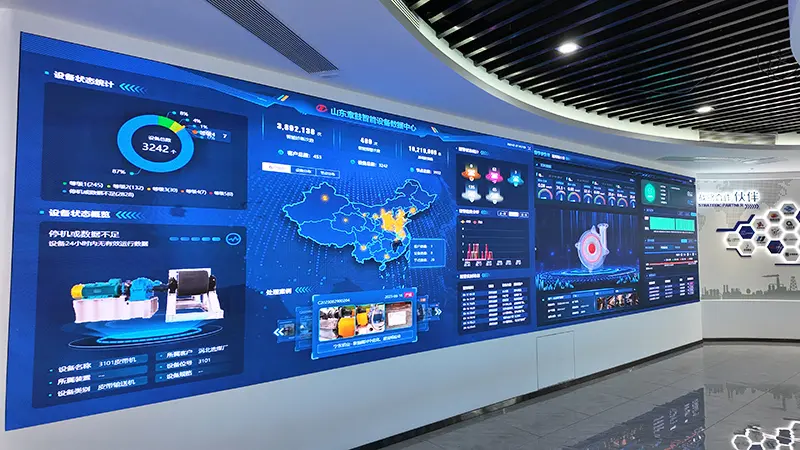
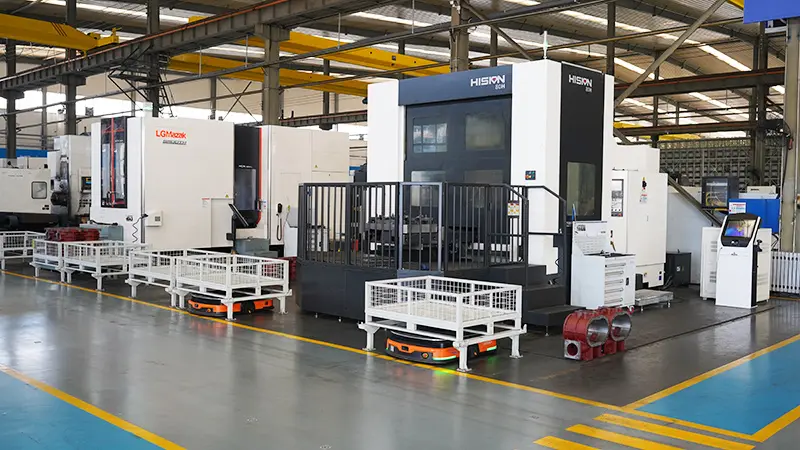
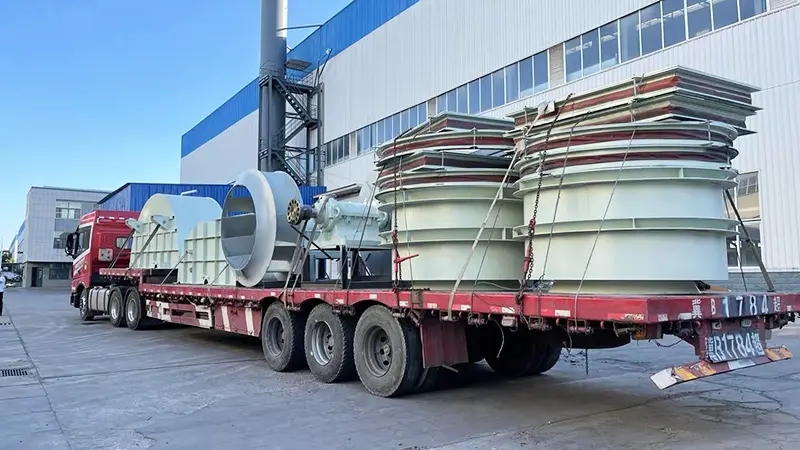
Engineered configurations designed for processing lines, environmental remediation, and bulk material handling.
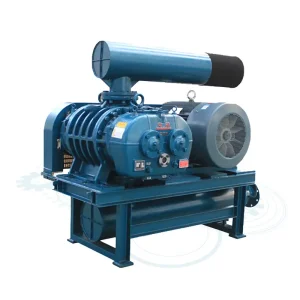
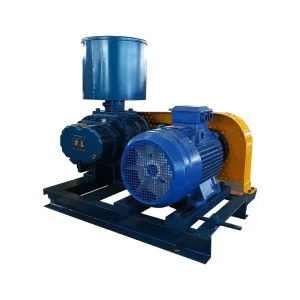
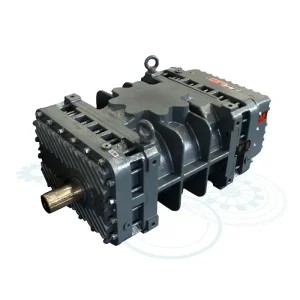
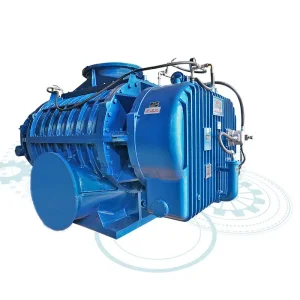
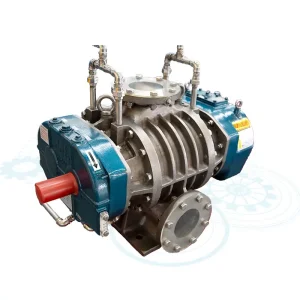
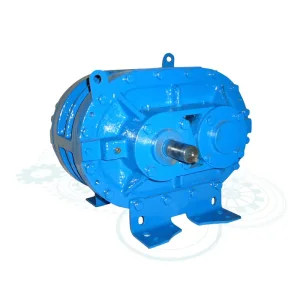
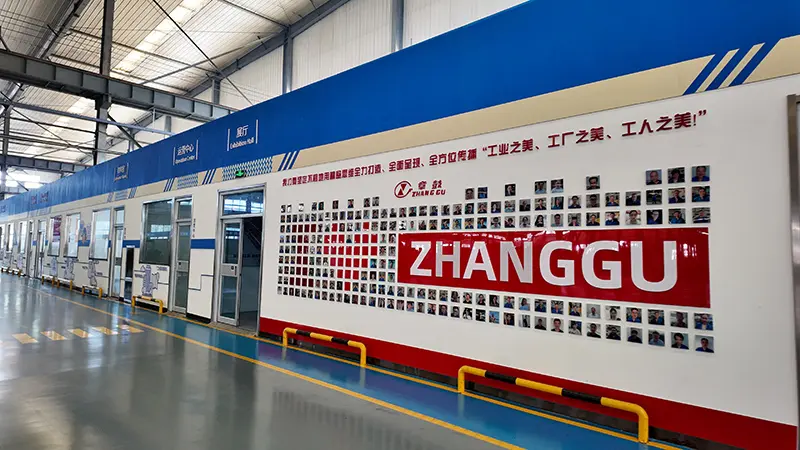
Corporate culture is the foundation of long-term industrial operations. At Zhang Drum, we prioritize professional development and ownership responsibility. This framework helps align individual contributions with our manufacturing goals, driving ongoing product and process improvement.
"Cohesion produces strength, unity brings glory. Success is just a comma, the highest mountain is always in our mind..."
We work to maintain professional working standards, ensuring our design teams, processing staff, and quality inspectors can support the technical requirements of our global customers.
Technical clarifications addressing installation variables, performance factors, and utility optimization for plant engineers.
Liquid ring vacuum pump performance is directly related to the vapor pressure of the sealant liquid (typically water). If the temperature of the circulating water rises, its vapor pressure increases. This restricts the pump's capability to establish deep vacuum conditions, because the water begins to flash into vapor inside the low-pressure suction zone.
For example, using 15°C water allows the pump to reach its rated performance, whereas 30°C or 35°C water reduces suction capacity and increases the risk of cavitation. To maintain performance, plants should monitor cooling loop heat exchangers or use chilled water feeds.
Cavitation occurs when the operating pressure falls below the vapor pressure of the sealant liquid, causing vapor bubbles to form and violently collapse against the impeller faces. This action can erode metallic components over time.
To prevent this, our systems include:
Once-through configurations discard water after a single pass through the pump, resulting in high utility consumption and wastewater volumes. A closed-loop circulating system recycles the sealant water through a gas-liquid separator and heat exchanger, reducing water consumption by up to 95%.
Additionally, closed-loop designs contain volatile or corrosive process vapors within the circuit, preventing contamination of factory wastewater systems and supporting environmental compliance.
Unlike dry vacuum pumps or oil-sealed rotary pumps, liquid ring systems can tolerate liquid carryover and soft particulate matter without mechanical damage. Liquid slugs entering the suction port are simply absorbed into the circulating water ring.
When handling abrasive particles, installing inlet filtration separators and using ceramic-coated components helps protect internal pump clearances and extends service life.
The choice depends primarily on the target operating vacuum level:
 Zhangqiu