Explore our standard-setting engineering components trusted across chemical processing, metallurgy, and water treatment operations worldwide.
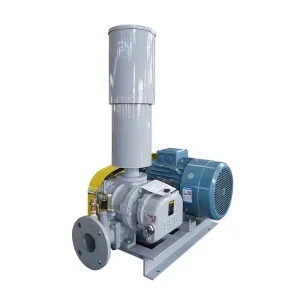
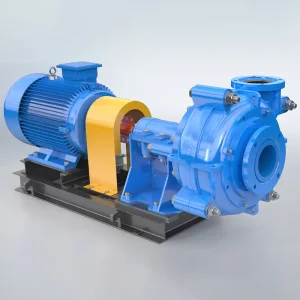
In modern metallurgical processing, the coking plant is a high-temperature, chemically volatile environment. Coking coal undergoes destructive distillation in the absence of oxygen at temperatures peaking between 900°C and 1100°C. This process generates massive quantities of crude coke oven gas (COG), sulfurous compounds, nitrogen oxides, tar vapors, and highly abrasive dust particles. Managing this exhaust gas stream is not merely an environmental mandate—it is a critical operational safety and process control requirement.
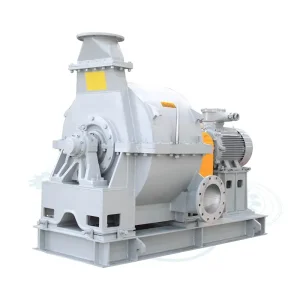
This is where the Coking Induced Draft Fan (IDF) (sometimes referred to commercially as the "Coking Introduced Draft Fan") plays a vital role. Positioned at the boundary of the combustion air preheaters and flue gas desulfurization (FGD) systems, this specialized heavy-duty centrifugal fan maintains a precise negative pressure inside the oven combustion chambers. It continuously draws raw, hot flue gases through cooling conduits, scrubbing towers, and electrostatic precipitators before safely dispersing the cleaned exhaust through the main stack. Without precise control over this negative boundary pressure, carbonization chambers risk either atmospheric leakage of dangerous gases or structural collapse due to over-pressurization.
Unlike standard ventilation fans, a Coking Induced Draft Fan must operate continuously under extreme thermal cycles (gas temperatures from 150°C up to 350°C), handle highly abrasive fly ash particles (causing severe erosion on dynamic impellers), and resist chemical attacks from hydrochloric acid (HCl), sulfur dioxide (SOx), and volatile organic tar fractions.
The global coke production landscape is undergoing a massive restructuring. In developed Western economies (the EU and North America), the focal point is ultra-low emissions compliance, process energy efficiency, and integration with Waste Heat Recovery Steam Generators (WHRB). Procurement agents in these regions seek high-efficiency, premium-alloy fans equipped with comprehensive condition-monitoring instrumentation. Meanwhile, in rapidly expanding industrial nations like India, Brazil, and Southeast Asia, the emphasis lies heavily on rapid capacity expansion, low initial Capital Expenditure (CAPEX), and reliable equipment availability.
Historically, this divided market forced buyers to choose between two undesirable options:
Today's global procurement strategies have shifted toward identifying manufacturers who occupy the optimal intersection of these parameters: high-end dynamic balancing, robust anti-wear surfacing (such as thermal spraying tungsten carbide), and advanced CFD (Computational Fluid Dynamics) aerodynamics, all delivered at an optimized cost-efficiency ratio.
Why leading global metallurgy corporations source custom induced draft fan solutions from China's primary industrial hubs.
By leveraging local casting foundries, heavy steel suppliers, and specialized electrical motor manufacturing clusters in Shandong, Chinese factories reduce material transport costs and manufacturing lead times by up to 45% compared to Western counterparts.
We implement multi-axis CNC machining centers, automated robotic welding of fan casings, and thermal powder spraying technologies. Our impellers are treated with specialized anti-wear coatings (Hardox plates and chromium carbide cladding) to extend life cycles in harsh particulate streams.
Every draft fan impeller profile undergoes comprehensive Finite Element Analysis (FEA) and Computational Fluid Dynamics (CFD) optimization. This ensures maximum static efficiency (often exceeding 85%) and minimizes turbulent noise and flow separation regions inside the casing.
Founded originally in 1957 as Shandong Zhangqiu Blower Works, Shandong Zhangqiu Blower Co., Ltd. (ZCBC) stands today as one of the premier heavy-machinery enterprises in China. With over half a century of focused experience in industrial aeration, centrifugal systems, and negative-pressure extraction, ZCBC has played a primary role in drafting the national Chinese standards for Roots blowers and large-scale industrial fans.
In July 2011, ZCBC achieved a major milestone by listing on the Shenzhen Stock Exchange (Stock Code: 002598). By 2020, the parent company realized an operating income of 1.5 billion yuan and a profit of 150 million yuan. This robust financial position fuels continuous technological investment across our 20 holding companies, four production hubs (Jiangsu Wuxi, Guangdong Dongguan, Hunan Chenzhou, Gansu Jinchang), and four advanced research and development centers in Beijing, Shanghai, Shijiazhuang, and Wuxi.
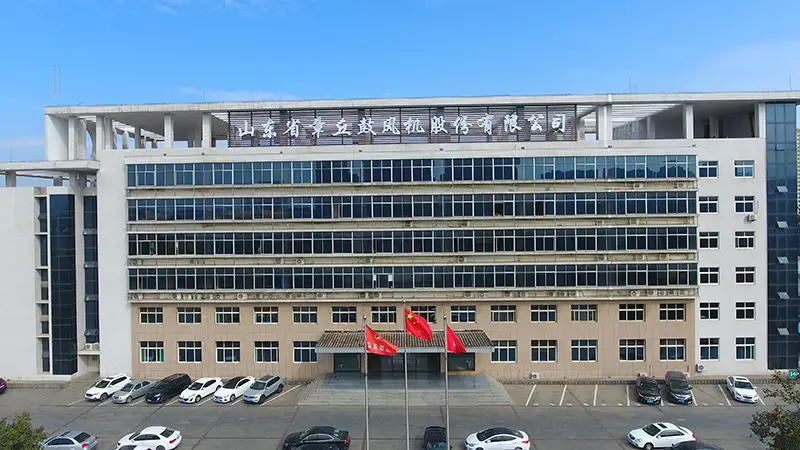
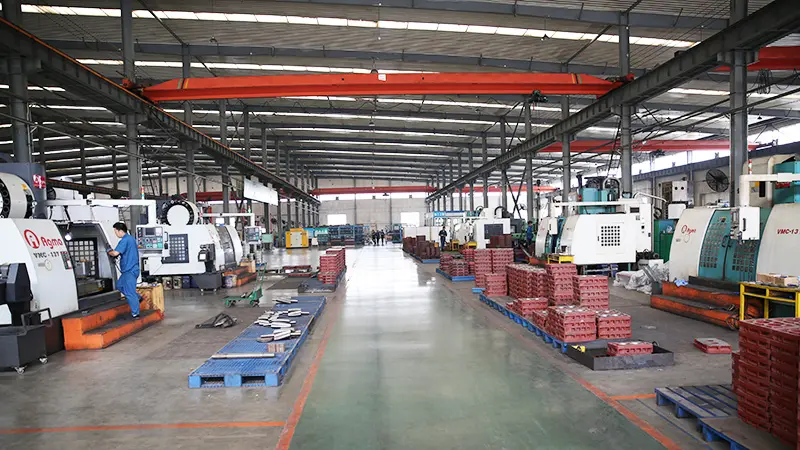
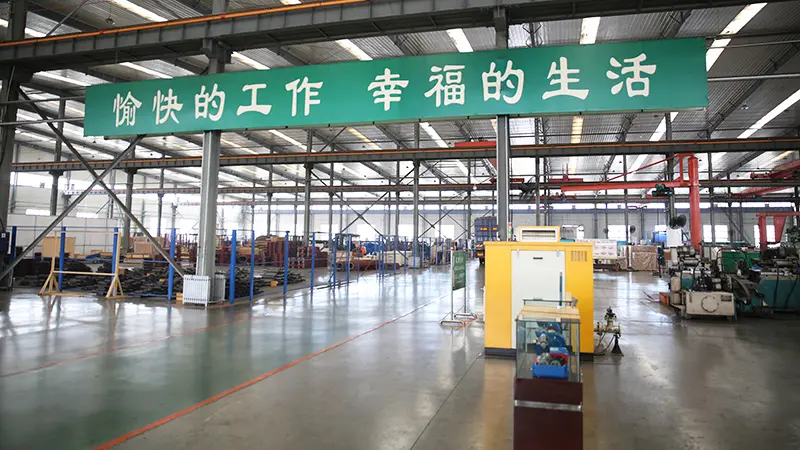
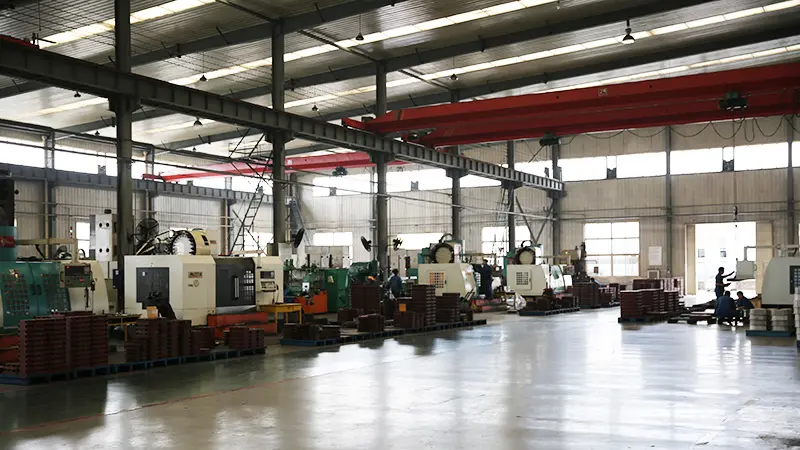
ZCBC has successfully bridged the gap between national dominance and global accessibility. We established two Sino-Japanese Joint-ventures and opened a dedicated USA branch, making us the first enterprise in China's blower industry to establish an overseas operational branch. Our core products are exported to more than 70 countries and regions including the United States, Germany, Italy, Russia, and Japan. Our manufacturing scale spans a high-standard modern industrial park covering 430,000 square meters, equipped with over 100 sets of imported precision tools, including 5-axis machining centers and three-axis coordinate measuring instruments from Japan and Germany.
ZCBC holds 69 authorized patents (including 5 invention patents) and 2 software copyrights. Our core technologies include countercurrent cooling, fan noise reduction, fan anti-sticky wear surfaces, two-stage series tandem blowers, intelligent IoT monitoring systems, special shaft seals, grease lubrication systems, and twisted-leaf impellers. We are fully certified under ISO9001, ISO14001, ISO50001 (Energy Management), and ISO10012 (Measurement Management) standards, with products carrying Mining Safety Marks, CE certification, and CCC credentials.
Coking plants utilize diverse oven layouts and by-product processing routes. Understanding the localized environment is crucial to selecting the correct induced draft fan. Below are the primary industrial scenarios where ZCBC fans are deployed:
In modern clean air initiatives, the flue gas must pass through Selective Catalytic Reduction (SCR) towers and wet/dry scrubbers before emission. This process increases system static pressure drops by 2,000 Pa to 5,000 Pa. ZCBC’s high-pressure centrifugal induced draft fans are customized with backward-curved impellers, providing a stable pressure head over fluctuating volumes, preventing aerodynamic stalling under variable loads.
In non-recovery coking, the chemical by-products are combusted inside the oven to generate heat, which is then directed to a waste heat recovery boiler (WHRB). The draft fan is located at the downstream cold-end of the boiler, where flue gases are highly concentrated with abrasive ash. We construct these fan impellers using Q345R pressure vessel steel or specialized duplex stainless steels (such as SAF 2205), overlaid with tungsten carbide to prevent erosion.
When handling explosive and toxic raw COG, seal integrity is paramount. Standard seals fail under the chemical action of coal tar. ZCBC utilizes advanced mechanical labyrinth seals paired with inert nitrogen gas purging systems. This ensures zero leakage of dangerous COG along the shaft sleeve, complying with strict ATEX and local safety standards.
| Fan Sub-Type | Operational Temp Range | Max Flow Rate (m³/h) | Static Pressure (Pa) | Key Impeller Materials | Ideal Application Scenario |
|---|---|---|---|---|---|
| High-Temp Heavy Duty Centrifugal | 250°C to 450°C | 850,000 | up to 8,500 | Q345R / 16Mn / SAF 2205 | Dry Quenching & Boiler Exhaust |
| Anti-Wear FGD Induced Draft Fan | 80°C to 180°C | 1,200,000 | up to 7,200 | Carbon Steel + Chromium Cladding | Wet/Dry Flue Gas Desulfurization |
| Explosion-Proof COG Blower | 40°C to 80°C | 240,000 | up to 12,000 | 316L / Hastelloy / PTFE Coated | Raw Coke Oven Gas Recovery |
The industrial ventilation sector is shifting rapidly toward smart automation and carbon emission mitigation. Three major trends define the future of high-temperature draft fans:
While a high-efficiency draft fan may require a slightly higher initial capital investment, the energy consumption of the fan motor accounts for over 85% of its total lifetime cost. An efficiency increase of just 3% to 4% typically offsets the initial procurement cost difference within the first 12 to 18 months of continuous 24/7 operation.
Technical and procurement answers designed for industrial engineers, plant managers, and purchasing departments.
Industrial air handling systems engineered for high durability, lower maintenance cycles, and long-term operating efficiency.
 Zhangqiu