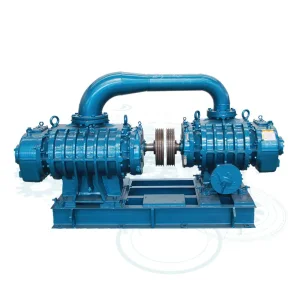
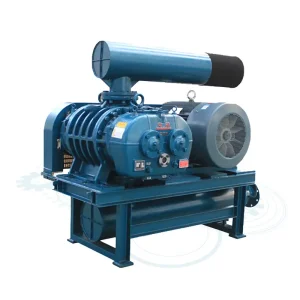
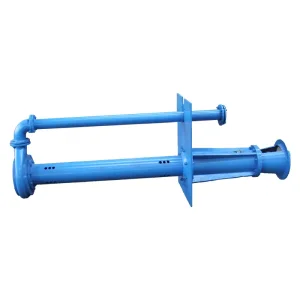
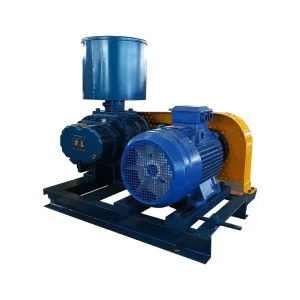
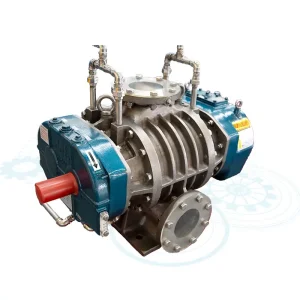
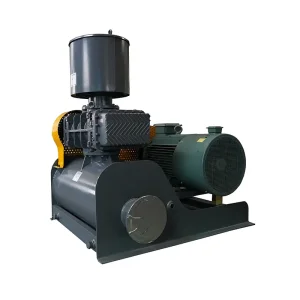
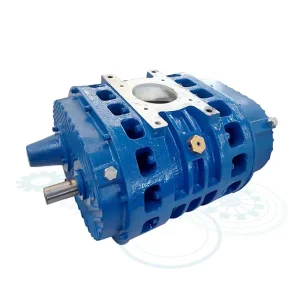
Engineered for high durability, structural integrity, and maximum operating efficiency across demanding utility and environmental applications.
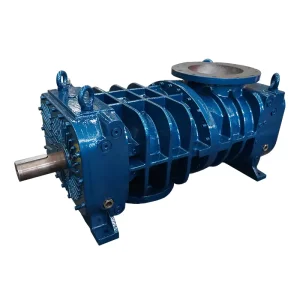
Global Industrial Context, Environmental Milestones, and the Essential Role of Advanced Draft Fans
Industrial modernization and environmental governance have converged rapidly under global decarbonization initiatives and stringent clean-air regulations. Across coal-fired power plants, steel manufacturing plants, waste-to-energy facilities, and chemical petrochemical complexes, the reduction of acidic gases and toxic outputs is highly regulated. Specifically, sulphur oxides (SOx) and nitrogen oxides (NOx) emissions are the primary targets of these regulations.
As environmental compliance targets become increasingly strict worldwide, industries are heavily investing in Flue Gas Desulphurization (FGD) and Selective Catalytic/Non-Catalytic Reduction (SCR/SNCR) units. The mechanical core of these complex gas scrubbing systems is the desulphurization and denitration fan. These fans are engineered to operate continuously under extreme thermodynamic pressure, highly corrosive conditions, and heavy fly-ash particulate loads. Without premium aerodynamic performance and highly wear-resistant engineering, emission scrubbing lines risk unplanned downtime, leading to costly regulatory penalties.
For international EPC contractors, plant managers, and procurement officers, selecting the right manufacturing partner for heavy-duty process fans is a critical decision. Industrial buyers are shifting away from evaluating purchases solely based on initial capital expenditure. Instead, they are prioritizing Total Cost of Ownership (TCO), overall system efficiency (minimizing auxiliary power consumption), and certified reliability.
Key procurement specifications typically require:
How Modern Desulphurization & Denitration Systems Depend on Advanced Fan Aerodynamics
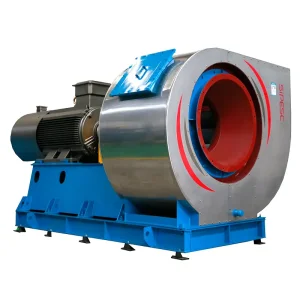
In wet limestone-gypsum FGD systems, the booster fan handles high volumes of saturated, particle-laden gas. Our desulphurization fans are engineered with anti-corrosion linings (including ebonite rubber lining or specialized glass flake coatings) and integrated spray washing mechanisms. These features prevent gypsum scaling on the blades, maintaining dynamic balance and reducing stress on the bearings.
Denitration systems require handling high-temperature flue gas containing abrasive fly ash before it enters the catalytic grids. Our induced draft fans are designed with wear-resistant hardfacing on blade leading edges, utilizing chromium carbide overlays. This treatment withstands severe erosion and prevents localized mechanical fatigue.
Equipped with high-performance hydraulic couplings or variable frequency drives (VFD), our fan solutions integrate seamlessly into plant-wide DCS networks. This allows for automated control response to boiler load changes, minimizing pressure fluctuations and optimizing power consumption.
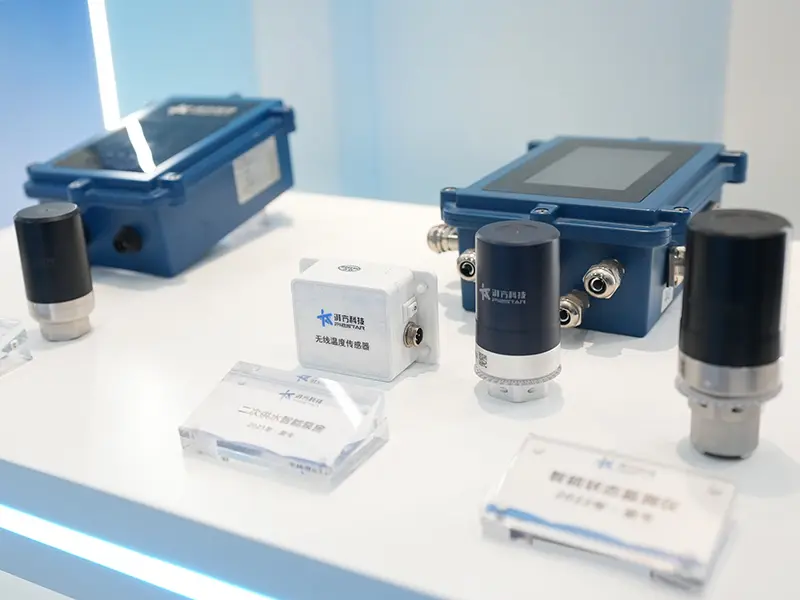
The future of heavy-duty draft fan engineering is focused on materials science, aerodynamic optimization, and smart diagnostic monitoring.
Over 50 Years of Manufacturing Excellence, Global Reach, and Technological Innovation
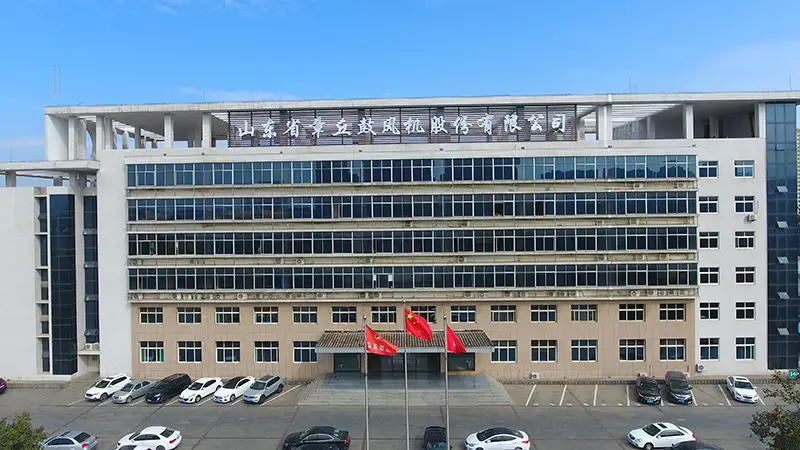
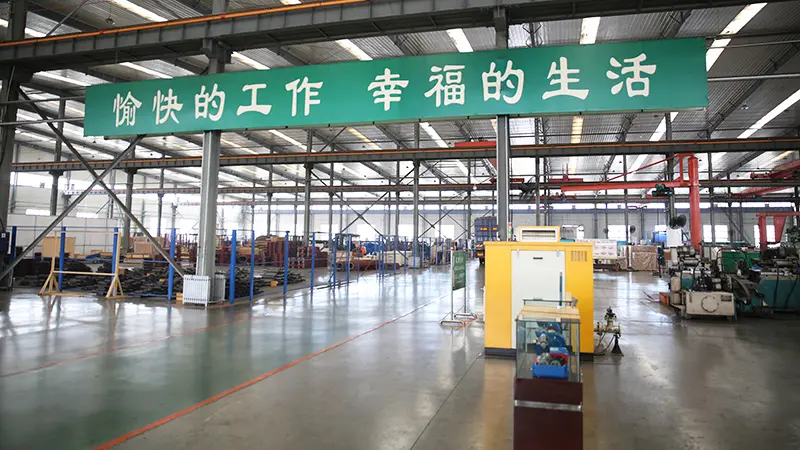
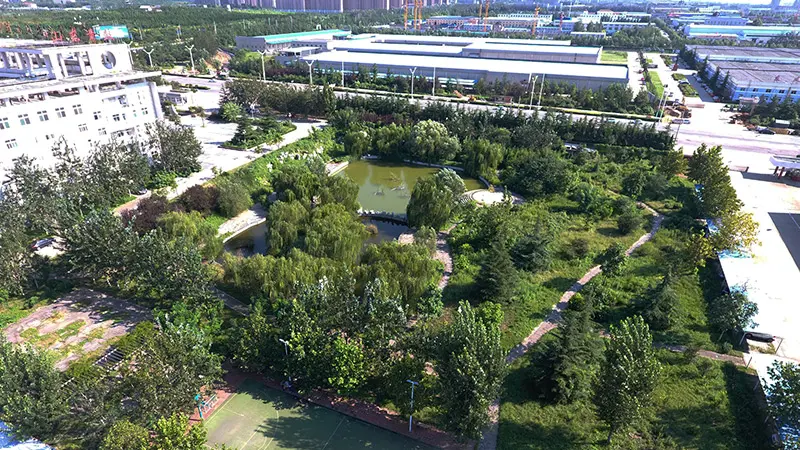
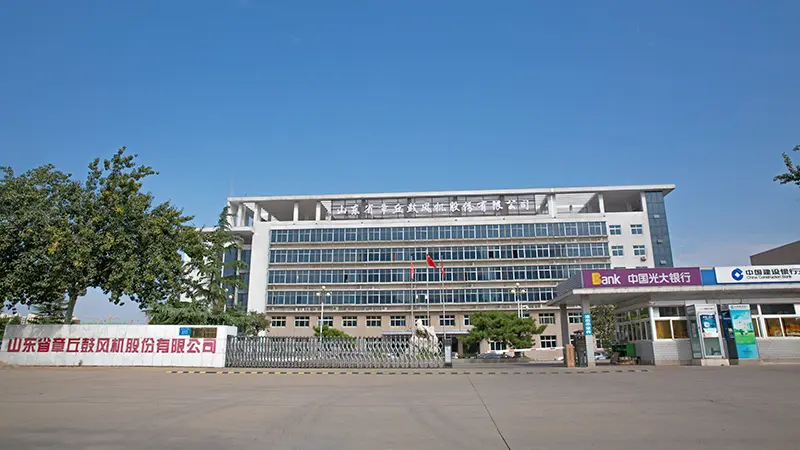
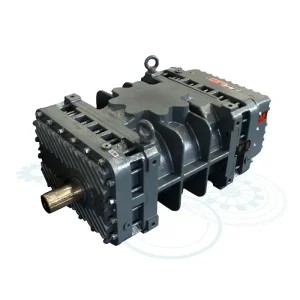
Shandong Zhangqiu Blower Co., Ltd. (formerly Shandong Zhangqiu Blower Works) is a established manufacturer with over 50 years of experience in blower design and manufacturing technology. To expand our global reach, we have established two Sino-Japanese joint ventures and an overseas branch in the United States, making us a pioneer in setting up international subsidiaries in the Chinese blower industry. We are a leading enterprise in the local Zhangqiu industry, and our primary product, the Roots Blower, holds a leading market share in China's blower industry.
Our overall development strategy is to "Develop main business, pioneer new fields and innovate, cooperate to be a great company," guided by our working concept: "Do the best." Today, we operate as a modern company integrating design, manufacturing, and sales across multiple product lines: Roots Blowers, Centrifugal Blowers, Industrial Fans, Slurry Pumps and other industrial pumps, Pneumatic Conveying Systems, Electrical Equipment, and MVR Evaporation, Concentration, and Crystallization systems.
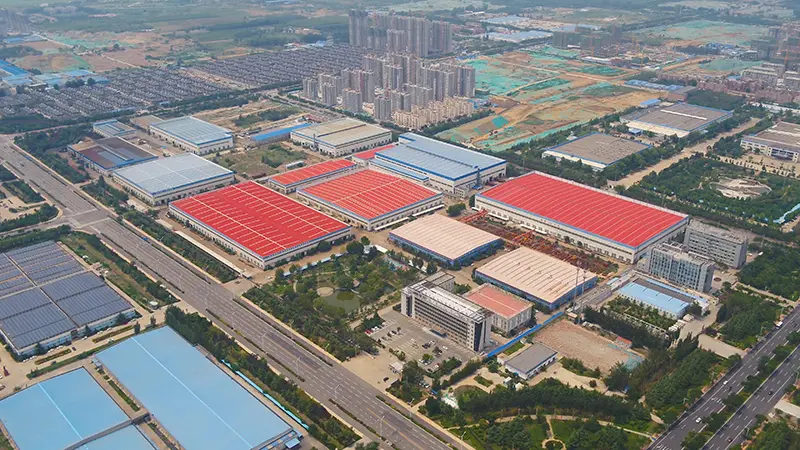
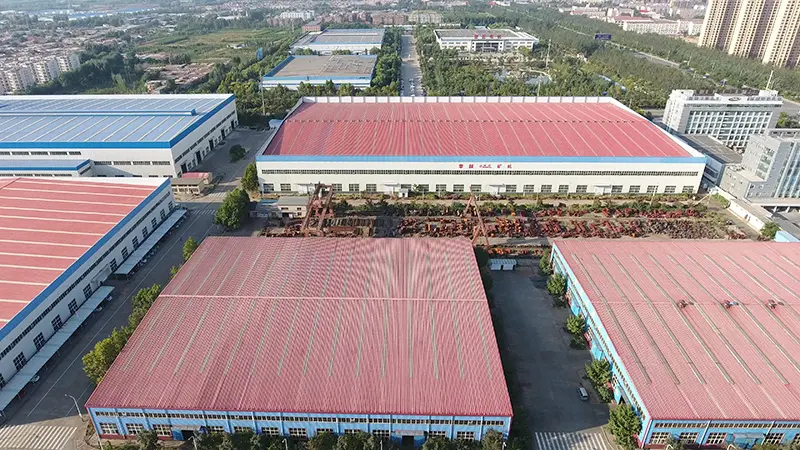
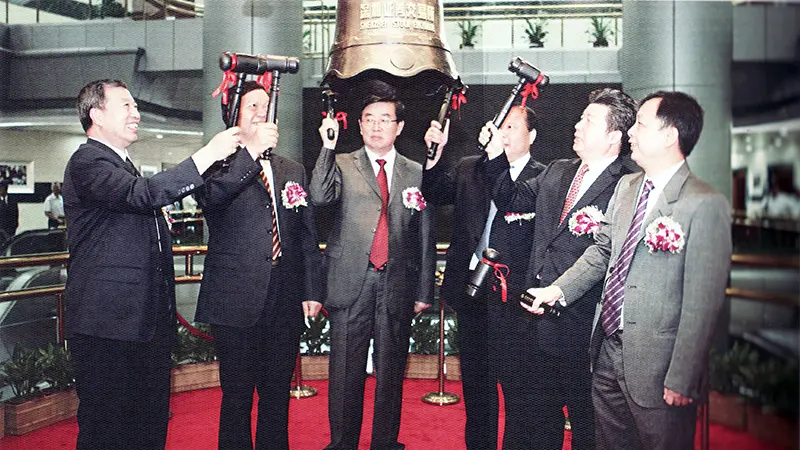
In 2005, the company relocated to a modern, high-standard industrial park covering 430,000 m², providing facilities and office space to support international cooperation and business development. On July 7, 2011, the company was publicly listed on the Shenzhen Stock Exchange (Stock Code: 002598).
Leveraging Provincial Technology Centers and Key Academic Collaborations
ZCBC is a leading developer of national standards for Roots Blowers in China and serves as a vice president unit of the Fan Branch of the China General Machinery Industry Association. Our development efforts are supported by a provincial-level enterprise technology center dedicated to R&D in gas flow machinery, multi-stage centrifugal blowers, industrial pumps, and environmental protection equipment.
Our engineering team is supported by specialists, including researchers receiving government allowances, senior engineers, and doctoral candidates. We maintain active partnerships with universities such as Tsinghua University, Xi'an Jiaotong University, China University of Mining and Technology, and Shandong University to support our technology development and innovation.
To date, our company has been authorized with 69 patents, including 5 invention patents and 2 software copyrights. Our product designs incorporate proprietary technologies such as counter-current cooling, fan noise reduction, wear-resistant impellers, dual-stage configurations, and integrated lubrication systems.

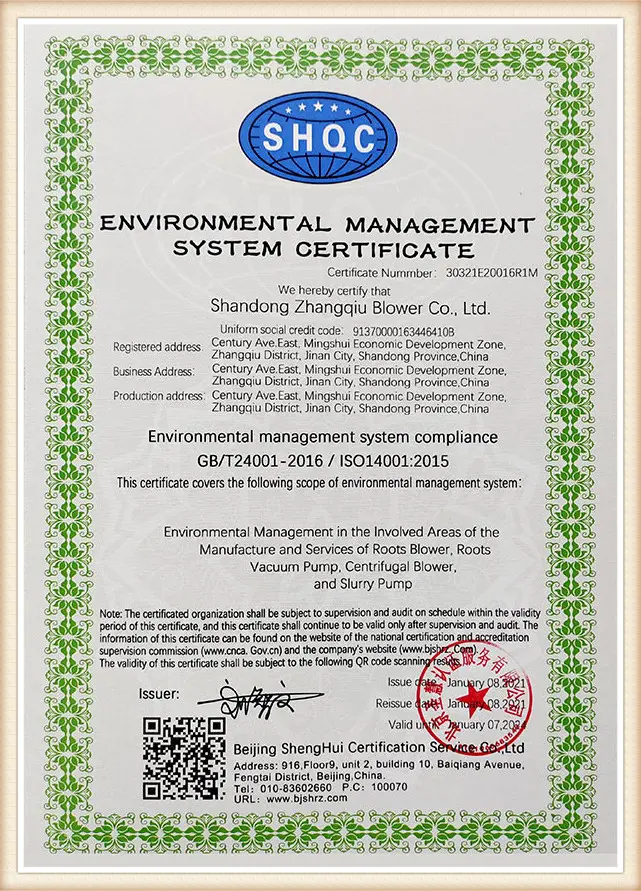
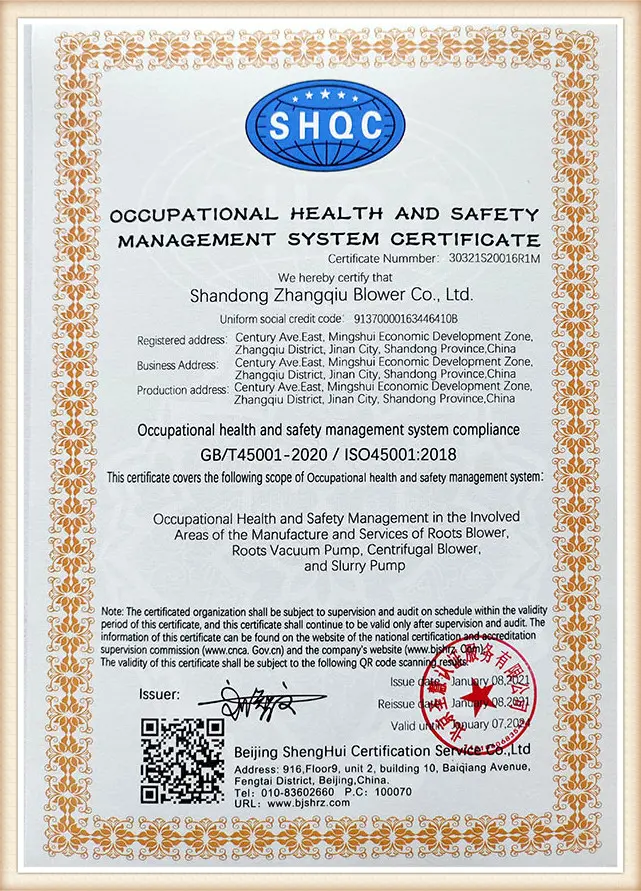
Ensuring Micron-Level Precision and Repeatable Product Quality
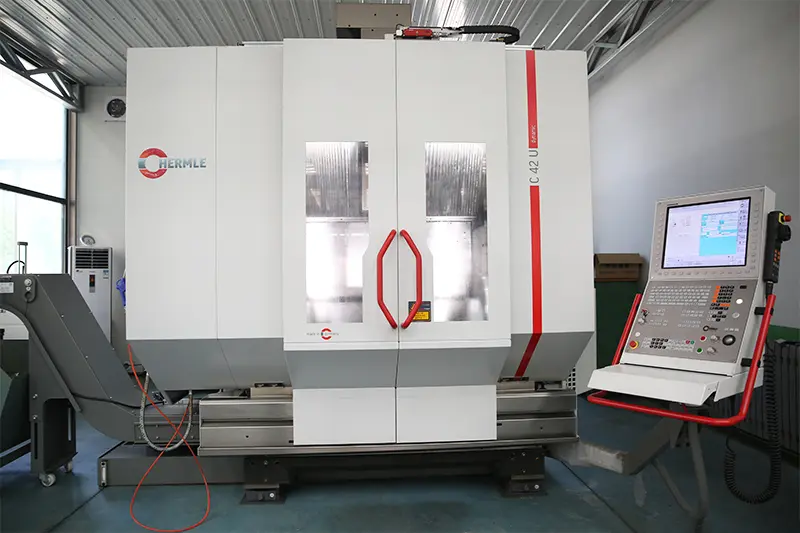
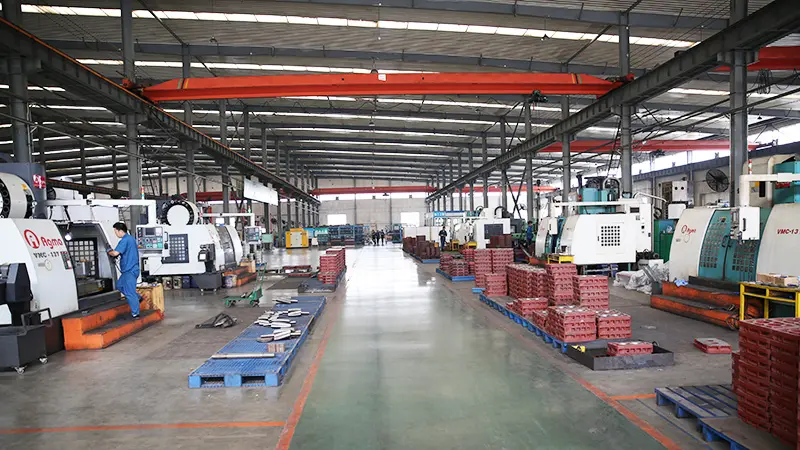
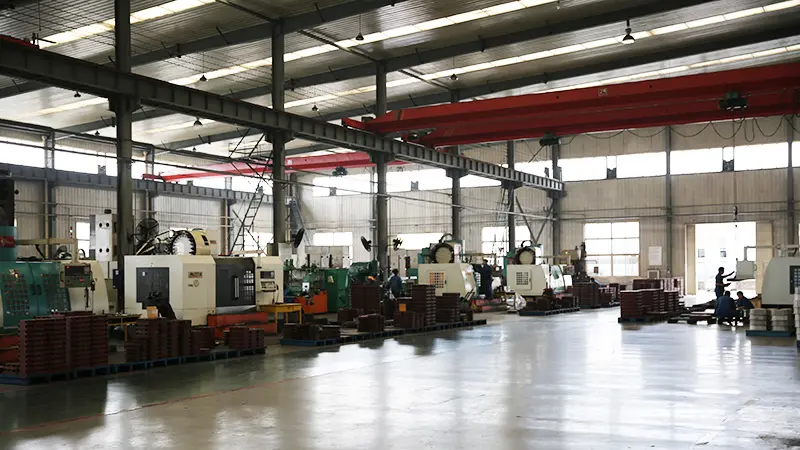
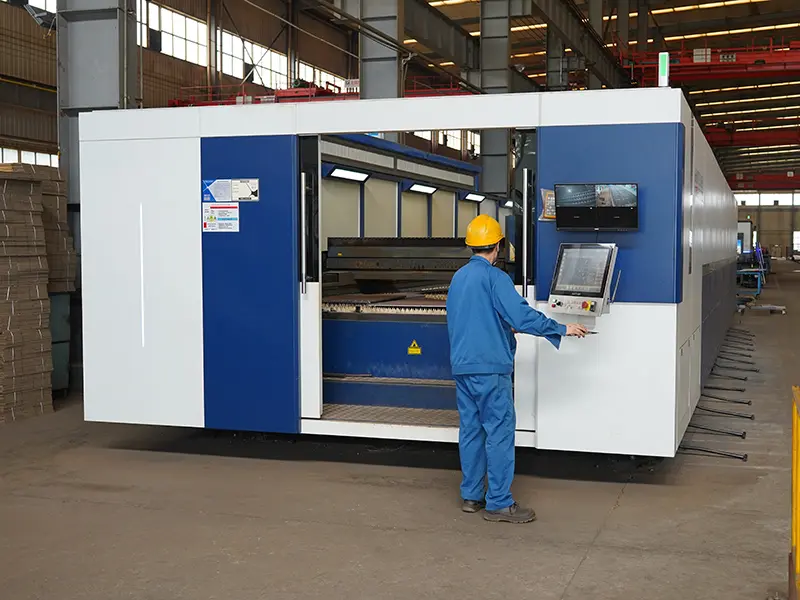
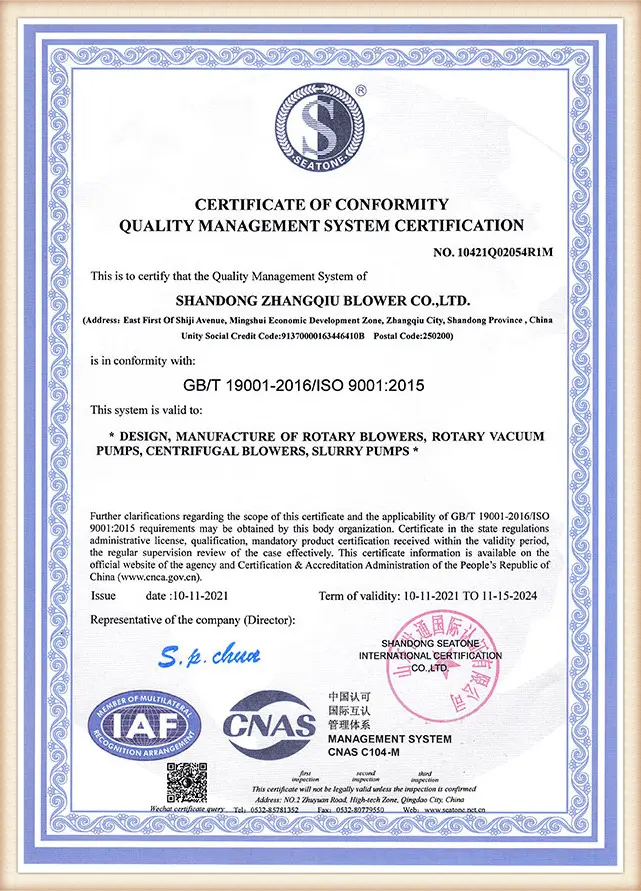
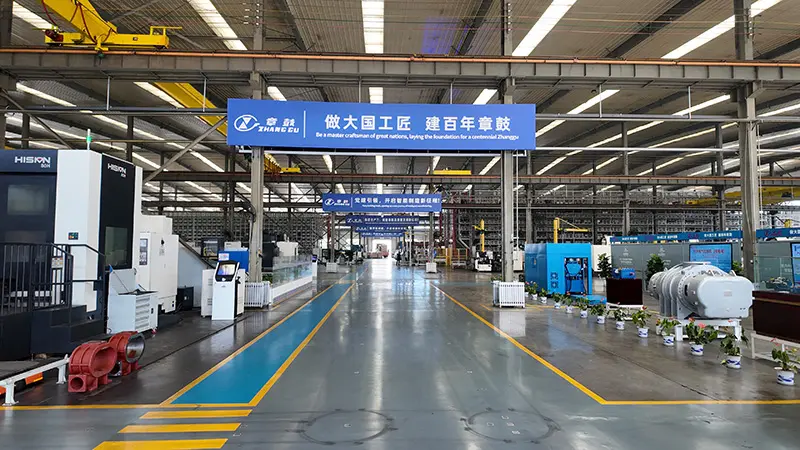
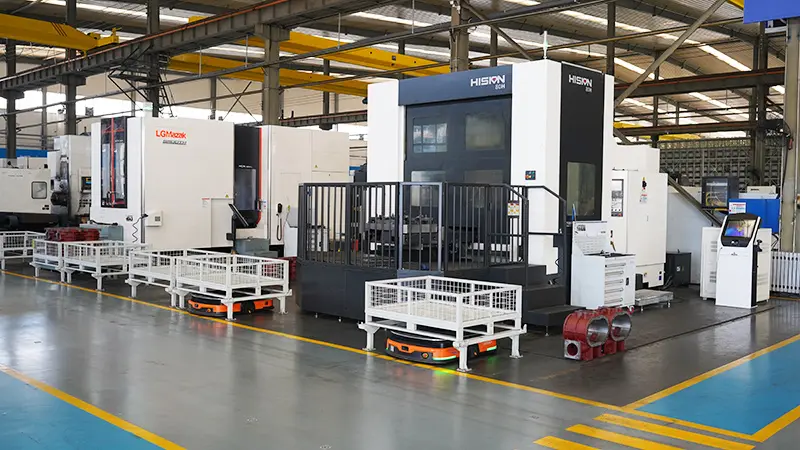
To maintain manufacturing precision, we utilize high-precision CNC machining centers, five-axis machining tools, three-coordinate coordinate measuring instruments (CMM), and imported ultrasonic flaw detectors.
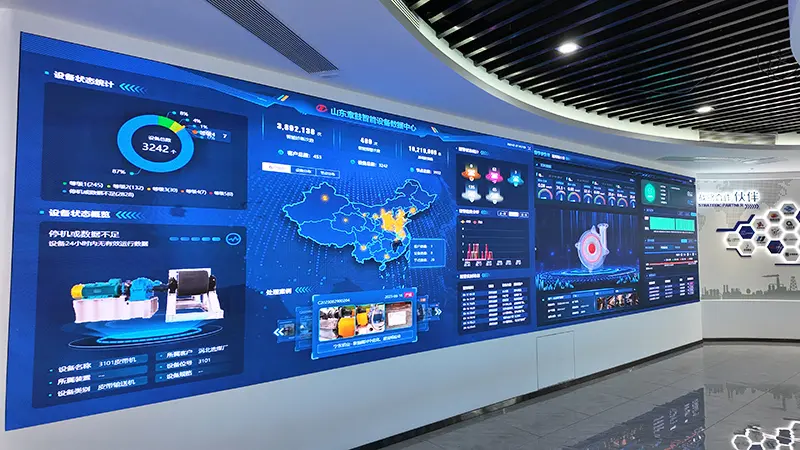
Our design and production processes are integrated through Product Lifecycle Management (PLM) systems, computer-aided manufacturing (CAM), computer-aided process planning (CAPP), and computer-aided testing (CAT) platforms. This digital infrastructure helps reduce development cycle times and ensures consistent tolerances during production.
This precision is critical for the long-term dynamic balance of our desulphurization and denitration fans. These components must operate under continuous stresses without developing rotor fatigue or structural micro-fractures.
People-Oriented Support Systems Designed to Deliver Custom Solutions Fast
Our design team provides customized engineering support. Clients can supply a rough layout, operational data, or hand-drawn sketches, and our engineering department can deliver detailed 2D/3D CAD models within 24 hours for review.
Since 1997, under the leadership of Chairman Fang Rungang, we have pursued a strategy focused on expanding our core business, investing in technical innovation, and pursuing joint ventures.
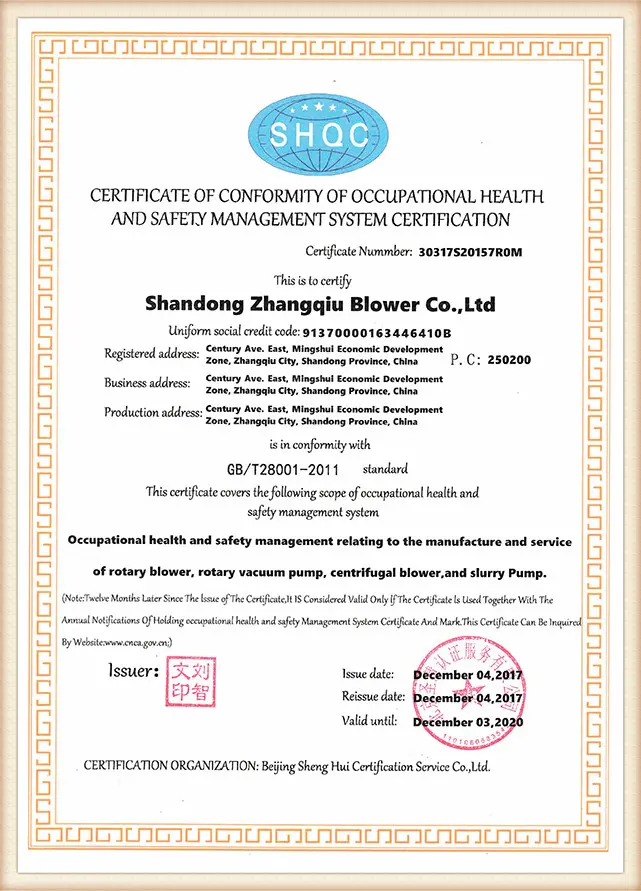
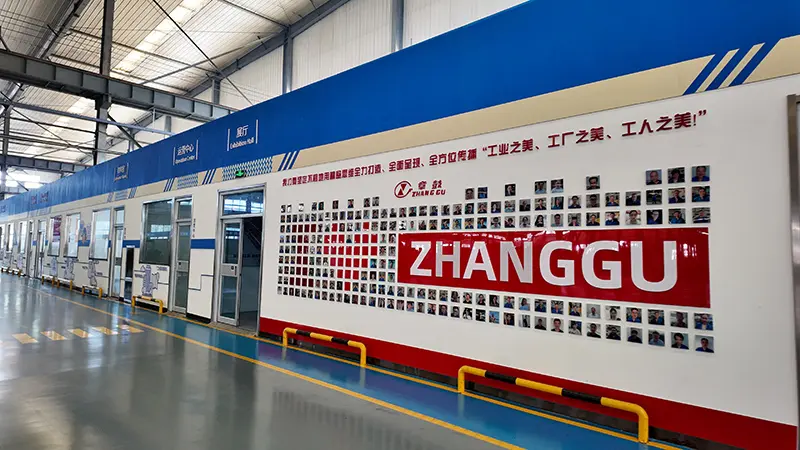
We prioritize supporting our workforce by offering professional development opportunities alongside comprehensive safety and wellness protocols. This commitment helps foster a culture of quality and precision throughout our production lines.
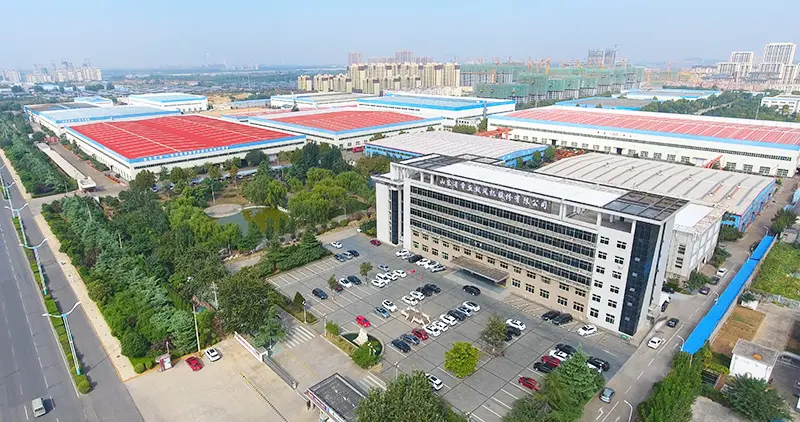
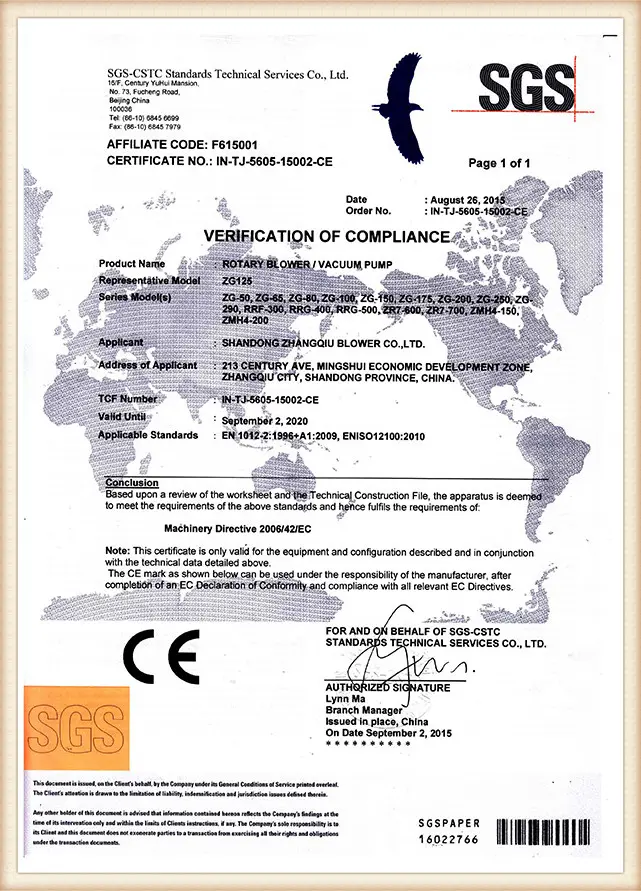
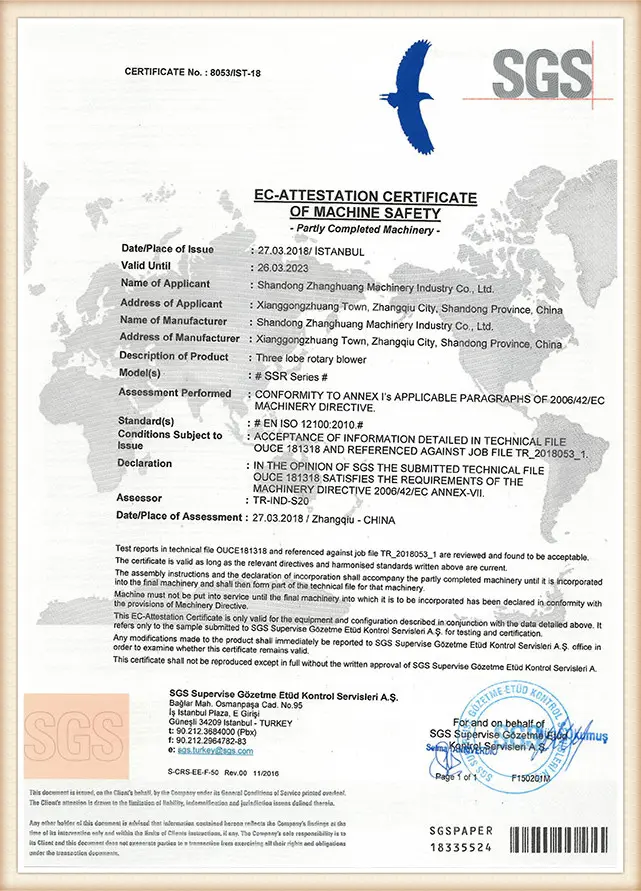
With first-class R&D staff and high-precision production machinery, we ensure long-term product durability. All quality metrics are verified by independent third-party inspection reports.
We offer specialized policies, career development paths, and engineering support structures that empower our technical teams to focus on continuous product improvements.

Ensuring High Reliability across International Markets
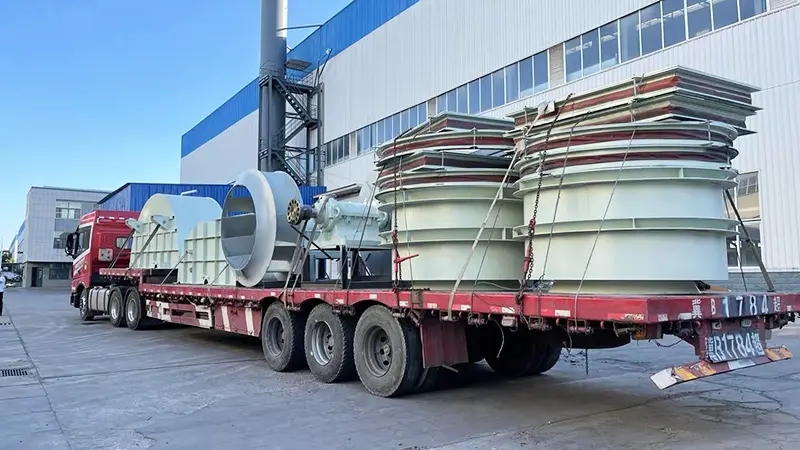
To manage the dynamics of international trade and provide local support, ZCBC operates a dedicated foreign trade company and an active branch office in the United States. This infrastructure supports our export operations to over 70 countries, including the United States, Germany, Italy, and Japan.
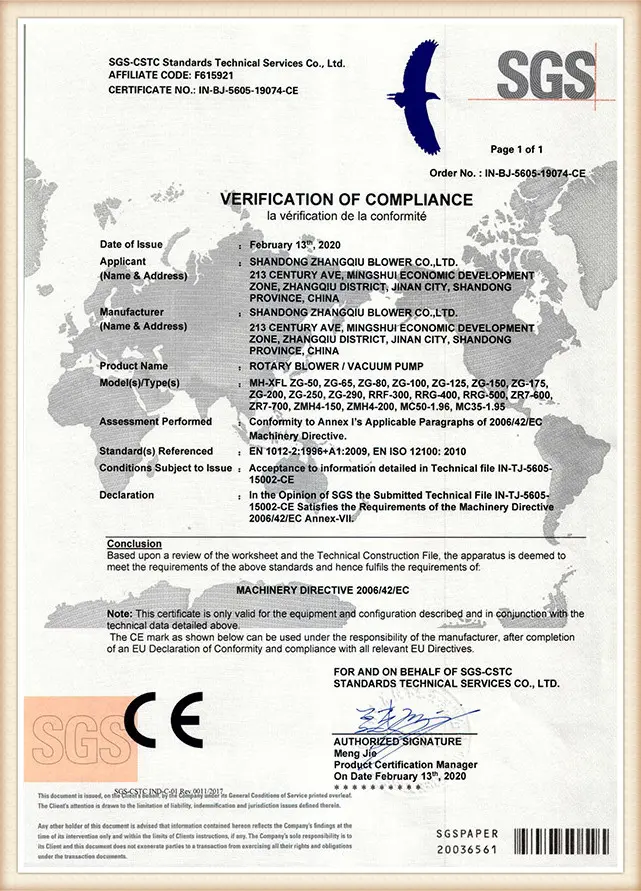
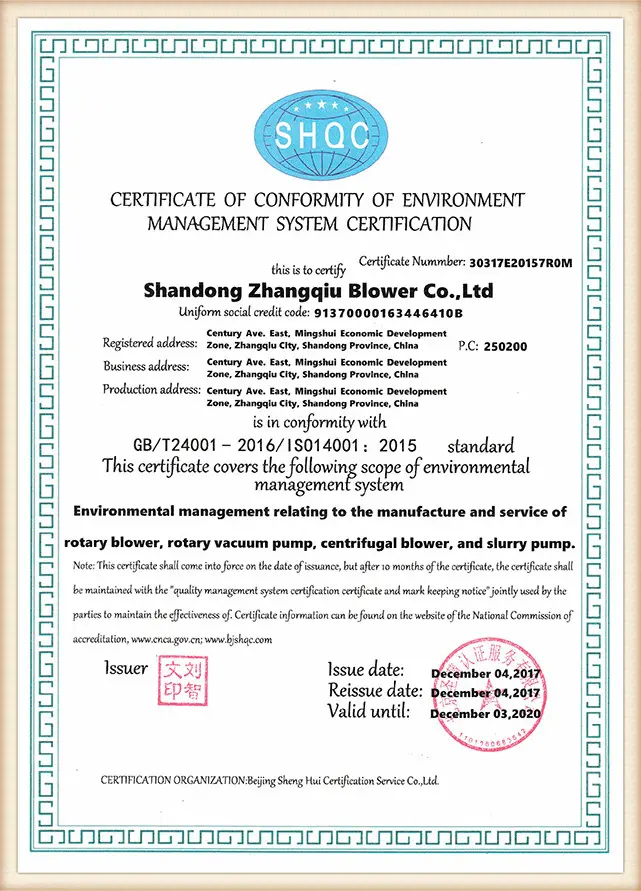
We align our manufacturing with localized compliance structures worldwide:
Moving forward, we are expanding our capabilities across three main platform areas: advanced manufacturing technology, water treatment engineering, and the development of new materials.
Answers to Common Technical and Procurement Questions
A: Wet FGD systems generate highly acidic conditions with high chloride concentrations. For these environments, we construct fan impellers using duplex stainless steel alloys (such as 2205 or 2507). For highly aggressive applications, we apply specialized linings like vulcanized rubber or fiber-reinforced plastic (FRP) coatings to protect the base metal from corrosion.
A: SCR fans handle flue gas with significant concentrations of abrasive fly ash. To prevent premature wear, we apply wear-resistant hardfacing, such as tungsten carbide or chromium carbide weld overlays, along the leading edges of the blades. We also utilize aerodynamic blade profiles designed to minimize dust accumulation.
A: Yes. Our denitration fans are designed for high-temperature service, using high-temperature structural steel alloys and water-cooled bearing housings to ensure stable, long-term operation at process temperatures up to 450°C.
A: Our engineering department can provide detailed 2D outline drawings and 3D CAD models within 24 hours of receiving design specifications, helping to accelerate client project planning timelines.
A: ZCBC operates dedicated overseas branches, including a branch office in the United States, along with distribution and service partners worldwide. This network provides local technical support, assists with regulatory compliance, and coordinates spare parts distribution.
Refining Air Flow Performance with High-Precision Mechanical Design
 Zhangqiu