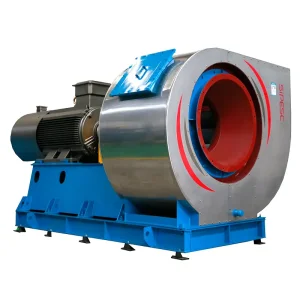
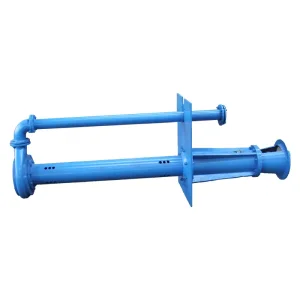
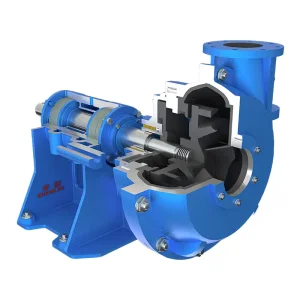
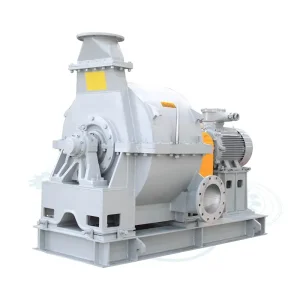
In modern heavy industry, thermal power generation, and large-scale manufacturing, the multistage boiler feed water pump functions as the literal cardiovascular system of the plant. These specialized, high-pressure machines are engineered to transport high-temperature feed water into boilers against extreme backpressures, sustaining continuous steam cycles. From conventional coal-fired and combined-cycle gas turbine (CCGT) power plants to district heating networks, oil refineries, chemical synthesis facilities, and pulp mills, the reliability of the feed pump directly dictates overall systemic uptime and safety.
From a thermal engineering standpoint, boiler systems require water supply pressures that exceed their internal steam pressures—often ranging from 4.0 MPa in subcritical industrial boilers to well over 30 MPa in ultra-supercritical utility power plants. Because the feed water is preheated to minimize thermodynamic shock and optimize boiler efficiency, it enters the pump at elevated temperatures, often between 120°C (248°F) and 180°C (356°F). Operating at these high temperatures near the liquid's vapor pressure demands advanced hydraulic engineering to prevent cavitation, manage thermal expansion, and counter severe dynamic stresses. Choosing a qualified and experienced manufacturer is crucial to mitigating operational risks, optimizing energy consumption, and avoiding catastrophic downtime.
Managing the margin between Net Positive Suction Head Available (NPSHa) and Net Positive Suction Head Required (NPSHr) is the most critical constraint in high-temperature boiler feed water loops. Top-tier manufacturers utilize double-suction first-stage impellers or specialized booster pumps to minimize NPSHr, preventing the vaporization of boiling feed water that can erode components and lead to catastrophic pump failure.
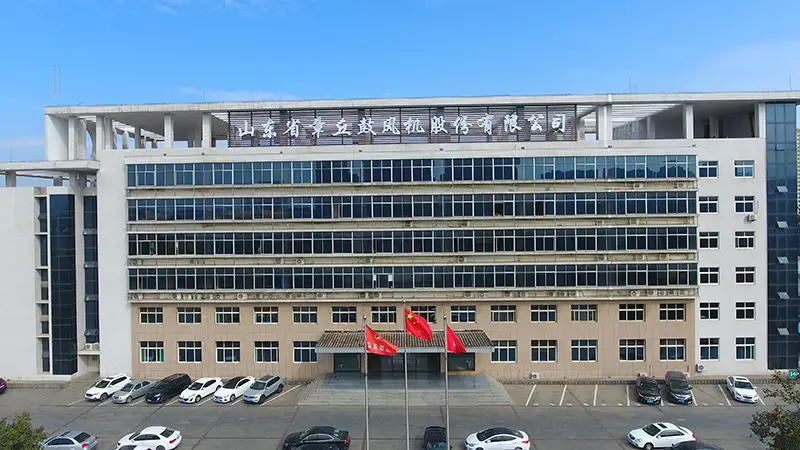
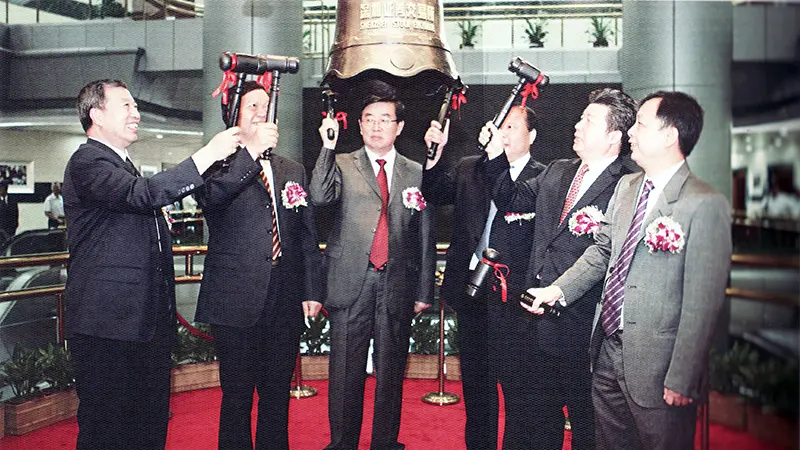
Originating as Shandong Zhangqiu Blower Works and backed by over 50 years of design, manufacturing, and technical application experience, Shandong Zhangqiu Blower Co., Ltd. (ZCBC) has grown into a leading industrial engineering powerhouse in China. Listed on the Shenzhen Stock Exchange on July 7, 2011 (Stock Code: 002598), ZCBC has established a robust reputation for financial transparency, technological innovation, and manufacturing scale.
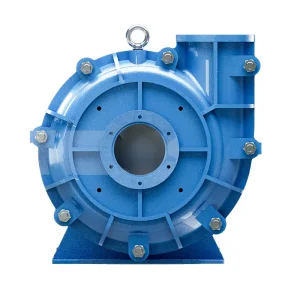
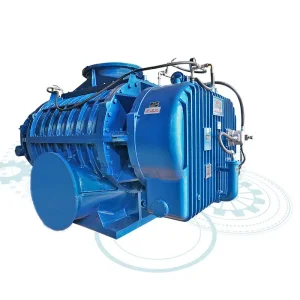
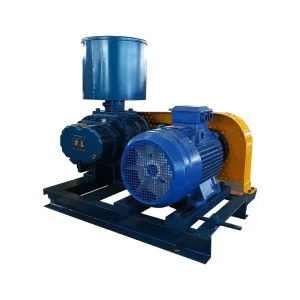
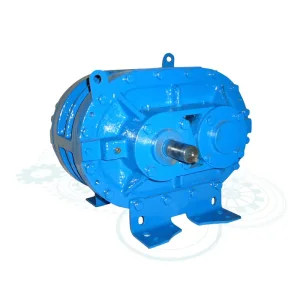
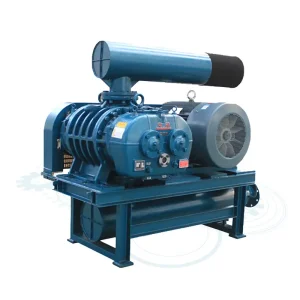
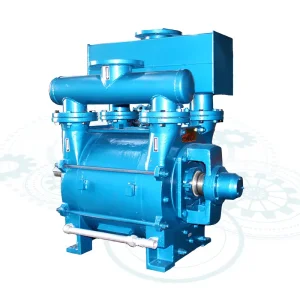
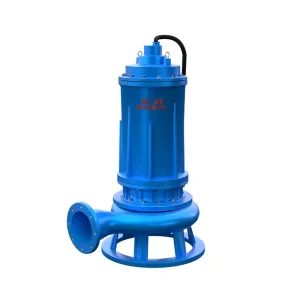
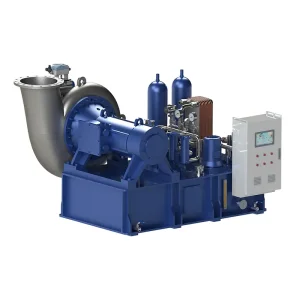
Under a clear development strategy—"Develop main business, pioneer new fields and innovate, cooperate to be a great company"—and guided by the corporate concept of "Do the best," ZCBC has expanded from its market-leading roots blower products into a diversified machinery giant. Our comprehensive portfolio includes Roots blowers, centrifugal blowers, industrial fans, specialized industrial pumps (such as heavy-duty slurry pumps, desulfurization pumps, and high-pressure water systems), pneumatic conveying systems, electrical control equipment, and complete MVR evaporation and wastewater treatment systems.
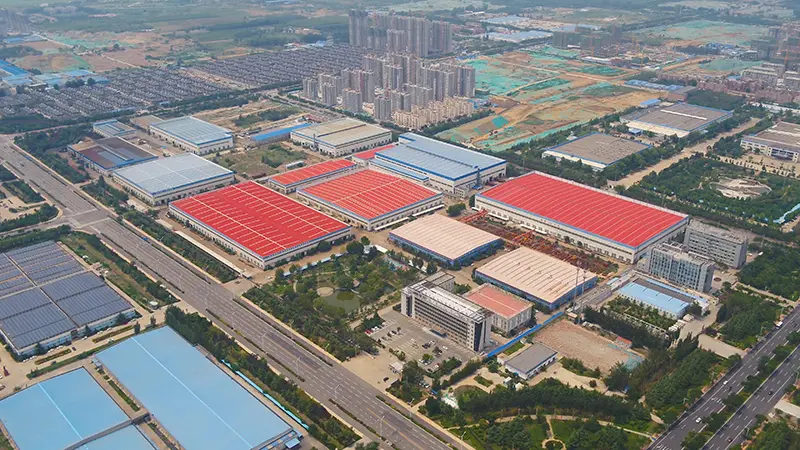
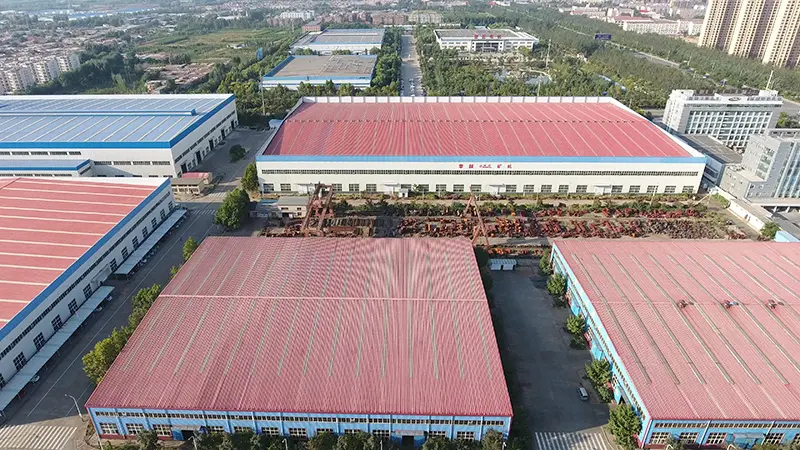
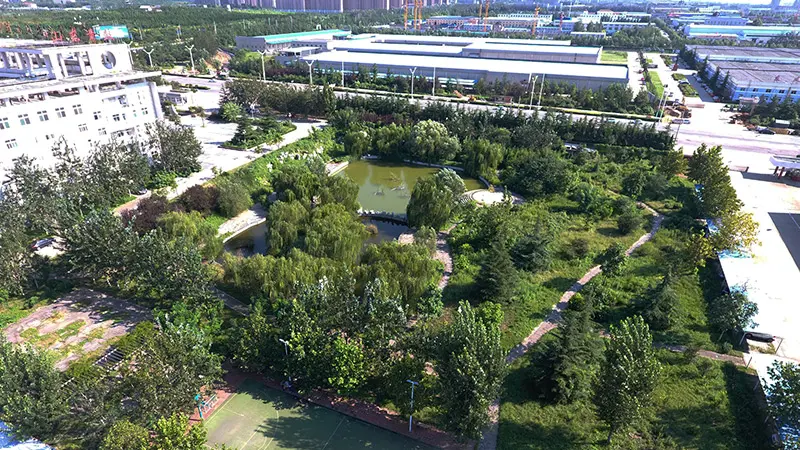
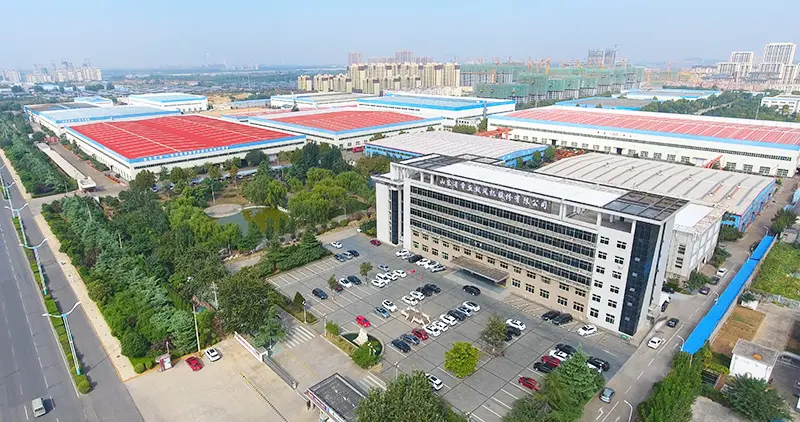
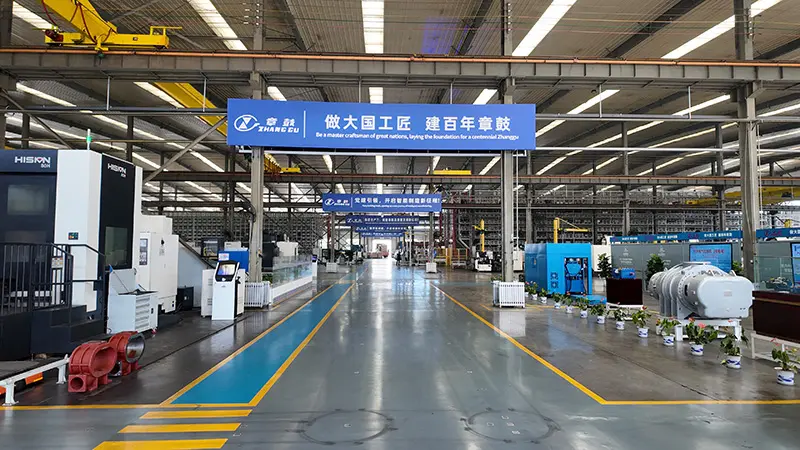
ZCBC has also built a strong global presence. We have established two Sino-Japanese joint ventures and an active U.S. branch, making ZCBC the first enterprise in China's blower industry to establish an overseas subsidiary. Our global reach is supported by a large modern industrial park built in 2005. Covering 430,000 square meters, this high-standard facility provides the infrastructure needed for deep international partnerships and large-scale manufacturing. In 2020, the parent company and its 20 holding companies generated an operating income of 1.5 billion yuan and a profit of 150 million yuan, demonstrating the company's financial strength and capacity to support major industrial projects worldwide.
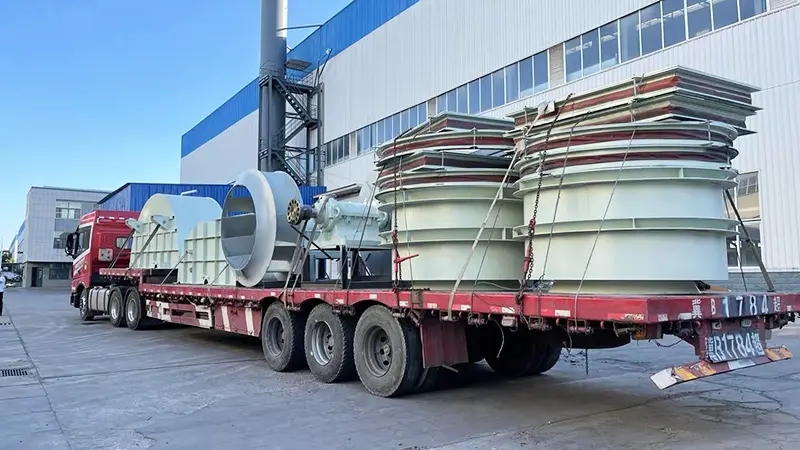
ZCBC operates four advanced manufacturing bases across China (Jiangsu Wuxi, Guangdong Dongguan, Hunan Chenzhou, and Gansu Jinchang) along with four dedicated R&D centers in Beijing, Shanghai, Shijiazhuang, and Wuxi. This network ensures regional support, reliable raw material access, and rapid delivery capabilities.
In the global pump market, procurement managers often have to balance cost against engineering quality. Partnering with a leading Chinese manufacturer like ZCBC eliminates this trade-off by combining high-precision manufacturing with the cost efficiencies of an integrated supply chain.
ZCBC operates provincial-level enterprise technology centers and dedicated postgraduate workstations. Through collaborative research partnerships with prestigious domestic academic institutions—such as Tsinghua University, Xi'an Jiaotong University, China University of Mining and Technology, and Shandong University—we systematically translate scientific advances into practical hydraulic innovations.
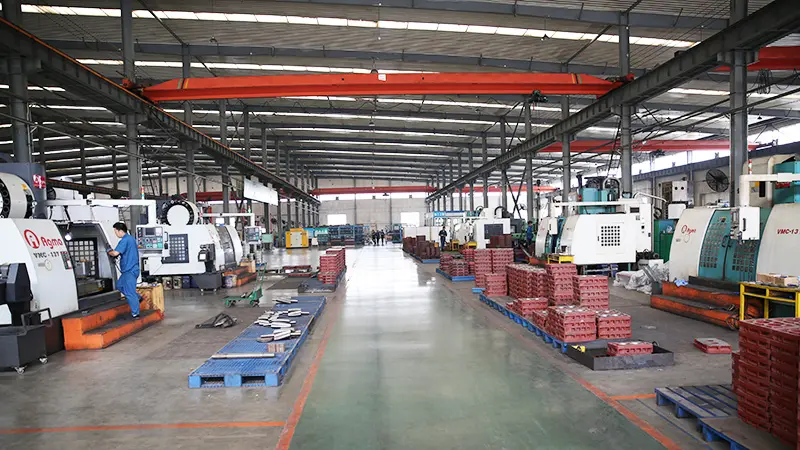
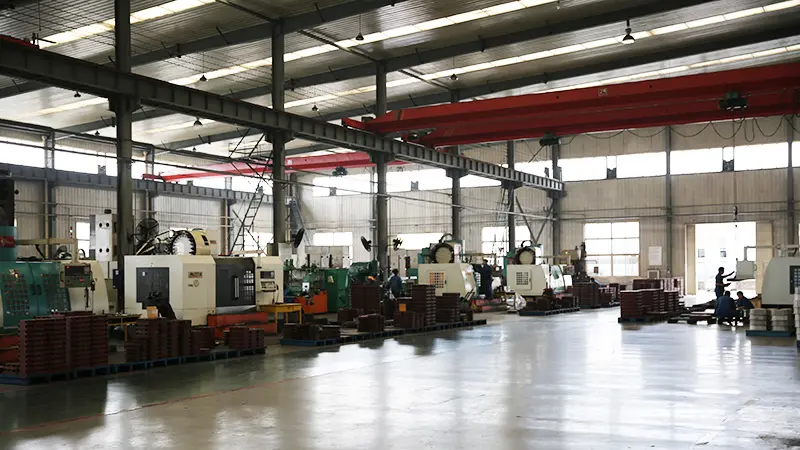
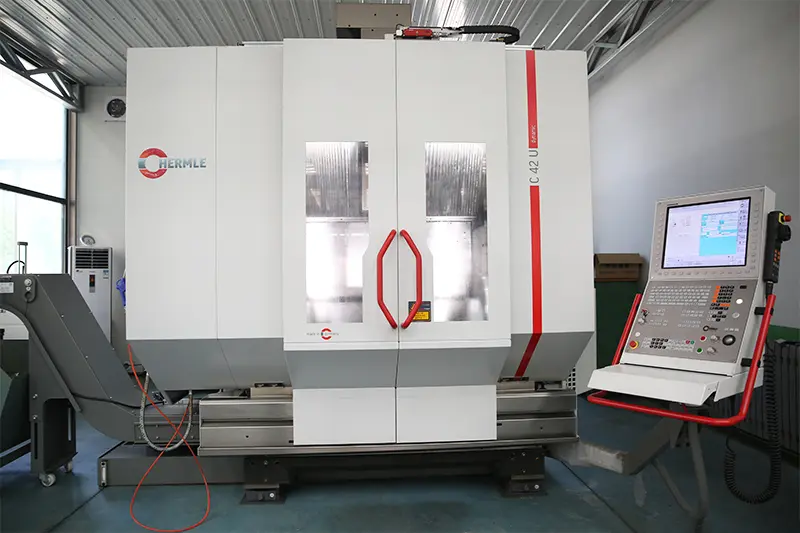
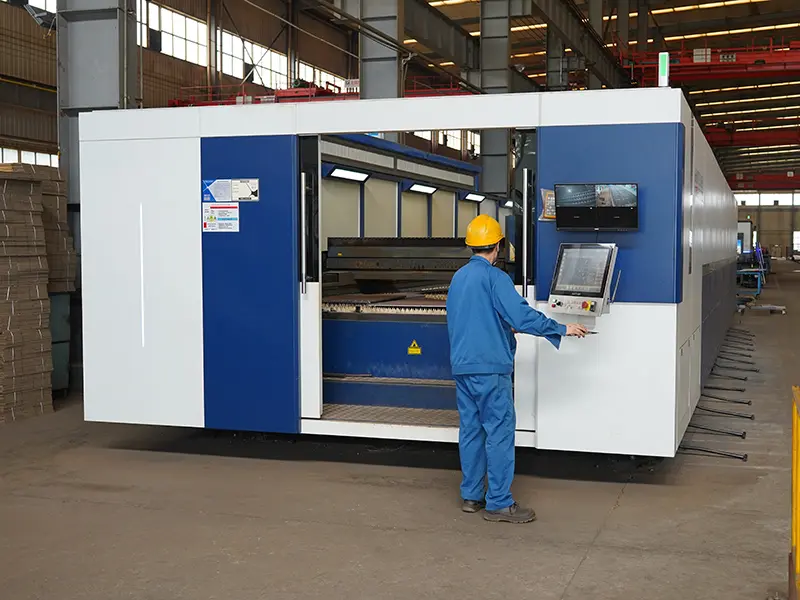
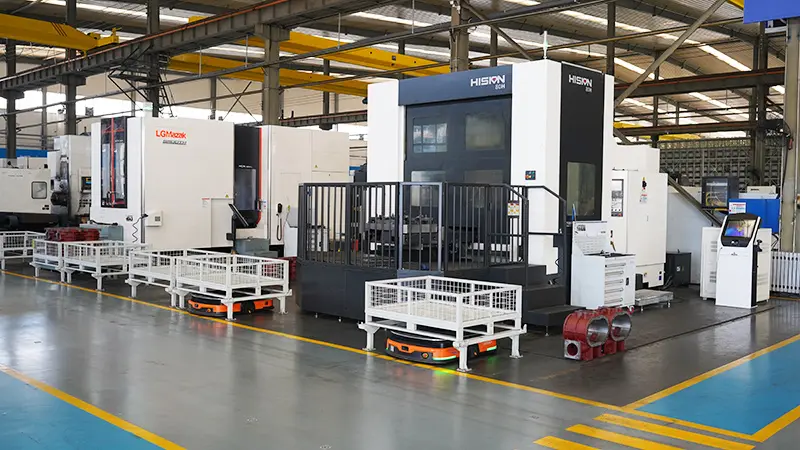
Equipped with nearly 100 sets of imported precision machinery, our facility features CNC machining centers, 5-axis machining centers, and 3-axis coordinate measuring instruments imported from Japan and Germany. By utilizing product lifecycle management (PLM), computer-aided manufacturing (CAM), and computer-aided testing (CAT) systems, ZCBC ensures tight component tolerances and repeatable manufacturing quality.
From custom casting and dynamic impeller balancing to high-pressure performance testing, ZCBC manages the entire manufacturing process in-house. Our full-load testing stands verify hydraulic efficiency, net positive suction head (NPSH), vibration signatures, and thermal stability before any pump is shipped, ensuring complete operational reliability.
High-pressure multistage boiler feed water pumps must be configured to meet the specific requirements of different regions and industries. ZCBC designs tailor-made solutions optimized for varied operational settings:
In the United States and Canada, industrial systems must comply with strict API 610 (ISO 13709) standards, ASME boiler codes, and EPA environmental rules. ZCBC's US branch provides direct local support, supplying pumps with heavy-walled casings, ASME flanged connections, and customized mechanical seals (API Plan 23/54 cooling systems) to handle volatile liquids at oil refineries, petrochemical complexes, and power plants.
European markets prioritize high energy efficiency (consistent with ErP directives) and strict environmental standards (ISO 14001/50001). ZCBC designs boiler feed pumps for municipal district heating networks and biomass-to-energy plants that optimize partial-load efficiency. Integrating our systems with variable frequency drives (VFD) and IE4/IE5 permanent magnet motors (PMSM) reduces carbon footprints and operational costs.
Across rapid-growth industrial hubs in Southeast Asia and challenging climates in the Middle East, pumps must withstand high ambient temperatures, humid conditions, and varying water quality. ZCBC supplies high-reliability boiler feed pumps configured with corrosion-resistant metallurgy (such as Duplex and Super Duplex Stainless Steels) for seawater desalination plants, heavy textile manufacturing, steel production, and pulp mills.
The global high-pressure pump market is changing rapidly due to digital transformation and strict decarbonization targets. ZCBC's R&D division is focused on three main technological trends:
For EPC contractors, engineering consultants, and procurement managers, selecting a high-pressure pump supplier involves evaluating critical performance and quality metrics to ensure long-term reliability:
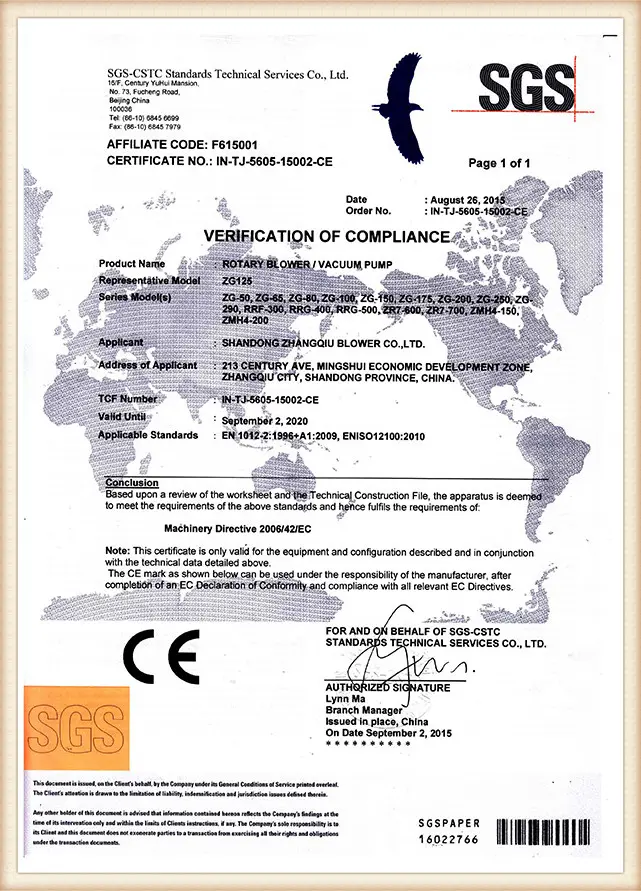
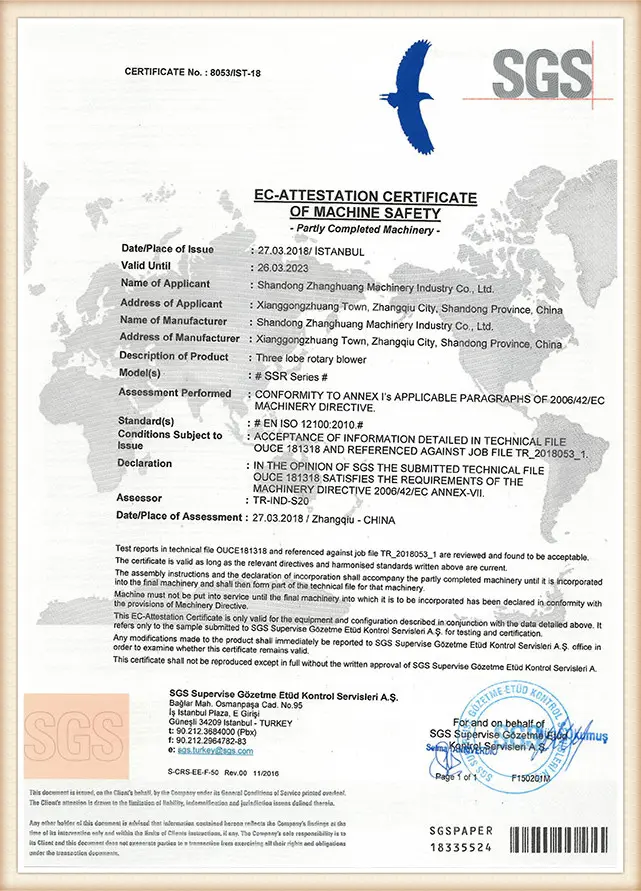
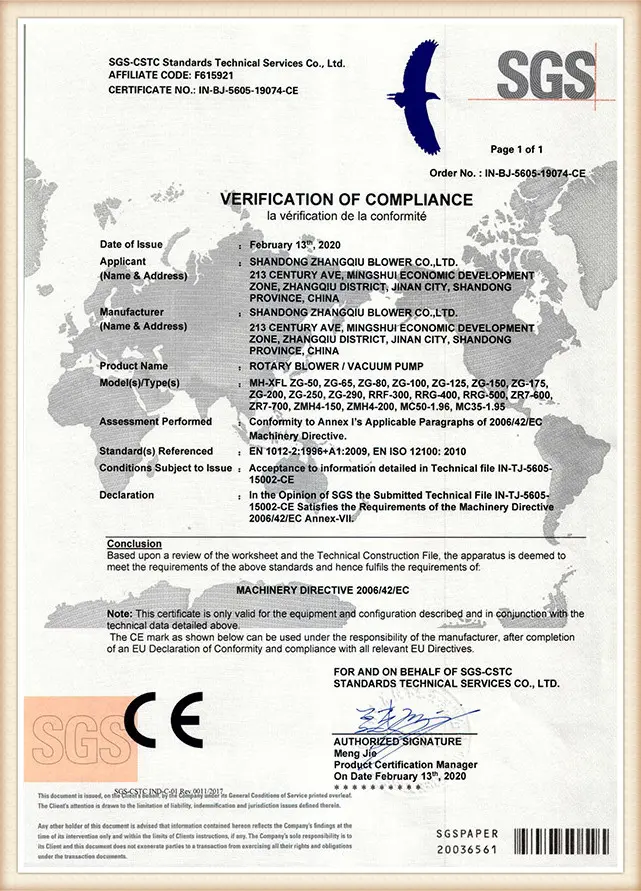
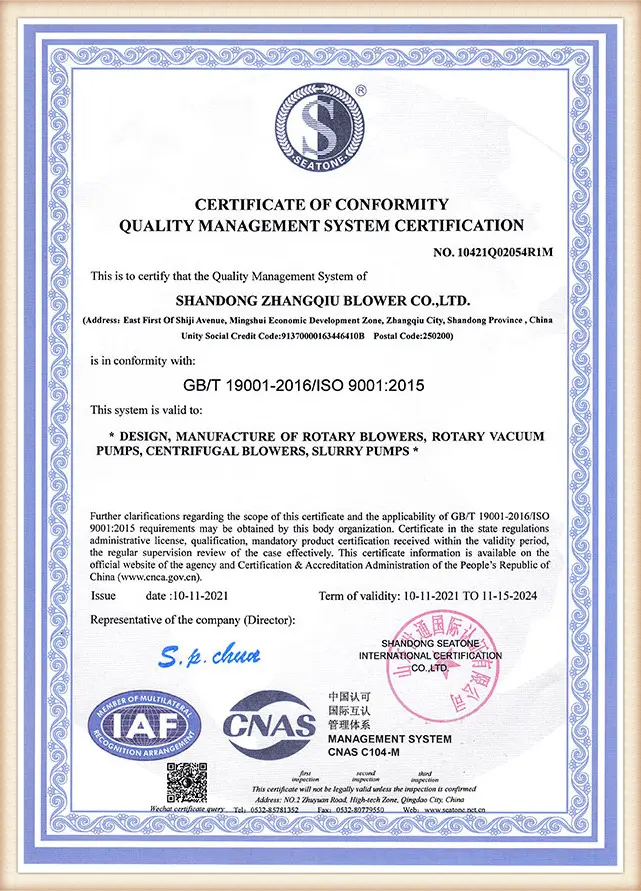
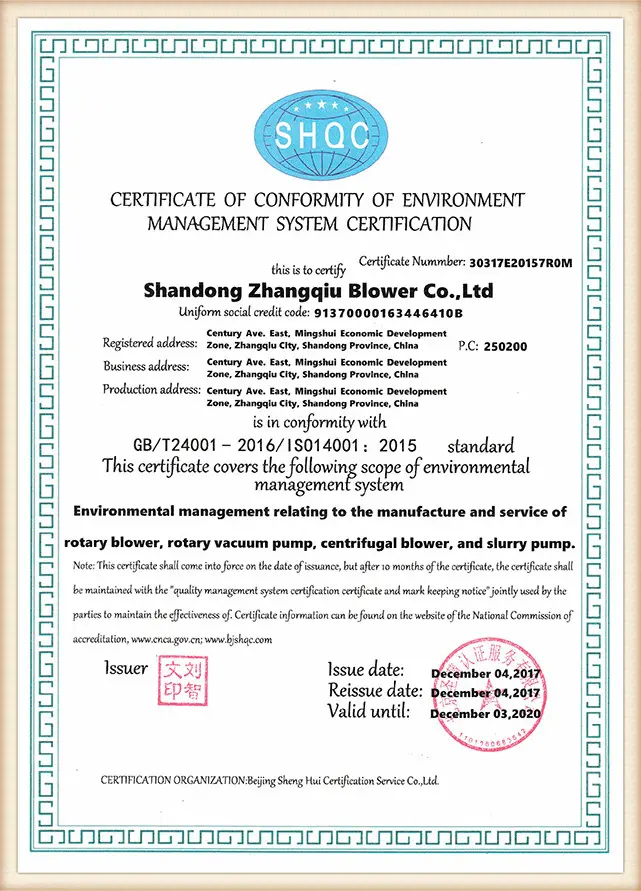
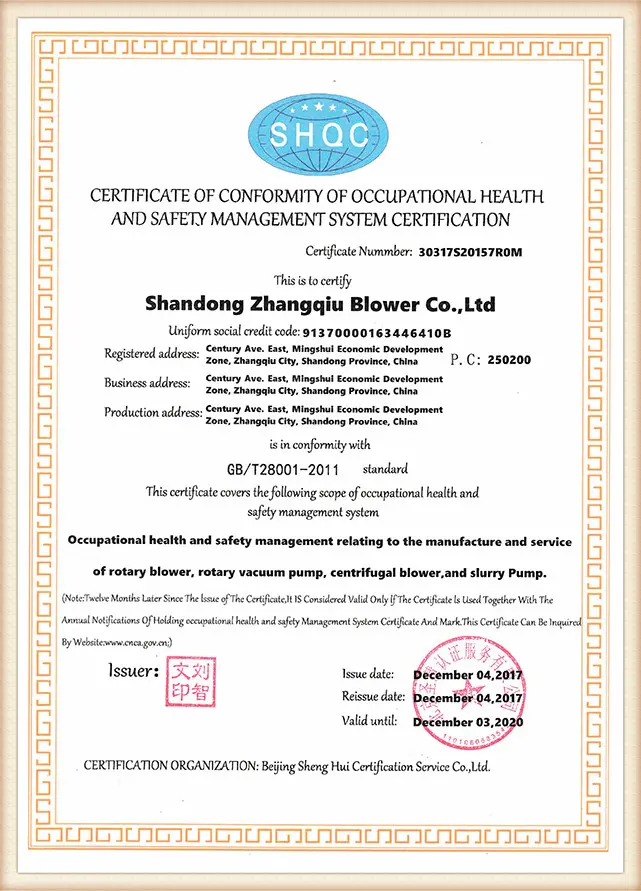
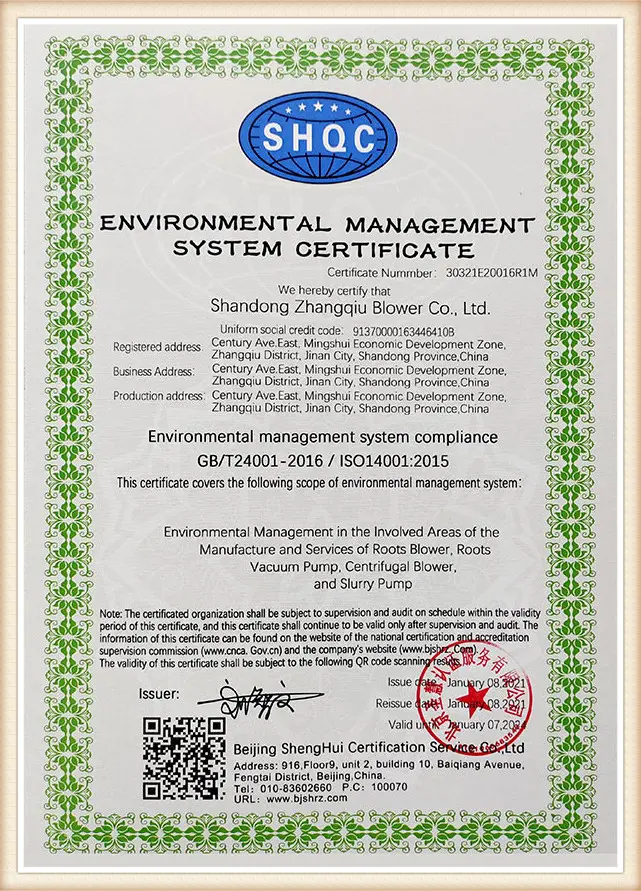
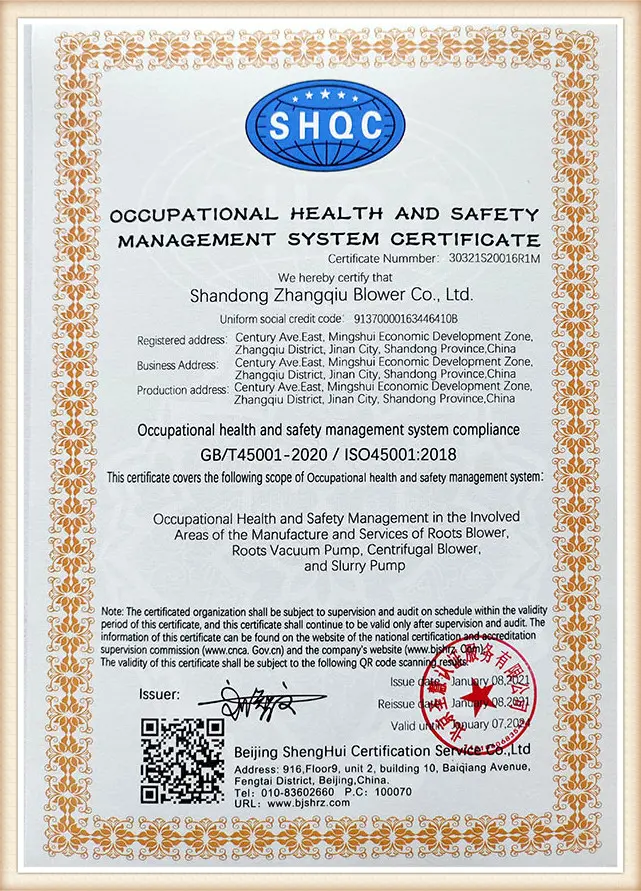
Boiler feed water pumps must meet international quality and safety certifications. ZCBC operates under a certified ISO 9001 quality management framework, and our designs comply with CE directives, ISO 14001 environmental standards, and ISO 50001 energy standards. We offer complete material traceability, non-destructive testing (NDT), hydrostatic casing test reports, and dynamic balancing records to satisfy stringent quality audits.
A reliable supplier should provide rigorous Factory Acceptance Testing (FAT) to verify hydraulic performance at rated operating temperatures. ZCBC offers comprehensive performance testing, mechanical run tests, and NPSH verification on our specialized test stands. Our global service network, including overseas branches and partner centers, ensures rapid parts delivery, commissioning support, and maintenance assistance to keep your operations running smoothly.
Our technical strength is built on a skilled team of researchers, including engineering experts who receive special allowances from the State Council, doctoral researchers, and senior engineers. ZCBC's partnerships with top-tier universities, such as Tsinghua University and Xi'an Jiaotong University, provide a strong technical foundation for continuous innovation in hydraulic design.
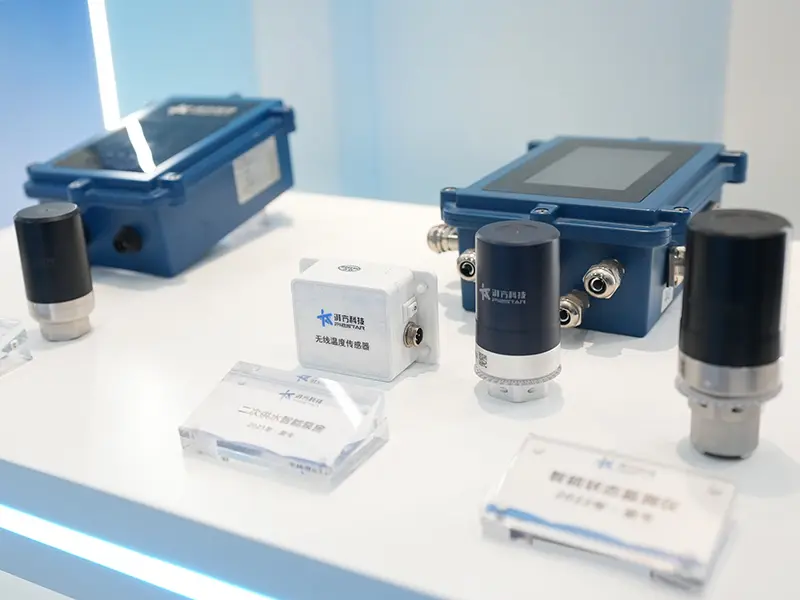
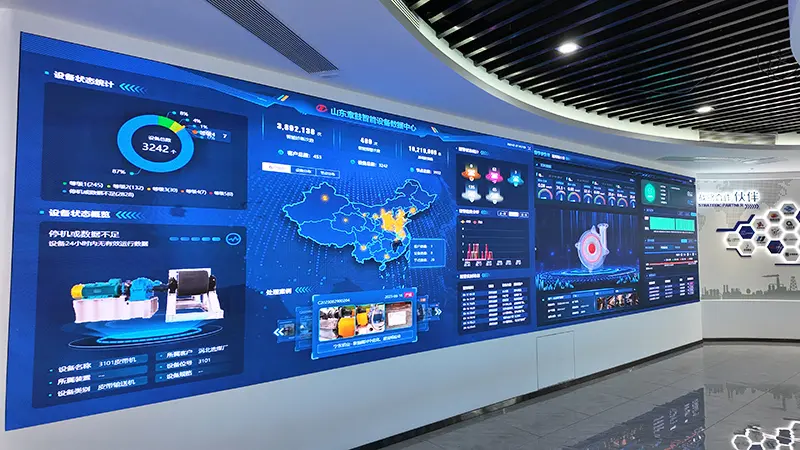
Over the years, ZCBC has developed a suite of proprietary technologies, including countercurrent cooling, noise reduction systems, wear-resistant coatings, two-stage tandem configurations, smart monitoring, and specialized sealing. We hold 69 patents, including 5 invention patents, and our products carry Mining Safety Marks, CE certification, energy-saving certificates, and national 3C certification.

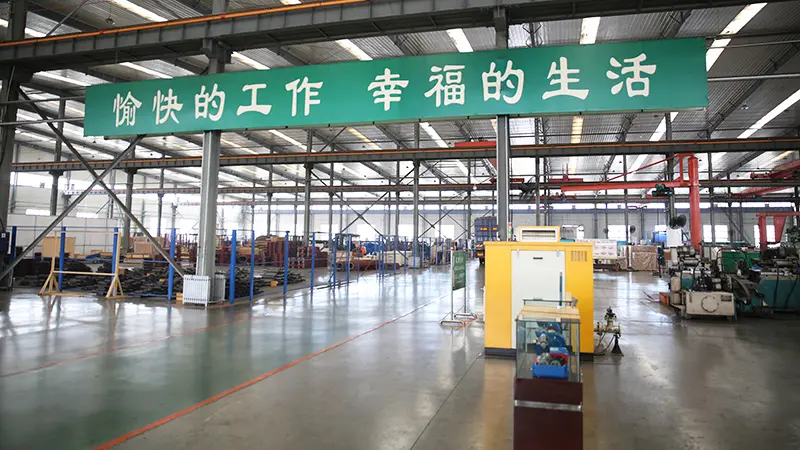
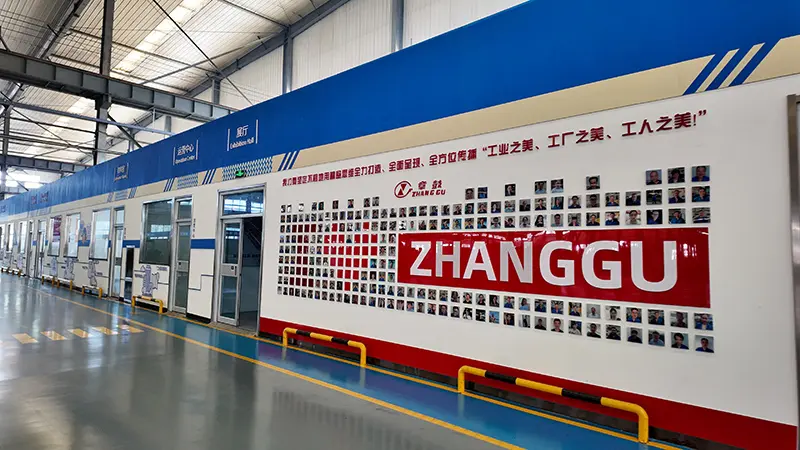
At ZCBC, corporate culture is the core of our management philosophy. We respect individual initiative, support professional growth, and maintain a shared focus on quality. Under our long-term strategy, we prioritize investment in our team, providing our design engineers with the tools to deliver 3D CAD designs within 24 hours of receiving customer specifications. Our culture is summarized in our motto: "Cohesion produces strength, unity brings glory. Do the best."

To help plant managers and engineers optimize their high-pressure water systems, we have compiled answers to common technical and operational questions:
 Zhangqiu