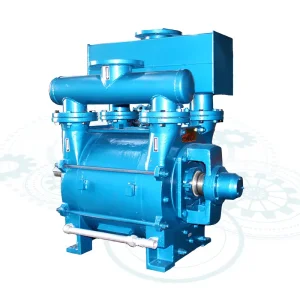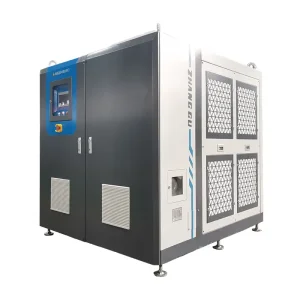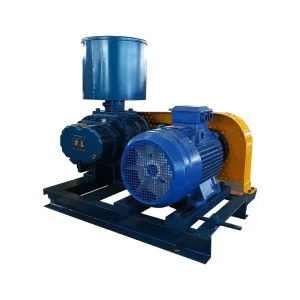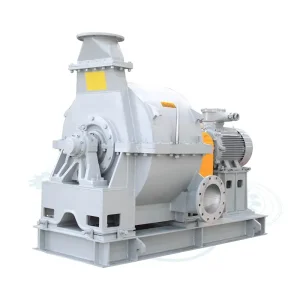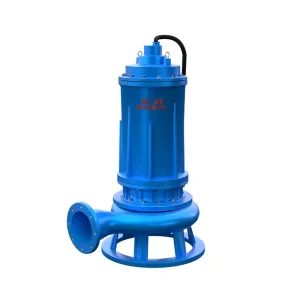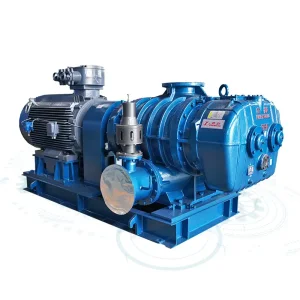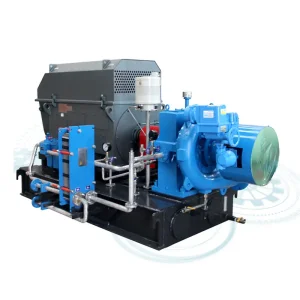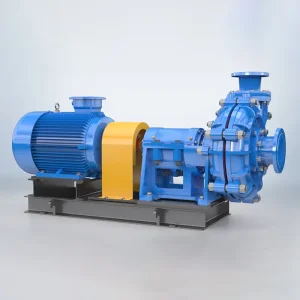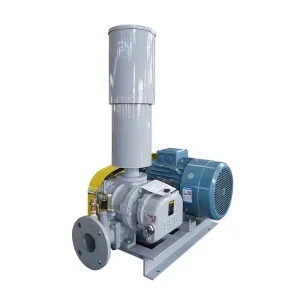
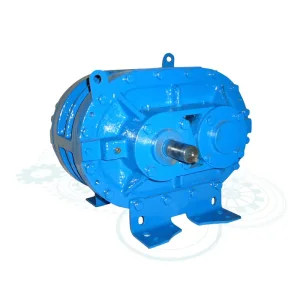
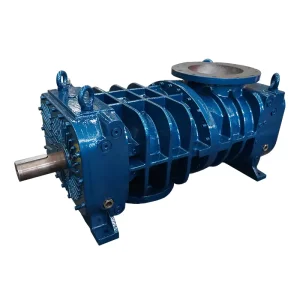
In modern mineral processing, industrial waste treatment, and mechanical purification plants, the efficient transport of high-concentration abrasive suspensions is a critical operational bottleneck. Colloquially termed "slime," this medium is characterized by a complex mix of fine suspended solids, process water, dissolved chemicals, and volatile compounds. Transporting such media demands heavy-duty slime transfer pumps specifically engineered to withstand severe abrasive, corrosive, and mechanical stresses.
As a leading authority in the global industrial fluid arena, Shandong Zhangqiu Blower Co., Ltd. (ZCBC) leverages over 50 years of design, development, and high-precision manufacturing experience to engineer pump solutions that redefine performance boundaries. Founded originally as the Shandong Zhangqiu Blower Works and subsequently listed on the Shenzhen Stock Exchange (Stock Code: 002598) in 2011, ZCBC has grown into an industrial conglomerate with an operating income of 1.5 billion yuan and annual profits exceeding 150 million yuan. Under our core operating philosophy "Do the best," ZCBC has established state-of-the-art production bases in Wuxi, Dongguan, Chenzhou, and Jinchang, supported by dedicated R&D facilities in Beijing, Shanghai, Shijiazhuang, and Wuxi.
This technical whitepaper outlines the mechanics of high-viscosity slurry handling, the wear profiles typical of slime transfer, the engineering methodologies employed by ZCBC, and the macro-level economic strategies driving global procurement decisions today.
The industrial sector is undergoing a massive shift towards ecological safety, carbon neutrality, and maximum water recovery. This shift directly influences the specifications of modern slime transfer operations:
By studying the rheological behavior of these complex fluids, ZCBC engineers custom impeller and casing profiles. This minimizes turbulence, prevents localized cavitation, and lowers energy consumption during operation.
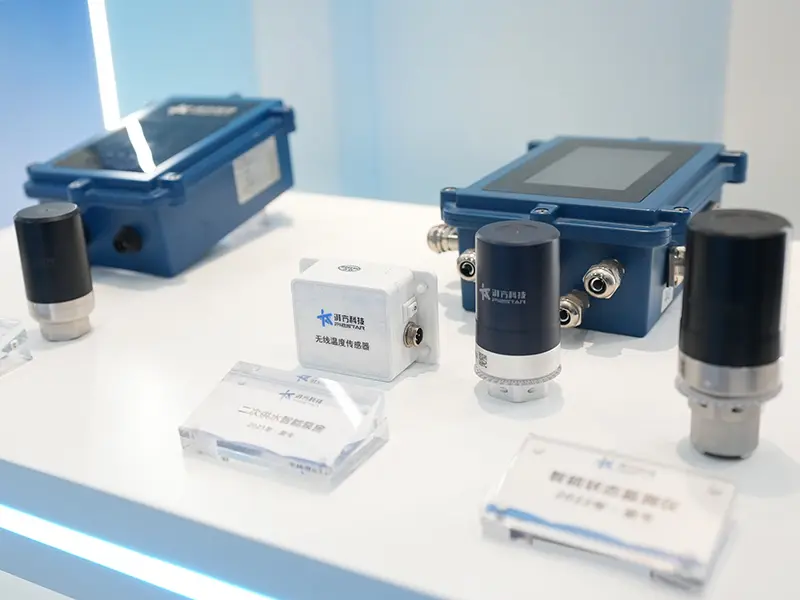
In the globalized supply chain, procurement professionals are shifting focus from initial capital expenditure (CAPEX) to total cost of ownership (TCO) over the asset lifecycle. A cheap slime transfer pump that fails repeatedly due to accelerated wear creates catastrophic downtime costs, wiping out initial savings in a matter of days.
ZCBC addresses this dynamic by offering high-durability products backed by rigorous engineering. Our global footprint, including two Sino-Japanese joint ventures and a dedicated USA branch, makes ZCBC the first Chinese blower and pump manufacturer to establish overseas entities. This structure ensures localized inventory, immediate technical consultation, and efficient spare parts supply.
Our quick-response engineering team can transform customer sketches or operational parameters into standard 3D CAD designs and hydraulic analysis models within 24 hours. This design capability accelerates the project engineering phase for EPC contractors and mine operators worldwide.
Get complete 3D installation models and pump system drawings in under 24 hours to accelerate validation and reduce planning delays.
ISO9001, ISO14001, ISO50001, CE, and China Mining Safety marks ensure compliance with strict environmental and safety regulations.
With products in over 70 countries and dynamic joint ventures in Japan and the US, we offer local support for major processing hubs.
Rather than providing stand-alone pumps, ZCBC focuses on integrated industrial solutions. Our hardware and engineering capabilities address the challenges of major processing sectors:
1. Mineral Processing & Tailings Transport: Ore extraction generates large quantities of abrasive tailings. Our specialized slurry and ceramic pumps handle these heavy solids, optimizing process uptime in environments where standard steel components quickly erode.
2. Coal Preparation Plants: Coal slime, a byproduct of wet coal washing, consists of fine coal particles and water. Pumping this highly viscous material requires optimized impellers to handle fluctuating viscosities and prevent line blockages.
3. Advanced MVR Evaporation & Concentration: ZCBC offers integrated mechanical vapor recompression (MVR) systems. These setups require highly reliable pumps to transfer concentrated brine and heavy crystals without scaling or seal failures.
4. Flue Gas Desulfurization (FGD): Limestone slurry pumps in coal-fired power plants operate in abrasive, highly acidic environments. ZCBC's metallurgy and specialized coatings deliver stable performance in these demanding desulfurization circuits.
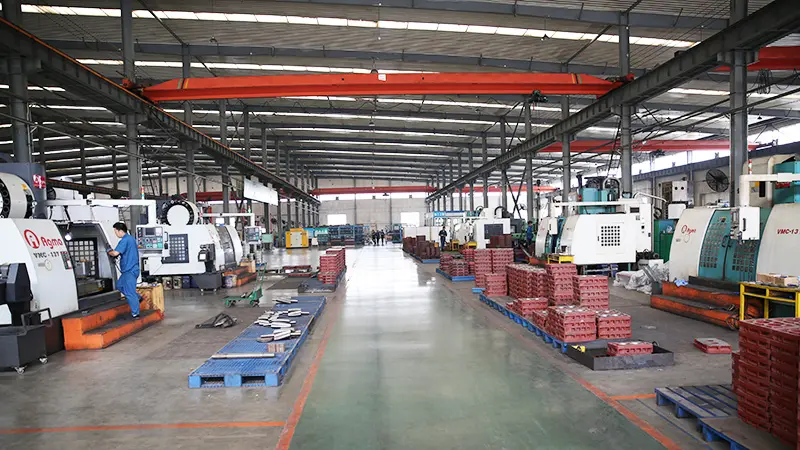
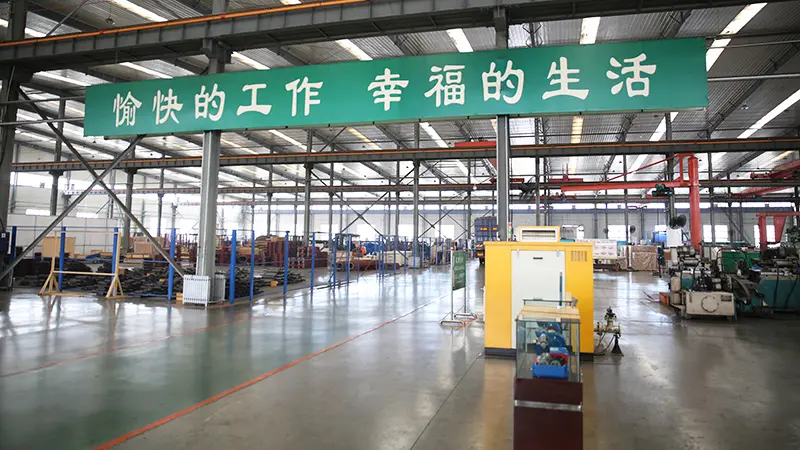
ZCBC features advanced design and modeling facilities, running computer-aided design and manufacturing systems (PLM, CAM, CAPP, CAT) alongside automated testing loops.
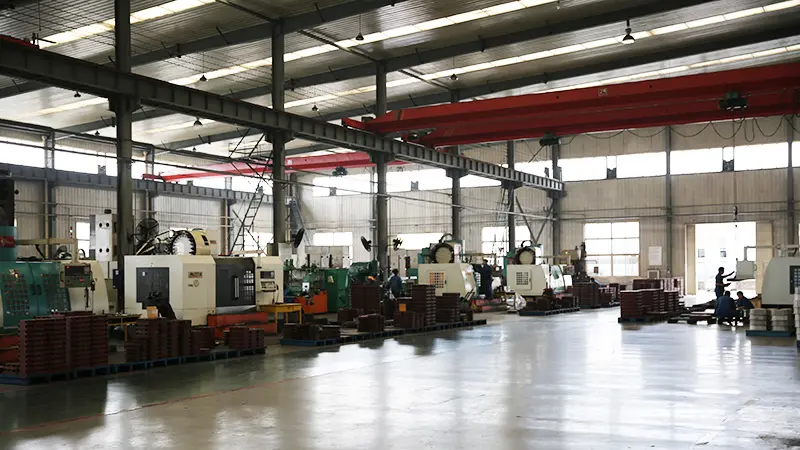
We have invested in nearly 100 sets of imported machining tools, including CNC five-axis machining centers, three-axis coordinate measurement machinery, and ultrasonic flaw detection systems from Japan and Germany. These tools allow us to achieve tight mechanical tolerances and repeatable quality across every production batch.
To reduce wear in abrasive environments, ZCBC focuses on material selection and hydraulic design. Standard cast iron is unsuitable for high-viscosity, abrasive slurries. We employ specialized materials and structural features to extend component life:
Additionally, our close partnerships with academic hubs like Tsinghua University and Xi'an Jiaotong University ensure continuous improvements in metallurgy and fluid dynamics design.
Quality control at ZCBC begins at the foundry and continues through delivery. Raw materials are checked using optical emission spectrometers, and castings are inspected via non-destructive ultrasonic testing to detect internal voids.
We test every pump assembly on our performance test loops to verify flow, pressure, power consumption, and vibration levels. This testing ensures the equipment meets design specifications before leaving the factory.
ZCBC integrates environmental management into our manufacturing processes, holding ISO14001 and ISO50001 certifications. We focus on energy conservation and emission reduction across all manufacturing bases.
Proper pump selection requires specifying:
1. Solid concentration by weight (Cw %) and dry solid density.
2. Solid particle size distribution (d50 and d85) to determine settling velocity.
3. Slurry pH and temperature to select appropriate metallurgy or ceramic linings.
4. Net Positive Suction Head Available (NPSHa) versus Net Positive Suction Head Required (NPSHr) to prevent cavitation.
Silicon Carbide (SiC) ceramics have high hardness (ranking close to diamond on the Mohs scale). While high-chrome alloys provide structural toughness for high-impact applications, ceramic-lined pumps offer better wear resistance in environments with fine, sharp abrasive solids (like silica and copper tailings) coupled with acidic process chemicals.
High-viscosity slurries reduce the pump's head, capacity, and efficiency while increasing the brake horsepower required. ZCBC engineers apply correction factors based on rheological tests to scale up motors and configure impeller clearances accordingly.
For applications where clean sealing water is available, a gland seal with continuous water flush is common. For processes where dilution is prohibited, a dry dynamic expeller seal or mechanical seal (either double cartridge or single bellows with faces like SiC-vs-SiC) is preferred to prevent leakage.
We provide full layout drawings, pump curves, and motor specifications within 24 hours of receiving draft system metrics. This supports engineering firms in finalizing layout coordinates, piping runs, and electrical load planning early in the design cycle.
 Zhangqiu