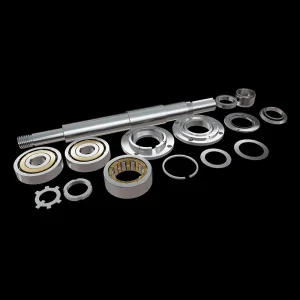
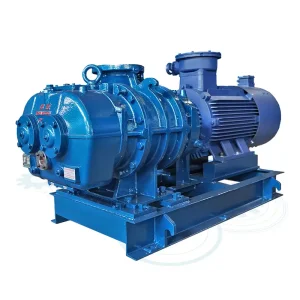
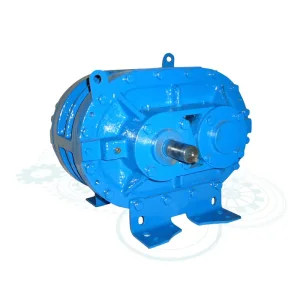
High-performance industrial equipment configured to meet Japan's rigorous standards of energy efficiency, operational safety, and wear resistance.
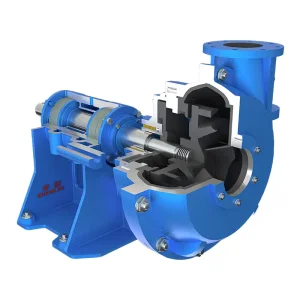
In modern mineral processing and metallurgical circuits, separation is increasingly executed via froth flotation. Here, surfactant-stabilized gas bubbles capture hydrophobic target minerals and lift them to the surface, creating a viscous, stable froth. Handling this aerated medium presents unique hydrodynamic challenges. Conventional centrifugal pumps fail when processing frothy slurries because the entrained air separates from the solid-liquid mixture, forming an air pocket at the impeller eye (airlocking). This pocket blocks the flow, rapidly reducing discharge pressure and pump efficiency.
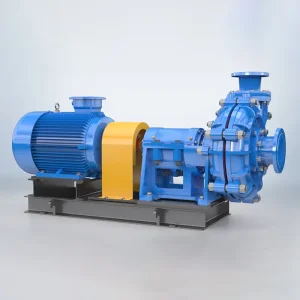
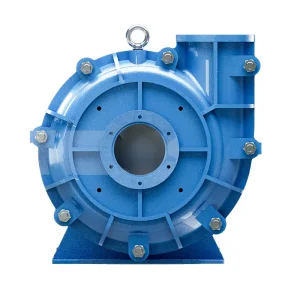
Foam slurry pumps address this limitation. Featuring a conical hopper design, they allow bubbles to expand, escape, and coalesce. Additionally, an inducer impeller or a specialized tangential inlet shears the froth, separating the air phase from the slurry before it reaches the impeller blades. This design maintains continuous priming, reduces cavitation-induced wear, and ensures stable volumetric output.
Constructed with specialized blades that systematically shear air bubbles, preventing air pocket formation at the impeller eye and maintaining continuous flow.
Accelerates natural de-aeration by utilizing centrifugal action to separate air from the slurry before the mixture enters the pump casing.
Engineered with Cr27 and Cr30 alloys to withstand the dual action of micro-cavitation collapse and abrasive slurry wear.
Japan's heavy industrial landscape emphasizes raw material conservation, high-yield mineral processing, and advanced environmental recycling. Without large-scale raw mines, Japanese companies lead in "urban mining" (recovering precious metals and rare-earth elements from electronic waste) and processing complex industrial residues. The flotation processes used in these sectors require highly reliable, specialized pump designs. Additionally, strict environmental regulations drive demand for energy-efficient, low-leakage pumps to minimize emissions and resource consumption.
In addition to urban mining, Japanese chemical manufacturing, flue-gas desulfurization (FGD) in power plants, and advanced ceramics processing require high-performance slurry transport. Equipment in these operations must deliver high uptime, resistance to acidic media (using ceramic-lined pumps like the TZJK-TD series), and low maintenance overheads. To support this market, exporters must supply precision-machined, internationally certified components that integrate with modern automation systems.
| Japanese Application Field | Slurry Type & Characteristics | Technical Requirement | Recommended Pump / System Solution |
|---|---|---|---|
| Urban Mining (Precious Metal Flotation) | High-density abrasive slurries with surfactant froth and varying acidity levels. | Low shear degradation, reliable froth handling, and high-abrasion wear resistance. | Foam Slurry Pump with conical inlet and High-Chrome (Cr27) impeller. |
| Flue-Gas Desulfurization (FGD) | Corrosive gypsum slurry containing abrasive particles and dissolved chlorides. | Resistance to both chemical corrosion and mechanical erosion. | TZJK-TD Ceramic Slurry Pump or Duplex Stainless Steel Pump. |
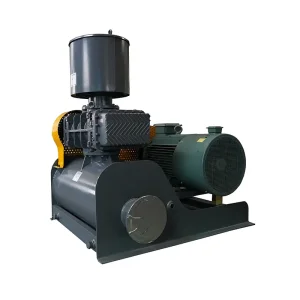
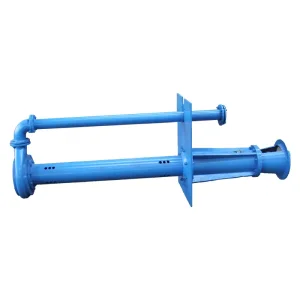
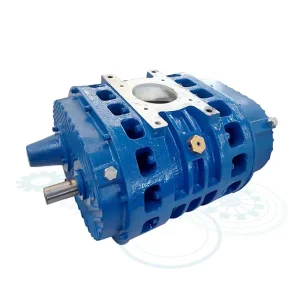
| Municipal Wastewater Treatment | Aerated sludge, raw sewage, and grit-heavy organic slurries. | Non-clogging performance, continuous duty, and energy-efficient aeration. | Famous Vertical Slurry Pump / ZG Series Tri-Lobe Roots Blower. |
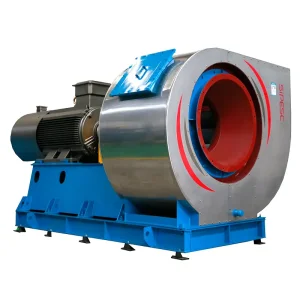
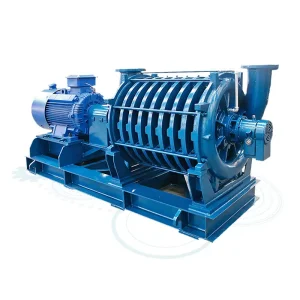
| Advanced Chemical Synthesis | Viscous catalyst carrier slurries and polymer suspensions. | Hermetic sealing, high pressure stability, and process customization. | MC/C Series Multistage Centrifugal Blower & Custom Pumps. |
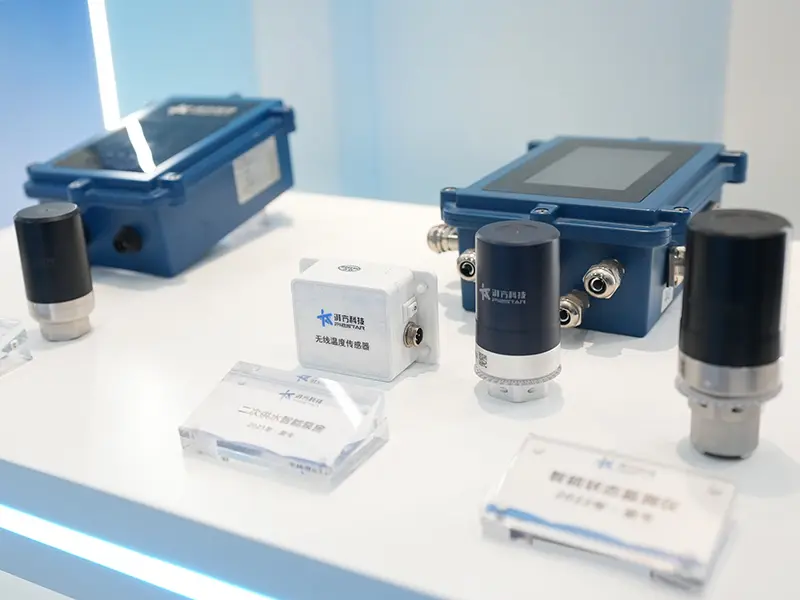
The global mining and chemical processing sectors face declining ore grades, which require finer grinding and more intensive flotation circuits. This increase in flotation intensity generates higher volumes of stable froth. Consequently, processing plants require pumps designed for larger capacities and higher air-handling capabilities. Additionally, the industry is transitioning toward automated control systems, integrating flow, vibration, and temperature sensors directly into the pump housing.
In response to these trends, equipment designs are moving toward modular configurations and advanced materials. Exporters are shifting from traditional high-chrome iron to silicon carbide (SiC) and alumina-based ceramics. These ceramic materials offer superior chemical inertness and hardness, extending the service life of impellers and liners in corrosive environments. The development roadmap also focuses on optimizing impellers through Computational Fluid Dynamics (CFD) to improve hydraulic efficiency and lower energy consumption.
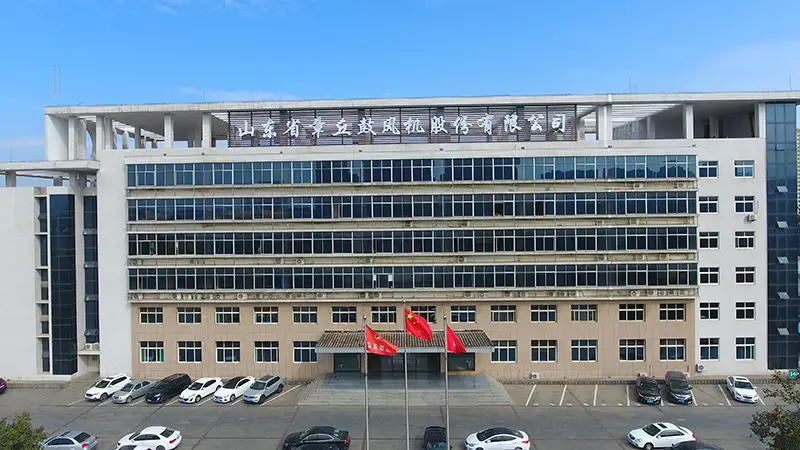
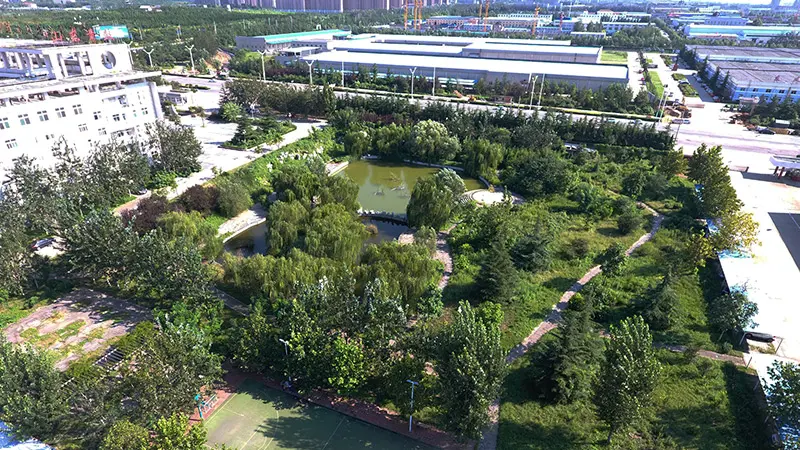
Shandong Zhangqiu Blower Co., Ltd. (formerly Shandong Zhangqiu Blower Works) has over 50 years of experience in blower and industrial pump design and manufacturing. ZCBC operates two Sino-Japanese joint ventures and a US branch, making it a key player in the blower industry. Listed on the Shenzhen Stock Exchange (Stock Code: 002598) in 2011, the company has expanded into a modern enterprise that designs, manufactures, and services Roots blowers, centrifugal blowers, industrial fans, slurry pumps, and environmental water treatment systems.
ZCBC operates four manufacturing bases (Wuxi, Dongguan, Chenzhou, and Jinchang) and four R&D centers (Beijing, Shanghai, Shijiazhuang, and Wuxi). These facilities support the continuous improvement of the company's product line, including the ZG Series Roots Blowers, TZJK-TD Ceramic Slurry Pumps, and specialized foam pumps. With a strong commitment to technological innovation, the company holds dozens of patents in countercurrent cooling, fan noise reduction, wear-resistant coatings, and intelligent control systems.
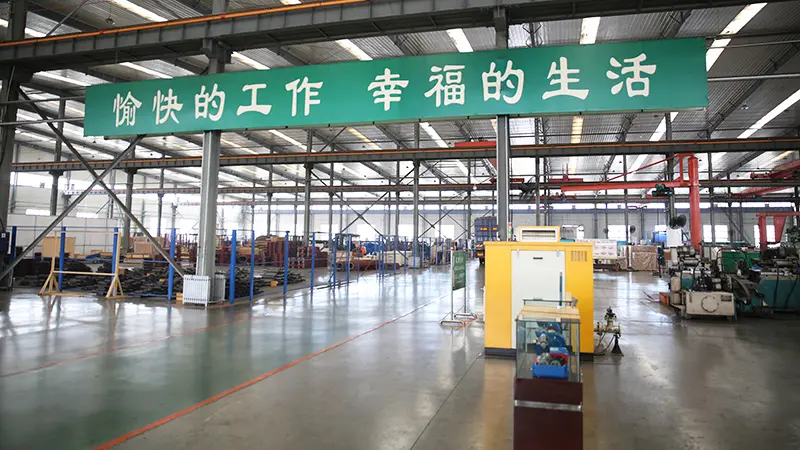
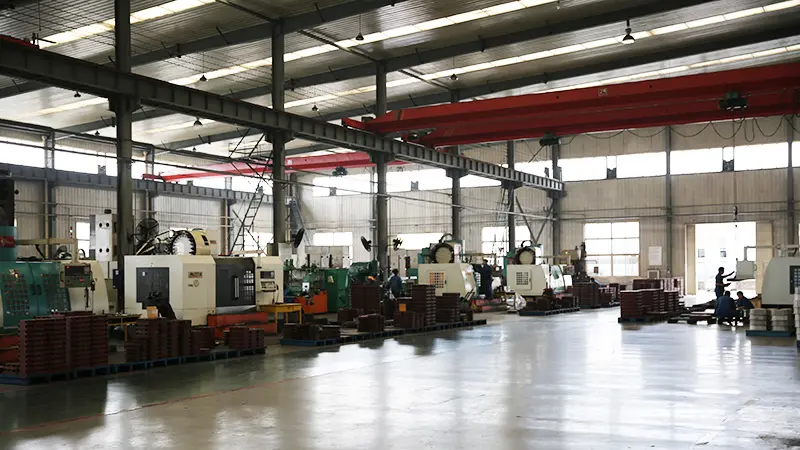
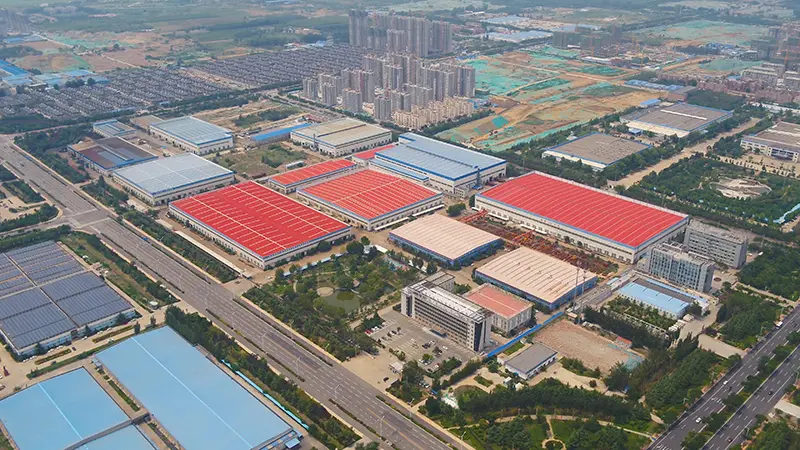
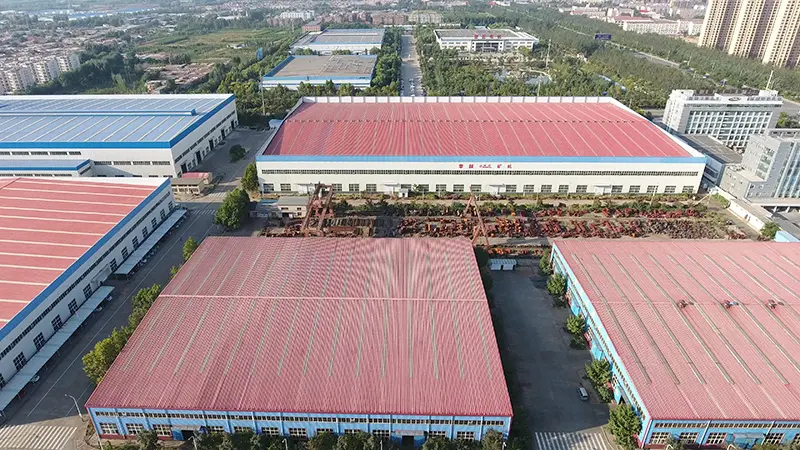
The company maintains a strong research team composed of engineering researchers and technical experts, supported by joint research initiatives with universities like Tsinghua University and Xi'an Jiaotong University. This academic and technical foundation supports the development of customized products for demanding applications, ensuring high reliability and performance in the field.
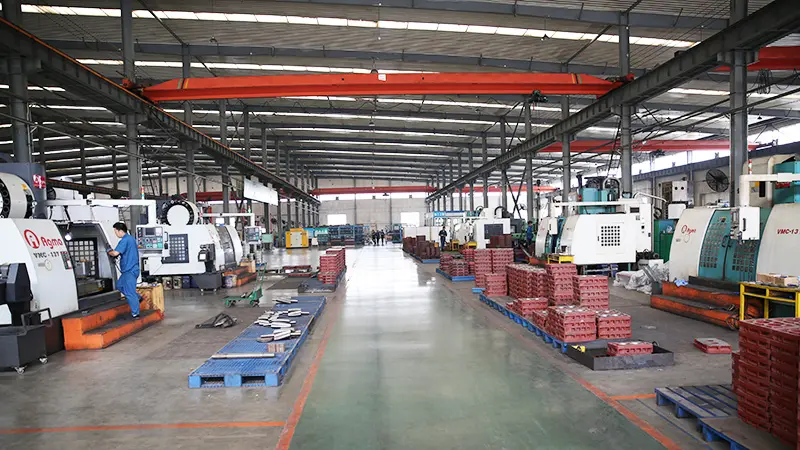
In high-precision manufacturing environments like Japan, equipment must meet strict quality standards. ZCBC's manufacturing facilities are certified under ISO9001 for quality management, ISO14001 for environmental management, and ISO50001 for energy management. These systems ensure that every step of the production process—from raw material inspection to final dynamic balancing—meets consistent quality standards.
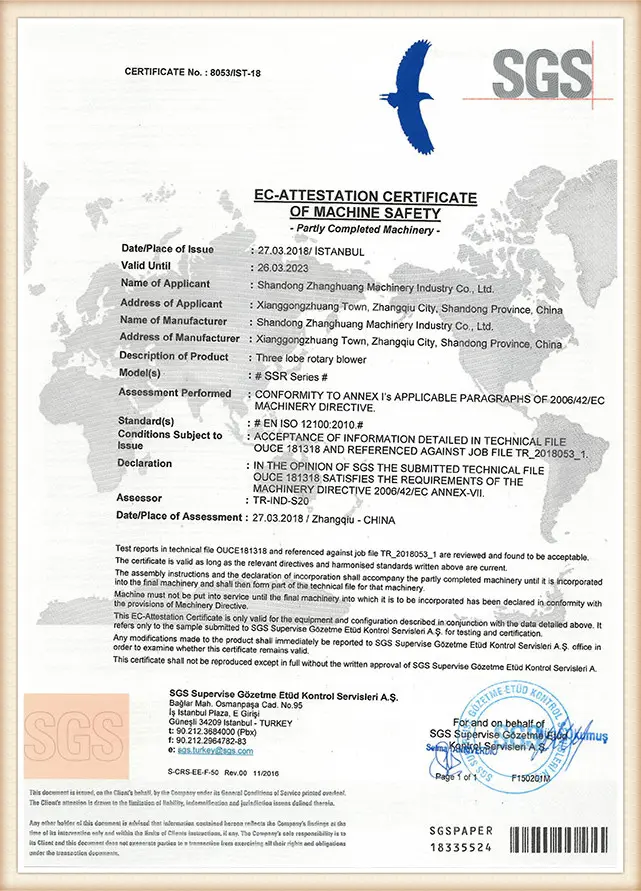
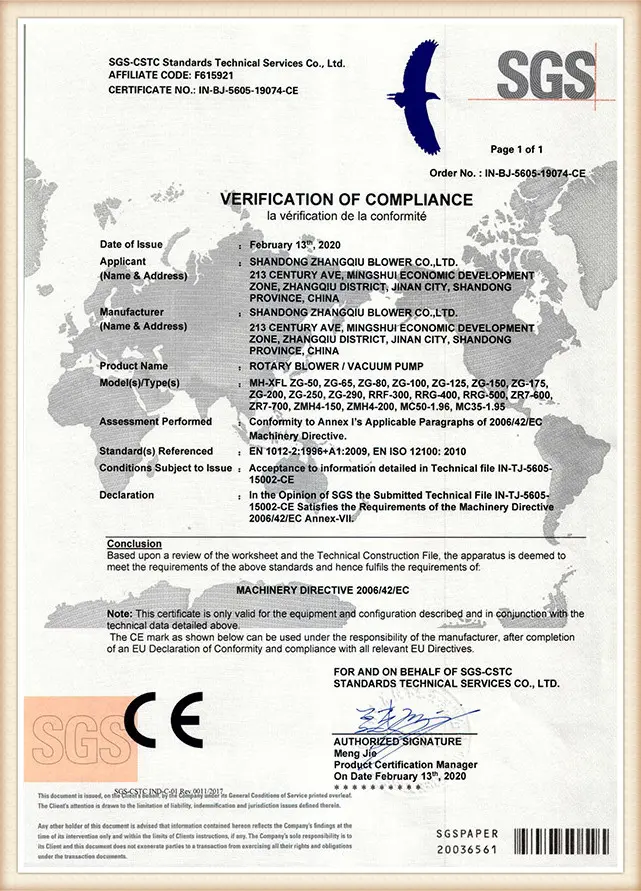
For mining and industrial environments, our equipment holds relevant certifications, including the Safety Mark for Mining Products and European CE compliance. We utilize advanced inspection tools, such as ultrasonic flaw detectors imported from Japan and Germany, coordinate measuring machines (CMM), and dynamic balancing rigs, to ensure all critical tolerances are met before delivery.

High-efficiency blowers and compressors designed to support industrial processes and environmental plants across Japan.
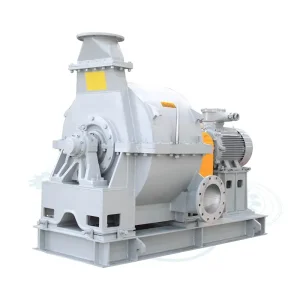
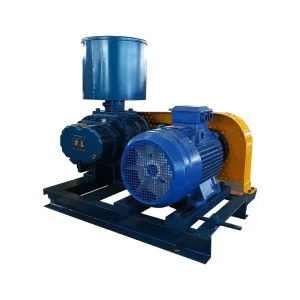
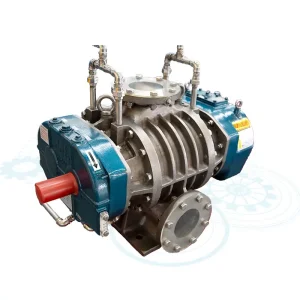
Common technical questions regarding foam slurry pumps, industrial blowers, and their application in advanced mineral circuits.
Airlocking occurs in standard centrifugal pumps when the air in aerated slurry separates and forms a pocket at the impeller's center, stopping flow. Foam slurry pumps prevent this through a conical hopper design that allows air to escape, paired with a specialized impeller that shears the froth, separating the air and slurry before they enter the pump casing. This maintains priming and continuous flow.
Silicon carbide or alumina ceramics provide higher hardness than traditional high-chrome iron alloys. This material characteristic offers excellent resistance to both mechanical abrasion from fine mineral solids and chemical corrosion from acidic flotation reagents. In Japan's industrial recycling and mining operations, ceramic-lined pumps help extend service intervals and lower overall maintenance costs.
The Froth Volume Factor (FVF) measures the ratio of aerated froth volume to equivalent liquid volume. Higher FVF values require pumps with larger inlets, specialized conical hoppers, and inducer impellers to handle the increased air content. Accurately measuring the FVF is critical for sizing the pump's hydraulic components to prevent airlocking and maintain efficient transport.
Roots blowers provide the continuous, low-pressure air needed for mineral flotation tanks, where air bubbles capture target minerals. Delivering a reliable air supply is essential for maintaining consistent froth quality. ZCBC offers both flotation air blowers and foam pumps, allowing operators to source integrated fluid and air-handling systems from a single provider.
To meet Japan's strict noise regulations, our Roots blowers and centrifugal systems incorporate design features such as helical tri-lobe impellers, integrated silencers, and optional acoustic enclosures. These elements help reduce pulsation-induced vibration and structural noise, making the equipment suitable for municipal wastewater treatment plants and urban industrial facilities.
Yes. Battery recycling and hydrometallurgical operations involve corrosive acids and abrasive metal compounds. For these demanding applications, we configure the contact wet ends of our pumps with specialized materials, including duplex stainless steels, hastelloy, or silicon carbide ceramic liners, ensuring chemical compatibility and long-term durability.
High-performance industrial pumps, Roots blowers, and specialized fans engineered for heavy-duty applications.
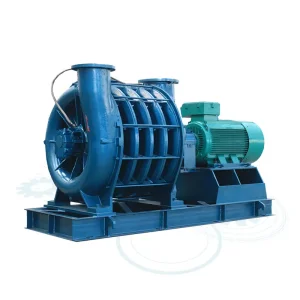
Contact our engineering support team to discuss your process requirements, request 3D CAD models, or obtain a detailed quote.
Send Inquiry Now Zhangqiu