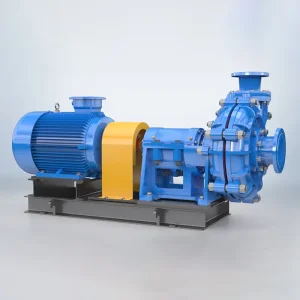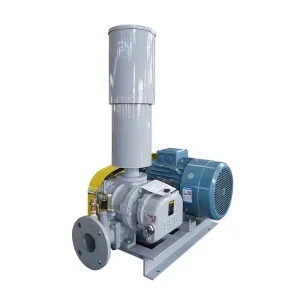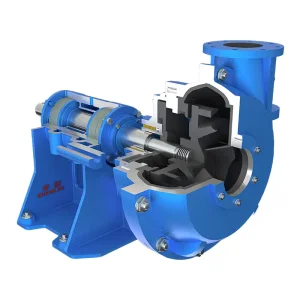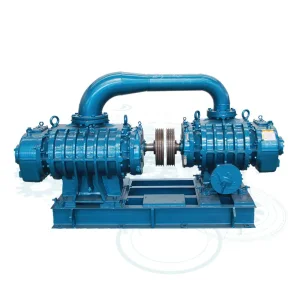
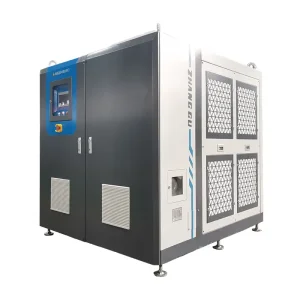
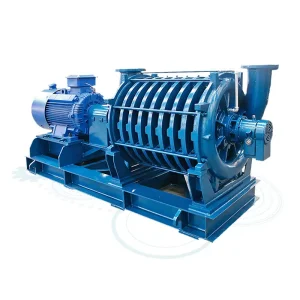
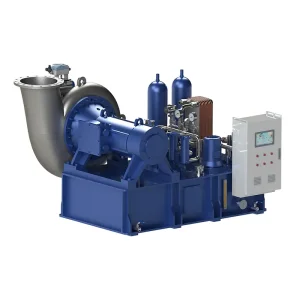
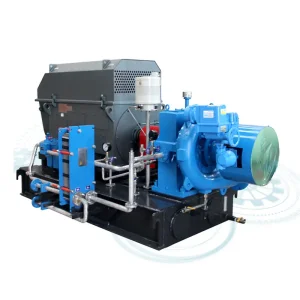
A boiler feed pump (BFP) is the vital thermodynamic link within steam-based energy generation systems and thermal process environments. Tasked with transferring feedwater into steam boilers under high pressure, a BFP operates under intense mechanical, chemical, and thermal loads. Designing and selecting the correct boiler water feed pump requires deep understanding of system mechanics: Net Positive Suction Head Available (NPSHa), high temperature management, fluid compressibility, and the specific dynamics of modern combined heat and power (CHP) or concentrated industrial steam loops.
In subcritical and supercritical thermal plants, feedwater must be raised to pressures matching or exceeding the boiler drum pressure—often between 50 and over 250 bar. Consequently, mechanical reliability and fluid dynamics are highly critical. Improper pump specification risks cavitation, thermal fatigue, rotor deflection, and catastrophic failure of mechanical seals. A resilient boiler feedwater design balances energetic efficiency against operational uptime, incorporating smart instrumentation and robust metallurgy to handle thermal transients.
Different industrial systems require specialized mechanical designs. Depending on boiler capacity, operational pressures, and discharge volumes, feed pump designs are classified into several primary configurations:
Ideal for high-pressure, medium-to-large capacity applications. Comprising multiple impellers arranged in series, these segment-ring or split-case pumps build pressure incrementally across stages. They represent the industry standard for high-duty steam generation.
Optimized for space-constrained footprints and lower-capacity boiler loops. Widely deployed in commercial HVAC, textile production, and package boilers, their vertical layout simplifies installation and pipe configuration.
Designed for low-flow, high-pressure environments. These pumps use a unique impeller configuration that forces fluid through a helical path, generating substantial head pressure within a compact single-stage body.
| Pump Technology | Typical Pressure Range (Bar) | Temperature Limits | Ideal Application Profile |
|---|---|---|---|
| Multistage Segment-Ring (D-Type) | 20 - 150+ | Up to 160°C | Heavy industrial utility steam, medium power generation. |
| Double-Case Barrel (API 610 BB5) | 100 - 300+ | Up to 220°C | Supercritical plants, high-pressure utility feed lines. |
| Vertical Multistage Centrifugal | 5 - 30 | Up to 120°C | Commercial steam boilers, autoclave feed, light industry. |
| Regenerative Turbine | 5 - 25 | Up to 110°C | Low-flow packaged boilers, continuous condensate return. |
Procuring heavy-duty boiler feed pumps involves balancing capital investment (CAPEX) with long-term operating and maintenance costs (OPEX). Modern industrial buyers evaluate manufacturers based on efficiency, life cycle cost, and compliance with strict standards. Key technical considerations include:
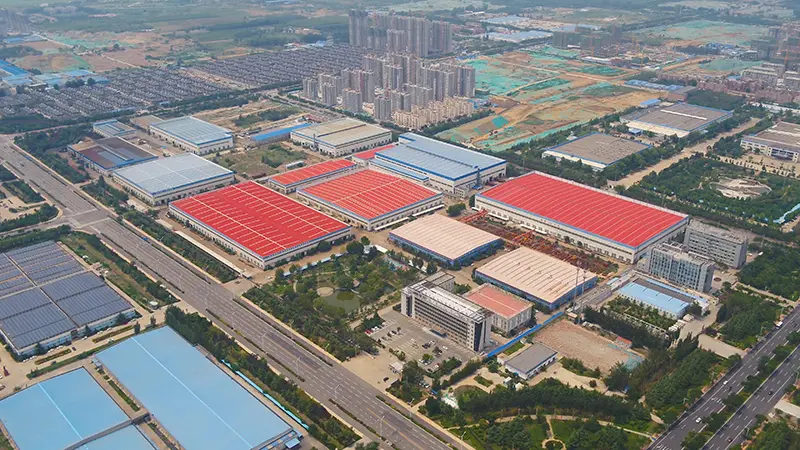
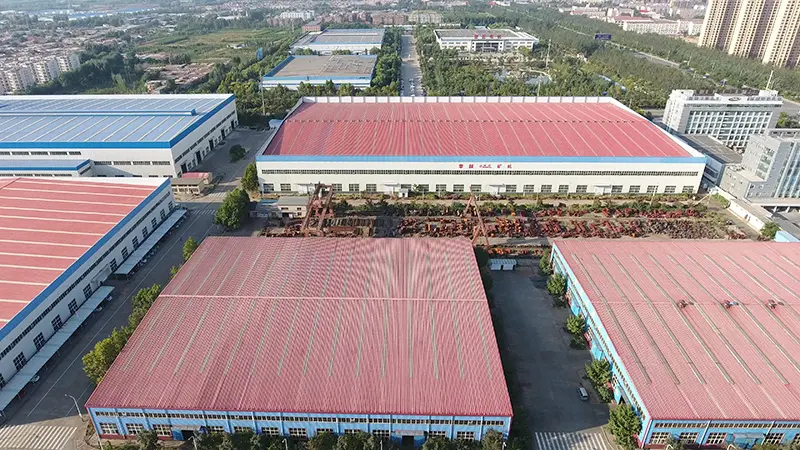
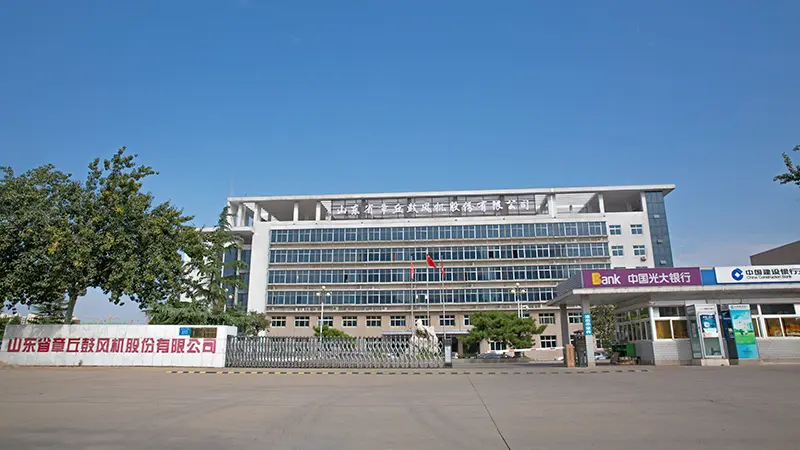
Shandong Zhangqiu Blower Co., Ltd. (formerly known as Shandong Zhangqiu Blower Works) has led the Chinese heavy blower and industrial pump industry for over half a century. Established with a vision to deliver world-class fluid dynamics equipment, we have built a manufacturing footprint that includes two Sino-Japanese joint ventures and an active U.S. branch.
Our overall strategy focuses on driving core business growth, pioneering new technological fields, and partnering internationally. Our operational guiding principle is simple: "Do the best." Today, we are a modern, publicly listed company offering integrated design, manufacturing, and sales across multiple divisions: Roots blowers, centrifugal blowers, industrial fans, chemical & process pumps, pneumatic conveying systems, and complete MVR evaporation systems.
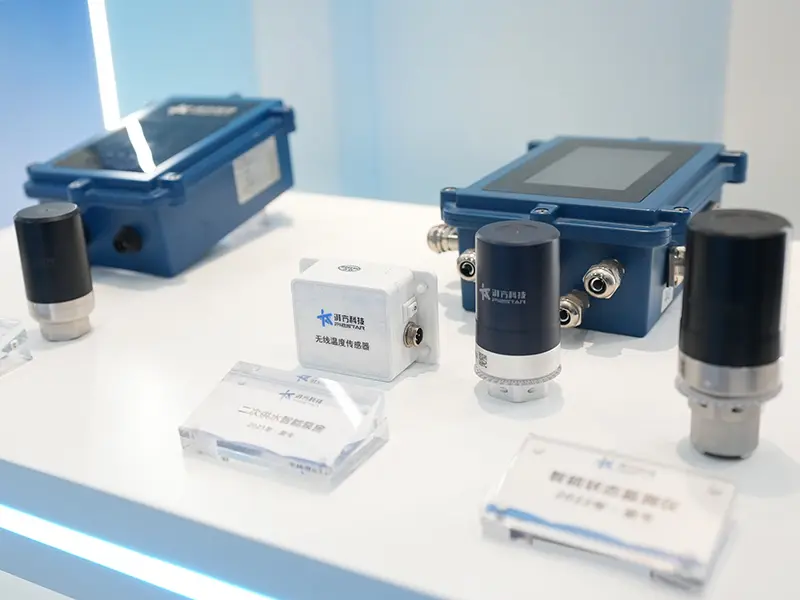
We believe engineering innovation drives sustainable development. ZCBC maintains provincial-level technology centers, postgraduate workstations, and partnerships with leading academic institutions including Tsinghua University, Xi'an Jiaotong University, China University of Mining and Technology, and Shandong University.
Our research and development team includes leading engineers, doctoral researchers, and technical experts. This deep knowledge base has yielded 69 authorized patents (including 5 invention patents) and 2 software copyrights, ensuring our designs incorporate the latest in fluid dynamics and mechanical seal technology.
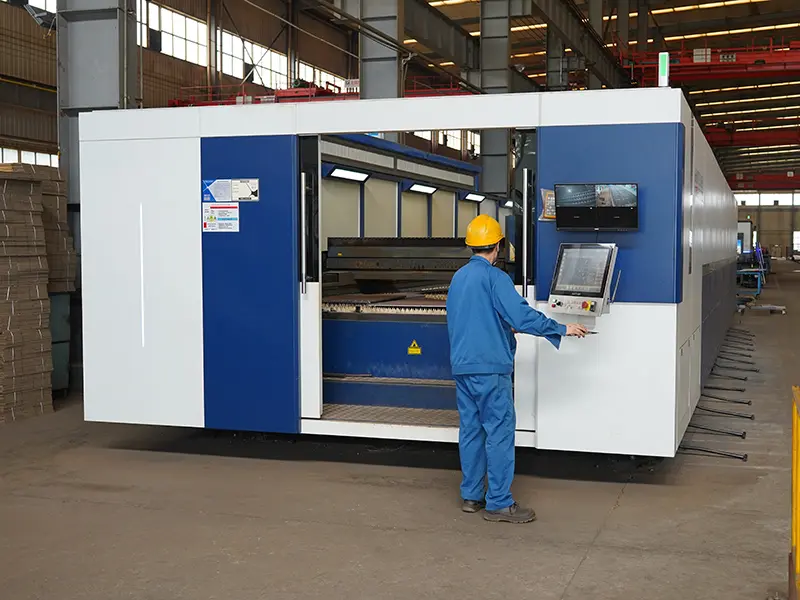
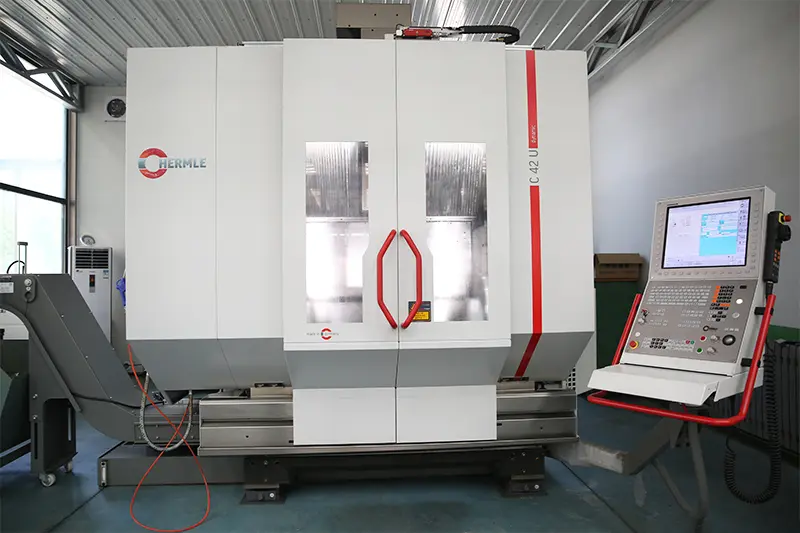
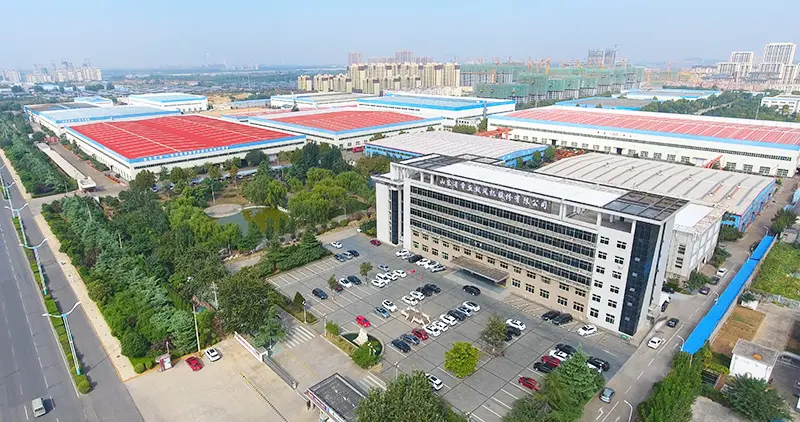
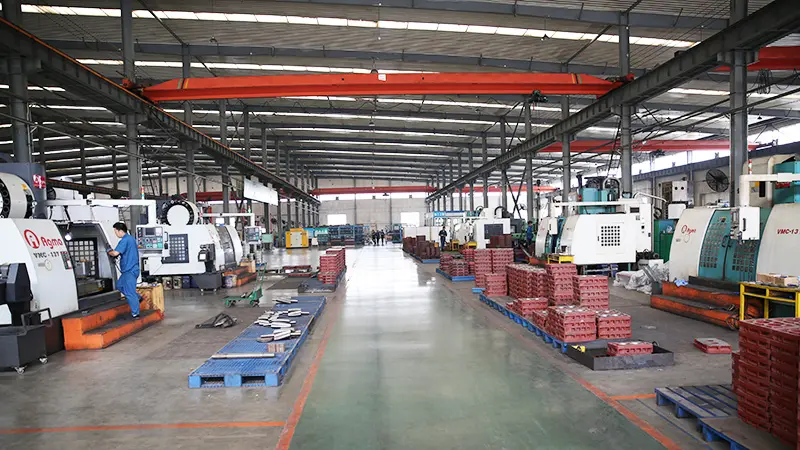
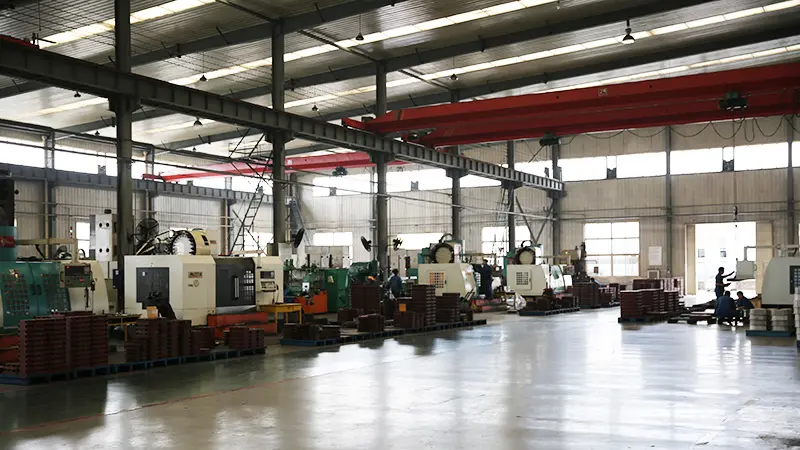
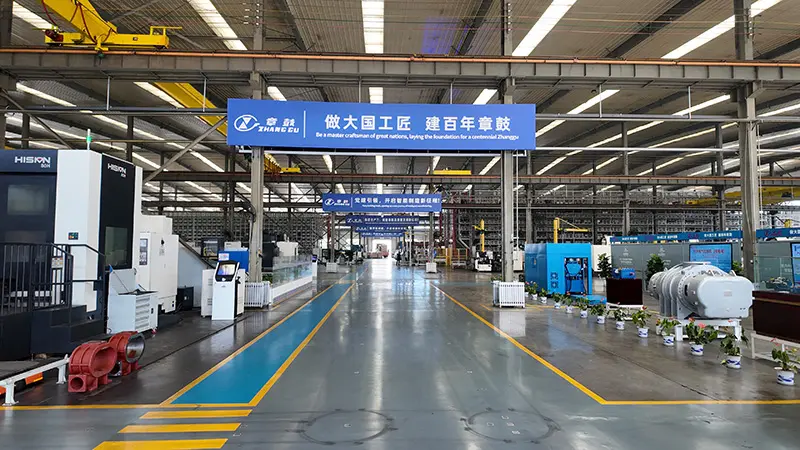
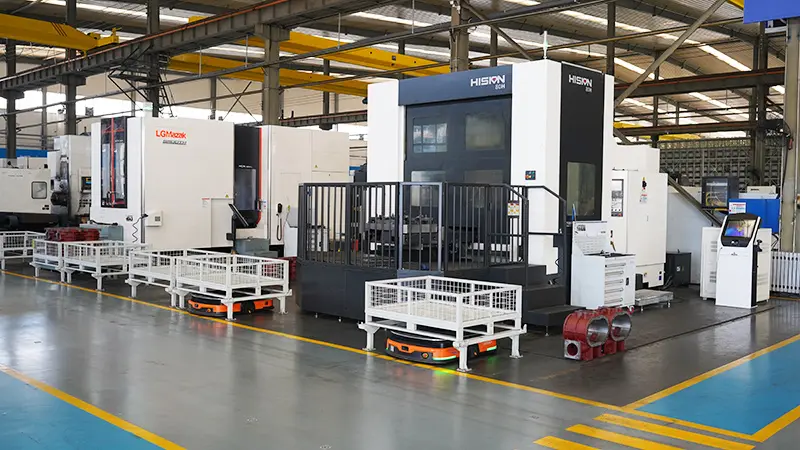
Our facility houses nearly 100 sets of advanced processing and testing equipment, including Japanese- and German-imported CNC machining centers, five-axis machining centers, three-coordinate measuring systems, and ultrasonic testing equipment. This level of precision is critical for maintaining the tight clearances required in high-pressure multistage pumps.
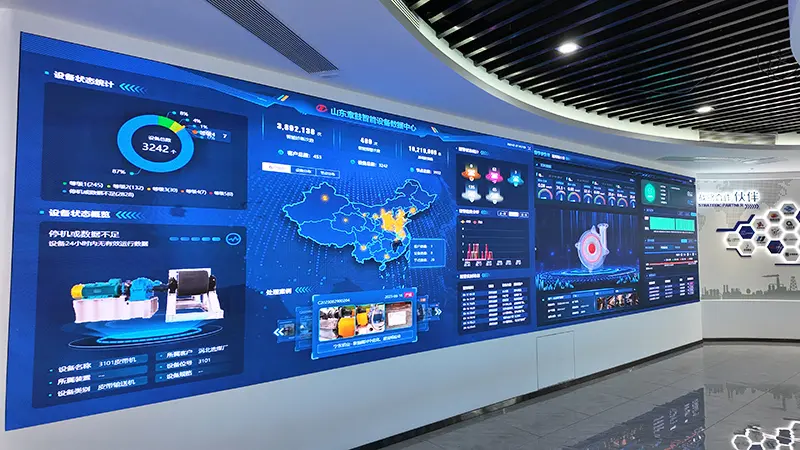
Using Product Lifecycle Management (PLM) systems, computer-aided manufacturing (CAM), and CAPP software, we streamline our processes from initial engineering to final assembly. For custom industrial requirements, our team can deliver detailed 3D CAD models within 24 hours of receiving design specifications.
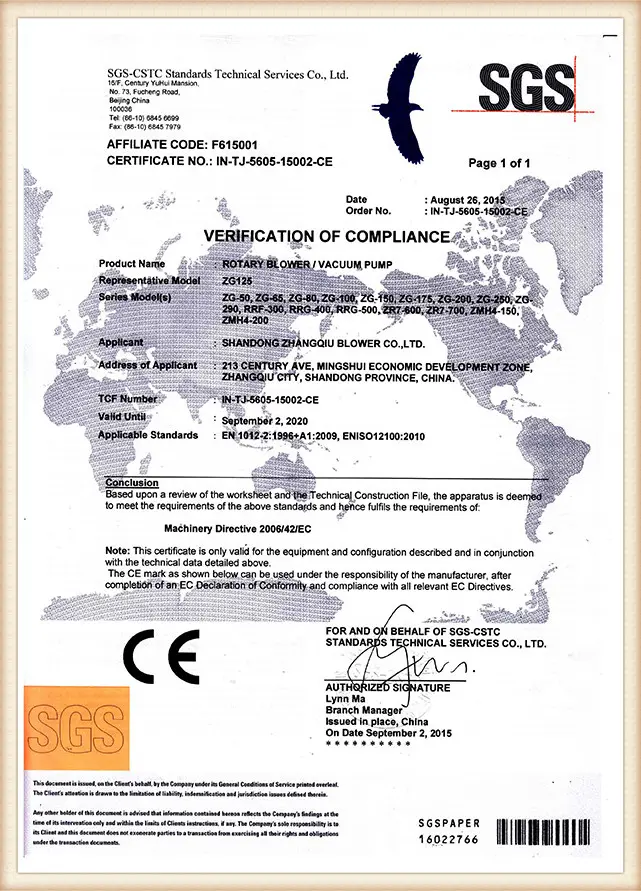
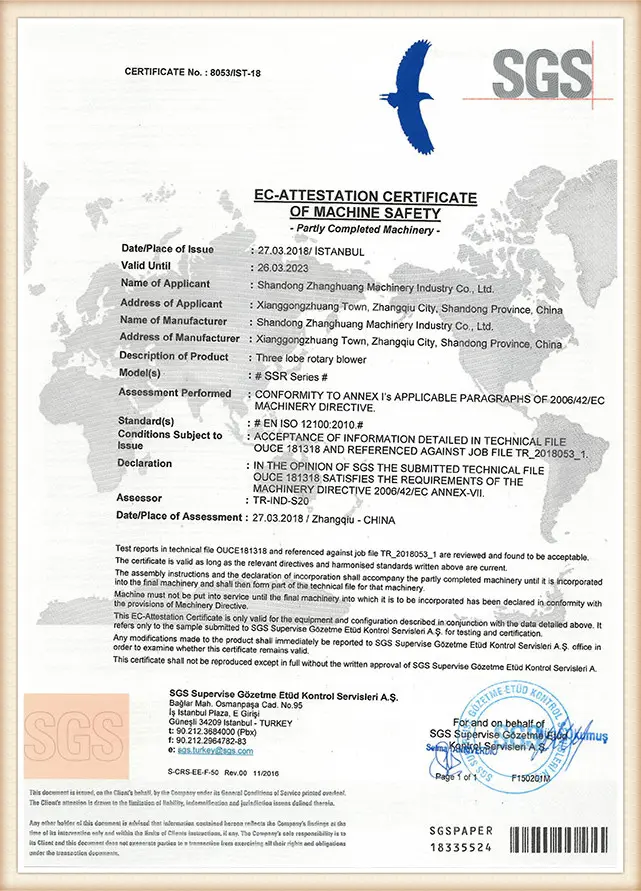
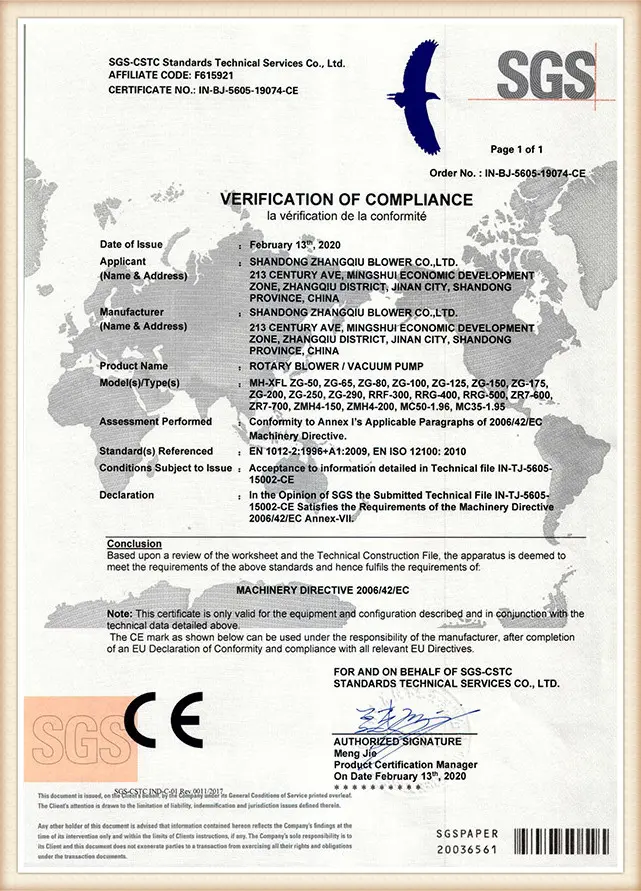
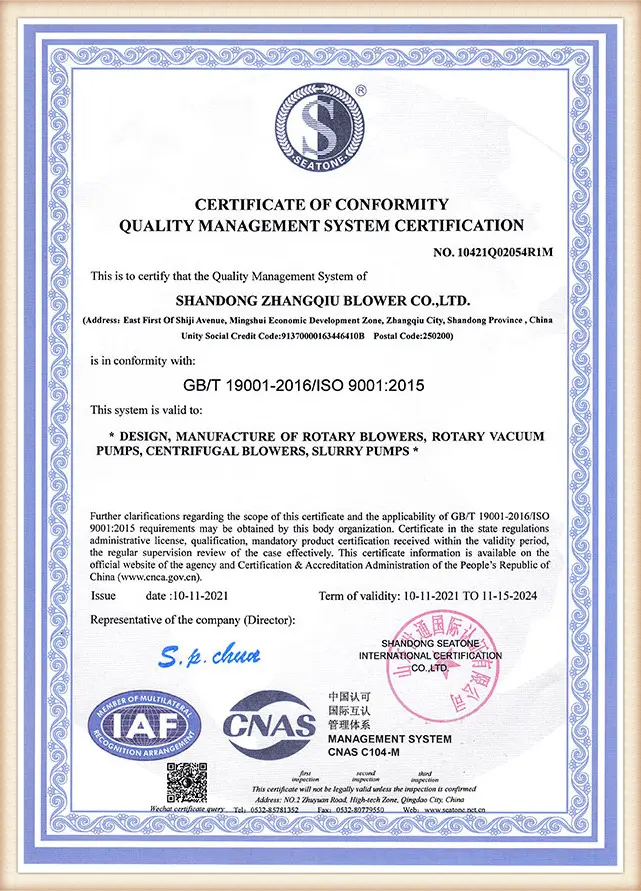
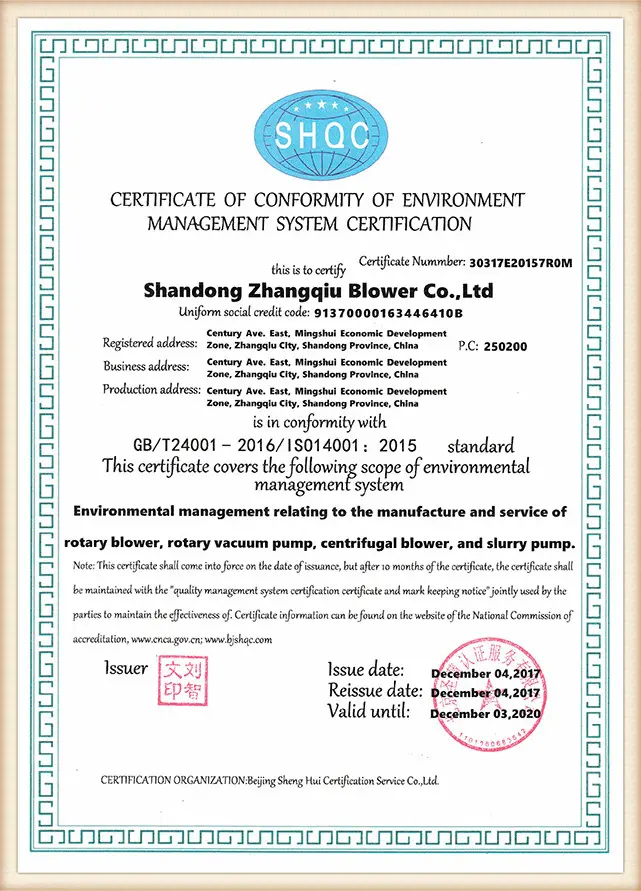
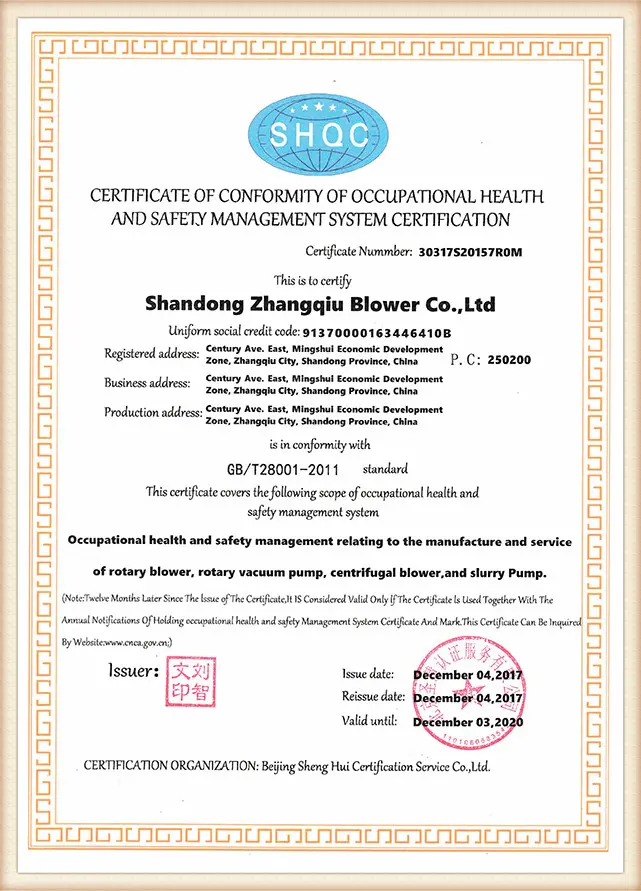
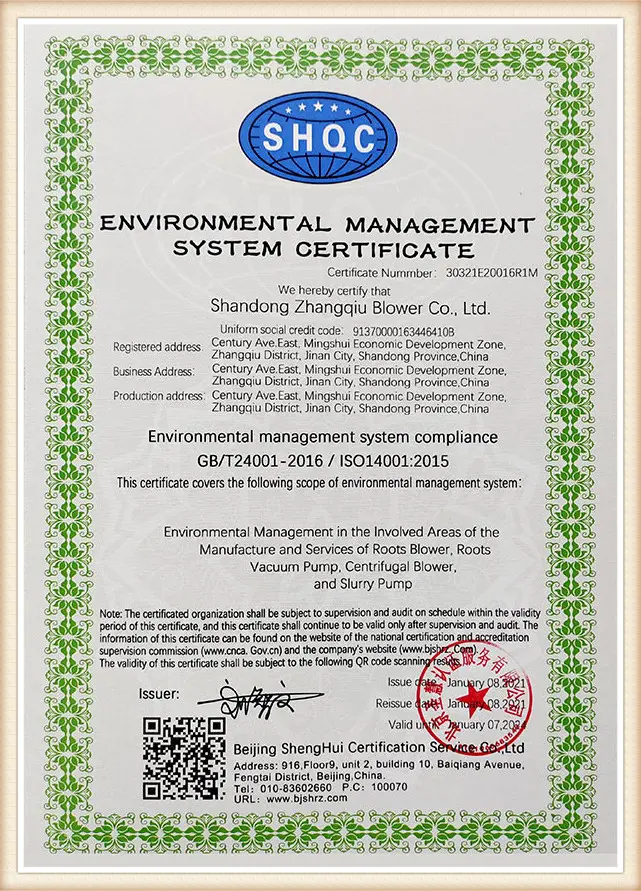
Our systems comply with global quality standards. ZCBC is certified to ISO9001 for quality management, ISO14001 for environmental management, and ISO50001 for energy management. Our products also hold CE certification, energy-saving certificates, and mandatory certifications for mining and electrical installations.

Industrial steam plants do not operate in isolation. Boiler feedwater systems must integrate cleanly with water treatment, thermal recovery, and vapor compression loops. At ZCBC, we develop solutions that address these challenges holistically:
Modern process plants focus on zero liquid discharge (ZLD) to minimize environmental impact. Our high-efficiency MVR evaporation, concentration, and crystallization systems recover process water from industrial effluent. In these loops, boiler feed pumps transfer warm, treated distillate back into the steam generation cycle, creating a closed-loop system that reduces fresh water consumption.
For solid-fuel boiler plants (such as pulverized coal or biomass systems), fuel delivery and ash removal require specialized equipment. We design complete pneumatic conveying systems, utilizing our low-noise Roots blowers and high-pressure blowers, to ensure consistent fuel supply and efficient combustion control.
Industrial plants operate within strict local regulatory frameworks. With equipment deployed in over 70 countries—including the United States, Germany, and Italy—our systems are designed to meet diverse local codes. From ASME boiler standards to European CE directives and local environmental laws, ZCBC ensures your machinery meets all necessary regulatory requirements.
Our U.S. branch and global joint-venture network provide local support, quick spare parts delivery, and rapid technical assistance to minimize downtime and keep your systems running smoothly.
As the power generation and process industries move toward decarburization and greater energy efficiency, the demand for smart, highly efficient boiler feed systems continues to grow. ZCBC is focusing its research and development on several key areas:
By combining precision manufacturing with smart controls, we help our partners improve system efficiency and lower carbon emissions across their operations.

 Zhangqiu