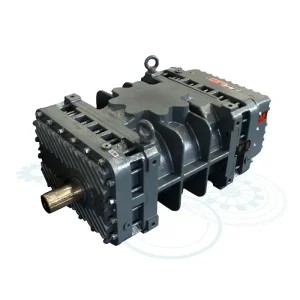
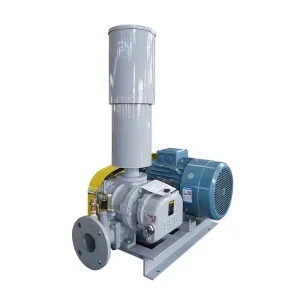
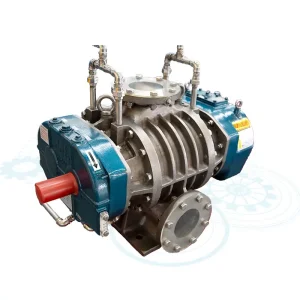
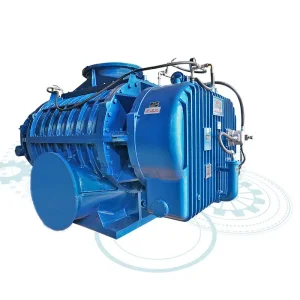
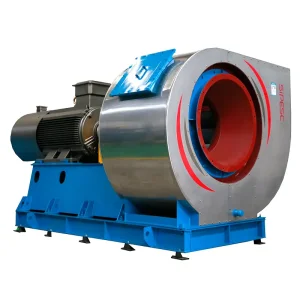
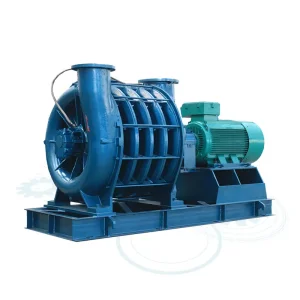
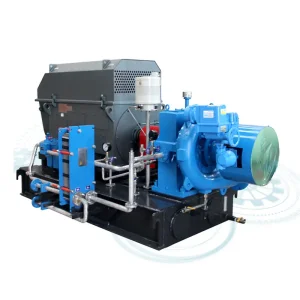
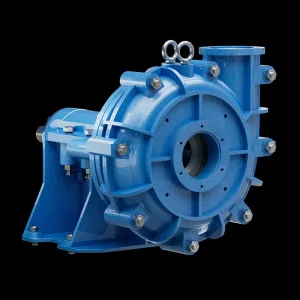
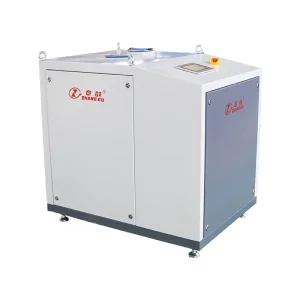
In the complex theater of heavy-industrial ventilation, the selection of the correct air handling machinery represents the difference between operational excellence and prohibitive overhead costs. The Double Inlet Centrifugal Blower stands as a primary piece of engineering design tailored to meet large-volume air delivery demands. Engineered with dual air intakes positioned symmetrically on either side of the fan housing, this technology facilitates the intake of massive volumes of air without necessitating proportional increases in fan wheel diameter or peripheral speed. This fundamental aerodynamic property optimizes performance metrics by distributing structural load and air shear stresses evenly across the central impeller core.
Compared to single-inlet architectures, a double-inlet centrifugal configuration operates under a balanced axial thrust scheme. The twin inlets draw air inward concurrently, effectively canceling out high thrust loads that typically degrade bearings in single-intake high-pressure setups. The air is directed radially outwards via either backward-inclined, backward-curved, or forward-curved impeller vanes, transforming kinetic energy into static pressure within the expanding scroll housing structure. This ensures high volumetric delivery capacity while maintaining a compact footprint, making it the system of choice for cleanrooms, variable air volume (VAV) systems, chemical gas recirculation loops, and macro-industrial furnace air supply circuits.
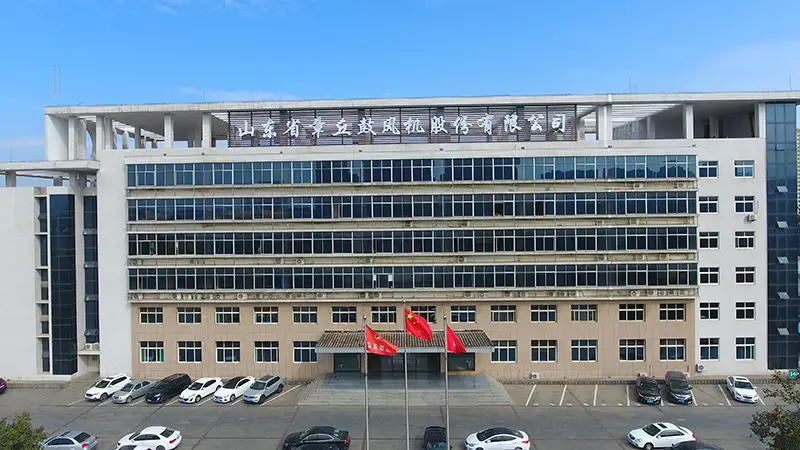
Founded originally as Shandong Zhangqiu Blower Works and now operating globally as Shandong Zhangqiu Blower Co., Ltd. (ZCBC), our organization represents a pioneering force in the design, engineering, and global export of high-capacity centrifugal blowers and related fluid machinery. Listing on the Shenzhen Stock Exchange (Stock Code: 002598) in July 2011 marked a milestone in our 50-year developmental roadmap, facilitating the structural expansion of production capability and advanced engineering paradigms.
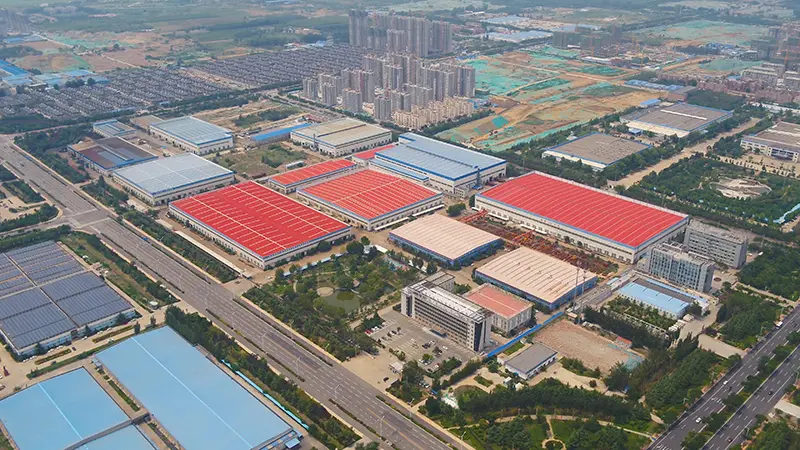
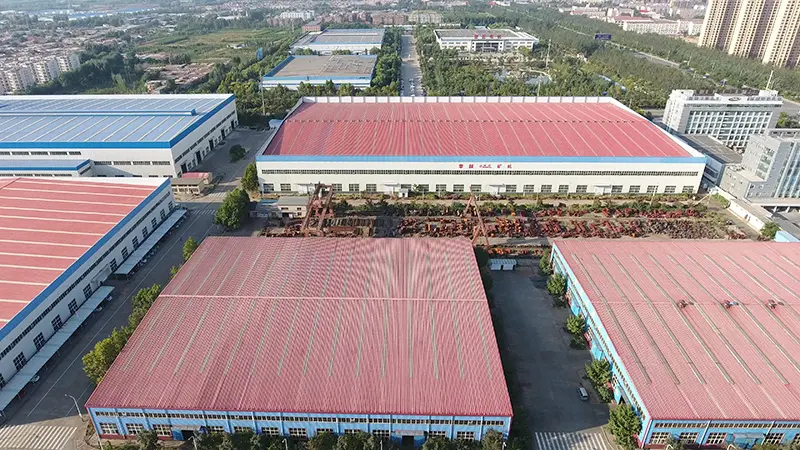
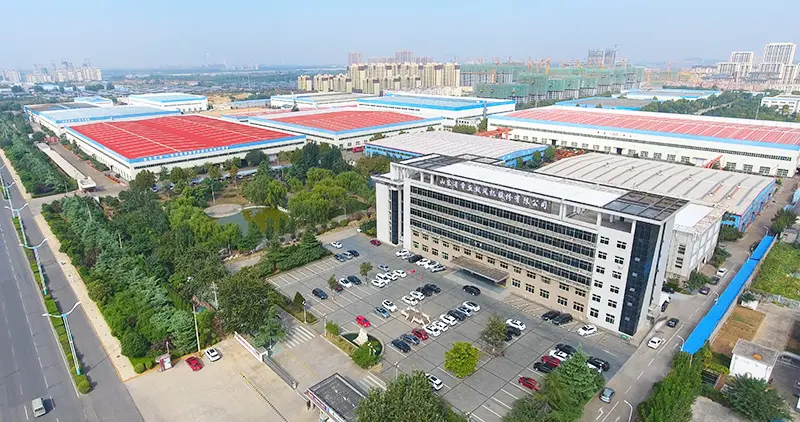
Today, our modern industrial complex spans over 430,000 square meters. The enterprise maintains 20 dedicated holding subsidiaries, 4 localized manufacturing hubs situated across Wuxi, Dongguan, Chenzhou, and Jinchang, alongside 4 dedicated research and development units in Beijing, Shanghai, Shijiazhuang, and Wuxi. This vast infrastructure enables ZCBC to achieve a 1.5 billion Yuan annual revenue threshold, providing a foundation for international Joint-Ventures and domestic technological market leadership.
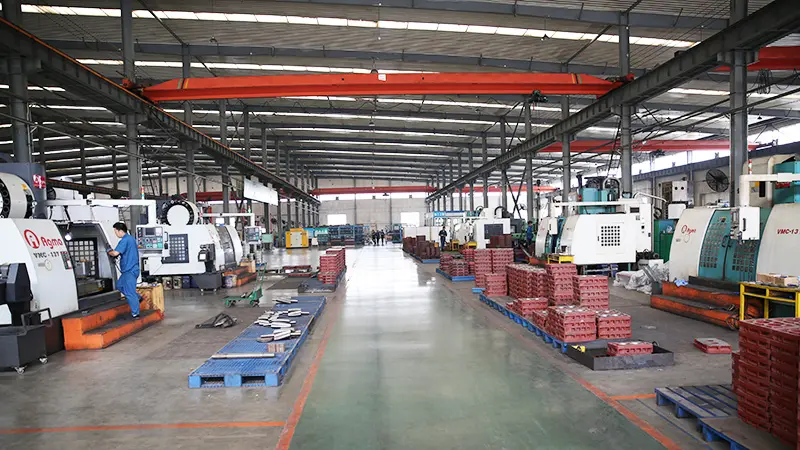
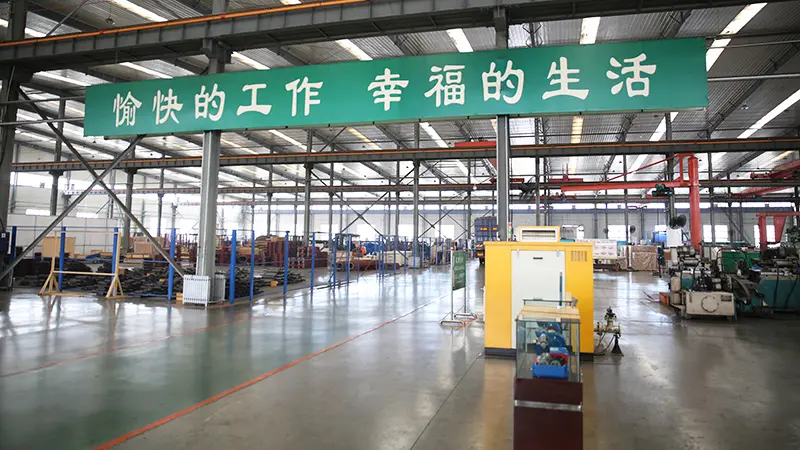
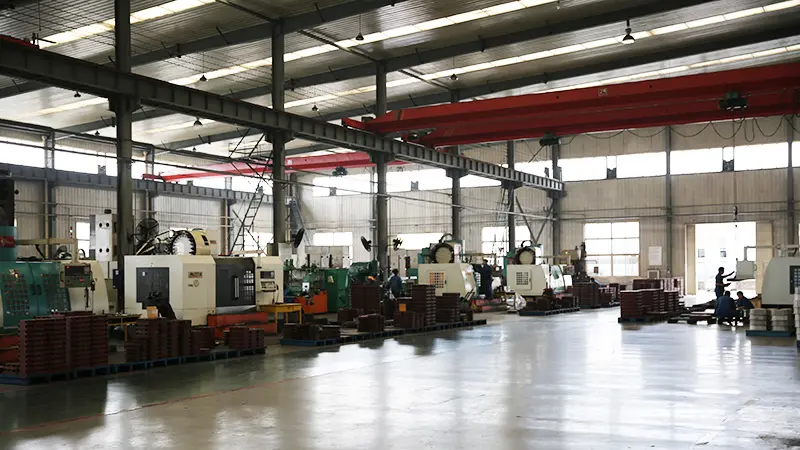
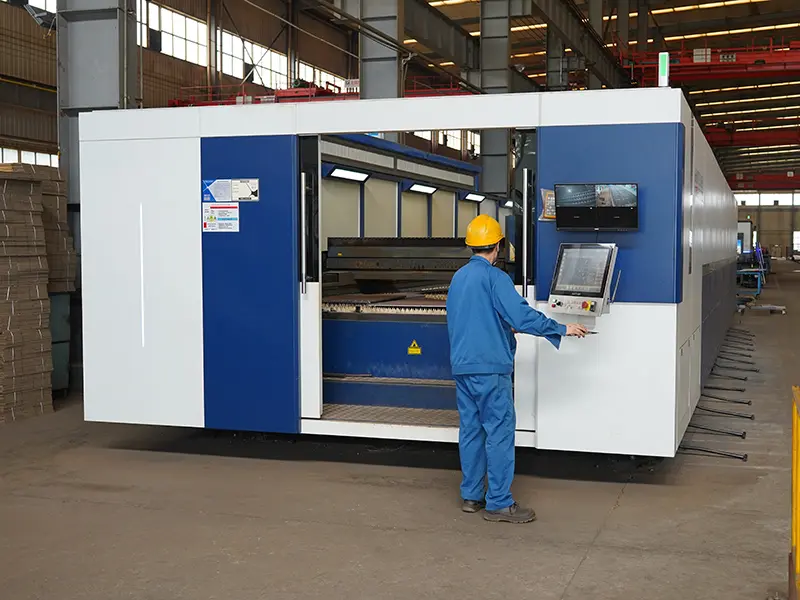
ZCBC integrates five-axis high-speed CNC machining centers, three-axis coordinate measurement instrumentation, and ultrasonic flaw detectors imported from Japan and Germany. This level of component tolerance control ensures that dual-inlet centrifugal impellers undergo dynamic balancing standards at or exceeding ISO 1940 G2.5, significantly eliminating vibration hazards and bearing failure risk factors.
By leveraging China's dense industrial integration, ZCBC matches high-grade cast irons, carbon steels, and localized motor configurations (IE3/IE4 efficiency classes) with minimal logistics lead times. From initial foundry operations to final thermodynamic stress testing, every production milestone occurs within our domestic scope, reducing final procurement expenditure for the global market.
Our scientific research team includes engineering experts receiving State Council and municipal government allowances. Backed by joint laboratory initiatives with prestigious Chinese academic institutions including Tsinghua University and Xi'an Jiaotong University, ZCBC maintains structural advantages in computational fluid dynamics (CFD) optimization, resulting in highly customized air-performance characteristics.
At ZCBC, product engineering relies on integrated Product Lifecycle Management (PLM), Computer-Aided Process Planning (CAPP), and Computer-Aided Testing (CAT) architectures. Every Double Inlet Centrifugal Blower design is optimized via CAD/3D software, allowing us to supply tailored drawings to global plant developers within 24 hours of enquiry receipt.
Quality assurance is verified by regulatory systems. Our engineering complexes maintain structural alignment with ISO9001 (Quality Management), ISO14001 (Environmental Protection), ISO50001 (Energy Management), and ISO10012 (Measurement Standards). The safety profile of our heavy-duty industrial centrifugal units is verified through official CE certifications, Mining Safety Certifications, and mandatory Chinese 3C frameworks, confirming structural durability under extreme work loads.
Large-scale municipal activated sludge processes rely on continuous oxygen injection. Our double-inlet setups work in tandem with Roots or Multistage centrifugal solutions to feed aeration basins, offering stable performance under broad barometric variation, reducing municipal energy consumption metrics.
Thermal power utilities and smelting plants utilize double-inlet centrifugal units to route highly corrosive flue gases through wet desulfurization scrubbers. Coated with anti-corrosive linings or ceramic composite impellers, these blowers withstand moisture saturation and sulfur acid particulate impacts.
Combustion air supply in metallurgy requires consistent oxygen distribution. The high-volume efficiency of double-inlet configurations allows them to serve hot blast stoves and industrial kilns, maintaining required pressure matrices across dense raw materials and filters.
The global industrial blower landscape is transitioning toward decarbonization, intelligent diagnostics, and material optimization. Modern manufacturing environments demand high aerodynamic performance combined with automated predictive upkeep options. As a forward-thinking global supplier, ZCBC actively monitors and integrates these evolutionary paradigms into our product design lines:
Procuring industrial-grade double inlet centrifugal blowers involves complex engineering variables. Buyers should evaluate potential vendors using standard E-E-A-T parameters rather than unit acquisition costs alone. Selecting a qualified manufacturing partner requires looking for key technical indicators:
Evaluating energy bills over a 10-year lifespan is critical. A blower with 2% higher efficiency can save thousands of dollars annually in operational costs compared to cheaper models, offsetting higher initial purchase prices.
Purchasing managers should require vibration testing records. Impeller assemblies must undergo static and dynamic balancing, verifying low structural resonance before shipment to prevent early bearing wear.
For high-temperature applications, sourcing partners must supply material test certificates for impeller alloys. Non-destructive testing (NDT), such as ultrasonic weld inspection, ensures structural integrity under continuous load.
A company's internal culture directly shapes the quality of its engineering output. Under the leadership of Chairman Fang Rungang since 1997, ZCBC has focused on its core business while exploring new product fields, seeking joint ventures, and developing international opportunities.
Our guiding working concept, "Do the best," drives our engineering and design teams. We believe in providing technical support that addresses customer needs, starting from initial 3D drawing reviews to final machinery commissioning. Respecting our staff and building strong internal talent pipelines helps drive technical innovation, supporting the company's long-term growth.
 Zhangqiu