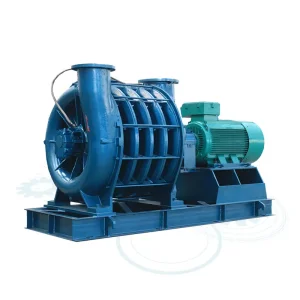
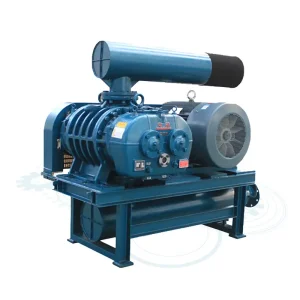
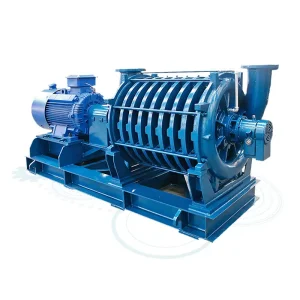
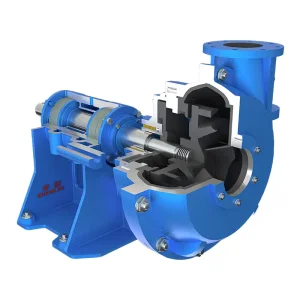
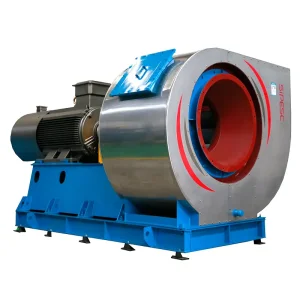
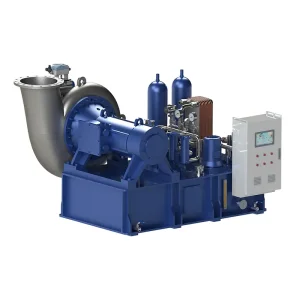
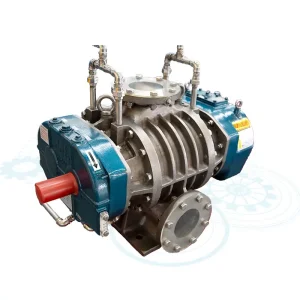
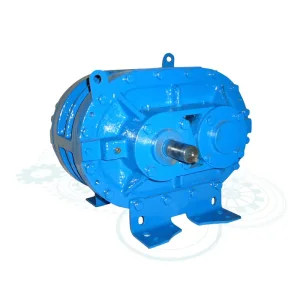
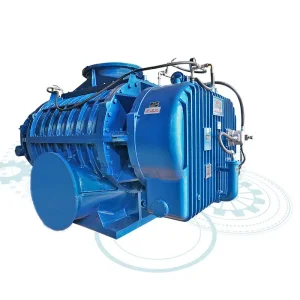
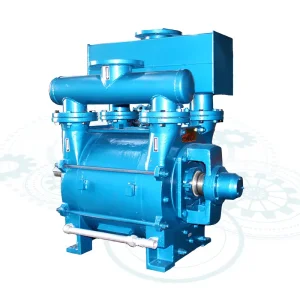
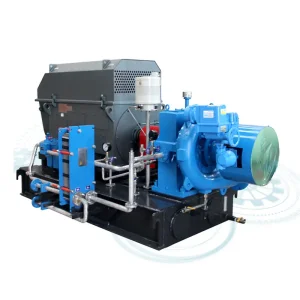
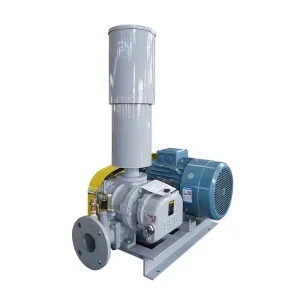
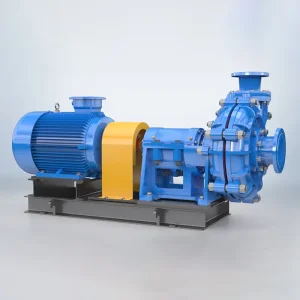
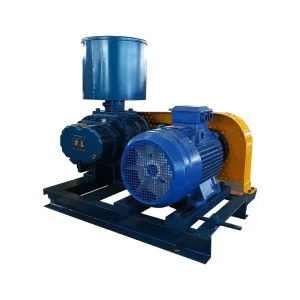
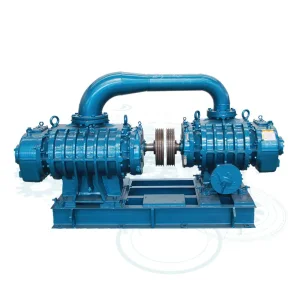
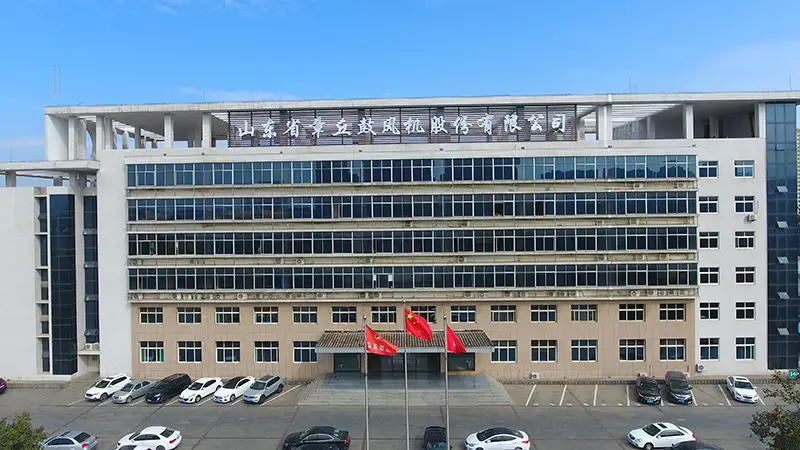
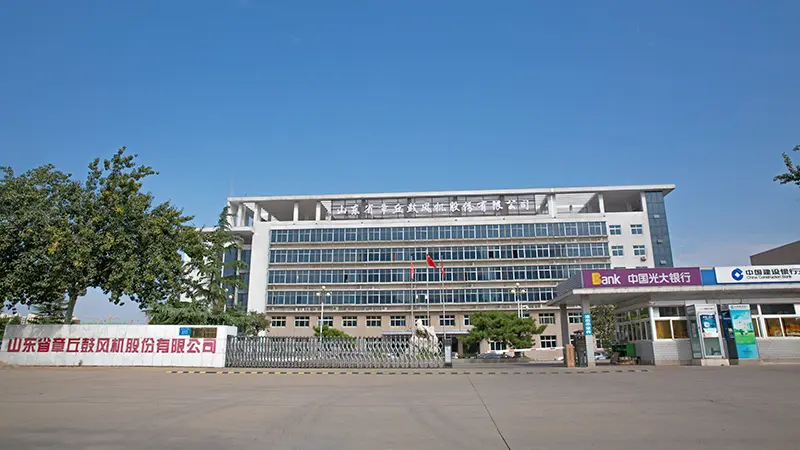
Shandong Zhangqiu Blower Co., Ltd. (formerly known as Shandong Zhangqiu Blower Works) represents over 50 years of distinguished engineering, manufacturing technology, and mechanical application experience. Strategically positioned as an industry pioneer, we are the first Chinese blower manufacturer to establish overseas branches, supported by two Sino-Japanese joint ventures and our dedicated USA subsidiary.
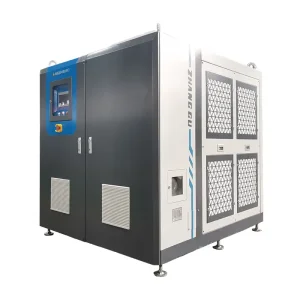
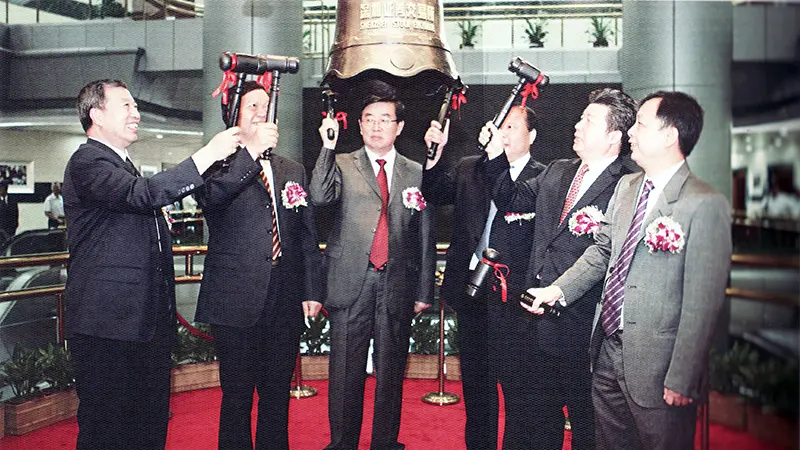
As a leading listed entity on the Shenzhen Stock Exchange (Stock Code: 002598), our development strategy remains resolute: "Develop main business, pioneer new fields and innovate, cooperate to be a great company" under our core working philosophy, "Do the best". We provide robust, highly engineered solutions integrating Roots blowers, centrifugal blowers, industrial pumps, pneumatic conveying equipment, electrical cabinets, and advanced MVR (Mechanical Vapor Recompression) concentration, evaporation, and water treatment systems.
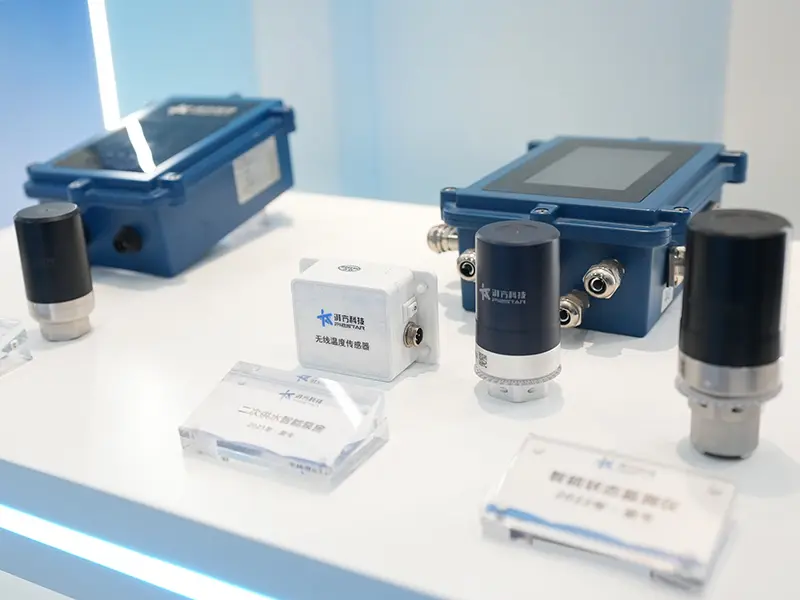
Industrial machinery operates under increasingly demanding cyclic stress, making structural and rotordynamic integrity critical. Equipment vibration measurement systems are evolving beyond traditional threshold-based alarms. Modern paradigms utilize advanced piezo-electric accelerometers, proximity probes, and velocity sensors linked directly to predictive maintenance ecosystems.
Our strategic technology roadmap focuses on transitioning raw vibration monitoring data into actionable predictive insights:
Processing high-frequency FFT (Fast Fourier Transform) vibration spectra on-site at the sensor level. This minimizes latency, slashes data bandwidth costs, and enables real-time anomaly detection for high-speed machinery.
Leveraging deep-learning neural networks trained on historical vibration signatures. These models identify root causes—such as shaft misalignment, impeller unbalance, bearing spalling, and gear wear—with over 95% accuracy before structural faults occur.
Developing ultra-low-power, wireless sensor nodes that extract operational energy directly from structural thermal gradients or machine vibrations. This simplifies deployment in hazardous, remote, or complex physical layouts.
Vibration signature analysis is key to achieving optimal Mean Time Between Failures (MTBF) and safeguarding expensive capital assets across heavy industries.
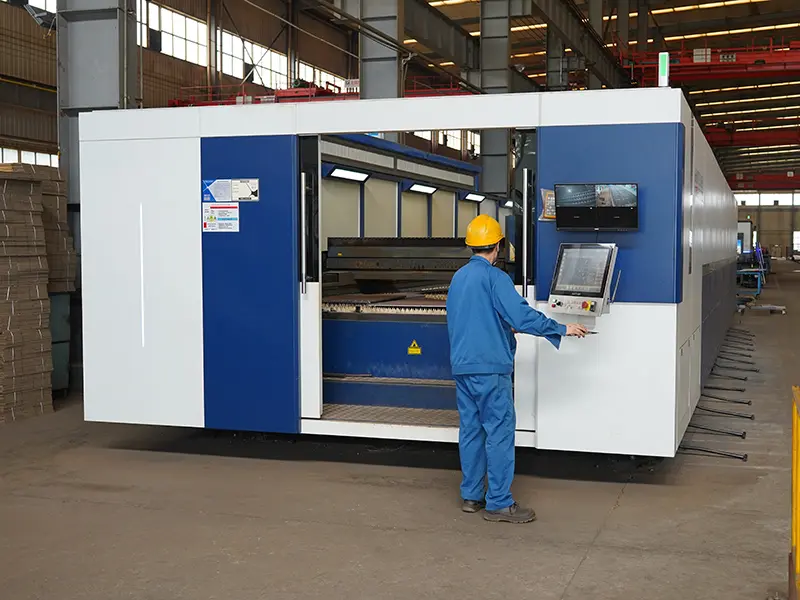
Aeration blowers consume up to 60% of wastewater treatment facility energy. Continuous monitoring of vibration velocity and acceleration prevents impeller rubbing and catastrophic bearing breakdowns. This ensures continuous, compliant biological processing and prevents costly regulatory violations.
Slurry pumps operating under high hydraulic strain face cavitation, hydraulic imbalance, and abrasive wear. Integrated vibration transmitters detect cavitation-induced high-frequency acoustic waves early, allowing operators to adjust flow rates and avoid impeller destruction.
In Mechanical Vapor Recompression systems, Roots compressors and high-speed turbos operate close to critical rotordynamic thresholds. Even minor imbalance can damage specialized dynamic seals. Custom vibration measurement platforms isolate external piping stresses from dynamic rotor vibrations, maintaining system integrity.
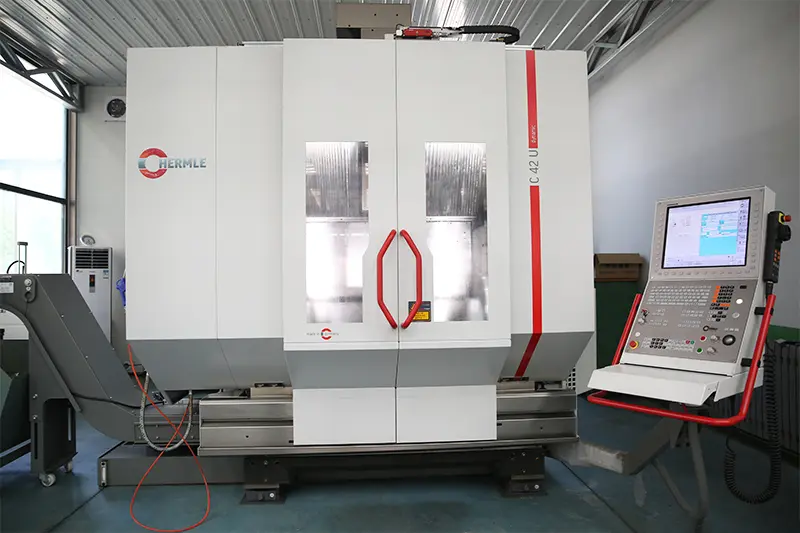
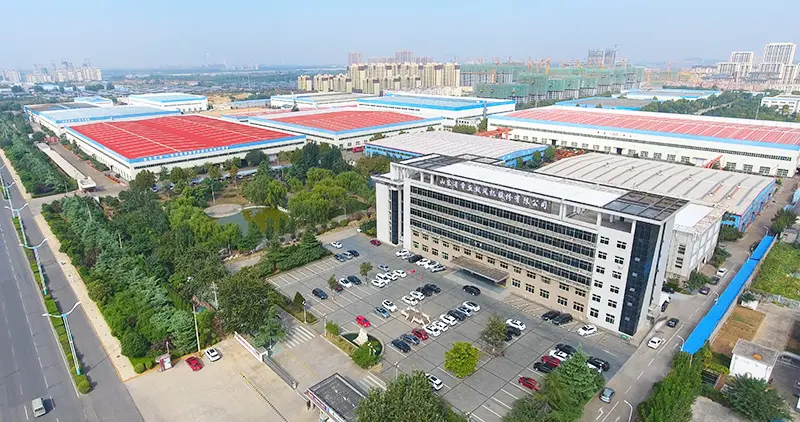
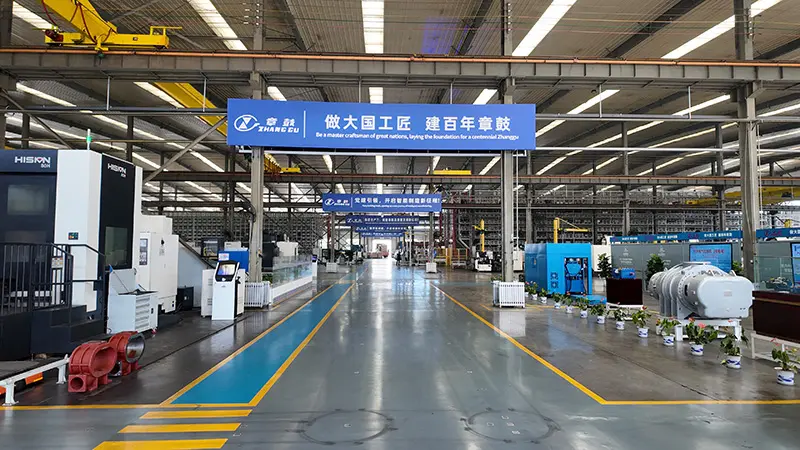
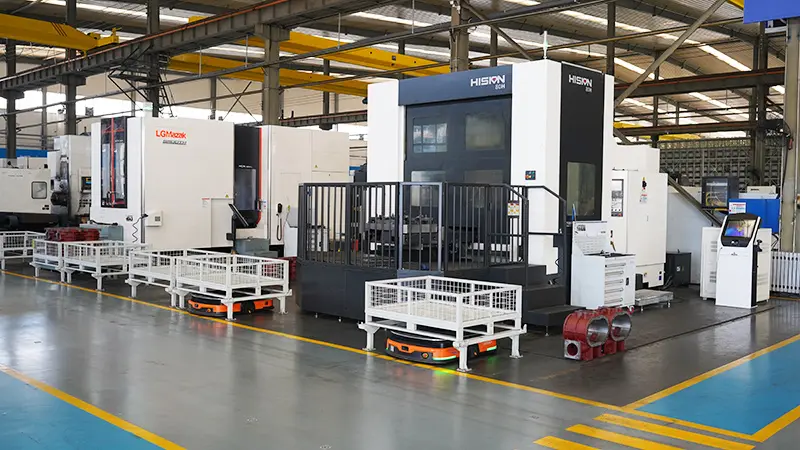
Our high-precision manufacturing infrastructure spans a 430,000 m² high-standard modern industrial park. We operate specialized production hubs in Wuxi (Jiangsu), Dongguan (Guangdong), Chenzhou (Hunan), and Jinchang (Gansu), supported by four dedicated R&D centers in Beijing, Shanghai, Shijiazhuang, and Wuxi.
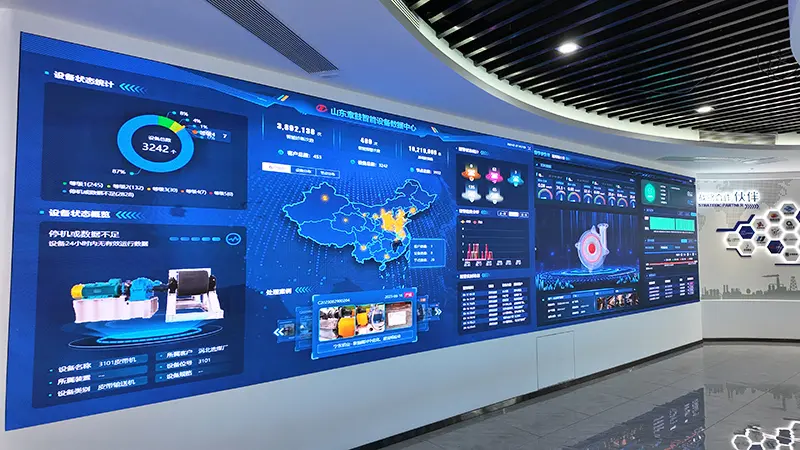
By integrating digital supply chains and smart factory workflows, we achieve exceptional production control and quality assurance:
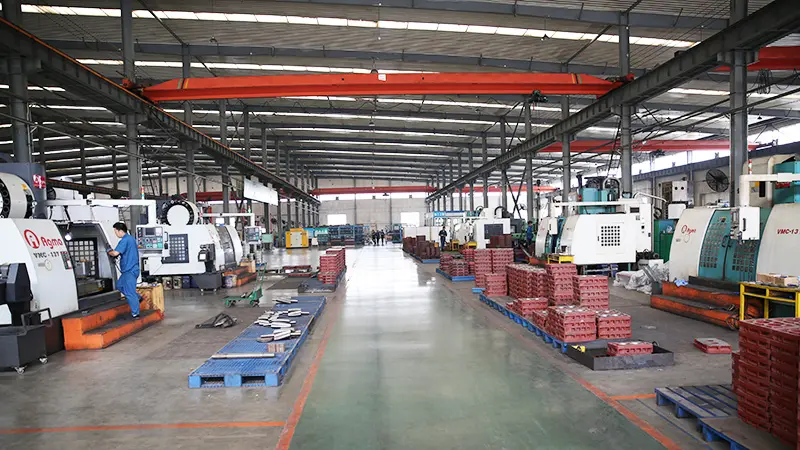
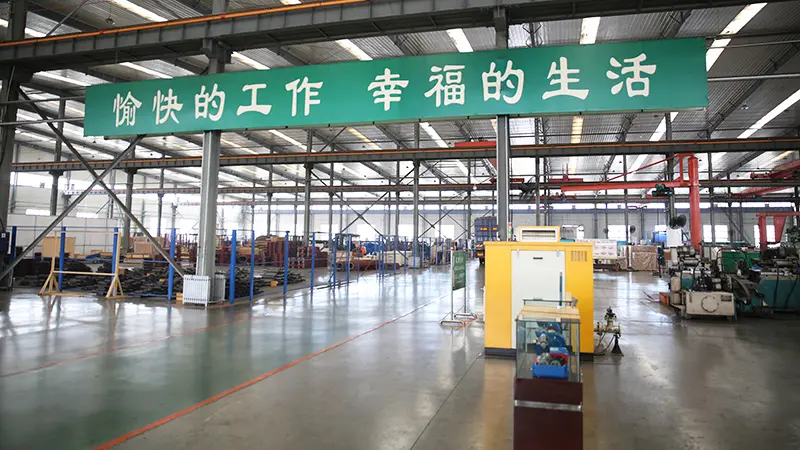
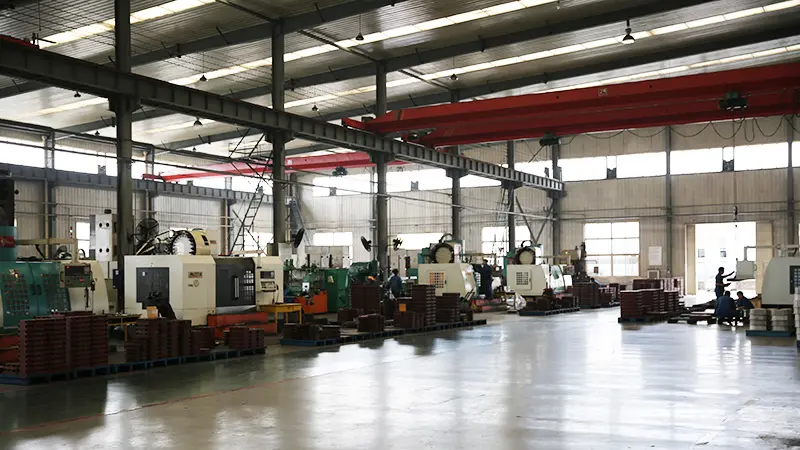
Expanding across global industrial sectors requires strict compliance with international manufacturing and environmental standards. We back our systems with comprehensive certifications, verifying our design, manufacturing, and environmental management practices.
Our design capabilities include a fast-response structural design team that delivers detailed 3D CAD models and rotordynamic simulation reports within 24 hours of receiving customer specifications. This ensures smooth project execution and seamless engineering integration.
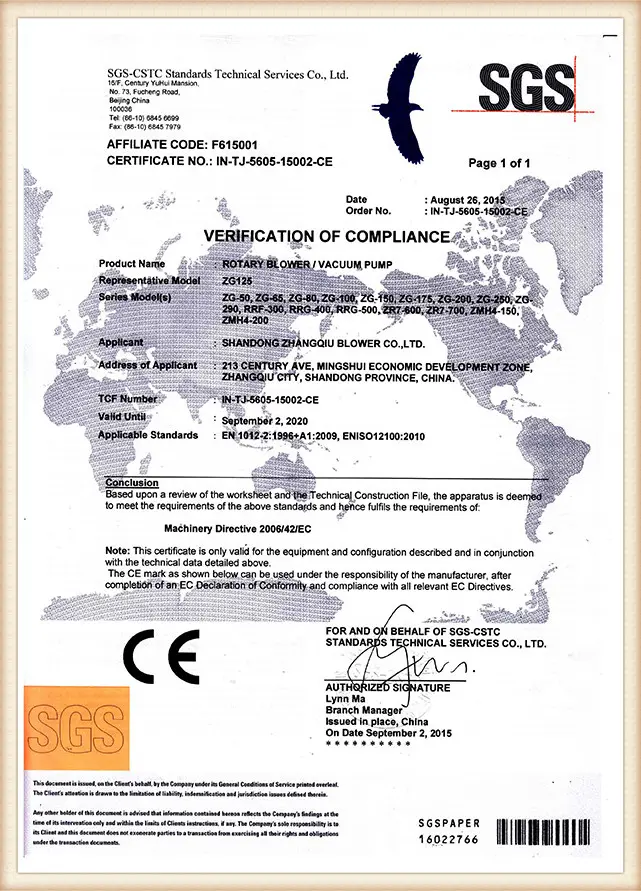
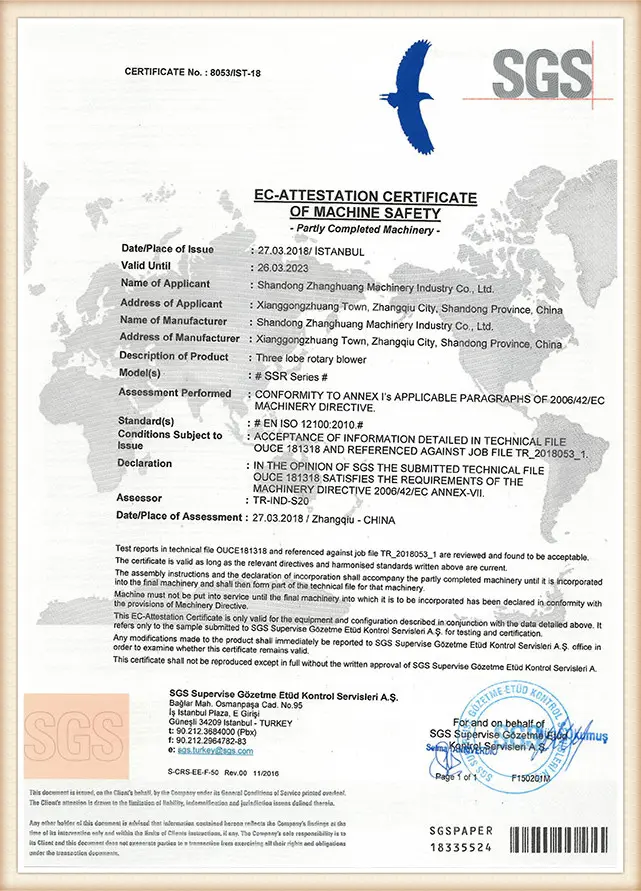
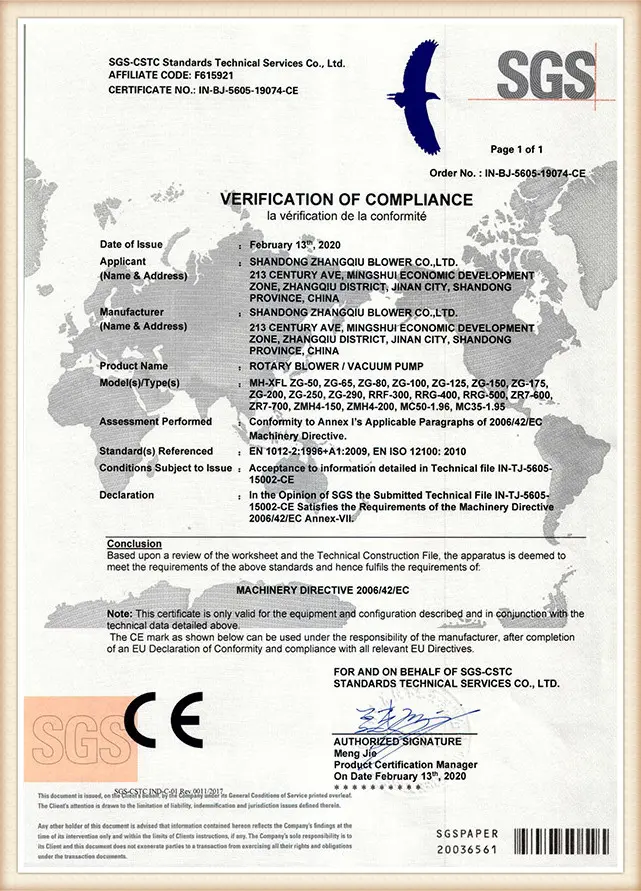
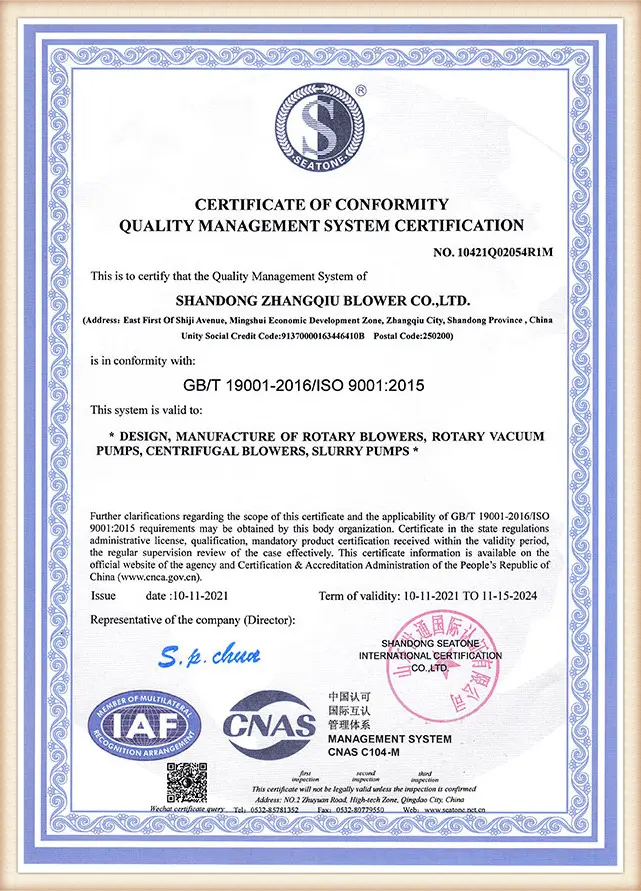
Our operations strictly comply with ISO9001 (Quality Management), ISO14001 (Environmental Management), ISO50001 (Energy Management), and ISO10012 (Measurement Management) standards. Our systems carry the CE mark, European Union health and safety certifications, and mining safety approvals. We also actively participate in drafting and updating national Roots blower standards.
Industrial procurement managers require more than off-the-shelf hardware. They need partners who understand complex project specifications, logistics, and long-term support.
We work to strict Service Level Agreements (SLAs) that cover performance, operational efficiency, and warranty support. We provide complete factory acceptance test (FAT) reports, performance curves, and vibration spectra tests before dispatch.
Our engineers provide tailored solutions, from custom shaft extensions and dynamic seals to explosion-proof sensors for hazardous environments. We integrate seamlessly with existing distributed control systems (DCS) using standard protocols like Modbus RTU or OPC UA.
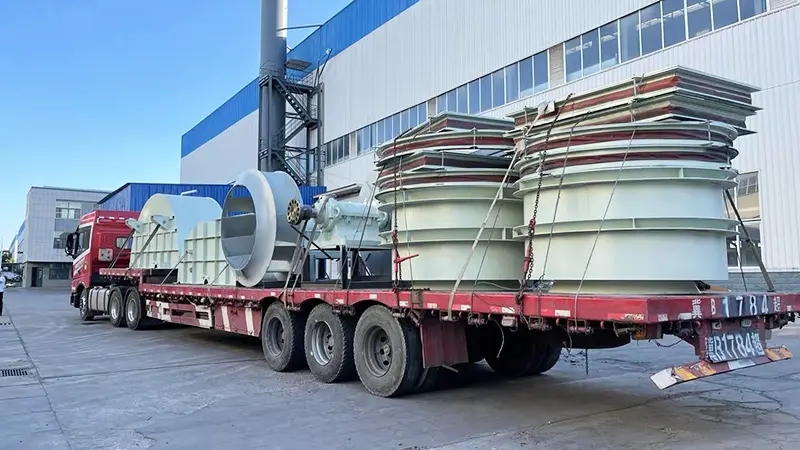
Leveraging our Sino-Japanese joint ventures, US branch, and international distributor network, we ensure reliable delivery and on-site commissioning support in over 70 countries.
Continuous dynamic vibration monitoring identifies developing mechanical faults early. Tracking vibration metrics like displacement, velocity, and acceleration helps operators detect rotor unbalance, misalignment, bearing wear, and structural resonance before they cause catastrophic damage. This approach shifts maintenance from reactive fixes to planned predictive service, maximizing equipment uptime.
Key standards include ISO 10816 and ISO 20816, which outline evaluation criteria for machine vibration across different classes of industrial equipment. API 670 governs machinery protection systems, detailing sensor placement, cabling, and monitor specifications. For dynamic balancing, ISO 1940 specifies acceptable balance grades for rotating machinery.
Modern vibration monitoring systems connect via analogue channels (such as 4-20mA loops) or digital industrial networks (Modbus RTU, Modbus TCP, EtherNet/IP, or OPC UA). This integration lets plant operators view real-time vibration metrics, trends, and alarms directly within the central SCADA/DCS interface, enabling fast, coordinated operational decisions.
Displacement measures the total physical travel of the shaft relative to the bearing housing, ideal for low-frequency monitoring (<10 Hz). Velocity measures the rate of motion change, which reflects fatigue and is most effective for middle frequencies (10 Hz to 1,000 Hz). Acceleration tracks force and is the most sensitive metric for high-frequency dynamic forces (>1,000 Hz), such as gear mesh faults and early-stage rolling element bearing defects.
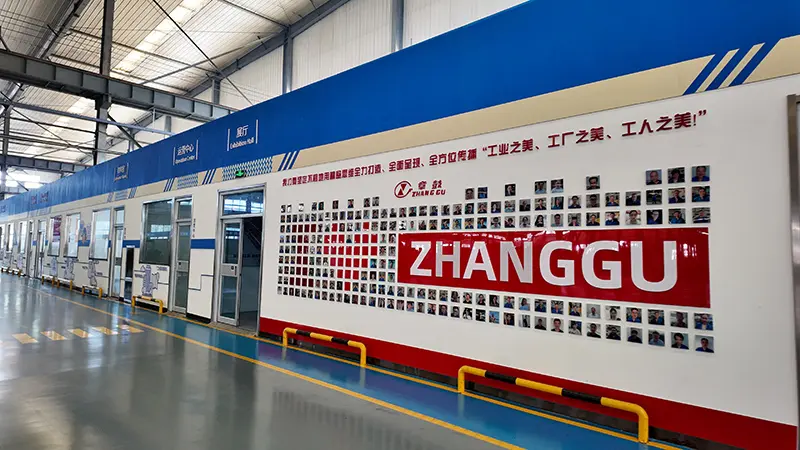
Our long-term success is built on a strong, collaborative corporate culture. Since 1997, our leadership team has prioritized technical innovation, sustainable practices, and talent development.
We work closely with leading academic institutions, including Tsinghua University, Xi'an Jiaotong University, China University of Mining and Technology, and Shandong University. These partnerships help us cultivate top engineering talent and build a reliable technical foundation for future R&D.
Our design team provides fast engineering support, delivering detailed dynamic drawings and 3D files within 24 hours to help clients verify project layouts and technical details.

 Zhangqiu