In contemporary industrial infrastructure, structural ventilation is no longer simply a matter of comfort but a critical component of operational safety, environmental compliance, and process efficiency. Centrifugal roof exhaust fans (CREFs) stand at the apex of localized extract systems, specifically engineered to move relatively low volumes of air against high static pressures. Selecting from the roster of famous centrifugal roof exhaust fan companies requires an in-depth understanding of both aerodynamic design principles and long-term operating costs.
Unlike axial flow configurations that excel in high-volume, low-resistance environments, centrifugal architectures utilize centrifugal force to accelerate air radially outwards. This process converts kinetic energy into static pressure, enabling these systems to successfully push exhaust gases through extensive ductwork, dampers, filters, and clean air stacks. Leading manufacturers prioritize fluid dynamics optimization, balancing impeller efficiency with sound power attenuation (LwA) to align with evolving municipal and occupational health standards.
For global engineering, procurement, and construction (EPC) firms, the procurement of commercial and industrial-grade roof exhaust systems hinges on several critical parameters. Modern supply chains are increasingly sensitive to total cost of ownership (TCO) assessments, which extend far beyond initial capital expenditure (CAPEX). High on the priority list are motor efficiency certifications (IE3, IE4, and emerging IE5 criteria) alongside compliance with the Air Movement and Control Association (AMCA) ratings.
Corrosive industrial processes require fan housings and impellers fabricated from marine-grade aluminum, hot-dipped galvanized steel, or specialized fiber-reinforced plastics (FRP) to withstand aggressive chemical compounds.
Environments containing combustible dust or volatile organic solvents require ATEX or IECEx certified spark-resistant configurations (Type A, B, or C construction) utilizing explosion-proof motors.
Global coastal installations mandate structurally certified structural mounts and wind caps verified against high-pressure wind loads, conforming to structural codes such as Miami-Dade protocols.
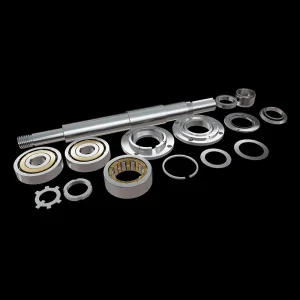
Additionally, modern procurement processes emphasize the integrity of mechanical design. Vibration suppression mechanisms, heavy-duty self-aligning ball bearings with high L10 lifetime ratings (exceeding 100,000 hours), and motor shafts protected with double lip seals are standard prerequisites for systems running in critical continuous production environments.
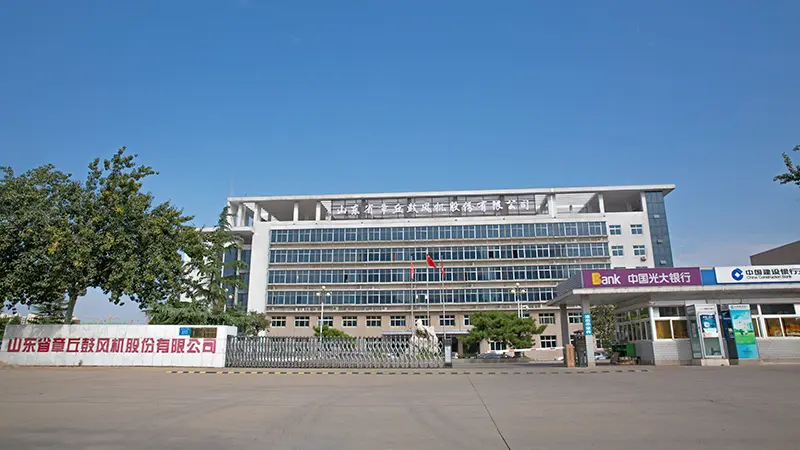
For over half a century, Shandong Zhangqiu Blower Co., Ltd. (ZCBC), historically known as Shandong Zhangqiu Blower Works, has served as a cornerstone of China's heavy industrial air handling sector. Established as a premier manufacturer, ZCBC has successfully bridged the gap between conventional Chinese manufacturing capability and high-end international engineering standards. The company's overall developing strategy—"Develop main business, pioneer new fields and innovate, cooperate to be a great company"—acts as the foundational blueprint for their growth.
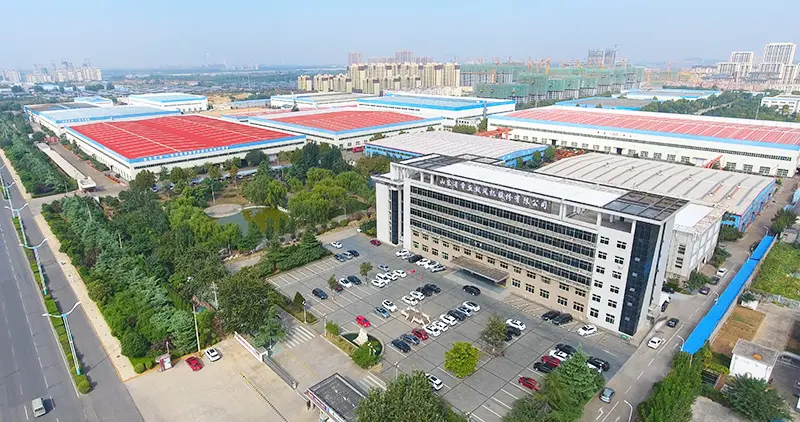
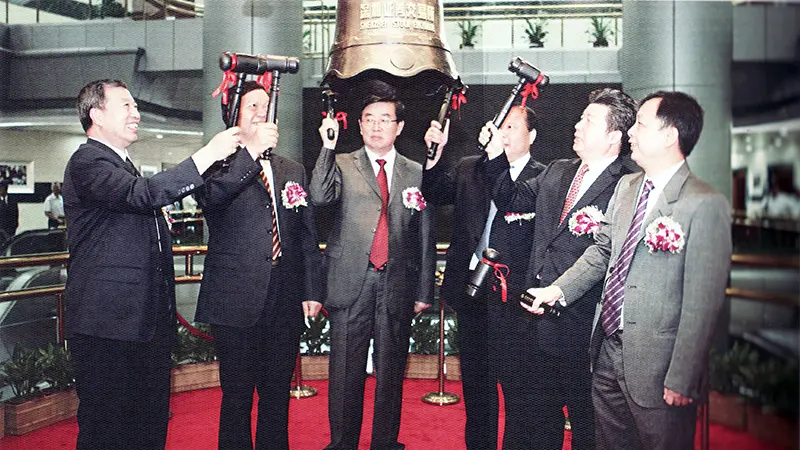
In July 2011, ZCBC achieved a historic milestone by public listing on the Shenzhen Stock Exchange (Stock Code: 002598). Backed by a vast manufacturing footprint spanning 430,000 m² in their state-of-the-art modern industrial park completed in 2005, ZCBC manages a robust ecosystem consisting of 20 holding companies and four primary manufacturing bases across Jiangsu Wuxi, Guangdong Dongguan, Hunan Chenzhou, and Gansu Jinchang. This distributed manufacturing model ensures streamlined domestic supply chains and reliable localization capabilities.
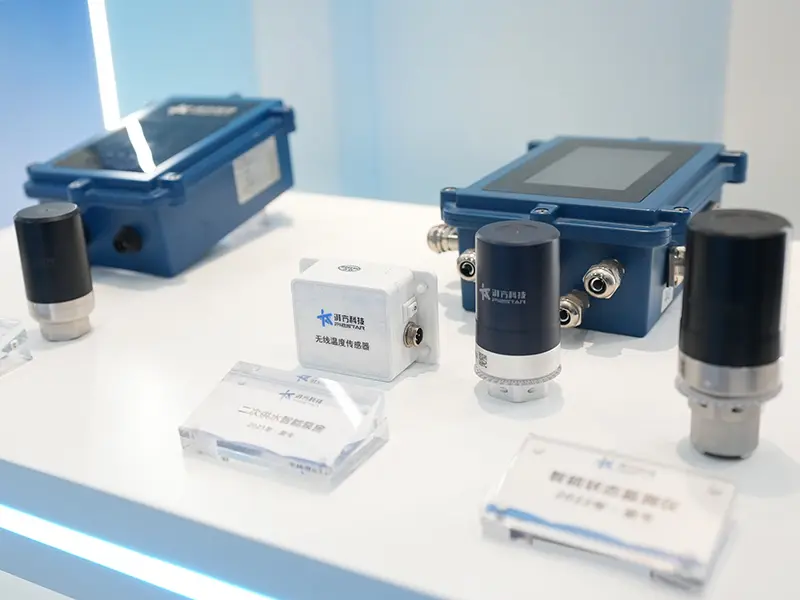
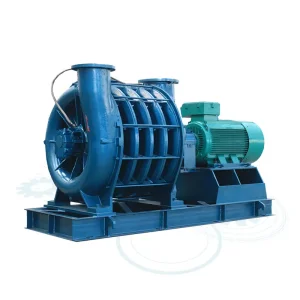
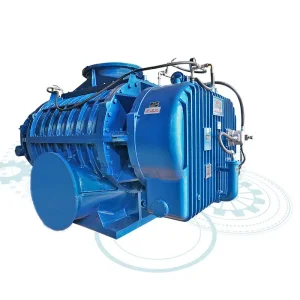
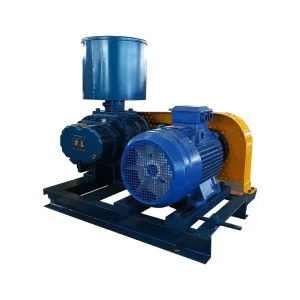
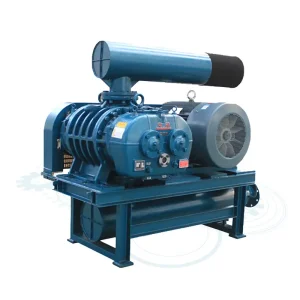
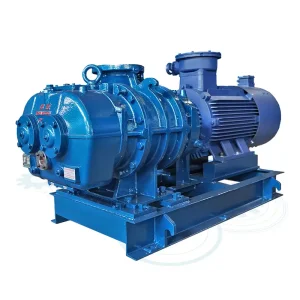
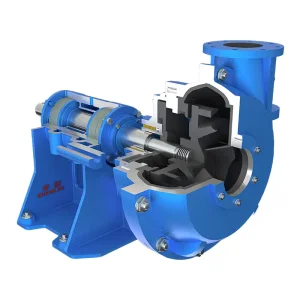
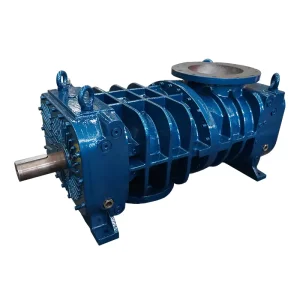
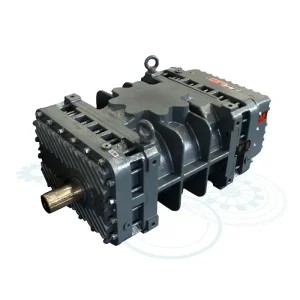
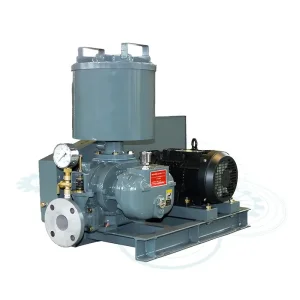
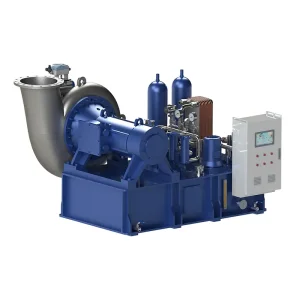
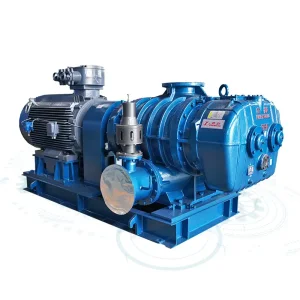
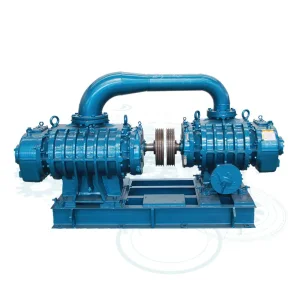
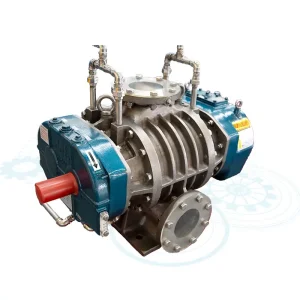
Currently, ZCBC's diversified product architecture encompasses Roots Blowers, Centrifugal Blowers, Centrifugal Ventilators, Industrial Pumps, Pneumatic Conveying Systems, Electrical Equipment, and advanced MVR (Mechanical Vapor Recompression) Evaporation and Concentration systems. By utilizing over 50 years of engineering pedigree, ZCBC integrates top-tier metallurgical casting, precise aerodynamic modeling, and high-frequency dynamic balancing protocols to manufacture high-durability air management machinery trusted in more than 50 countries.
ZCBC's competitive advantage in international markets stems directly from its academic-industrial partnerships and high-precision testing infrastructure. By establishing close cooperative relations with prestigious institutions such as Tsinghua University, Xi'an Jiaotong University, China University of Mining and Technology, and Shandong University, ZCBC continuously infuses cutting-edge theoretical fluid mechanics research into practical industrial applications.
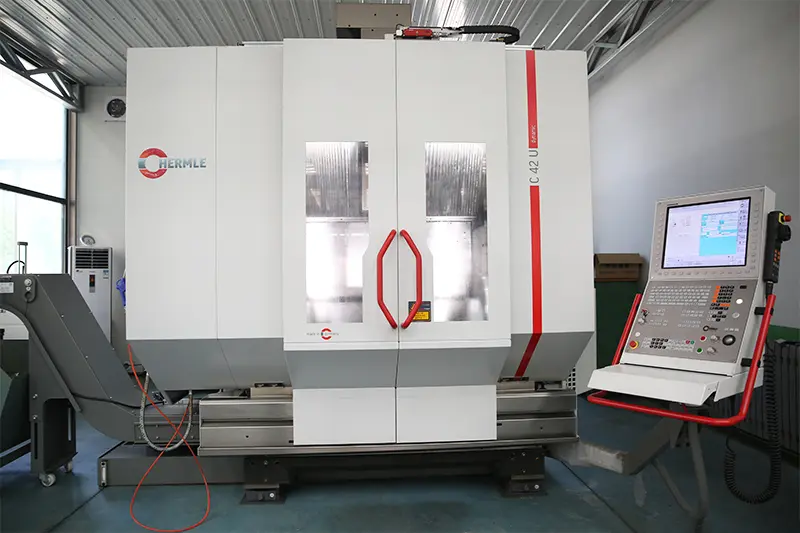
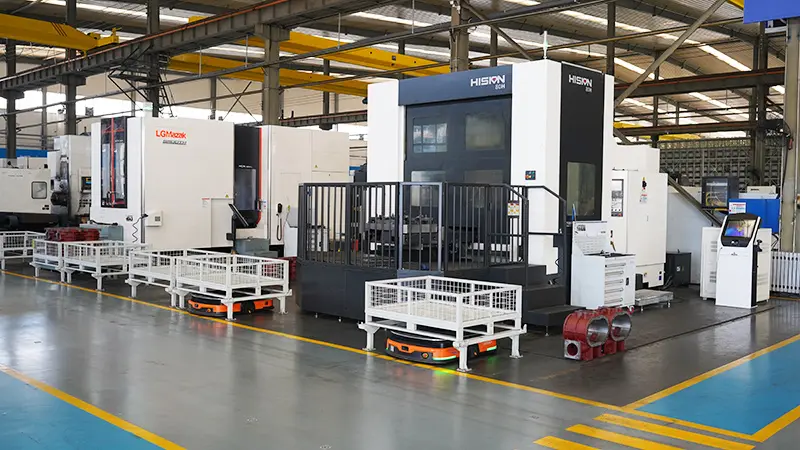
The company's machinery inventory includes nearly 100 sets of imported precision equipment, featuring high-capacity CNC machining centers, five-axis machining centers, three-axis coordinate measuring machines (CMM), and ultrasonic flaw detectors sourced from Germany and Japan. This ensures component machining tolerances remain within micrometer levels.
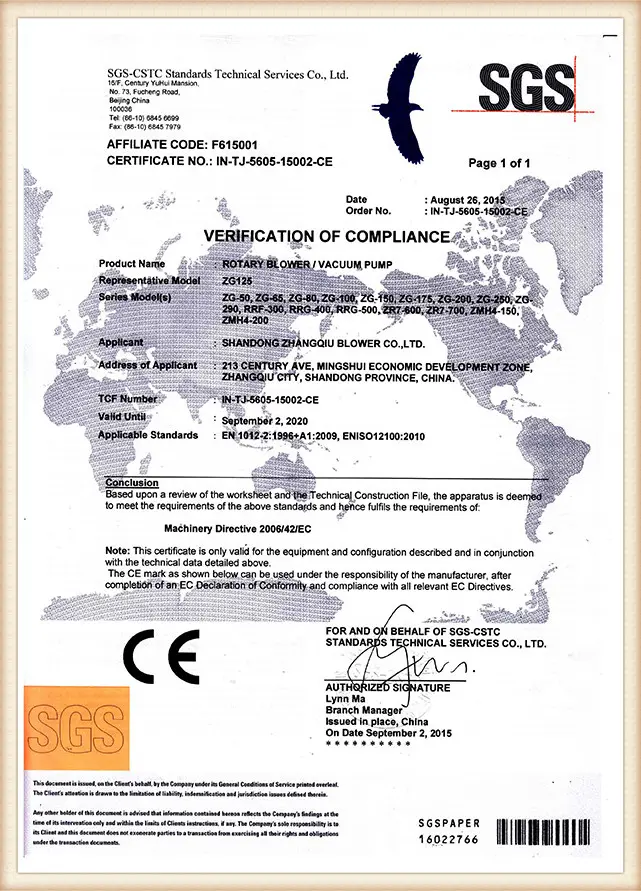
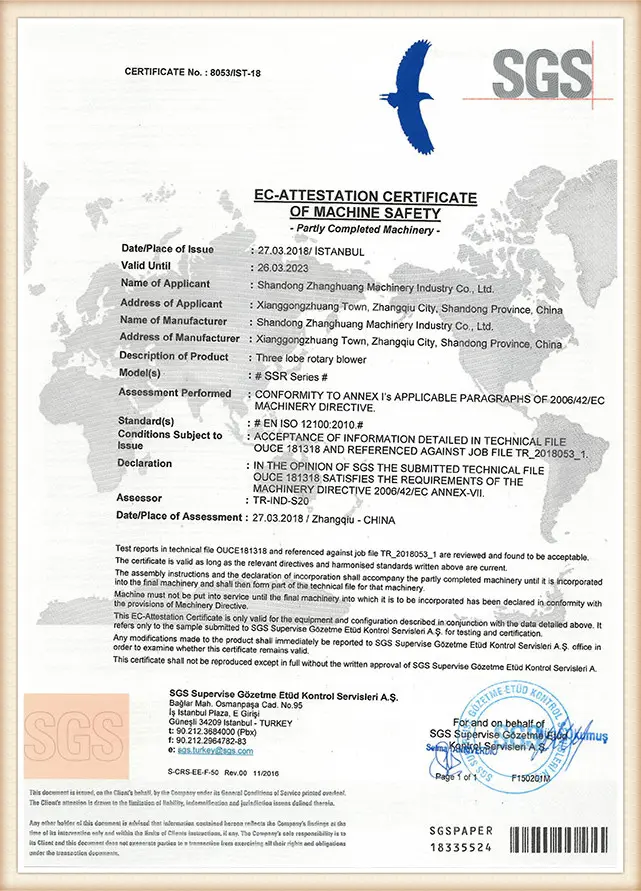
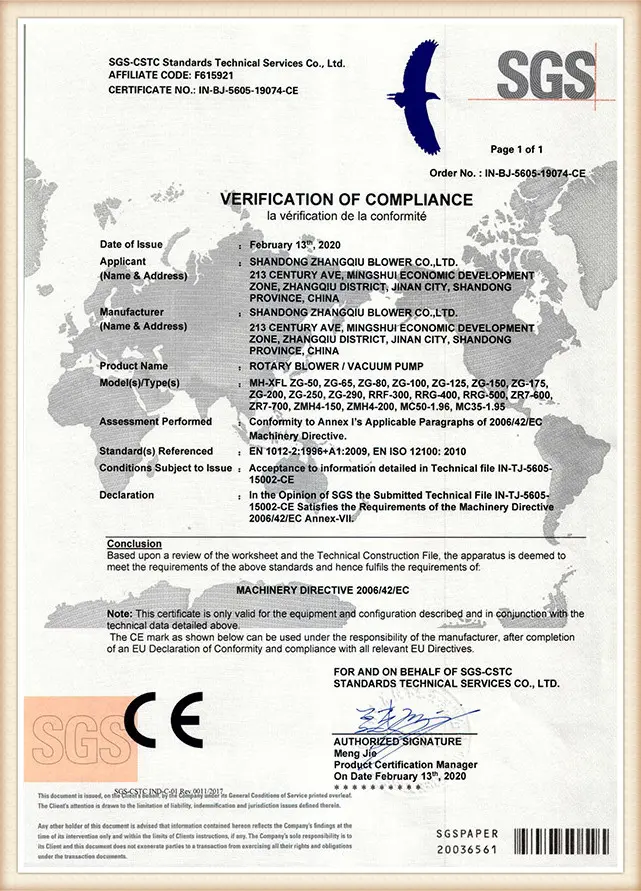
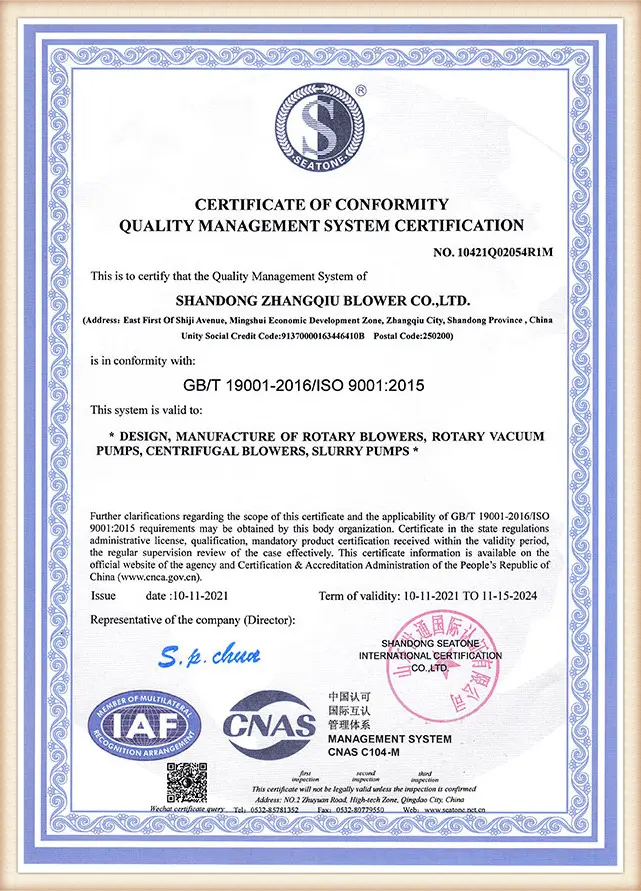
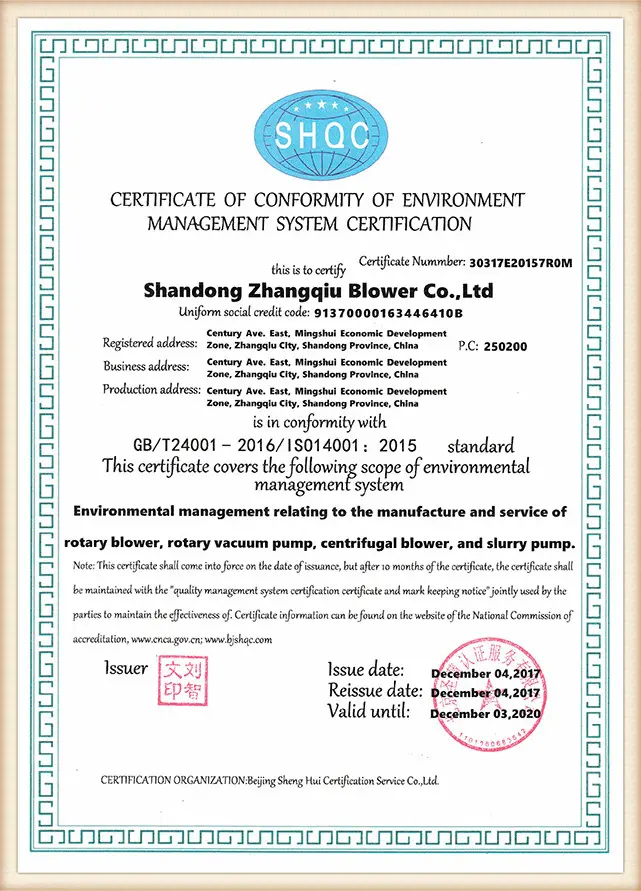
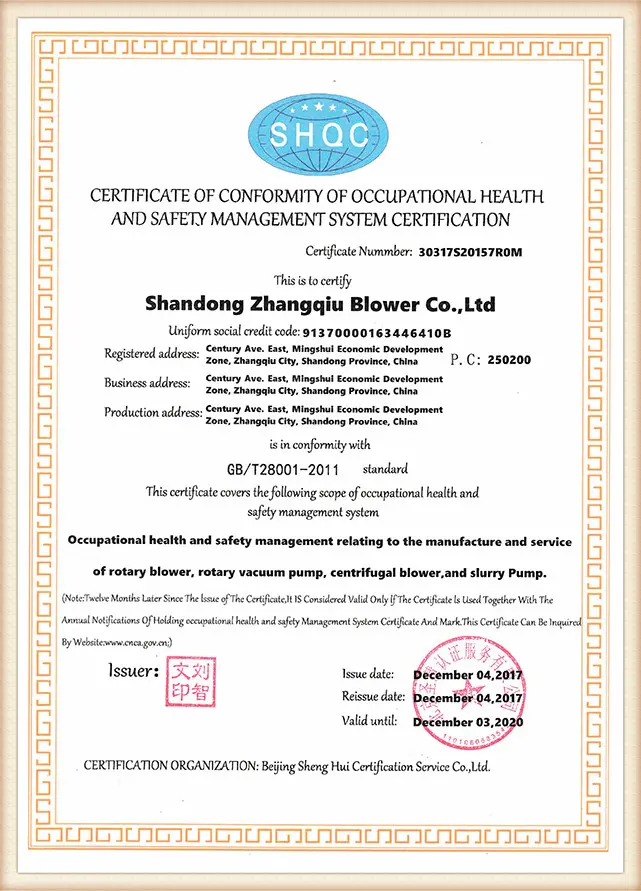
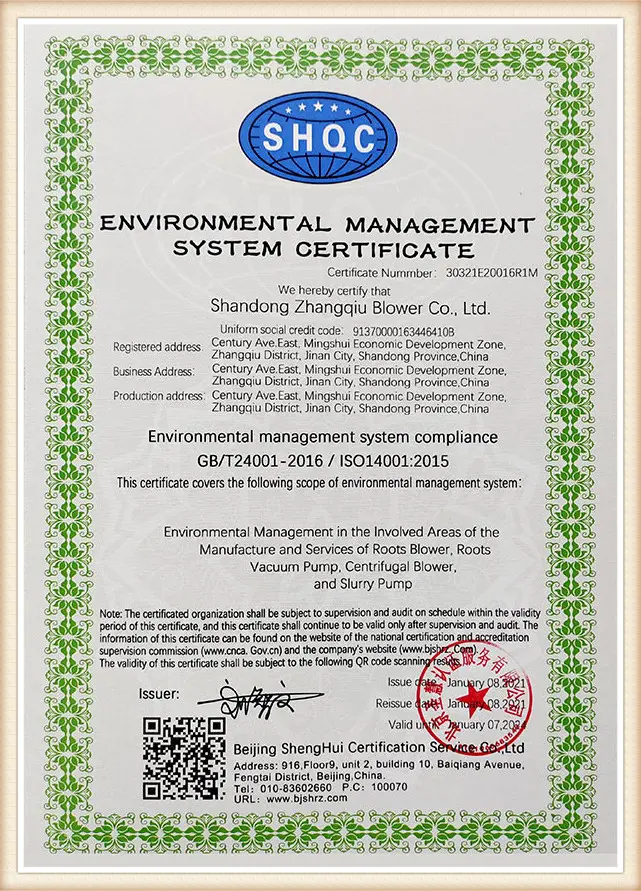
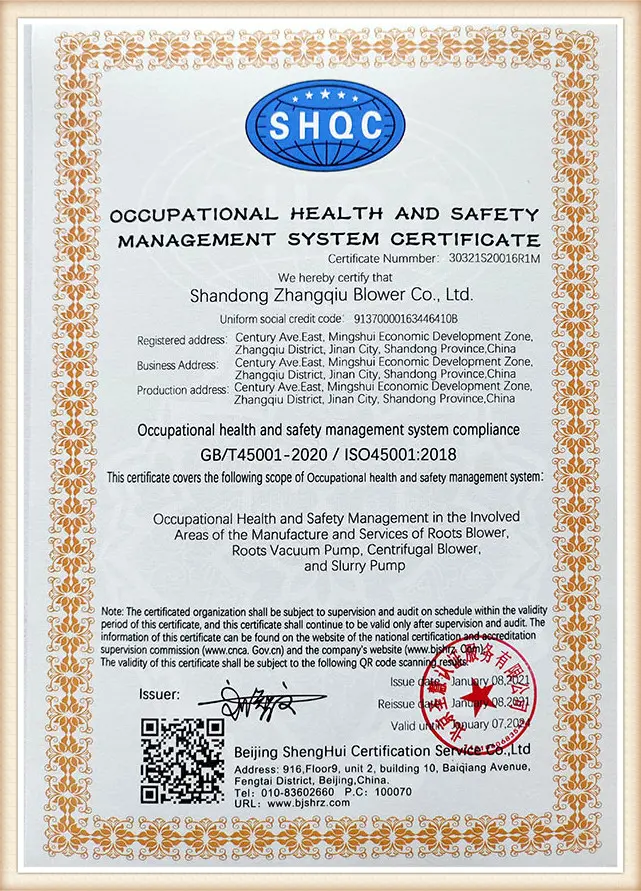
With 69 authorized patents (including 5 crucial invention patents) and 2 proprietary copyrights, ZCBC's technical features include countercurrent cooling, specialized noise reduction casings, fan anti-sticky wear measures, and advanced seal assemblies. The company operates in compliance with strict international benchmarks, maintaining certifications for ISO9001 (Quality Management), ISO14001 (Environmental), ISO50001 (Energy Management), and ISO10012 (Measurement Management) alongside European CE and mine safety approvals.
ZCBC provides clients with standard-compliant 3D CAD blueprints and structural models within 24 hours of receiving initial parameter requirements, simplifying integration with plant layout software.
Every product line is systematically subjected to testing by independent certification bodies, ensuring structural validation, vibration spectrum analysis, and sound level validation conform to customer design parameters.
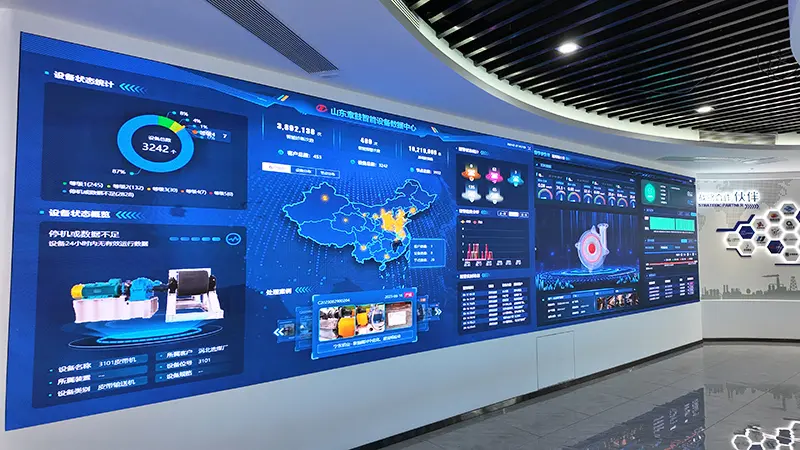
The future of industrial air handling lies in the integration of digital technology and permanent magnet aerodynamics. Leading centrifugal roof exhaust fan companies are shifting away from belt-driven, induction motor setups toward direct-drive, Permanent Magnet Synchronous Motors (PMSM) managed by integrated variable frequency drives (VFD). This transition minimizes drive loss, reduces maintenance cycles, and enables precise fan speed modulation relative to real-time industrial extraction demands.
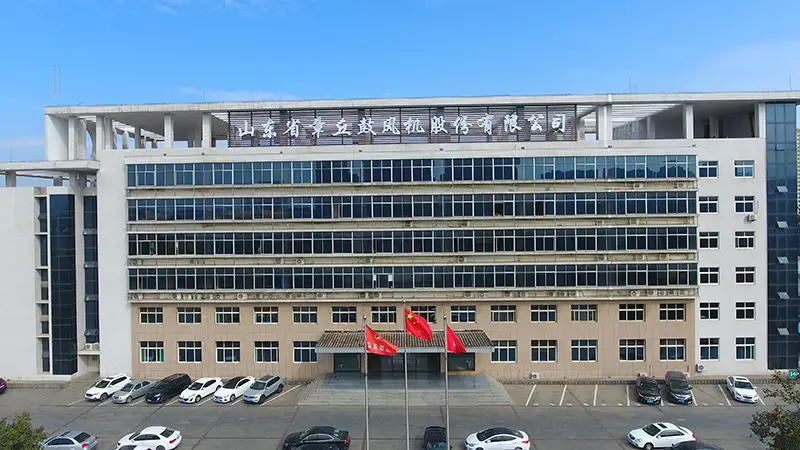
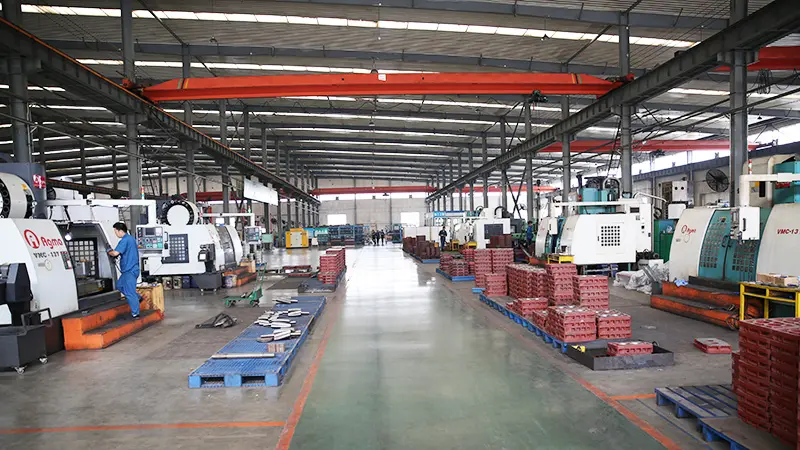
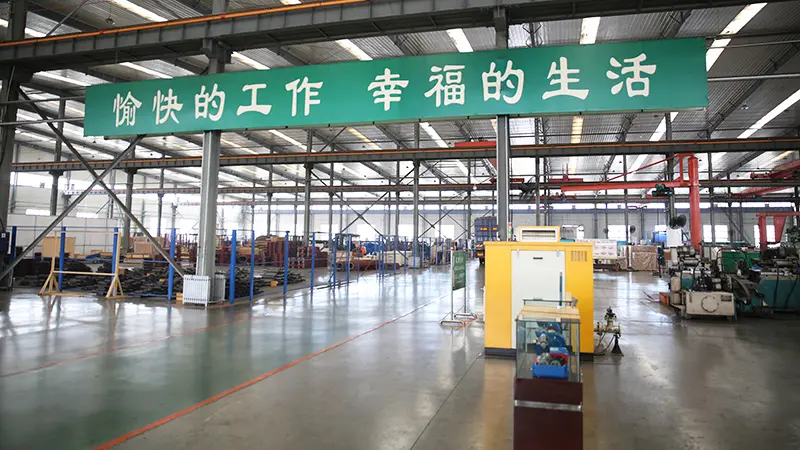
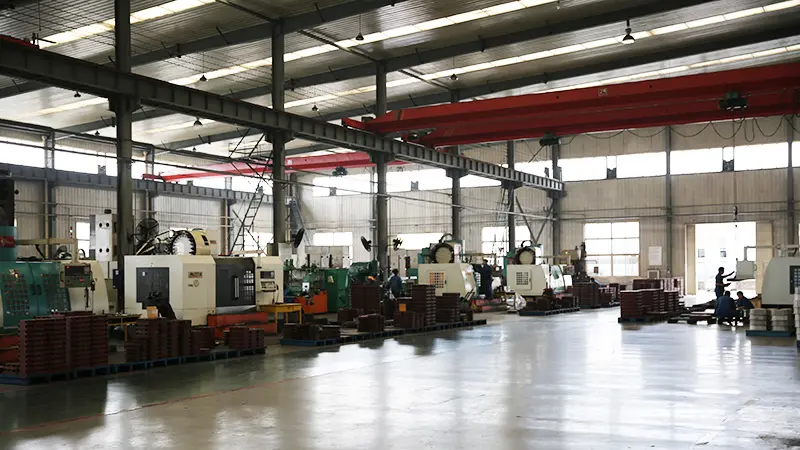
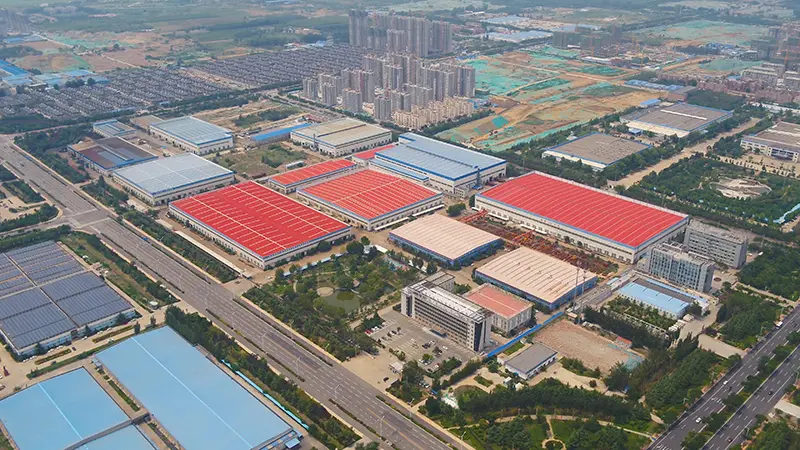
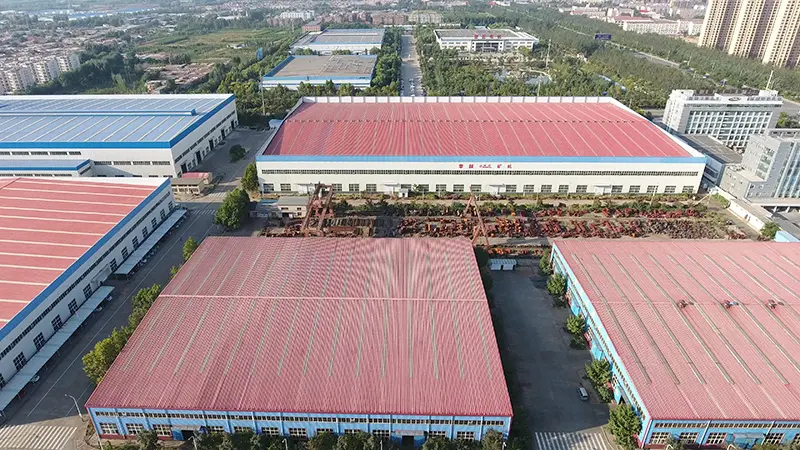
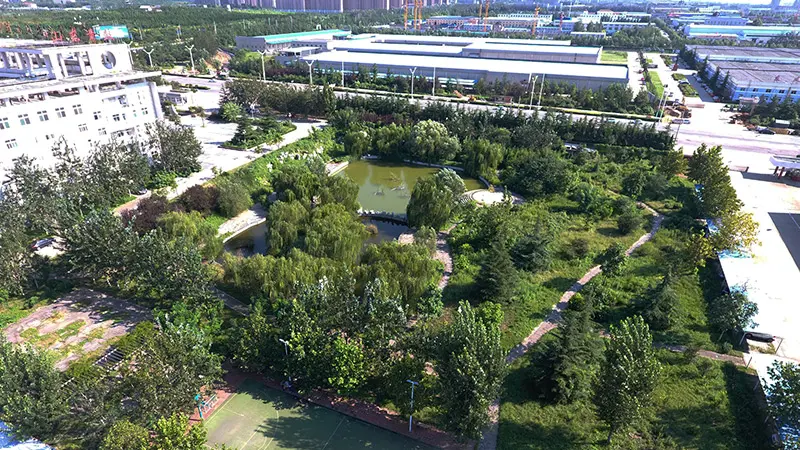
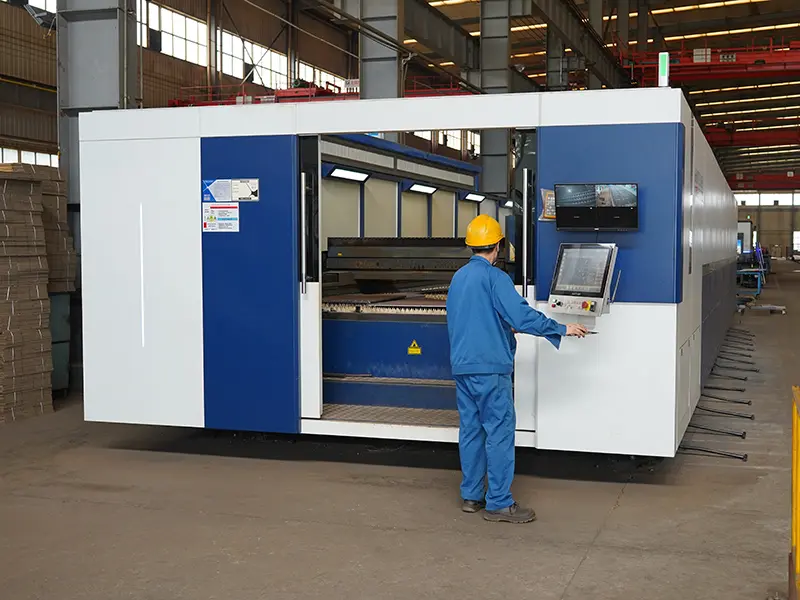
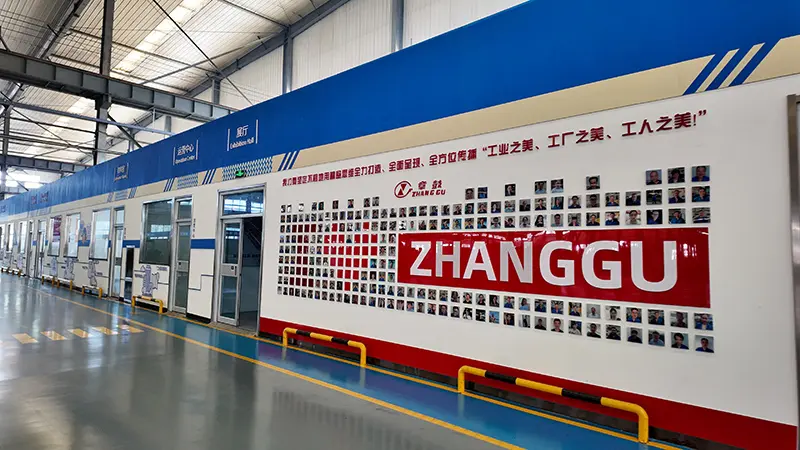
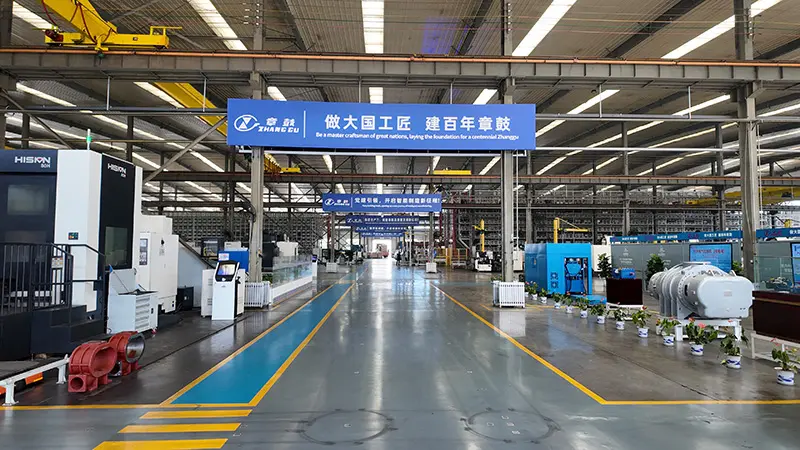
Our state-of-the-art facility integrates precision mechanical engineering with rigorous testing to ensure industrial reliability.

Heavy industrial structures rely on integrated, multi-layered ventilation and fluid processing networks. A standard mineral processing plant or wastewater treatment facility requires more than just exhaust fans; it operates as a combined ecosystem of slurry transfer pumps, high-volume process air blowers, and municipal exhaust loops.
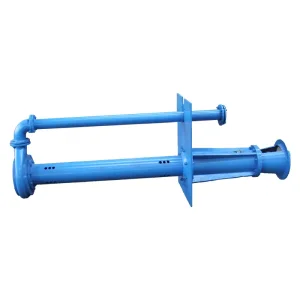
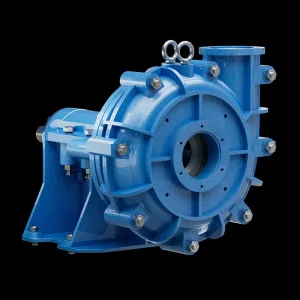
ZCBC's design team addresses these macro challenges by integrating heavy slurry transport systems (such as the TZJK-TD Ceramic Slurry Pump series) with high-efficiency air delivery units. For instance, in chemical flotation tanks, foam slurry pumps manage volatile liquids, while high-velocity roots blowers or PMSM turbo blowers aerate the material. Centrifugal roof exhausters then extract the corrosive headspace gases from the building. Maintaining single-source compatibility for all these components simplifies the design phase, streamlines the procurement process, and reduces overall engineering overhead.
"Cohesion produces strength, unity brings glory." ZCBC's corporate culture is built on respecting human capital, valuing talent, and encouraging innovation. Under the leadership of Chairman Fang Rungang since 1997, the company has prioritized sustainable career development alongside its industrial growth. By managing a dedicated postgraduate workstation and offering extensive continuing education programs, ZCBC maintains a high-retention engineering team. This internal expertise translates directly into consistent manufacturing standards, precise quality control, and reliable, long-term technical support for global clients.
Centrifugal roof exhaust fans are designed to move air radially, generating higher static pressures, which makes them suitable for ducted systems, filtration modules, and applications with high system resistance. Axial fans move air parallel to the fan shaft and are better suited for high-volume, low-resistance, non-ducted applications like general wall ventilation.
AMCA (Air Movement and Control Association) certifications verify that the manufacturer's performance ratings for airflow volume, static pressure, motor power input, and sound emissions are accurate. This gives project engineers confidence that the equipment will perform as specified under actual field operating conditions.
To withstand coastal humidity and salt spray, roof fans should utilize marine-grade aluminum (such as 5052-H32) or stainless steel housings, dynamic shaft seals, and chemical-resistant coatings like baked epoxy or polyurethane powder coatings.
Backward-curved impellers are non-overloading, meaning the motor will not draw excessive current if the system resistance drops. They also provide higher static efficiency and are less prone to dust accumulation than forward-curved configurations.
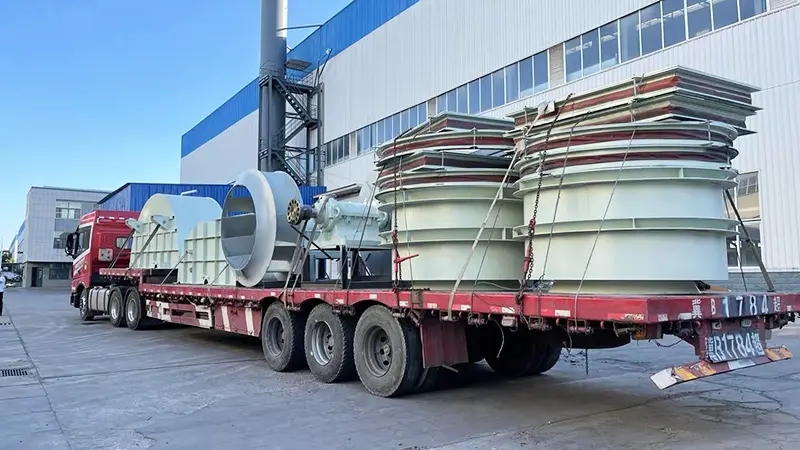
ZCBC's production capabilities are backed by extensive testing facilities and high-precision machinery. The company uses advanced systems, including CAD modeling, CNC machining, and automated dynamic balancing, to verify that each fan, blower, and industrial pump meets strict performance standards before shipment.

 Zhangqiu