Engineered fluid and air management devices optimized for the municipal water treatment, chemical manufacturing, and heavy metallurgy infrastructures of Cook County and the broader Chicago metropolitan area.
Chicago and the surrounding Midwestern manufacturing corridors require high-performance, robust industrial systems to manage wastewater, process mining ores, and convey chemical media. Centrifugal pump operations in these environments must handle the unique physical phenomena associated with "froth" or "foam." Traditional slurry pumps often suffer from severe cavitation, air lock, and mechanical failure when attempting to move aerated, bubbly liquids. Our highly specialized foam slurry pumps are engineered specifically to overcome these thermodynamic and fluidic hurdles.
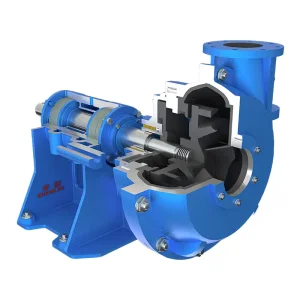
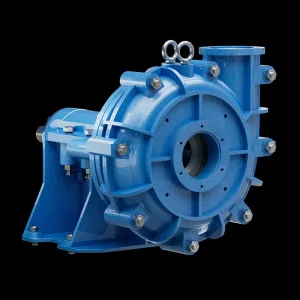
Unlike standard centrifugal pumps that rely on consistent, single-phase liquid flow, foam slurry pumps utilize a specialized hopper inlet configuration and integrated inducer blades on the impeller. This configuration mechanically separates entrained air bubbles from the core slurry matrix, enabling high-density solids conveyance without vapor locking.
The Metropolitan Water Reclamation District (MWRD) of Greater Chicago manages some of the world's largest water reclamation plants, such as the Stickney Water Reclamation Plant in Cicero, Illinois. Wastewater treatment plants continuously encounter foaming issues in aeration basins, digesters, and thickeners. Standard pumps cannot efficiently pump this surface foam. Our froth-optimizing pump ranges are custom configured to handle municipal foams containing variable concentrations of surfactants, organic solids, and particulate debris.
Additionally, the heavy steel and metallurgy plants in Northwest Indiana, extending into the Chicago metropolitan boundary, utilize froth-flotation circuits to separate raw mineral ores. In flotation, air is injected into the slurry mix. The resulting froth contains high values of minerals that must be transported to thickeners. Standard impellers experience immediate drop-off in efficiency under these conditions. The conical hopper design of our industrial foam slurry pumps provides continuous, gravity-fed flow directly to the eye of the impeller, facilitating stable and continuous transportation of mineral froth.
To assist procurement engineers and plant managers in making informed decisions, the table below outlines the core mechanical behavior of standard pump profiles versus dedicated foam/froth slurry pumps:
| Parameters & Operational Features | Standard Centrifugal Pump | Dedicated Foam Slurry Pump | Impact on Plant Operations |
|---|---|---|---|
| Maximum Entrained Gas Limit | < 4% by volume | Up to 24% by volume | Eliminates frequent air-binding outages. |
| Impeller Eye Entry Speed | High (prone to cavitation) | Low (expanded conical eye) | Reduces wear and localized cavitation pitting. |
| Inlet Design Configuration | Straight piping connection | Conical gravity hopper & Inducer | Maintains continuous head despite highly aerated liquids. |
| Wear Life in Corrosive Froths | Short (accelerated erosion-corrosion) | Extended (high-chrome alloys & ceramics) | Lower total cost of ownership (TCO) and maintenance overhead. |
When frothy mixtures enter the casing of a typical pump, the low-pressure zone located at the impeller eye forces the entrained gas to separate from the liquid. This forms a pocket of air directly in the inlet pathway, preventing the liquid phase from coming into contact with the impeller vanes. The pump loses prime, leading to structural vibration, overheating of the shaft seal, and eventual seal failure.
Our engineering design resolves this by creating an internal vortex within a large hopper. The centrifugal forces within the hopper pre-separate the air before it reaches the impeller, allowing the separated gas to escape upward while the dense, de-aerated slurry is swept forward into the discharge volute. This mechanical arrangement ensures continuous operation without the need for manual priming or air-bleeding valves.
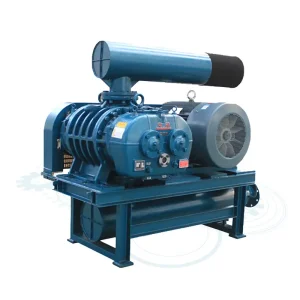
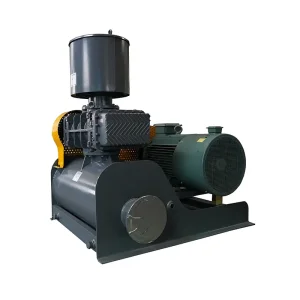
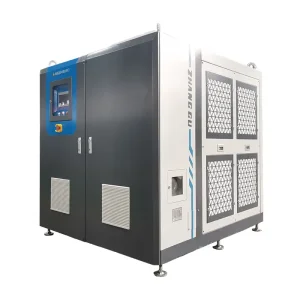
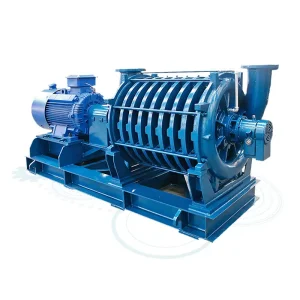
Further product architectures designed for bulk chemical transport, high-capacity industrial aeration, and heavy material handling across the Midwest.
Our solutions are engineered and built by Shandong Zhangqiu Blower Co., Ltd. (ZCBC). Founded with a legacy dating back over 50 years in blower and fluid equipment design, ZCBC represents a premier benchmark of precision engineering. We have expanded our reach by establishing two Sino-Japanese joint ventures and an active USA branch, positioning ZCBC as a reliable global partner. In China’s industrial roots blower and pump manufacturing sectors, our market share and product quality remain consistently at the top of the industry.
Operating under the core development strategy, "Develop main business, pioneer new fields and innovate, cooperate to be a great company", and guided by the working concept, "Do the best", ZCBC integrates design, manufacturing, testing, and sales across multiple divisions, including: Roots Blowers, Centrifugal Blowers, Industrial Fans, Slurry & Industrial Pumps, Pneumatic Conveying Systems, Electrical Equipment, and MVR Evaporation, Concentration & Crystallization Systems.
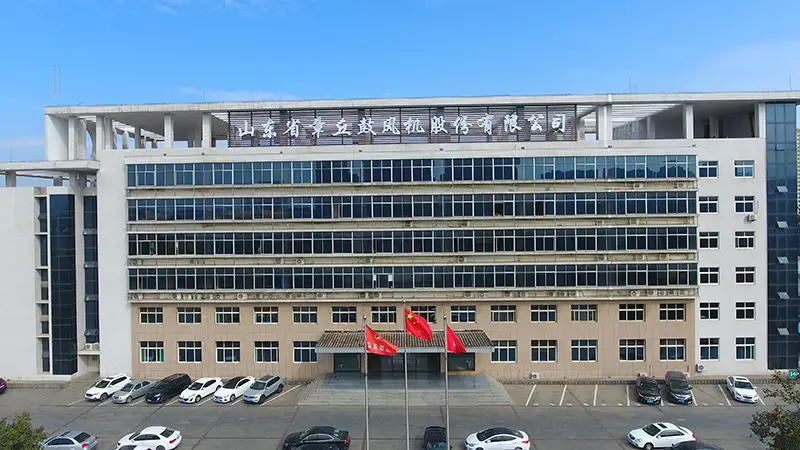
In 2005, ZCBC transitioned to a newly built, high-standard modern industrial park. Spanning 430,000 square meters, this facility is equipped with comprehensive testing laboratories, automated assembly lines, and high-precision CNC equipment. In July 2011, the company completed its public listing on the Shenzhen Stock Exchange (Stock Code: 002598), securing a strong capital foundation for continuous technological development.
By 2020, our parent company achieved an annual operating income of 1.5 billion yuan and a profit of 150 million yuan. ZCBC maintains 20 holding companies, four large-scale manufacturing bases (located in Jiangsu Wuxi, Guangdong Dongguan, Hunan Chenzhou, and Gansu Jinchang), and four regional R&D hubs (Beijing, Shanghai, Shijiazhuang, and Wuxi).
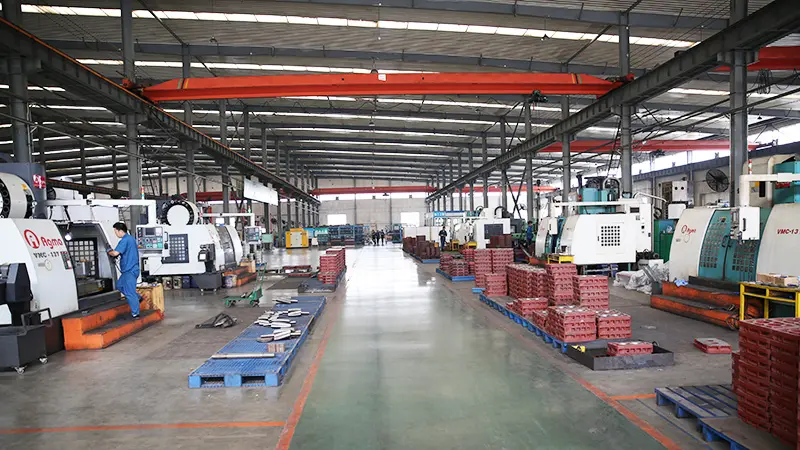
The longevity of a slurry pump or high-speed blower relies heavily on materials science. ZCBC maintains a proprietary foundry capable of casting high-chrome white iron (Cr27, Cr30) and specialized duplex stainless steels. The manufacturing process utilizes over 100 sets of imported Japanese and German CNC machining centers, five-axis machining tooling, and three-axis coordinate measuring systems (CMM) to ensure dimensional accuracy. Testing protocols include ultrasonic flaw detection, dynamic balancing, and performance testing under full-load conditions.
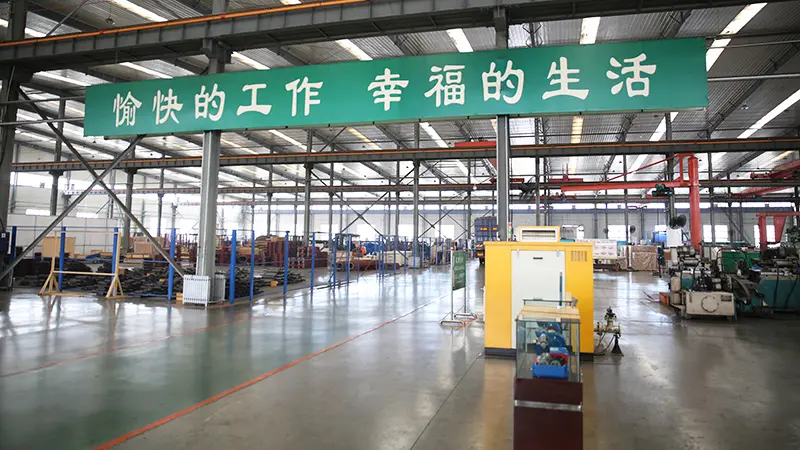
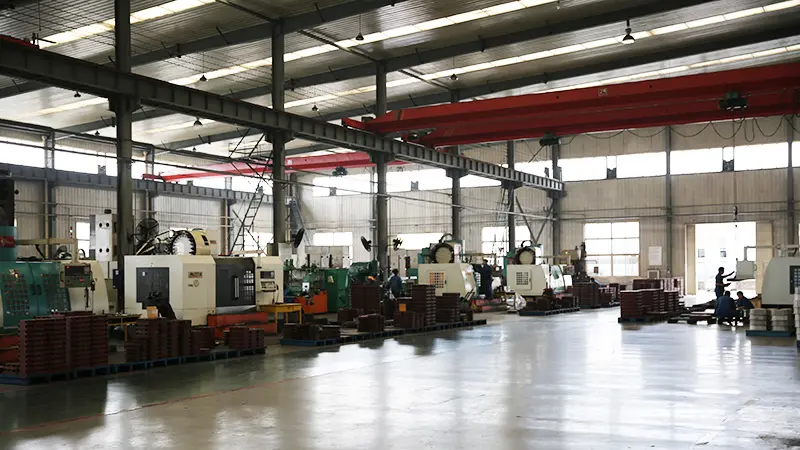
As the executive director unit of the China General Machinery Industry Association and the primary drafting entity of Chinese National Standards for Roots Blowers, ZCBC maintains a strong technical position. We have integrated advanced product life cycle management (PLM) systems, computer-aided manufacturing (CAM) technology, computer-aided process planning (CAPP), and automated computer-aided testing (CAT) to optimize development cycles and ensure design precision.
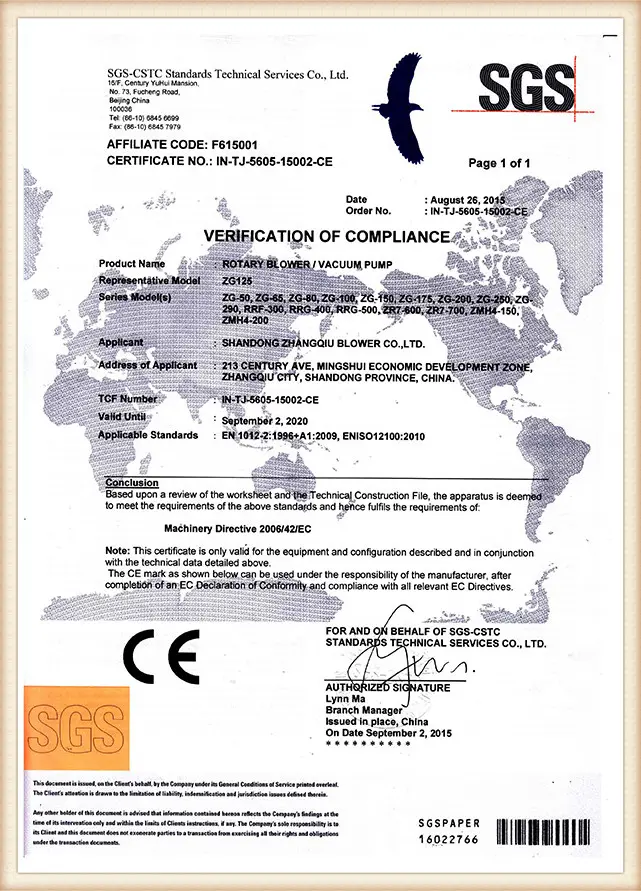
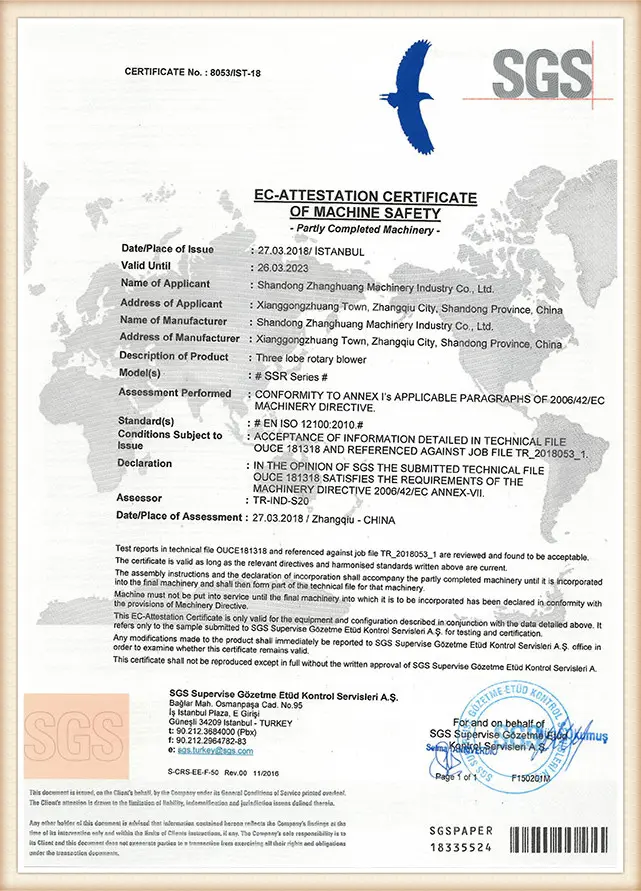
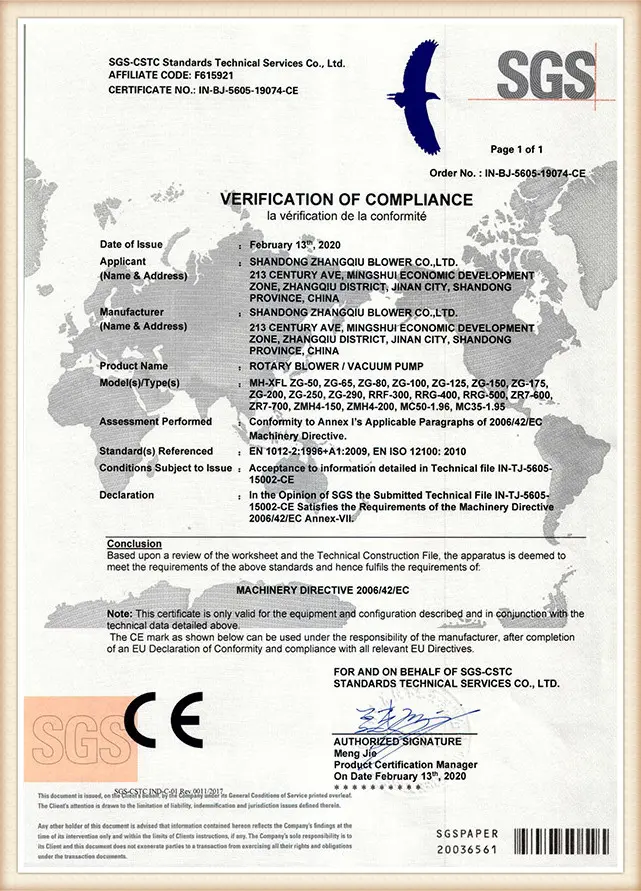
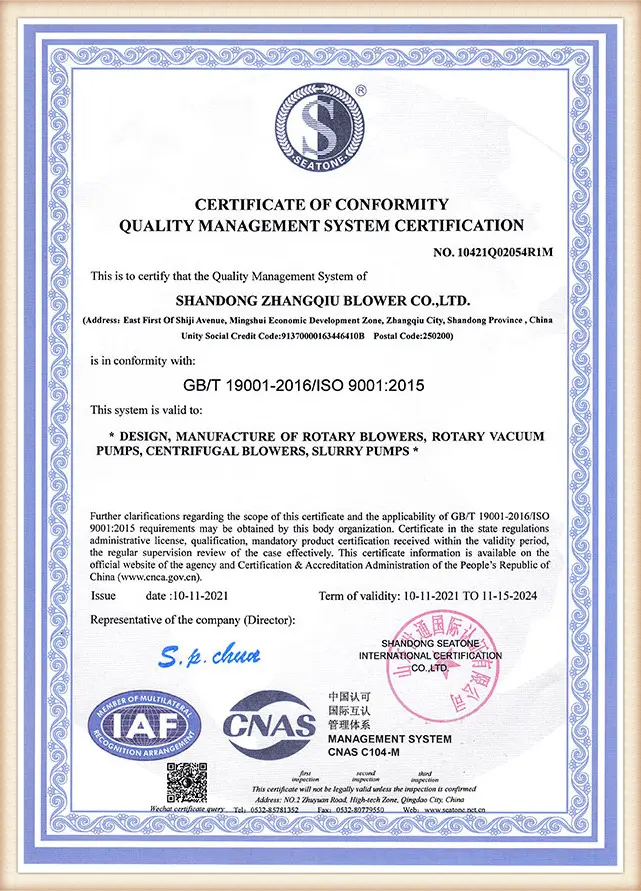
Our technical accomplishments include 69 authorized patents, including 5 invention patents, and 2 registered software copyrights. ZCBC has successfully achieved key international and local certifications, including:
ZCBC has established long-term research partnerships with leading academic institutions, including Tsinghua University, Xi'an Jiaotong University, China University of Mining and Technology, and Shandong University. These collaborations support continuous innovation in noise-reduction geometry, countercurrent cooling loops, anti-sticky wear surfaces, and smart telemetry integration.
Addressing technical questions regarding slurry pump selection, maintenance, and air flow dynamics in industrial applications.
Full range of Roots blowers, centrifugal blowers, turbo blowers, and industrial wear parts serving heavy manufacturing projects.
At ZCBC, corporate culture serves as the foundation of our organizational growth. We operate with a strong focus on team cohesion, technological innovation, and client collaboration. By respecting individual expertise and supporting professional development, ZCBC maintains a motivated workforce focused on engineering high-quality equipment.
Our dedicated engineering and design team supports custom projects globally. We provide 3D CAD modeling and design optimization within 24 hours of receiving customer specifications. Our production lines combine advanced technology with rigorous quality control to deliver durable, energy-efficient equipment to clients in over 70 countries and regions worldwide.
Contact our engineering team today to review your system requirements, request 3D CAD drawings, or receive a project quote.
Send Inquiry Now Zhangqiu